
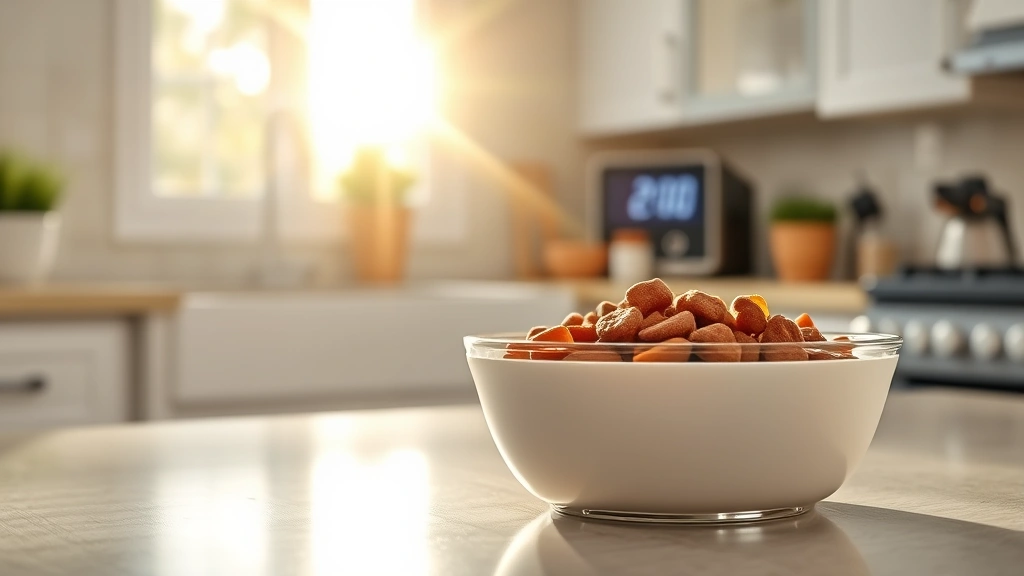
Understanding wet food sitting out time limits is absolutely critical if you want to keep your furry best friend healthy and happy. Unlike dry kibble that can hang out in a bowl all day without judgment, wet food is basically a bacterial party waiting to happen if you leave it unattended. Let’s dive into everything you need to know about keeping your pet’s meals safe, fresh, and delicious.
Table of Contents
- The Two-Hour Rule: Your New Best Friend
- One Hour in Hot Weather: When Summer Turns Sinister
- The Refrigerator: Your Wet Food’s Best Friend
- Freezer Storage: The Long Game
- Signs Your Wet Food Has Gone Bad
- Portion Control Meets Food Safety
- Interactive Feeding: Keeping Meals Fresh and Fun
- Temperature Monitoring: Get Fancy If You Want
- Outdoor Feeding: Special Considerations
- Transitioning to Timed Feeding Schedules
- Different Foods, Different Rules
- Frequently Asked Questions
- Summary: Your Wet Food Safety Checklist
The Two-Hour Rule: Your New Best Friend
Here’s the golden rule that veterinarians have been preaching for years: wet food should never sit out at room temperature for more than two hours. Think of it like leaving potato salad on a picnic table in July—it’s just asking for trouble. After two hours, bacteria like E. coli and Salmonella start throwing a party in your pet’s food bowl, multiplying faster than rabbits in spring.
The reason? Wet food contains moisture and organic matter that bacteria absolutely love. It’s basically a five-star resort for pathogens. Room temperature (around 68-72°F) is the Goldilocks zone for bacterial growth—not too hot, not too cold, just right for microscopic troublemakers to multiply exponentially.
One Hour in Hot Weather: When Summer Turns Sinister
If you live somewhere hot or it’s summer and your AC is on the fritz, cut that two-hour window down to just one hour. When temperatures exceed 80°F, bacteria multiply even faster than usual. Your pet’s wet food becomes a biological time bomb, and nobody wants their dog or cat dealing with food poisoning during a heatwave.
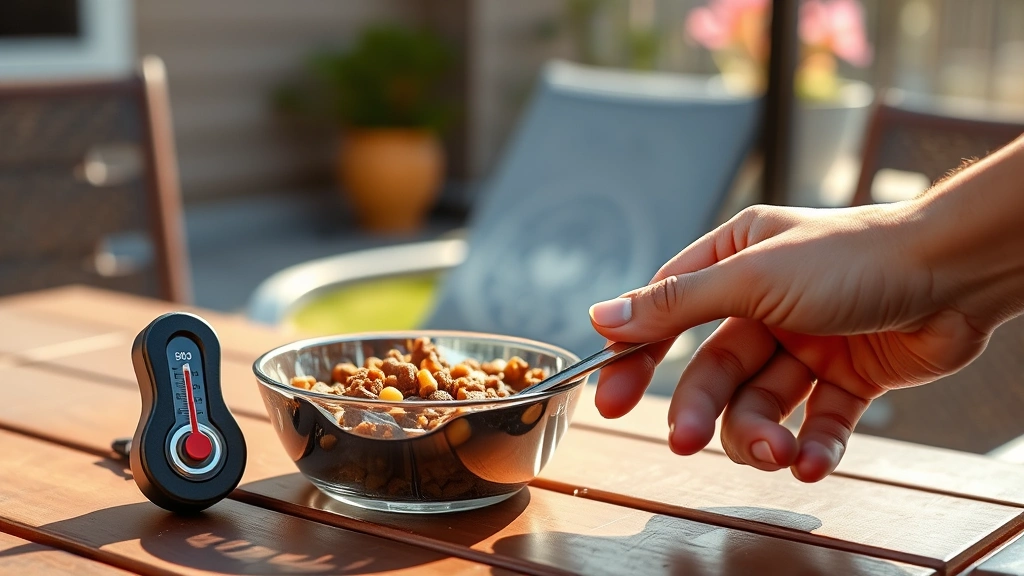
This is especially important if you’re feeding your pet outdoors or near windows where sunlight can warm up the bowl. Even if it doesn’t feel scorching to you, that metal or ceramic bowl can heat up surprisingly fast and create a bacterial breeding ground. Keep wet food in shaded, cool areas whenever possible during hot months.
The Refrigerator: Your Wet Food’s Best Friend
Once you open a can or pouch of wet food, it needs to go into the refrigerator immediately after your pet finishes eating—or after two hours, whichever comes first. Refrigerated wet food stays fresh for about 3-4 days, assuming you store it properly in an airtight container. This is where your fresh food feeding routine becomes essential.
Pro tip: Don’t just leave the opened can sitting in the fridge with the lid half-on. Transfer the leftover food to a glass or plastic container with a tight-fitting lid. Canned food oxidizes and can develop an off smell or taste if left in the original can, plus the metal can impart a metallic flavor that even your pet might notice.
Freezer Storage: The Long Game
Want to extend the life of your wet food? Freeze it. Most wet pet foods can be frozen for up to two months, though some premium brands with fewer preservatives might have shorter windows. Check the manufacturer’s recommendations on the packaging. Frozen wet food is a lifesaver if you buy in bulk or want to meal prep for your furry friend.
Here’s the thing though: thaw frozen wet food in the refrigerator, not on the counter. Thawing at room temperature reintroduces that bacterial risk we’ve been talking about. Plan ahead and move your pet’s meal from freezer to fridge the night before feeding time. Your pet’s digestive system will thank you.
Signs Your Wet Food Has Gone Bad
Even if you’re following the wet food sitting out time limits perfectly, sometimes food goes bad anyway. Watch for these red flags: an off or sour smell, visible mold, discoloration, or a slimy texture. If anything seems off, throw it out. It’s not worth risking your pet’s health to save a few dollars on food.
Your pet’s nose is actually pretty good at detecting spoiled food, so if they turn their nose up at their meal, listen to them. They’re not being picky—they’re protecting themselves from potential food poisoning. Trust their instincts and grab a fresh serving.
Portion Control Meets Food Safety
One of the smartest ways to manage wet food sitting out time limits is to portion out only what your pet will actually eat in one sitting. If you have a slow eater, this becomes even more critical. Pet meal frequency should align with your pet’s eating habits.
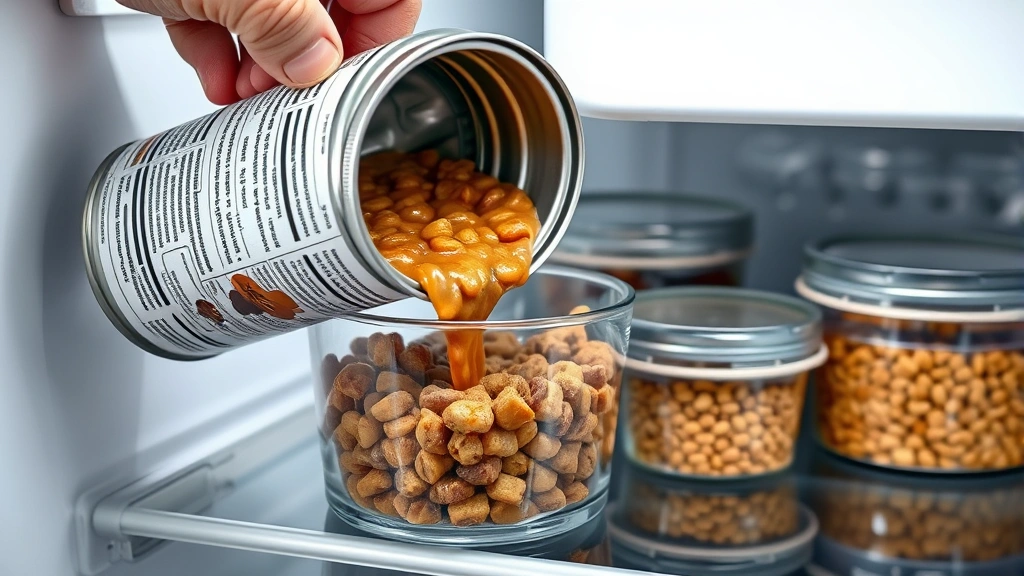
Instead of dumping an entire can into the bowl, measure out the appropriate amount based on your pet’s weight and age, then store the rest immediately. This approach reduces waste, saves money, and keeps your pet safer. It’s a win-win-win situation.
Interactive Feeding: Keeping Meals Fresh and Fun
If your pet is a grazer or takes their sweet time eating, consider using food dispensing toys that release small amounts of food over time. Some of these toys keep food fresher longer by controlling portion sizes and preventing food from sitting exposed. Plus, they provide mental stimulation and make mealtime more engaging.
This approach is particularly helpful for pets with sensitive stomach feeding schedules who need smaller, more frequent meals. You can load the dispenser with the appropriate portion and let your pet work for their food while keeping it safer.
Temperature Monitoring: Get Fancy If You Want
For the truly dedicated pet parent, a simple food-safe thermometer can help you monitor your kitchen’s actual temperature. Different areas of your home might be warmer or cooler than others. If you keep your pet’s food in a specific spot, knowing the actual temperature in that area helps you determine how strictly you need to follow the two-hour rule.
Some people even use insulated bowls or ice packs underneath food bowls to keep wet food cooler longer, especially during summer months. It’s not necessary for most households, but if you live in a hot climate or have an older pet that eats slowly, these strategies can provide extra peace of mind.
Outdoor Feeding: Special Considerations
Feeding your pet outdoors requires extra vigilance about wet food sitting out time limits. Beyond bacteria, you’re also dealing with insects, wildlife, and environmental contamination. If you feed outside, use the one-hour rule as your maximum, and bring the bowl inside immediately after your pet finishes.
Never leave wet food outside unattended, even for a few minutes. Raccoons, possums, and other wildlife don’t care about food safety guidelines—they just want a free meal. Plus, your pet could get into a territorial dispute over their food bowl with a neighborhood visitor.
Transitioning to Timed Feeding Schedules
Establishing a consistent timed feeding for pets schedule helps prevent the problem of wet food sitting out altogether. Instead of free-feeding, give your pet a specific window—say 15-20 minutes—to eat their meal. After that window closes, remove the bowl.
This approach teaches your pet that meals have boundaries, reduces overeating, helps with house training, and completely eliminates the guesswork about food safety. It’s a behavioral and health win all around. Most pets adapt to scheduled feeding within a few weeks.
Different Foods, Different Rules
Not all wet foods are created equal. Premium raw diets, for example, should never sit out for more than 30-45 minutes. Canned foods with preservatives might technically last the full two hours, but that doesn’t mean they should. Always check your specific food’s packaging for manufacturer recommendations—they’ve done the food safety testing, so trust their guidelines.
Homemade pet food has even stricter rules. If you’re making your pet’s meals at home, treat it like you would human food. Two hours maximum at room temperature, period. The lack of commercial preservatives means homemade food is more vulnerable to bacterial growth.
Frequently Asked Questions
Can wet food sit out overnight?
Absolutely not. Wet food should never sit out overnight at room temperature. After two hours (or one hour in hot weather), bacteria levels become unsafe for consumption. Always refrigerate leftovers immediately or throw them away.
What happens if my pet eats spoiled wet food?
Your pet might experience vomiting, diarrhea, loss of appetite, or lethargy. In severe cases, food poisoning can lead to more serious complications. If you suspect your pet ate spoiled food, contact your veterinarian immediately. It’s always better to be safe and get professional advice.
Is it okay to leave wet food out while I’m at work?
No, it’s not recommended. Even if you’re only gone for a few hours, wet food shouldn’t sit out unattended. Use an automatic feeder designed for wet food, ask a pet sitter to feed your pet during the day, or switch to dry food for daytime meals and wet food for evening meals when you’re home.
Can I mix wet and dry food together?
You can, but be aware that once you mix them, you need to follow the wet food sitting out time limits. The wet food will start the clock ticking, so the entire bowl should be removed after two hours. It’s often easier to feed wet and dry food at separate times.
Does wet food need to be room temperature or can it be cold from the fridge?
Some pets prefer their food at room temperature because it smells stronger and tastes better. However, many pets are perfectly fine eating cold food straight from the fridge. If your pet seems to prefer warmer food, you can let it sit out for a few minutes or run the sealed container under warm water to take the chill off—just don’t leave it sitting out longer than necessary.
Summary: Your Wet Food Safety Checklist
Let’s recap the essentials for managing wet food sitting out time limits safely. Follow the two-hour rule at room temperature, cut it to one hour when it’s hot outside. Refrigerate opened food immediately in airtight containers and use within 3-4 days. Freeze extra portions for up to two months. Portion out only what your pet will eat, remove uneaten food after 15-20 minutes, and trust your pet’s nose when something smells off.
Establish a consistent feeding schedule, check manufacturer recommendations on your specific food, and never leave wet food sitting out unattended. When in doubt, throw it out. Your pet’s health is worth more than the cost of a can of food.
According to the Association of American Feed Control Officials (AAFCO), proper food storage and handling are essential components of pet nutrition. The PetMD veterinary team also emphasizes that food safety is just as important for pets as it is for humans. Additionally, research from UC Davis School of Veterinary Medicine has shown that foodborne pathogens affect pets similarly to humans.
By understanding and respecting wet food sitting out time limits, you’re taking a proactive step toward preventing foodborne illness and keeping your beloved pet healthy for years to come. It’s a simple practice that makes a huge difference in your pet’s wellbeing.





