

If you’ve ever noticed your dog showing whale eyes—that unsettling look where the whites of their eyes are visible around the iris—you’re witnessing a crucial canine communication signal that demands your attention. This distinctive eye expression isn’t just a quirky facial feature; it’s your dog’s way of screaming “I’m stressed, anxious, or uncomfortable” without uttering a single bark. Understanding whale eyes in dogs could literally be the difference between a harmonious household and a behavioral crisis.
Table of Contents
- What Exactly Are Whale Eyes in Dogs?
- Warning Sign #1: Anxiety and Fear Responses
- Warning Sign #2: Pain or Physical Discomfort
- Warning Sign #3: Aggressive or Defensive Behavior Brewing
- Warning Sign #4: Stress During Social Situations
- Warning Sign #5: Illness or Metabolic Issues
- How to Respond When You See Whale Eyes
- Training and Prevention Strategies
- Whale Eyes vs. Other Eye Expressions
- When to Seek Professional Help
- Summary: Taking Whale Eyes Seriously
- Frequently Asked Questions
What Exactly Are Whale Eyes in Dogs?
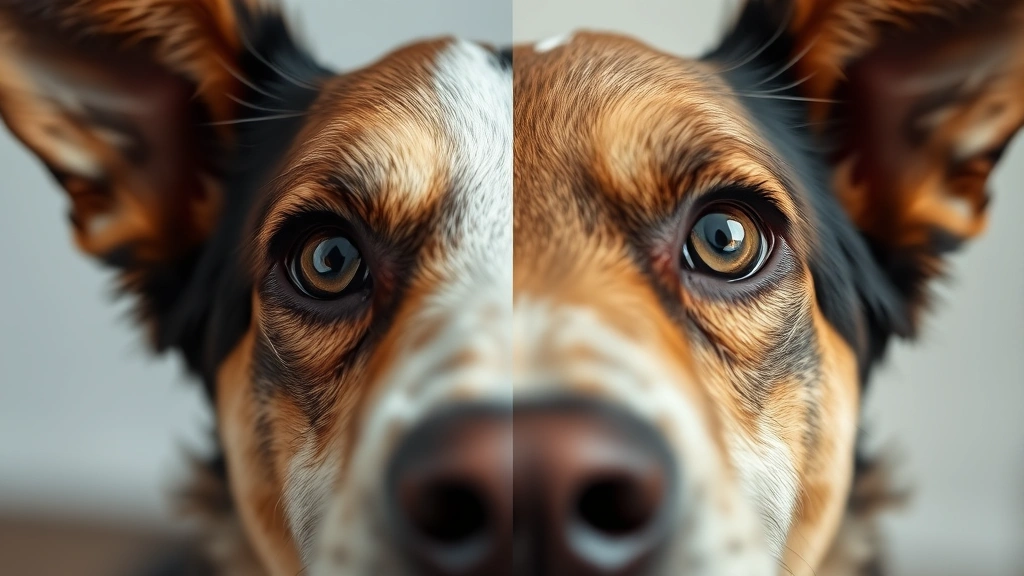
Whale eyes occur when your dog’s eyes widen and you can see the sclera (the white part) around their iris. It looks like they’re perpetually surprised or terrified—hence the name “whale eyes” because it mimics the appearance of a whale’s eye. This isn’t a medical condition; it’s a stress signal that your pup is communicating their emotional state. When dogs are relaxed and happy, their eyes appear soft and you typically can’t see much of the white. The moment stress enters the picture, those eyes go wide.
According to the American Kennel Club, understanding canine body language is essential for dog owners. Whale eyes are part of a broader communication system that includes ear position, tail movement, and body posture. When your dog displays whale eyes, they’re essentially flashing a neon sign that reads: “Something’s wrong here.”
Warning Sign #1: Anxiety and Fear Responses
The most common reason your dog develops whale eyes is anxiety or fear. Whether it’s thunderstorm season, fireworks on the Fourth of July, or a visit to the vet, anxious dogs will display those telltale wide eyes. You might notice this happens during specific triggers—certain people visiting, loud noises, or unfamiliar environments.
The key to managing anxiety-induced whale eyes is identifying the trigger. Is your dog showing this expression during car rides? When the doorbell rings? When a particular family member approaches? Once you pinpoint the stressor, you can work on desensitization and counter-conditioning. Many owners find that creating a safe space—a crate, a quiet room, or a designated anxiety den—helps tremendously.
Warning Sign #2: Pain or Physical Discomfort
Never dismiss whale eyes as purely emotional. Sometimes your dog is literally in pain. If your pup suddenly develops this expression and it’s paired with other symptoms like limping, reluctance to move, or changes in eating habits, a vet visit is non-negotiable. PetMD veterinarians emphasize that dogs can’t tell us where it hurts, so behavioral changes become our diagnostic tool.
Conditions ranging from ear infections to orthopedic issues can trigger whale eyes. Even something as seemingly minor as an ingrown toenail or a splinter can cause enough discomfort to produce this stress response. If you notice lethargy in dogs combined with whale eyes, that’s a red flag worth investigating immediately.
Warning Sign #3: Aggressive or Defensive Behavior Brewing
Here’s where whale eyes become genuinely dangerous: they often precede aggression. A dog displaying whale eyes in a tense situation might be about to snap, bite, or lunge. This is your final warning before escalation. If your dog shows whale eyes while stiff-bodied, with ears pinned back and lips curled, you’re looking at a dog in defensive mode.
Professional dog trainers recognize whale eyes as a critical pre-bite indicator. The dog is essentially saying, “I’ve asked you nicely through my body language—back off.” If the threat (real or perceived) doesn’t diminish, the dog may feel compelled to escalate to physical aggression. This is especially important to understand if you have children or frequent visitors.
Warning Sign #4: Stress During Social Situations
Some dogs develop whale eyes specifically during social interactions—whether with other dogs or humans. Your pup might show this expression when a stranger reaches toward them, when another dog approaches during a walk, or during multi-dog households when tensions rise. This indicates your dog feels socially threatened or overwhelmed.
Dogs are individuals with different temperaments. Some are naturally more introverted or socially anxious. If your dog consistently shows whale eyes in social settings, respect their boundaries. Forcing interaction is counterproductive and will amplify their stress. Consider whether your dog is actually happy in these situations or merely tolerating them.
Warning Sign #5: Illness or Metabolic Issues
Certain health conditions can cause sustained whale eyes. Hyperthyroidism, neurological disorders, or systemic infections might present with this symptom. If your dog’s whale eyes are constant rather than situational, or if they’re accompanied by other behavioral changes, your vet needs to rule out underlying medical issues.
According to veterinary medicine databases, persistent whale eyes warrant blood work and a thorough physical examination. Don’t assume it’s behavioral until medical causes are eliminated.
How to Respond When You See Whale Eyes
First, stay calm. Your dog is already stressed; your panic will amplify theirs. Second, create space and remove the stressor if possible. If it’s a person, politely ask them to stop interacting. If it’s a situation, exit gracefully. Don’t force your dog to “tough it out”—that teaches them their warning signals don’t work.
Third, never punish whale eyes. Punishment teaches your dog that expressing stress is dangerous, which often leads to suppressed warning signs and sudden, seemingly unprovoked aggression. You want your dog to communicate discomfort through body language, not through teeth.
Training and Prevention Strategies
Prevention is always superior to crisis management. Socialization during puppyhood (done properly and gradually) reduces stress responses. Consistent, positive training builds confidence. Regular exercise and mental stimulation reduce baseline anxiety. If you suspect your dog has anxiety issues, work with a certified professional dog trainer or veterinary behaviorist.
Some dogs benefit from anxiety supplements, calming treats, or in severe cases, prescription anti-anxiety medication. Your vet can discuss options tailored to your dog’s specific situation. Thundershirts and other anxiety wraps provide comfort for some pups during stressful events.
Whale Eyes vs. Other Eye Expressions
Not every wide-eyed look is whale eyes. Excitement can produce wider eyes too, but the context matters. An excited dog typically has soft facial features, wagging tail, and relaxed body posture. A stressed dog shows whale eyes alongside tension in the face, stiff body, and possibly trembling or panting.
The difference between a happy dog and a stressed dog comes down to the entire package of body language, not just the eyes. That’s why understanding your individual dog’s baseline is crucial.

When to Seek Professional Help
If your dog’s whale eyes are frequent, if they’re escalating to aggression, or if you’re unsure how to manage the situation, consult a professional. A certified applied animal behaviorist or veterinary behaviorist can create a customized management and training plan. Don’t wait until your dog bites someone to seek help.
Summary: Taking Whale Eyes Seriously
Whale eyes are your dog’s way of communicating distress, and ignoring this signal is a mistake. Whether the cause is anxiety, pain, fear, or illness, whale eyes demand investigation and response. By respecting your dog’s warning signs, you’re not just preventing behavioral problems—you’re deepening your bond and ensuring a safer, happier household for everyone. Pay attention to those eyes, trust your dog’s communication, and take action accordingly.
Frequently Asked Questions
What does whale eyes mean in dogs?
Whale eyes occur when the whites of your dog’s eyes become visible around the iris, typically indicating stress, anxiety, fear, or discomfort. It’s a communication signal that something is wrong from your dog’s perspective.
Are whale eyes always a sign of aggression?
No, whale eyes aren’t always aggressive, but they can precede aggression. Whale eyes indicate stress and discomfort. Whether that escalates to aggression depends on the situation and your dog’s individual temperament. However, whale eyes combined with other signs like stiff body posture, pinned ears, and lip curling does suggest defensive or aggressive intent.
Can whale eyes be caused by medical issues?
Yes. While whale eyes are often behavioral, they can indicate pain or illness. If your dog suddenly develops persistent whale eyes or shows them alongside other symptoms like lethargy or appetite changes, a veterinary examination is necessary.
How do I stop my dog from showing whale eyes?
You can’t “stop” whale eyes directly—they’re a symptom, not a behavior. Instead, identify and address the underlying cause. Reduce stressors, work on desensitization training, consult a behaviorist, or seek veterinary care if pain is involved.
Is whale eyes the same as a hard stare?
No. A hard stare is often a sign of focus or potential aggression, with intense eye contact. Whale eyes involve visible whites around the iris and indicate stress or fear, not necessarily focused aggression. The two can occur together, but they’re distinct signals.





