
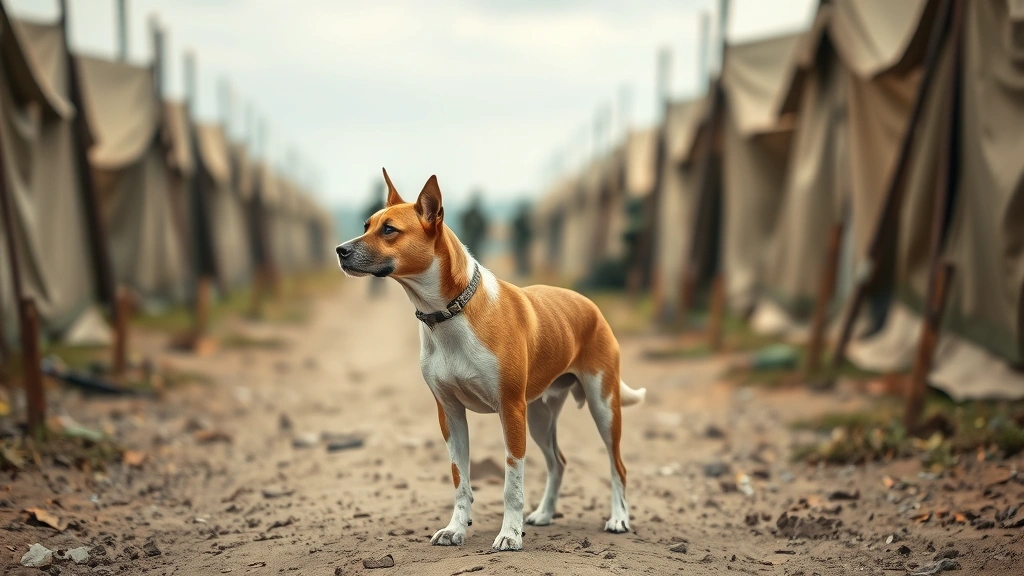
What Roles Did Dogs Play in the Civil War? A Tail Through History
When we think of the American Civil War, we conjure images of soldiers marching across battlefields, generals strategizing in tents, and the thunderous clash of armies. But there’s a crucial chapter in this pivotal moment of American history that often gets overlooked: the four-legged soldiers who served alongside their human counterparts. Dogs played surprisingly significant roles throughout the Civil War, from reconnaissance missions to providing comfort in the darkest moments of conflict. These faithful companions weren’t just mascots—they were working military assets whose contributions helped shape the course of history.
The Civil War (1861-1865) was America’s bloodiest conflict, claiming over 600,000 lives and forever changing the nation’s trajectory. Throughout this tumultuous period, dogs served in capacities that ranged from practical to deeply emotional. Whether they were alert sentries guarding encampments, swift messengers carrying crucial communications, or steadfast companions offering solace to wounded soldiers, canines proved themselves indispensable members of military units on both the Union and Confederate sides. Their story deserves recognition alongside the human heroes we celebrate.
Understanding the roles dogs played during this era not only enriches our appreciation for canine loyalty and intelligence but also highlights the remarkable bond between humans and dogs that transcends even the horrors of war. Let’s explore the fascinating history of Civil War dogs and discover how these remarkable animals left paw prints on one of America’s most defining moments.
Guard Dogs and Sentries
One of the most critical roles dogs filled during the Civil War was that of perimeter security. Military commanders recognized that canines possessed sensory capabilities far superior to humans—their acute hearing and sense of smell made them exceptional sentries. Dogs were stationed around encampments, fortifications, and supply lines to alert soldiers to approaching danger. A well-trained guard dog could detect enemy movement long before human sentries spotted anything amiss, providing precious minutes of warning that could mean the difference between victory and defeat.
These guard dogs underwent informal training to recognize the difference between friendly forces and hostile intruders. They learned to respond to hand signals and whistles, which was particularly valuable in situations where verbal commands might give away a position. Soldiers reported that dogs rarely barked without cause, making them more reliable than human guards who might be distracted, tired, or inattentive after hours of monotonous watch duty. The psychological comfort of having a vigilant dog on patrol also boosted morale among exhausted troops.
Confederate and Union forces alike deployed dogs for this purpose, though records suggest the practice was more formalized in some units than others. Certain regiments earned reputations for their exceptionally trained guard dogs, and these units became sought-after assignments for soldiers who understood the value of canine protection. Interestingly, the effectiveness of dogs as sentries was so well-recognized that military strategists would sometimes attempt to neutralize enemy dogs as part of pre-battle preparations—a testament to how seriously they took this canine advantage.

Messenger Dogs and Communication
In an era before radios and electronic communication, the Civil War military relied heavily on physical messengers to relay orders and intelligence across the battlefield. Dogs proved remarkably effective at this dangerous job. Messenger dogs, often called dispatch dogs, were trained to carry messages between command posts and units in the field. These swift canines could navigate terrain that would slow down human runners and were often harder for enemy snipers to target than human couriers.
The training required for messenger dogs was sophisticated for its time. Dogs had to learn to find specific individuals, remain calm under artillery fire, and deliver their message without becoming distracted or disoriented. Some dogs were equipped with small capsules or pouches containing written orders or intelligence reports. They were particularly valuable when lines of communication became fragmented during intense fighting, allowing commanders to maintain coordination between separated units. A dog could make a journey that might take a human messenger an hour in a fraction of that time.
What’s remarkable is that many of these messenger dogs developed such strong bonds with their handlers that they would return unerringly to find them, even in the chaos of active combat. This wasn’t mere animal instinct—it was a relationship built on training, trust, and mutual respect. Some accounts describe dogs that became so proficient at their messenger duties that soldiers would specifically request assignments where they could work with particular canines they’d trained. The reliability of these dogs made them invaluable assets that commanders couldn’t afford to lose.
If you’re curious about the intelligence and problem-solving abilities dogs demonstrate, you might find it interesting to explore more detailed accounts of Civil War canine service and how these abilities translated to military effectiveness.
Mascots and Morale Boosters
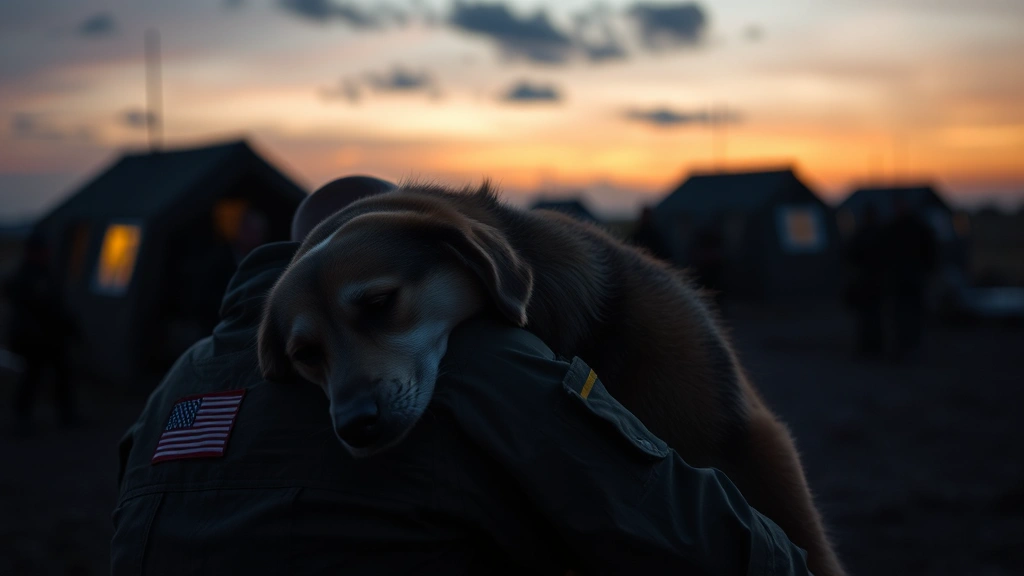
Beyond their practical military functions, dogs served an equally important psychological role as mascots and morale boosters for soldiers facing unimaginable hardship. Life in Civil War encampments was brutal—soldiers endured disease, hunger, homesickness, and the constant threat of death. The presence of a friendly dog provided emotional comfort that was genuinely therapeutic for traumatized troops. Dogs offered unconditional companionship without judgment, a respite from the horrors surrounding them.
Many regiments adopted dogs as official mascots, and these animals became beloved symbols of unit identity and pride. Soldiers would share their meager rations with camp dogs, knowing that the companionship provided was worth the sacrifice. Stories from the period describe dogs greeting soldiers returning from grueling marches, offering comfort to the wounded, and providing a reason for soldiers to smile despite overwhelming circumstances. The presence of a dog in camp became a tangible connection to home and normalcy for men far from their families.
Some of these mascot dogs became so famous that they achieved celebrity status among troops. Soldiers would write letters home describing their regiment’s dog, and these animals were sometimes included in official unit photographs. The emotional bonds formed between soldiers and their canine companions were profound and lasting. Veterans who survived the war often spoke of their regiment’s dog with the same reverence they reserved for fallen comrades, understanding that these animals had been part of something greater than themselves. For those interested in understanding the emotional intelligence of dogs, you might wonder about how dogs comprehend loss and grief, qualities that surely helped them provide comfort during wartime.
Tracking and Detection Work
Civil War dogs were also employed for tracking and detection purposes—work that required both training and natural instinct. Dogs were used to track escaped prisoners, locate deserters, and pursue fleeing enemies. Their superior sense of smell allowed them to follow trails that would be completely invisible to human trackers, making them invaluable for reconnaissance and pursuit operations. Military units recognized that a good tracking dog could accomplish in hours what might take human trackers days to achieve.
Some dogs were specifically trained for detecting hidden supplies or ammunition caches, demonstrating an early form of what we now call detection dog work. These dogs could alert handlers to the presence of gunpowder, food stores, or other military supplies hidden by the enemy. This capability proved particularly useful in operations aimed at disrupting supply lines and denying resources to opposing forces. The strategic value of dogs that could locate hidden enemy resources cannot be overstated—it directly translated to military advantage.
Detection dogs were also used to identify the presence of disease or illness in soldiers. While this wasn’t formalized to the extent it is in modern military and medical contexts, anecdotal accounts suggest that dogs could sense when a soldier was gravely ill and would remain close to them, providing comfort in their final hours. This intuitive behavior, which we now understand to be based on dogs’ ability to detect chemical changes in human bodies, demonstrated a level of canine perception that commanders and soldiers found both remarkable and deeply moving.
Notable Civil War Canines
Several individual dogs achieved legendary status during the Civil War, becoming celebrated figures in military history. One of the most famous was a dog named Jack, who served with the 11th Pennsylvania Infantry. Jack participated in numerous battles and became so renowned that he was mentioned in official military reports and newspapers of the era. His loyalty and bravery earned him recognition that transcended his humble status as a camp dog.
Another notable canine was a dog named Sallie, who served with the 11th Pennsylvania Infantry (the same regiment as Jack in some accounts, though records vary). Sallie participated in major battles including Gettysburg and was reportedly present during the battle’s most intense moments. Soldiers described her as fearless, running between lines of fire and seemingly immune to the terror that gripped even the most seasoned veterans. Sallie’s legend grew throughout the war, and she became a symbol of unwavering loyalty and courage.
There was also a famous Confederate dog named Bob, who served with Southern forces and became celebrated in Confederate accounts for his tracking abilities and sentry work. Bob reportedly saved his regiment from surprise attacks on multiple occasions through his keen senses and alert nature. After the war, Bob’s story was recorded and preserved, ensuring that his contributions to the Confederate cause were remembered by those who served alongside him.
These individual stories, while compelling, represent countless unnamed dogs whose contributions went unrecorded but were no less significant. For every dog whose name we know, there were dozens whose faithful service went unrecognized but was nonetheless crucial to the survival and success of their units. Speaking of survival and health, you might be curious about other health concerns that affect dogs—for instance, how dogs get fleas was certainly a concern during the unsanitary conditions of Civil War encampments.
Breeds Used During the War
Civil War armies didn’t have the luxury of selective breeding programs, so dogs of various breeds and mixed heritage served in military capacities. However, certain breeds proved particularly valuable due to their natural characteristics. Large, robust breeds like Mastiffs and Great Danes were preferred for guard duties because of their imposing presence and strength. These larger dogs could physically restrain or intimidate intruders and possessed the stamina necessary for long periods of vigilant duty.
Medium-sized dogs, particularly those with hunting backgrounds like Beagles and various pointer breeds, were often selected for messenger and tracking work. Their intelligence, speed, and natural tracking instincts made them ideal for these roles. Terrier breeds, known for their tenacity and alertness, were also popular as sentry dogs and mascots. The versatility of these breeds meant they could adapt to various roles as military needs dictated.
Mixed-breed dogs, often referred to as “curs” or “mongrels” in historical accounts, were surprisingly common in military service. These dogs, frequently picked up from towns and farms as armies moved through the countryside, often proved just as capable as purebreds. They brought the advantage of adaptability and resilience, having already survived challenging circumstances. Commanders learned that a dog’s value wasn’t determined by its pedigree but by its temperament, intelligence, and willingness to work alongside soldiers.
According to the American Kennel Club, many of the breeds used during the Civil War are still recognized today, though their roles have changed significantly. The military lessons learned about canine capabilities during this period influenced how armies have used dogs in subsequent conflicts.
The Challenges Dogs Faced
While dogs provided invaluable service during the Civil War, they faced extraordinary challenges and hardships. The conditions of military life were brutal for animals as well as humans. Dogs endured exposure to the elements, inadequate food supplies, disease, and the constant threat of injury or death from combat. Many dogs fell victim to the same illnesses that decimated human ranks—dysentery, typhoid, and other infectious diseases spread rapidly through encampments regardless of species.
The noise and chaos of battle created psychological trauma for dogs just as it did for soldiers. Many dogs suffered from what we would now recognize as post-traumatic stress, exhibiting behavioral changes and anxiety after experiencing intense combat. Some dogs became so shell-shocked by artillery fire that they were no longer useful for military purposes, yet soldiers often continued to care for these traumatized animals out of loyalty and compassion. The emotional bonds formed between soldiers and dogs meant that disabled or injured dogs were rarely abandoned.
Nutritional deficiencies affected military dogs severely. When human soldiers went hungry, dogs faced even greater shortages, as their needs were often considered secondary to human survival. Some dogs learned to forage independently, following armies and scavenging what they could find. The resourcefulness of Civil War dogs in surviving on minimal rations speaks to their remarkable adaptability and will to survive. Despite these hardships, many dogs served throughout the entire war, never wavering in their loyalty or commitment to their units.
The treatment of dogs varied considerably depending on individual soldiers’ attitudes and unit discipline. Some commanders recognized the value of maintaining dog welfare and ensured their animals received adequate care. Other units showed less consideration, viewing dogs as expendable resources. Overall, however, most soldiers developed genuine affection for their canine companions, and the dogs’ survival often depended on this human compassion. If you’re interested in the unique bond between dogs and humans, you might find it interesting to ponder whether dogs are better than cats—a question that Civil War soldiers might have answered based on their battlefield experiences.
Frequently Asked Questions
Did both Union and Confederate forces use dogs during the Civil War?
Yes, both Union and Confederate armies recognized the value of dogs and employed them for various military purposes. While records are more extensive for Union forces, Confederate accounts also document the use of dogs as sentries, messengers, and mascots. The practice was widespread enough that most regiments, regardless of which side they fought for, had at least one or two dogs attached to their unit.
What happened to Civil War dogs after the conflict ended?
The fate of individual dogs varied considerably. Some returned home with their soldier handlers and lived out their lives as beloved family pets. Others remained with military installations, continuing to serve in garrison duties. Many dogs that had bonded strongly with their units were cared for by soldiers even after the war ended, becoming unofficial regimental mascots in peaceful times. Some dogs, particularly those too traumatized or physically damaged to adjust to civilian life, lived out their remaining years in military care.
Were there any official military regulations regarding the use of dogs?
The military didn’t have formalized, comprehensive regulations for dog use during the Civil War in the way modern militaries do. However, individual commanders often issued orders regarding the care and use of regimental dogs. Some units maintained detailed records of their dogs’ activities and welfare, while others operated more informally. The lack of standardized regulations meant that dog welfare often depended on individual commander discretion and soldier commitment.
How were dogs trained for military service during the Civil War?
Training methods were largely informal and based on practical experience rather than systematic programs. Soldiers with dog experience or natural talent for working with animals took responsibility for training. Training focused on basic obedience, response to signals and whistles, and acclimation to battlefield conditions. Some dogs seemed naturally suited to military work, while others required patient, extended training. The most successful training programs involved building strong bonds between individual handlers and their dogs.
Are there any surviving records or documentation of specific Civil War dogs?
Yes, numerous accounts of Civil War dogs exist in regimental records, soldier letters, newspaper accounts, and post-war memoirs. The Library of Congress and various state historical societies maintain collections of Civil War documents that reference dogs. While comprehensive records don’t exist for all military dogs, enough documentation survives to provide historians with valuable insights into how dogs were used and valued during the conflict.
Did Civil War dogs receive any official recognition or honors?
While individual dogs didn’t receive formal military decorations in the modern sense, they were sometimes recognized in official reports and regimental histories. Some dogs were mentioned in dispatches or official communications commending their service. More commonly, dogs were honored through informal means—soldiers would write about them in letters, include them in unit photographs, and perpetuate their stories in post-war memoirs. This informal recognition, while not official, ensured that some Civil War dogs achieved a kind of immortality through historical record.
How do Civil War dog roles compare to modern military dog service?
Modern military dog programs are far more formalized and scientifically based than their Civil War predecessors. Today’s military dogs undergo rigorous selection and training, and their roles are highly specialized. However, the fundamental purposes remain similar—detection, tracking, security, and providing psychological support to soldiers. The ASPCA and other organizations now advocate for comprehensive care standards for military animals. Civil War dogs, despite lacking modern training methods and protections, demonstrated that canines possess innate capabilities that make them invaluable military assets across different eras.
What psychological impact did dogs have on soldiers during the war?
Dogs provided profound psychological benefits to traumatized soldiers. In an environment of constant death, disease, and hardship, the presence of a loyal, loving animal offered emotional sustenance that was genuinely therapeutic. Soldiers bonded deeply with their canine companions, and these relationships provided reasons to continue fighting, surviving, and maintaining hope. The unconditional companionship of dogs helped soldiers maintain their humanity in the face of dehumanizing conditions. Modern military psychology recognizes these benefits formally, but Civil War soldiers understood them intuitively.





