
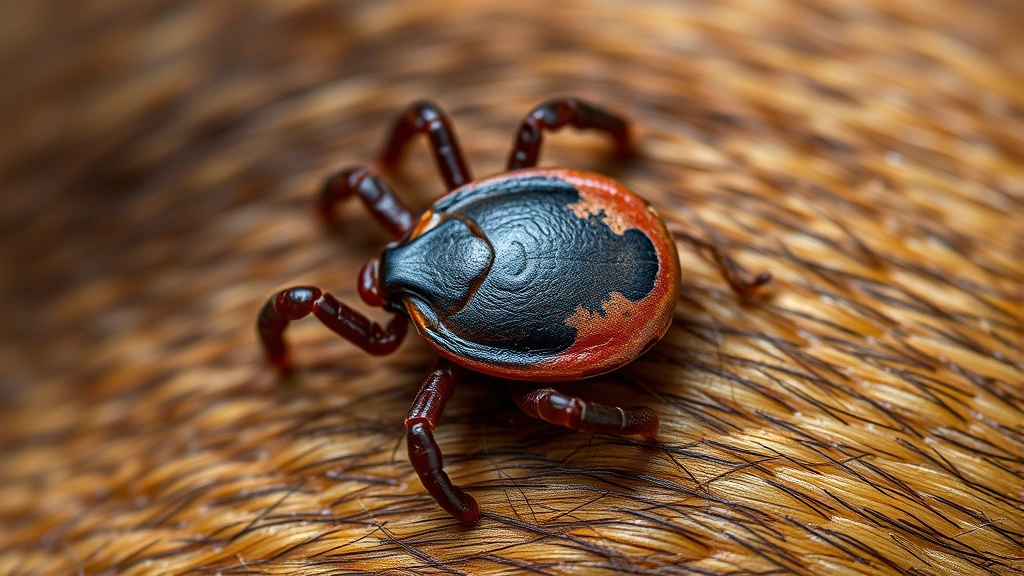
So, what are the 3 stages of lyme disease in dogs? If you’re a dog parent, this question probably keeps you up at night—especially if you live in a tick-heavy area or your pup loves rolling through the woods. Lyme disease is no joke, but understanding its progression can help you catch it early and keep your furry friend healthy.
Table of Contents
- Understanding Lyme Disease in Dogs: The Basics
- Stage 1: The Early Localized Stage (Days 1-30)
- Stage 2: The Early Disseminated Stage (Weeks 2-12)
- Stage 3: The Late Disseminated Stage (Months 2+)
- Recognizing Symptoms Across All Stages
- Diagnosis: How Your Vet Confirms Lyme Disease
- Treatment Options for Each Stage
- Prevention: The Best Medicine
- Long-Term Prognosis and Management
- Special Considerations for High-Risk Breeds and Areas
- When to Call Your Vet Immediately
- Summary: The Three Stages at a Glance
- Frequently Asked Questions
Lyme disease in dogs is caused by the bacterium Borrelia burgdorferi, transmitted through infected tick bites. The disease progresses through distinct stages, and knowing what to look for at each phase could literally save your dog’s life. Let’s break it down so you can become a Lyme disease expert and protect your four-legged bestie.
Understanding Lyme Disease in Dogs: The Basics
Before we dive into the three stages, let’s get the fundamentals down. Lyme disease affects dogs differently than it affects humans. While humans might get that telltale bull’s-eye rash, dogs rarely show visible skin signs. Instead, your pup might just seem a little off—and that’s where things get tricky.
Ticks carrying the Lyme disease bacterium are usually found in wooded areas, tall grass, and brush. A tick needs to be attached for about 24-48 hours to transmit the infection, which is why checking your dog after outdoor adventures is absolutely crucial. The disease can affect your dog’s joints, heart, kidneys, and nervous system, making early detection essential.
Stage 1: The Early Localized Stage (Days 1-30)
The first stage of Lyme disease in dogs typically occurs within the first month after infection. During this early localized stage, the bacteria is still concentrated around the tick bite site. Here’s what you might notice:
Your dog might develop a rash or skin irritation at the bite location, though this is less common in dogs than in humans. Some pups experience mild fever, lethargy, or loss of appetite. You might also notice swollen lymph nodes near the bite area. The symptoms can be subtle, which is why many dog owners miss this stage entirely.

The tricky part? Many dogs show absolutely no symptoms during stage 1. The infection could be silently spreading while your pup acts completely normal. This is why consulting with veterinary professionals from the AKC about tick prevention is so important.
Stage 2: The Early Disseminated Stage (Weeks 2-12)
Now we’re getting into the second stage, where things start to get more serious. During the early disseminated stage, the bacteria spreads throughout your dog’s body via the bloodstream. This is when symptoms become more noticeable and varied.
Your dog might experience:
- Lameness and limping (often shifting between legs)
- Joint pain and swelling
- Fever
- Fatigue and reluctance to exercise
- Loss of appetite
- Swollen lymph nodes
- Stiffness, especially after rest
The joint pain is particularly characteristic of this stage. Your dog might limp on one leg for a few days, then suddenly favor a different leg. This “shifting lameness” is a classic sign of Lyme disease. Some dogs develop arthritis-like symptoms that can be confused with other conditions.
This is also when you should consider getting professional guidance from PetMD about treatment options. Early antibiotic therapy during this stage can prevent progression to stage 3.

Stage 3: The Late Disseminated Stage (Months 2+)
The third and most serious stage occurs months after initial infection if the disease goes untreated. During the late disseminated stage, the bacteria has spread extensively throughout your dog’s body, potentially affecting multiple organ systems. This is where chronic, serious complications develop.
Symptoms in stage 3 include:
- Chronic arthritis and joint degeneration
- Kidney disease (Lyme nephritis)
- Heart problems and arrhythmias
- Neurological issues (confusion, behavioral changes)
- Chronic pain and inflammation
- Severe lameness that doesn’t respond to treatment
Lyme nephritis—kidney inflammation caused by Lyme disease—is particularly concerning. It can lead to kidney failure and is one of the most serious complications. Dogs with stage 3 disease may require long-term management and ongoing treatment.
Recognizing Symptoms Across All Stages
The symptoms of Lyme disease in dogs can overlap between stages, and some pups might skip ahead or show atypical signs. Generally, watch for:
Joint-related symptoms: Lameness, limping, reluctance to jump or play, stiffness after rest. These symptoms might improve with rest and worsen with activity.

Systemic symptoms: Fever, lethargy, loss of appetite, weight loss, swollen lymph nodes.
Behavioral changes: Irritability, anxiety, or depression (especially in later stages).
The challenge is that these symptoms can mimic other conditions like arthritis, hip dysplasia, or general malaise. This is why getting a proper diagnosis from your vet is essential. Don’t rely on symptom-spotting alone—professional testing is necessary.
Diagnosis: How Your Vet Confirms Lyme Disease
Your veterinarian will likely perform a combination of tests to diagnose Lyme disease. The most common approach includes:
ELISA test (Enzyme-Linked Immunosorbent Assay): This blood test detects antibodies to the Lyme disease bacterium. It’s quick and relatively inexpensive, though it can produce false positives.

Western blot test: This more specific test confirms positive ELISA results by detecting specific antibodies.
C6 test: A newer, more specific blood test that looks for antibodies to a specific protein found in the Lyme disease bacterium.
Your vet might also recommend a urinalysis to check for kidney involvement, especially if your dog is in a later stage. Physical examination, medical history, and symptom assessment all play important roles in diagnosis.
Treatment Options for Each Stage
The good news? Lyme disease is treatable, especially in the early stages. Treatment typically involves antibiotics, with doxycycline being the most common choice. The earlier you catch the disease, the better the outcome.
Stage 1 treatment: A course of antibiotics (usually 2-4 weeks) can eliminate the infection before it spreads.

Stage 2 treatment: Longer antibiotic courses (4-6 weeks) are typically necessary. Some dogs might need additional anti-inflammatory medications for joint pain.
Stage 3 treatment: This becomes more complex. Long-term antibiotics might be necessary, along with pain management, anti-inflammatory drugs, and treatment for specific organ involvement (like kidney disease management). Some cases require specialized veterinary care from university veterinary schools.
Supportive care is important at all stages. This might include rest, physical therapy, pain management, and dietary adjustments. Your vet might recommend turmeric for dogs as a natural anti-inflammatory supplement, though always check with your vet first.
Prevention: The Best Medicine
Here’s the reality: preventing Lyme disease is way easier than treating it. Tick prevention should be year-round, especially in endemic areas. Options include:
Topical treatments: Monthly applications like Frontline or Seresto collars provide reliable tick prevention.

Oral medications: Prescription options like Simparica or NexGard are highly effective.
Vaccines: A Lyme disease vaccine is available for dogs and might be recommended if you live in high-risk areas.
Environmental control: Keep your yard tick-free by removing leaf litter, keeping grass short, and avoiding dense brush.
Post-adventure checks: After hiking or outdoor time, thoroughly check your dog’s entire body for ticks, paying special attention to ears, armpits, and between toes.
Long-Term Prognosis and Management
Dogs diagnosed and treated in stages 1 or 2 typically have excellent prognoses. Many return to completely normal lives after completing their antibiotic course. However, some dogs might experience lingering joint issues or require periodic monitoring.

Dogs with stage 3 disease face a more complicated road. While antibiotics can stop the bacterial infection, organ damage might be permanent. Dogs with Lyme nephritis require ongoing kidney function monitoring and might need dietary modifications or additional medications.
The key is consistent management, regular veterinary check-ups, and continued tick prevention. Some dogs with late-stage disease manage well for years with proper care, while others might face progressive complications.
Special Considerations for High-Risk Breeds and Areas
Certain breeds seem more susceptible to severe Lyme disease complications, though any dog can get infected. Dogs that spend significant time outdoors—hunting dogs, working breeds, or adventure buddies—face higher exposure risks.
If you live in endemic areas (Northeast, Midwest, and Pacific Coast regions have high tick populations), aggressive prevention is non-negotiable. Talk to your vet about which prevention methods work best for your specific situation and lifestyle.
When to Call Your Vet Immediately
Don’t wait for a regular appointment if your dog shows these signs:

- Sudden severe lameness or inability to walk
- High fever (over 103°F)
- Difficulty breathing
- Collapse or loss of consciousness
- Severe behavioral changes
- Loss of appetite lasting more than 24 hours
These could indicate stage 2 or 3 disease complications or other serious conditions requiring immediate attention.
Summary: The Three Stages at a Glance
Stage 1 (Early Localized): Days 1-30, localized symptoms, often asymptomatic, high treatment success rate.
Stage 2 (Early Disseminated): Weeks 2-12, systemic spread, joint pain and fever, still very treatable with antibiotics.
Stage 3 (Late Disseminated): Months 2+, organ involvement, chronic symptoms, requires long-term management.
Understanding these stages empowers you to recognize Lyme disease early and get your dog the treatment they need. Combined with aggressive tick prevention, you can significantly reduce your dog’s risk of contracting this disease.
Frequently Asked Questions
Can dogs recover completely from Lyme disease?
Yes, dogs treated in stages 1 or 2 typically recover completely. Dogs caught in stage 3 might have permanent organ damage but can often manage well with ongoing care.
How long does Lyme disease treatment take?
Early-stage treatment usually lasts 2-4 weeks. Later stages might require 4-6 weeks or longer of antibiotic therapy.
Is Lyme disease contagious between dogs?
No, Lyme disease cannot spread directly from dog to dog. It’s only transmitted through infected tick bites.
What’s the cost of treating Lyme disease?
Early treatment might cost $300-$500 for diagnostics and antibiotics. Late-stage treatment involving multiple specialists or ongoing kidney management can exceed $2,000-$5,000+ annually.
Can my dog get Lyme disease more than once?
Technically yes, though immunity develops after infection. However, prevention is still crucial since reinfection is possible.
Should I get my dog vaccinated against Lyme disease?
Discuss this with your vet based on your location and lifestyle. The vaccine is recommended in high-risk endemic areas.





