
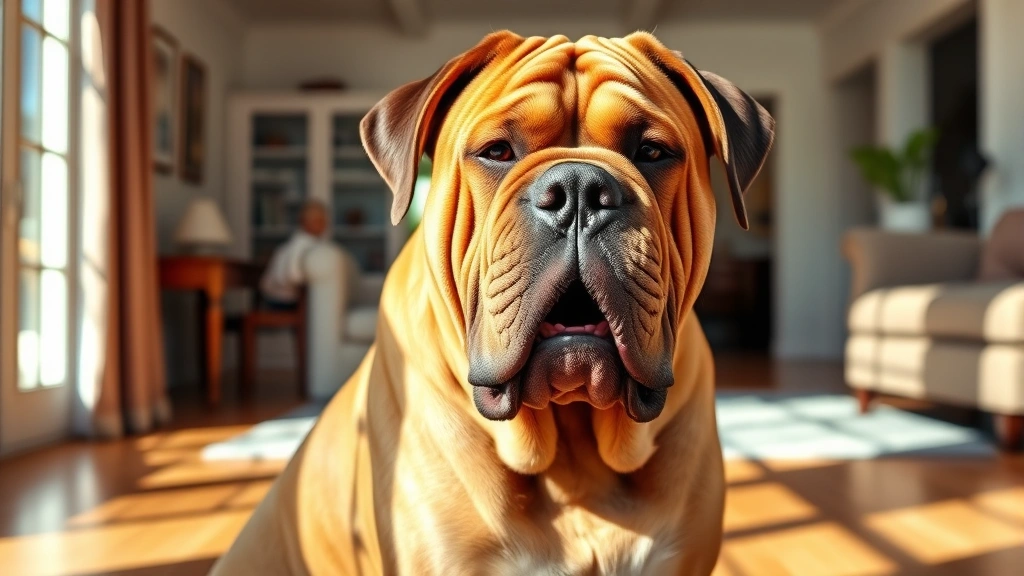
If you’ve ever wondered what breed of dog was Hooch, you’re not alone! This lovable, drool-machine of a pooch captured hearts in the 1989 buddy cop film “Turner & Hooch,” and dog lovers have been obsessed ever since. Spoiler alert: Hooch was a Bordeaux Mastiff (also called a French Mastiff), and he’s basically the canine equivalent of a furry tank with the sweetest disposition imaginable. Let’s dive deep into everything you need to know about this magnificent breed.
Table of Contents
- The Bordeaux Mastiff: Meet Hooch’s Breed
- Hooch’s Physical Characteristics and Size
- Personality Traits: Why Hooch Stole Our Hearts
- Training and Temperament of Bordeaux Mastiffs
- Health Considerations for the Breed
- Hooch’s Impact on Bordeaux Mastiff Popularity
- Comparing Bordeaux Mastiffs to Other Large Breeds
- Living with a Bordeaux Mastiff: Practical Considerations
- Finding a Reputable Bordeaux Mastiff Breeder
- Hooch’s Legacy in Popular Culture
- Training Your Own Hooch: Tips for Success
- Frequently Asked Questions
- Conclusion: Understanding the Hooch Phenomenon
The Bordeaux Mastiff: Meet Hooch’s Breed
The Bordeaux Mastiff, also known as the French Mastiff or Dogue de Bordeaux, is one of the most distinctive and impressive dog breeds on the planet. These massive pups are known for their powerful build, wrinkled faces, and an almost comical amount of drool. When Hooch hit the big screen, the Bordeaux Mastiff became an instant celebrity, and for good reason. This ancient breed hails from France and has been around for centuries, originally bred as a guardian and hunting dog.
What makes the Bordeaux Mastiff so special is their unique combination of strength and gentleness. Despite their intimidating size, they’re actually incredibly loyal, affectionate, and patient—qualities that made Hooch the perfect costar for Tom Hanks. The breed’s distinctive appearance includes a large head, a powerful jaw, and those adorable wrinkles that make them look like they’re perpetually pondering life’s biggest questions.
Hooch’s Physical Characteristics and Size
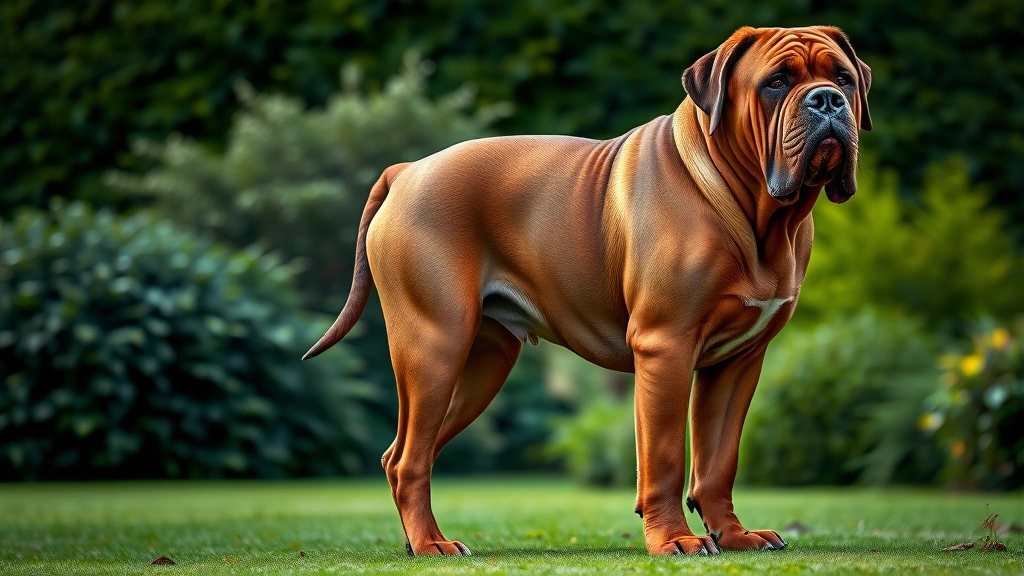
Let’s talk about the elephant in the room—or rather, the massive dog. Bordeaux Mastiffs are seriously big. Males typically weigh between 110 to 145 pounds, while females are slightly smaller at 99 to 110 pounds. Hooch, the movie star, was on the larger end of that spectrum, which is why he looked absolutely enormous standing next to Tom Hanks. These are dogs that require plenty of space and aren’t exactly lap dogs, despite their desire to be.
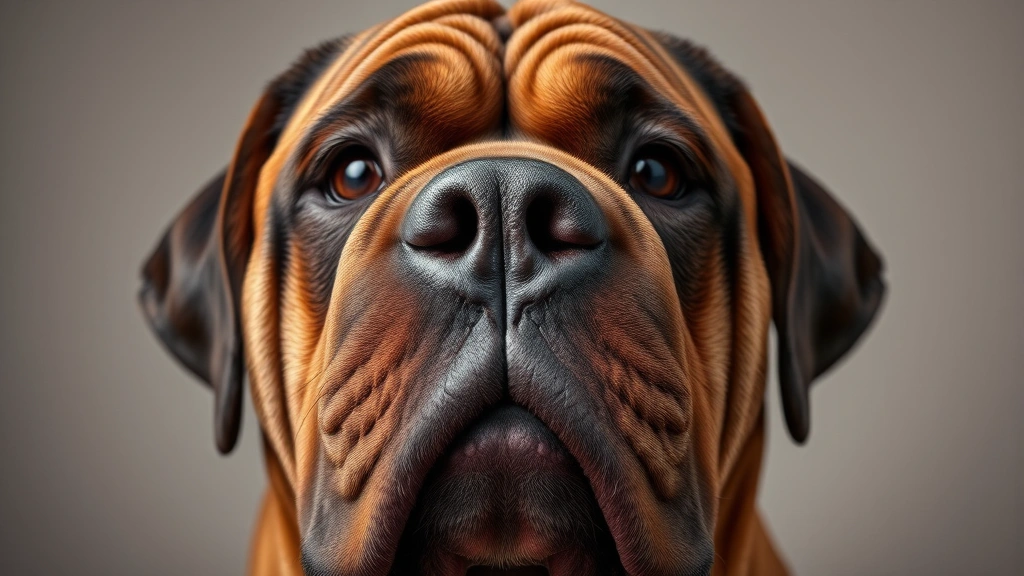
The breed’s coloring is typically a uniform fawn or mahogany red, with a black or brown mask on the face. Hooch’s distinctive appearance, with those deep-set eyes and that characteristic underbite, became the blueprint for what people imagine when they think of the breed. Their short coat requires minimal grooming, but that drool? Well, that requires constant vigilance and an endless supply of towels. If you’re considering a Bordeaux Mastiff, invest in a good drool-resistant furniture cover.
Personality Traits: Why Hooch Stole Our Hearts
The magic of Hooch wasn’t just his appearance—it was his personality. Bordeaux Mastiffs are known for being gentle giants with surprisingly sweet temperaments. They’re incredibly loyal to their families and form strong bonds with their owners. Despite their intimidating size and powerful build, they’re actually quite sensitive and affectionate dogs that thrive on human companionship.
These dogs are patient and good with children, making them excellent family pets despite their massive size. They’re not aggressive by nature; in fact, they’re more likely to greet a burglar with enthusiasm than aggression. Hooch perfectly embodied this contradiction—a huge, powerful dog who just wanted to cuddle and be loved. Their playful nature and willingness to please make them surprisingly easy to train, though their independent streak can sometimes surface.
Training and Temperament of Bordeaux Mastiffs
One of the reasons Hooch was such a perfect movie dog was the breed’s natural intelligence and trainability. Bordeaux Mastiffs are smart cookies who genuinely want to make their owners happy. However, they do have an independent streak, so consistent, positive reinforcement training is essential. These aren’t dogs that respond well to harsh corrections; instead, they thrive with patience, consistency, and plenty of praise.
The breed’s calm demeanor makes them excellent candidates for large breed dog food routines and structured training programs. They’re naturally protective of their families without being overly aggressive, making them reliable watchdogs. Early socialization is crucial to ensure they’re comfortable around strangers and other pets. Hooch’s friendly nature in the movies wasn’t just Hollywood magic—it’s actually representative of how well-adjusted, properly socialized Bordeaux Mastiffs behave.
Health Considerations for the Breed
While Bordeaux Mastiffs are generally hardy dogs, they do have some breed-specific health concerns that potential owners should be aware of. Hip dysplasia, elbow dysplasia, and heart conditions are relatively common in the breed. Their large size means they’re prone to bloat, a serious and potentially life-threatening condition that requires immediate veterinary attention. Additionally, their deep wrinkles, while adorable, require regular cleaning to prevent skin infections.
The breed’s lifespan is typically shorter than smaller dogs, ranging from 5 to 8 years on average. This is something to seriously consider before bringing a Bordeaux Mastiff into your home. Regular veterinary checkups, a healthy diet, and appropriate exercise are essential for maintaining their health. If you’re considering this breed, consult with reputable breeders who conduct health testing on their dogs and can provide documentation of health clearances.
Hooch’s Impact on Bordeaux Mastiff Popularity
Before “Turner & Hooch” hit theaters in 1989, the Bordeaux Mastiff was a relatively obscure breed in North America. The movie changed everything. Suddenly, everyone wanted a dog like Hooch. The film’s success led to a significant increase in breed registrations and popularity, though this also brought challenges. Some irresponsible breeders capitalized on the trend, leading to health and temperament issues in poorly bred dogs.
The movie showed the world that despite their massive size and intimidating appearance, Bordeaux Mastiffs are loving, loyal companions. Hooch’s character development throughout the film—from a seemingly undisciplined troublemaker to a devoted friend—resonated with audiences and helped establish the breed’s reputation as gentle giants. Even decades later, people still reference Hooch when discussing the breed, which speaks to the lasting impact of that iconic canine performance.
Comparing Bordeaux Mastiffs to Other Large Breeds
While the Bordeaux Mastiff is certainly impressive, how do they stack up against other large breed dogs? Compared to German Shepherds or Labrador Retrievers, Bordeaux Mastiffs are significantly heavier and more powerful. They share some similarities with other Mastiff types, like English Mastiffs and Neapolitan Mastiffs, but each has distinct characteristics. You might also want to explore medium outside dog breeds if you’re looking for something with a bit less mass but similar loyalty.
The key difference between Bordeaux Mastiffs and other large breeds is their calm, laid-back nature combined with their incredible strength. They’re not as energetic as German Shepherds or as food-motivated as Labradors. Instead, they’re content to lounge around the house, being present and loving. If you’re considering a large breed dog, the Bordeaux Mastiff’s lower exercise requirements compared to other giant breeds might actually make them a better fit for your lifestyle.
Living with a Bordeaux Mastiff: Practical Considerations
So you’ve decided you want your own Hooch? Here’s what you need to know about living with a Bordeaux Mastiff. First, space is important. While they don’t require extensive exercise, they do need room to move around comfortably. A house with a yard is ideal, though they can adapt to apartment living if they get regular walks. Second, be prepared for the drool. Seriously. Bring a towel everywhere.
Feeding a Bordeaux Mastiff is a significant expense. These large dogs require substantial amounts of quality food, and investing in large breed dog food formulated specifically for their needs is crucial for their health. Grooming is relatively straightforward thanks to their short coat, but regular nail trimming, ear cleaning, and wrinkle maintenance are essential. Veterinary costs will also be higher than for smaller breeds, particularly as they age.
Finding a Reputable Bordeaux Mastiff Breeder
If you’re seriously considering adding a Bordeaux Mastiff to your family, finding a reputable breeder is absolutely critical. Avoid puppy mills and backyard breeders at all costs. Look for breeders who are members of breed clubs, conduct health testing on their dogs, and can provide references. Reputable breeders will ask you questions about your lifestyle and living situation to ensure their puppies go to appropriate homes.
According to the American Kennel Club (AKC), responsible breeders should provide health clearances for hip and elbow dysplasia, cardiac evaluations, and eye certifications. Don’t be afraid to ask questions about the parents’ temperaments, health histories, and any genetic issues in their lines. A good breeder will be transparent and genuinely interested in the long-term wellbeing of their puppies. Rescue organizations and breed-specific rescues are also excellent options for finding a Bordeaux Mastiff in need of a home.
Hooch’s Legacy in Popular Culture
More than three decades after “Turner & Hooch” first premiered, Hooch remains one of the most iconic movie dogs of all time. The character’s loyalty, humor, and heart made the film memorable, and the Bordeaux Mastiff breed will forever be associated with that lovable character. The 2021 Disney+ reboot, “Turner & Hooch,” introduced a new generation to the breed, complete with a new Bordeaux Mastiff cast member.
The original Hooch was actually played by multiple dogs throughout filming, as is standard practice in the film industry. The dogs used were trained extensively to perform their scenes, and their handlers worked closely with the film crew to ensure their safety and comfort. The dedication to getting the character right paid off—Hooch became a beloved figure in cinema history and helped establish the Bordeaux Mastiff as a breed that audiences could connect with emotionally.
Training Your Own Hooch: Tips for Success
If you bring home your own Bordeaux Mastiff, you’ll want to approach training with patience and positivity. These dogs respond best to reward-based training methods. Start with basic obedience commands like sit, stay, and come. Given their size, having reliable recall and impulse control is essential for safety. Consistency is key—make sure everyone in your household uses the same commands and rules.
Socialization should begin early and continue throughout the dog’s life. Expose your Bordeaux Mastiff to different people, environments, and experiences to ensure they develop into well-adjusted adults. Puppy training classes are a great way to build a foundation and connect with other dog owners. Remember, these are sensitive dogs that thrive on positive reinforcement and clear communication. Harsh corrections or punishment will damage your relationship with your dog and may lead to behavioral issues.
Frequently Asked Questions
What breed of dog was Hooch in the movie?
Hooch was a Bordeaux Mastiff, also known as a French Mastiff or Dogue de Bordeaux. This large, powerful breed is known for its distinctive wrinkled face, powerful build, and gentle temperament. The breed became significantly more popular after the 1989 film “Turner & Hooch” starring Tom Hanks.
How much does a Bordeaux Mastiff cost?
Bordeaux Mastiff puppies from reputable breeders typically cost between $1,500 and $4,000, though prices can vary significantly based on pedigree, health certifications, and breeder reputation. Additional costs include food, veterinary care, training, and supplies. If you’re interested in comparing costs with other breeds, you might want to check out information about Kangal dog price for perspective on large breed pricing.
Are Bordeaux Mastiffs good family dogs?
Yes, Bordeaux Mastiffs make excellent family dogs despite their massive size. They’re gentle, patient, and loyal, and they typically do well with children. However, their size means supervision is necessary around small children, and they require proper training and socialization. They’re not high-energy dogs, making them suitable for families who prefer a more laid-back companion.
How long do Bordeaux Mastiffs live?
Bordeaux Mastiffs have a relatively short lifespan for a dog breed, typically living between 5 and 8 years. This is something potential owners should seriously consider before bringing one into their home. Providing excellent nutrition, regular veterinary care, and appropriate exercise can help maximize their quality of life.
Do Bordeaux Mastiffs require a lot of exercise?
Unlike some large breeds, Bordeaux Mastiffs don’t require extensive exercise. They’re relatively calm and content to lounge around the house. However, regular daily walks and some playtime are still important for their physical and mental health. They’re not suited for very active families that want a jogging or hiking companion.
What makes Bordeaux Mastiffs drool so much?
The Bordeaux Mastiff’s excessive drooling is due to their loose lips and large jowls. Saliva naturally accumulates in their mouth and drips out, especially after eating, drinking, or when they’re excited. This is a breed characteristic and something owners need to be prepared for. Having towels readily available is absolutely essential.
Conclusion: Understanding the Hooch Phenomenon
So, to answer the question once and for all: what breed of dog was Hooch? He was a magnificent Bordeaux Mastiff, a breed that captivated audiences and became forever linked with the lovable character from “Turner & Hooch.” These gentle giants are powerful, loyal, and surprisingly affectionate dogs that make wonderful family companions for the right people.
If you’re considering bringing a Bordeaux Mastiff into your life, understand that you’re committing to a dog with unique needs and a shorter lifespan than many other breeds. But if you’re ready for the drool, the expenses, and the space requirements, you’ll get a devoted, loving companion who’ll be your shadow and your best friend. Hooch may have been a movie star, but the real magic of the breed is in their everyday loyalty and gentle nature. Whether you’re watching the original film or the Disney+ reboot, remember that behind that wrinkly face and endless drool is a heart full of love—just like Hooch himself.





