
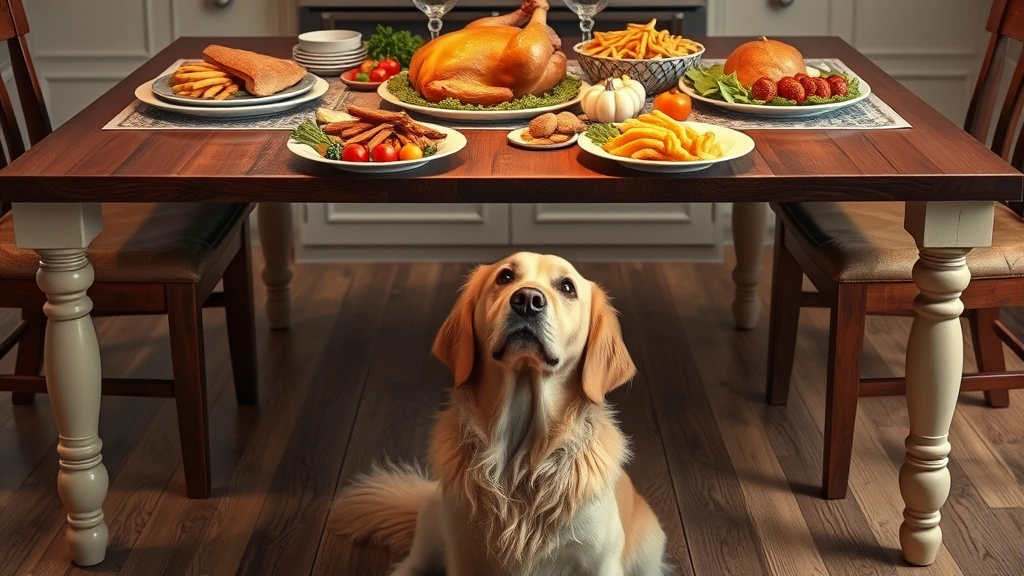
Wondering what can dogs eat on Thanksgiving? The holiday season is here, and your furry friend is probably giving you those irresistible puppy-dog eyes from under the dinner table. Before you slip Fido a plate of everything on yours, pump the brakes! Not all Thanksgiving foods are dog-friendly, and some can actually make your pup seriously sick. The good news? There are plenty of delicious, safe options that’ll let your dog join the feast without ending up at the emergency vet clinic.
Table of Contents
- The Thanksgiving Turkey: Your Dog’s Best Friend (Kind Of)
- Sweet Potatoes: The Orange Superfood Dogs Actually Crave
- Vegetables: The Crunchy Crowd Your Dog Can Enjoy
- Cranberry Sauce: The Tricky Condiment
- Eggs: The Protein Powerhouse
- Foods That’ll Make Your Dog Sick: The Thanksgiving NO-NOs
- Desserts and Baked Goods: A Hard Pass
- Plant-Based Proteins: What About Tofu and Alternatives?
- Portion Control: How Much Can Your Dog Actually Eat?
- Spices and Seasonings: The Silent Killers
- Creating a Dog-Safe Thanksgiving Plate
- Frequently Asked Questions
- The Bottom Line: Keep It Simple and Safe
The Thanksgiving Turkey: Your Dog’s Best Friend (Kind Of)
Let’s start with the star of the show—turkey! Plain, cooked turkey breast is absolutely safe for dogs and actually makes a fantastic protein-packed treat. Your dog can enjoy turkey meat without the skin, bones, or any seasoning. The skin is too fatty and can cause pancreatitis, while bones splinter and create choking hazards or intestinal blockages. If you’re serving venison or game birds instead, the same rules apply: plain, boneless, unseasoned meat only. Skip the gravy—it’s loaded with fat, sodium, and sometimes garlic or onion powder, which are toxic to dogs.
Sweet Potatoes: The Orange Superfood Dogs Actually Crave
Here’s where Thanksgiving gets fun for your pup. Plain, cooked sweet potatoes are not only safe but genuinely nutritious for dogs. They’re packed with fiber, vitamins, and antioxidants. You can serve them mashed, cubed, or even frozen as a refreshing treat. Skip the marshmallow topping, brown sugar, and butter though—those additions turn a healthy side dish into a sugar bomb that’ll upset your dog’s stomach and waistline. Plain roasted or boiled sweet potatoes are the way to go.
Vegetables: The Crunchy Crowd Your Dog Can Enjoy
Many Thanksgiving veggies are totally dog-safe when prepared correctly. Carrots, green beans, peas, and Brussels sprouts are all great options. Carrots are especially brilliant because they’re low-calorie, crunchy, and help clean your dog’s teeth. Pumpkin puree (not pie filling) is another winner—it aids digestion and tons of vets recommend it for both constipation and diarrhea. Just make sure everything is plain, unseasoned, and cooked without butter or oil. Raw vegetables work too if your dog can handle them; some pups prefer the crunch anyway.
Cranberry Sauce: The Tricky Condiment
Fresh cranberries are safe for dogs in small amounts, but cranberry sauce is usually loaded with sugar and sometimes artificial sweeteners like xylitol, which is extremely toxic to dogs—even in tiny quantities. If you want to give your dog cranberries, stick to fresh, unsweetened ones. A few berries won’t hurt, but they’re acidic and can upset sensitive stomachs. When in doubt, skip it entirely.
Eggs: The Protein Powerhouse
If your Thanksgiving spread includes scrambled eggs, your dog can definitely have some plain, cooked eggs without butter, salt, or seasoning. Eggs are an excellent source of protein and contain choline, which supports brain health. They’re safe whether served scrambled, boiled, or fried (though fried is less healthy). Just keep them plain—no cheese, bacon bits, or onions.
Foods That’ll Make Your Dog Sick: The Thanksgiving NO-NOs
Now for the serious stuff. Several common Thanksgiving foods are genuinely dangerous for dogs. Anything with garlic, onions, or onion powder is toxic—these damage red blood cells and can cause hemolytic anemia. Chocolate, grapes, raisins, and foods containing xylitol are also on the danger list. Avocado contains persin, which can cause vomiting and diarrhea. Alcohol, even in small amounts, is poisonous to dogs. Macadamia nuts cause weakness and tremors. Fatty foods like gravy, buttered vegetables, and skin can trigger pancreatitis, an inflammation of the pancreas that requires veterinary treatment. Bones—whether from the turkey, ham, or ribs—splinter and cause blockages or perforations. Stuffing usually contains onions, garlic, and seasonings, so it’s off-limits too.
Desserts and Baked Goods: A Hard Pass
Pie, cake, cookies, and other desserts are almost always unsafe for dogs. Chocolate is toxic, xylitol is lethal, and the sugar and fat content will upset your dog’s digestive system. Even pumpkin pie, which sounds harmless, contains spices and sugar that dogs don’t need. If you want to give your dog a sweet treat, stick to plain pumpkin puree or a dog-safe peanut butter treat (make sure it doesn’t contain xylitol).
Plant-Based Proteins: What About Tofu and Alternatives?
If you’re serving vegetarian or vegan options, plain tofu is safe for dogs in moderation. It’s a decent protein source and easy to digest. However, most meat substitutes contain seasonings, garlic, onion, or other additives that make them unsafe. Always check the ingredient list before offering anything plant-based to your pup. Plain, unseasoned tofu is your safest bet if you’re going the vegetarian route.
Portion Control: How Much Can Your Dog Actually Eat?
Just because something is safe doesn’t mean your dog should eat unlimited amounts. Thanksgiving foods are often richer and higher in fat and sodium than your dog’s regular diet. Treats (including Thanksgiving foods) should make up no more than 10% of your dog’s daily caloric intake. For most dogs, this means a few small bites of turkey, a small handful of green beans, or a tablespoon of pumpkin puree. Large breed dogs might handle slightly more—check out our guide to large breed dog food for portion recommendations based on size. Anything more than that risks digestive upset, pancreatitis, or obesity.
Spices and Seasonings: The Silent Killers
This is crucial: most Thanksgiving dishes are seasoned heavily with salt, pepper, garlic, onion, and spices. While a tiny pinch of some spices like ginger might be okay, most seasonings irritate dog digestive systems or are outright toxic. Nutmeg, in particular, can cause neurological issues. The safest approach is to set aside a plain portion of turkey, vegetables, or other foods before seasoning and cooking. Your dog won’t care that it’s bland—they’ll be thrilled either way.
Creating a Dog-Safe Thanksgiving Plate
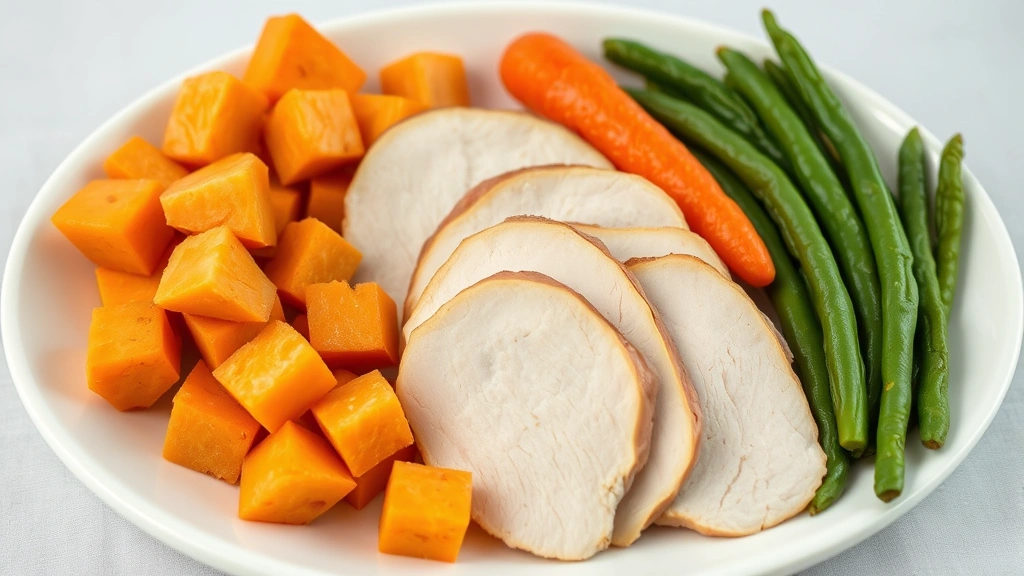
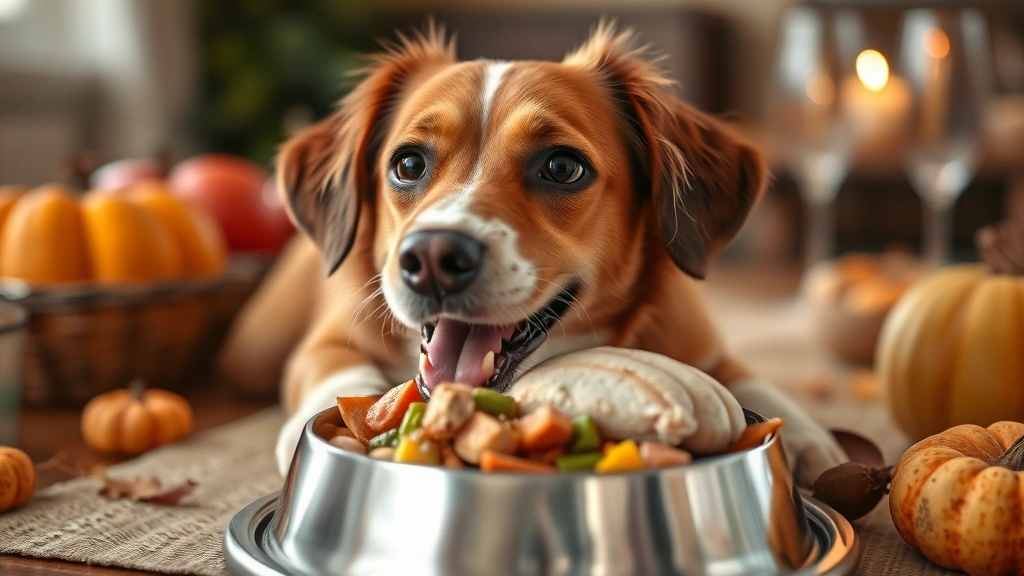
Here’s your game plan for including your pup in Thanksgiving celebrations safely. Before your meal is cooked, set aside a small portion of turkey breast. Cook it plain with no seasoning, oil, or butter. Prepare a small serving of plain sweet potato or regular potato (no butter or sour cream). Add some steamed carrots, green beans, or peas on the side. If you want to get fancy, crumble in a little plain cooked egg. Serve it all on a separate plate at room temperature or slightly warm. Your dog gets a festive meal, you get peace of mind knowing they won’t end up at the emergency clinic, and everyone wins.
Frequently Asked Questions
Can dogs eat turkey skin?
No, turkey skin is too fatty and can cause pancreatitis, a painful inflammation of the pancreas. Stick to plain turkey breast meat only.
Is stuffing safe for dogs?
Traditional stuffing contains onions, garlic, and seasonings that are toxic to dogs. It’s not safe, even in small amounts.
What should I do if my dog eats something toxic?
Contact your veterinarian or the ASPCA Animal Poison Control Center (888-426-4435) immediately. Don’t wait to see if symptoms develop—some toxins cause delayed reactions.
Can dogs have green bean casserole?
Only if it’s made with plain green beans and no cream sauce, fried onions, or seasonings. Most casserole recipes include ingredients that are unsafe for dogs.
Is pumpkin pie safe for dogs?
No, pumpkin pie contains sugar, spices, and often xylitol or chocolate. Plain pumpkin puree is safe, but pie filling is not.
How much turkey can my dog eat?
A few small pieces (roughly 1-2 ounces for medium dogs) is plenty. Treats should be no more than 10% of daily calories.
Can dogs eat cranberry sauce?
No, cranberry sauce is loaded with sugar and sometimes contains xylitol, which is toxic. Fresh cranberries in tiny amounts are okay, but sauce is off-limits.
What if my dog has a sensitive stomach?
Stick to plain, single-ingredient foods like turkey breast or sweet potato. Skip anything with seasonings, sauces, or multiple ingredients that might cause digestive upset.
The Bottom Line: Keep It Simple and Safe
Thanksgiving is all about gratitude and togetherness, and yes, that includes your furry family member. But the best way to show your dog love is by keeping them healthy and safe. Plain turkey, sweet potatoes, and simple vegetables make excellent Thanksgiving treats without the risk. Skip the seasonings, gravy, bones, and rich sides. If you’re unsure whether something is safe, err on the side of caution—your dog’s regular kibble is always a safe fallback. With a little planning, you can include your pup in the celebration while avoiding a holiday trip to the emergency vet. Now go enjoy that turkey, and let your dog enjoy their plain, boring-but-safe portion. Everyone’s happy, and nobody gets sick. That’s the real Thanksgiving miracle.





