
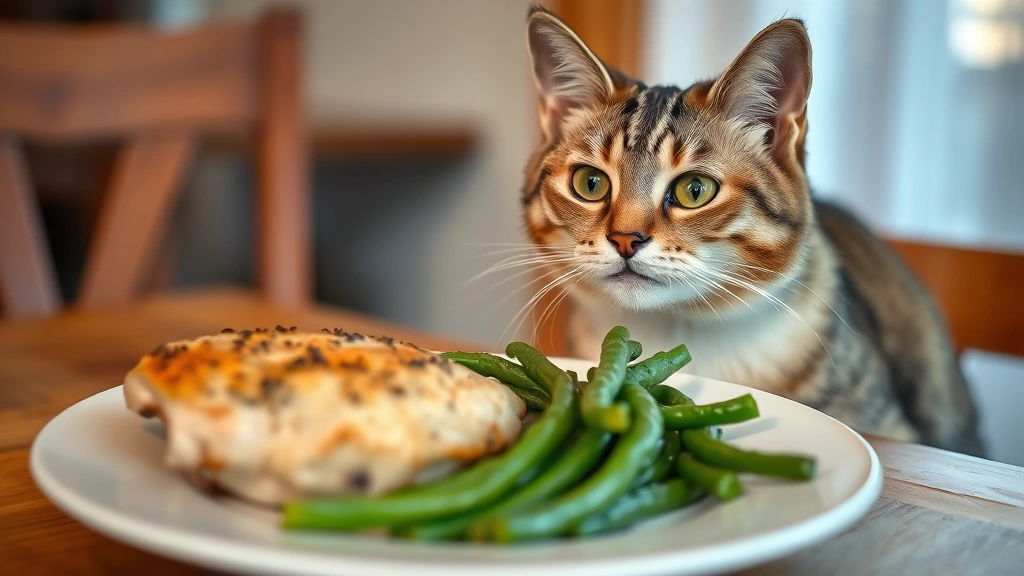
So you’re sitting at the dinner table with a delicious meal, and your cat gives you that irresistible stare—the one that says, ‘I know you have something good, and I deserve it.’ Before you cave to those puppy-dog eyes (yes, cats are masters of manipulation), let’s talk about what can I feed my cat from my plate without turning your furry friend into a furry disaster.
Table of Contents
- The Golden Rule: Human Food for Cats Should Be Occasional, Not Daily
- Safe Proteins: The Crown Jewels of Cat Snacking
- Vegetables: The Surprisingly Okay Option
- Fruits: The Sweet Treat Debate
- Dairy: The Lactose Intolerance Reality Check
- The Absolute No-Nos: Foods That Are Toxic to Cats
- Portion Control: How Much is Too Much?
- Special Considerations for Different Life Stages
- The Behavioral Side: Why Your Cat Begs (And What To Do About It)
- Frequently Asked Questions
- The Bottom Line: Share Safely, Love Responsibly
The truth? Your cat can actually enjoy some of your human food, but not everything on your plate is feline-friendly. Some foods are toxic, some cause digestive chaos, and some are just plain weird for a cat’s system. This guide breaks down exactly which foods are safe, which ones to avoid like the plague, and how much your cat can actually eat without becoming a chubby couch potato.
The Golden Rule: Human Food for Cats Should Be Occasional, Not Daily
Before we dive into the good stuff, let’s establish the ground rules. Cat food portions from your plate should never exceed 10% of your cat’s daily caloric intake. That means if your cat needs 200 calories a day, human food treats should cap out at about 20 calories. Your cat’s primary nutrition should come from high-quality commercial cat food or homemade pet food schedule approved by a vet.
Cats are obligate carnivores, which means they need meat to survive. They don’t have the same digestive enzymes we do, so their bodies process food differently. This is crucial when deciding what table scraps are safe for human-to-feline transfer.

Safe Proteins: The Crown Jewels of Cat Snacking
Your cat’s dream food category? Protein. Cooked chicken (no skin, no bones, no seasoning) is basically the gold standard. Your kitty will lose their mind over plain, cooked chicken breast. Cooked turkey is equally fantastic—think of it as chicken’s sophisticated cousin.
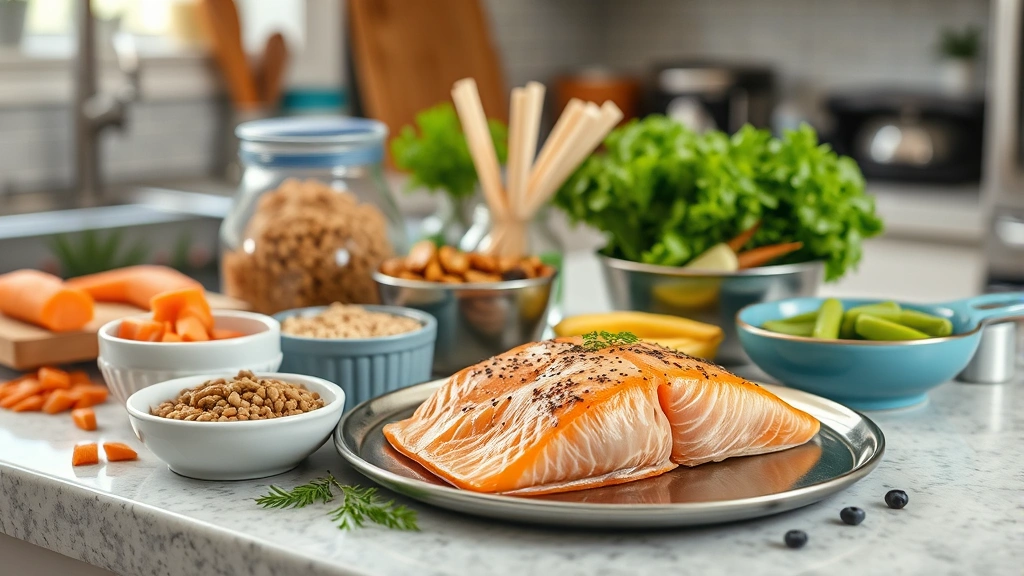
Cooked beef is another winner, as long as it’s lean and unseasoned. Skip the fatty cuts; cats don’t need the extra grease. Cooked salmon and other fish are packed with omega-3s and make your cat’s coat shine like they’ve been to a feline spa. However, fish should be an occasional treat, not a daily thing, because too much can cause vitamin E deficiency.
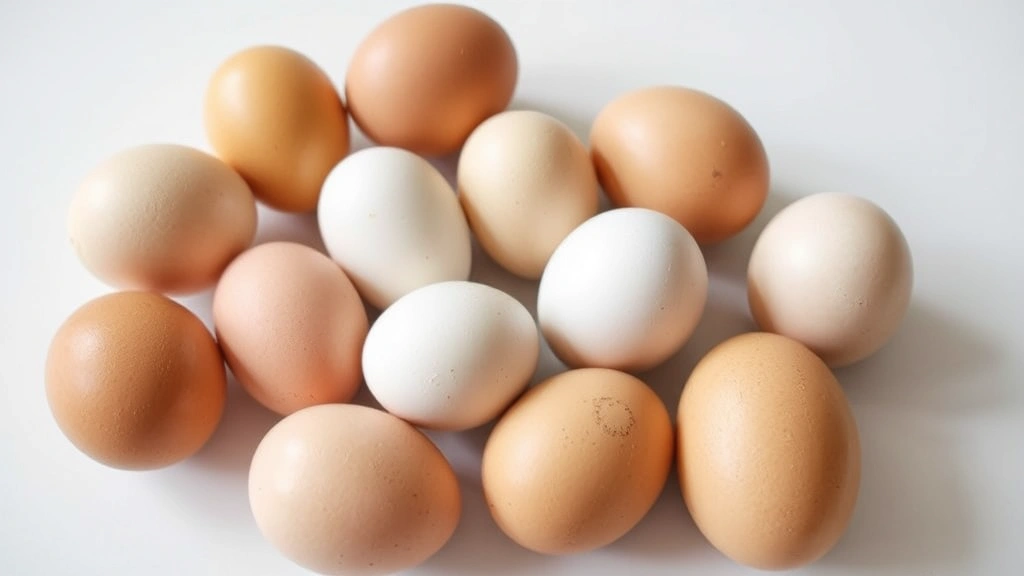
Cooked eggs are surprisingly cat-approved and packed with protein. Scrambled, boiled, or poached—your cat won’t judge. Just keep the butter and salt out of it. Cooked turkey, chicken, and beef remain the safest bets for mature cat feeding routines and younger cats alike.
Vegetables: The Surprisingly Okay Option
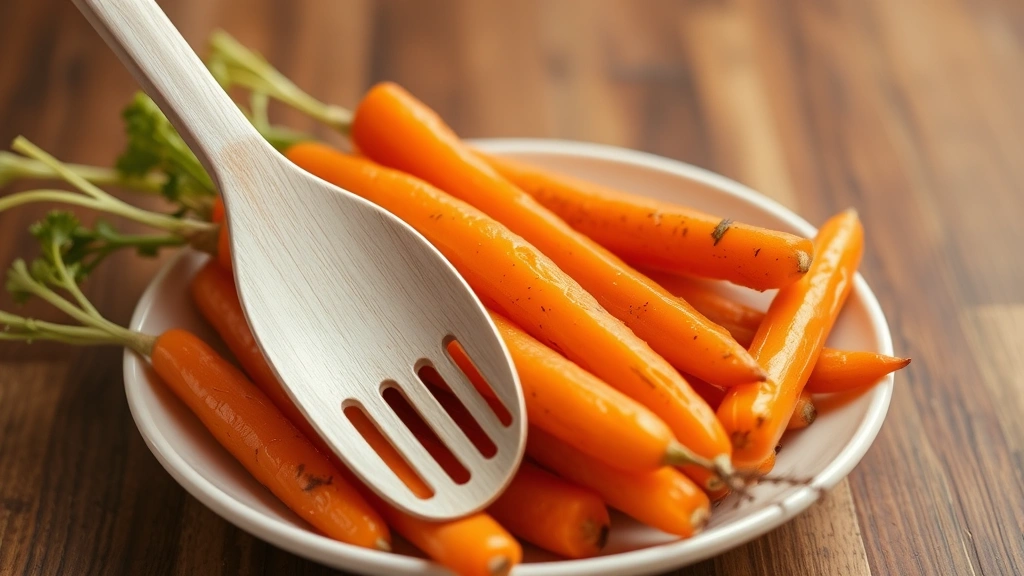
Here’s where things get weird: some cats actually like vegetables. Cooked carrots are safe and can even help with dental health. Cooked pumpkin (plain, not pie filling) is fantastic for digestive health and is often recommended by vets. Cooked green beans are fine, and some cats enjoy steamed broccoli in tiny amounts.
The key word is “cooked.” Raw vegetables are harder for cats to digest, and some can be choking hazards. Also, keep vegetables to minimal amounts—we’re talking a small piece here and there, not a veggie platter situation.
Avoid onions, garlic, and anything in the allium family like the plague. These are toxic to cats and can damage their red blood cells. Same goes for avocado—it contains persin, which can cause vomiting and diarrhea in cats.
Fruits: The Sweet Treat Debate
Most cats don’t care about fruit because they can’t taste sweetness like we do. That said, small amounts of cat-safe fruits won’t hurt. Watermelon (seedless and no rind) is mostly water and safe in tiny amounts. Cooked apples (no seeds) are fine occasionally. Blueberries are antioxidant powerhouses and safe for cats.
Grapes and raisins? Absolutely not. These are toxic to cats and can cause kidney failure. Citrus fruits are too acidic and will upset their stomach. Chocolate-covered anything is a hard no—chocolate is toxic to cats.
Dairy: The Lactose Intolerance Reality Check
Your cat probably can’t digest milk properly. Most adult cats are lactose intolerant, and giving them cow’s milk leads to digestive upset. However, small amounts of plain yogurt or cheese are sometimes tolerated because the lactose content is lower.
If you want to share dairy, stick to plain, unsalted varieties and keep portions tiny. Better yet, skip it entirely and offer water instead. Your cat will thank you by not having litter box issues.
The Absolute No-Nos: Foods That Are Toxic to Cats
Some foods are downright dangerous. Xylitol (artificial sweetener) can cause insulin release and hypoglycemia. Alcohol is never acceptable—it affects cats worse than humans. Caffeine from coffee and tea causes heart palpitations and tremors.
Mushrooms (especially wild varieties) can be toxic. Raw dough can expand in the stomach. Bones (especially cooked) splinter and cause intestinal blockages. Fatty foods like bacon can cause pancreatitis. Salty foods can cause sodium ion poisoning. Garlic, onions, and chives damage red blood cells.
According to PetMD’s nutritional guidelines, these toxic foods should never be shared with your feline friend, no matter how much they beg.
Portion Control: How Much is Too Much?
Remember that 10% rule? Let’s get specific. If your cat weighs 10 pounds and needs 200 calories daily, only 20 calories should come from treats or table scraps. A small piece of cooked chicken breast is about 10-15 calories. A teaspoon of cooked pumpkin is about 5 calories.
This means you’re talking tiny portions—think the size of your pinky fingernail for most foods. Your cat’s stomach is small, and too much human food displaces nutrition from their regular diet. Fresh food feeding routine should prioritize balanced commercial diets over table scraps.
Special Considerations for Different Life Stages
Kittens and breed specific feeding needs vary, but generally, young cats have more sensitive digestive systems. Introduce any new food slowly and in tiny amounts. Senior cats might have dental issues, so soft, cooked foods work better than hard kibble.
Cats with health conditions like kidney disease, diabetes, or digestive issues need special attention. If your cat has any medical condition, check with your vet before sharing any table food. What’s safe for a healthy cat might be dangerous for one with health issues.
The Behavioral Side: Why Your Cat Begs (And What To Do About It)
Your cat begs because they’re smart enough to know that good stuff happens at your dinner table. Rewarding this behavior by sharing food reinforces it. If you want to minimize the begging, don’t give in every time. Consistency matters.
Instead, offer approved treats at designated times, not during your meals. Some cats respect boundaries better when they know they’ll get something at a specific time. Others are just persistent little food criminals who’ll never stop trying.
Frequently Asked Questions
Can cats eat chicken from my dinner plate?
Yes, plain cooked chicken is safe for cats. Remove all skin, bones, and seasoning first. A small piece (about the size of a dice) is appropriate. Never give your cat seasoned chicken, as garlic and onion powder are toxic.
Is tuna from a can safe for cats?
Canned tuna in water (not oil) is safe in small amounts, but shouldn’t be a regular treat. Too much tuna can cause mercury accumulation and vitamin E deficiency. It’s better to offer occasional fresh cooked fish instead.
What about rice and pasta?
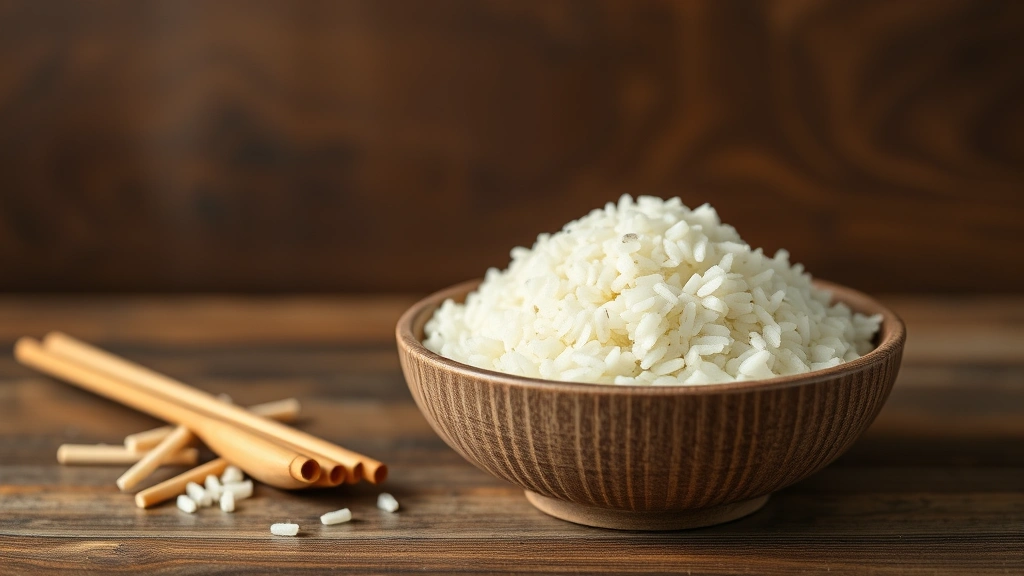
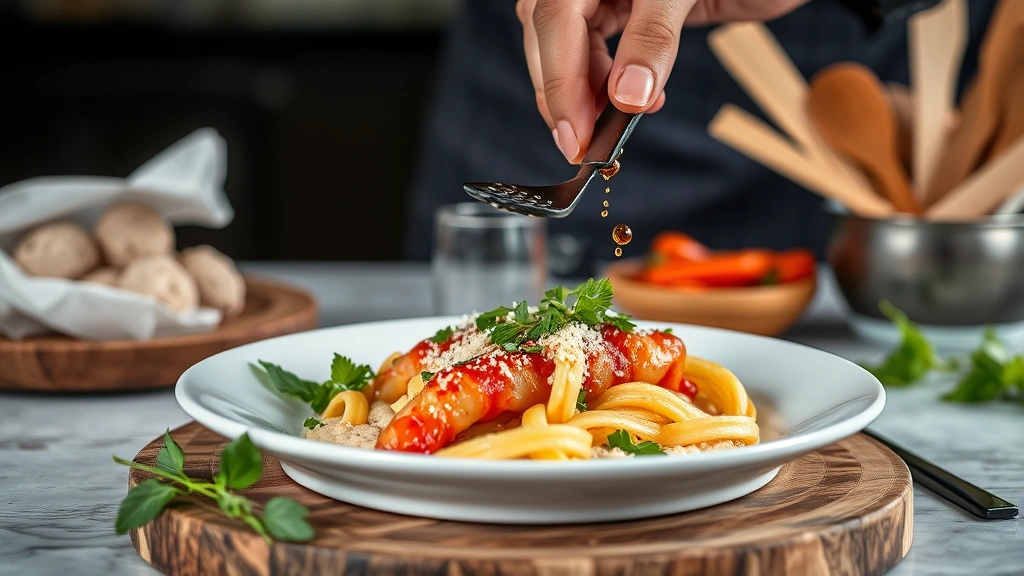
Plain cooked rice and pasta are safe for cats but provide little nutritional value. They’re not toxic, but they don’t contribute to your cat’s dietary needs. Stick to protein-based treats instead.
Can I give my cat leftover vegetables?
Some cooked vegetables are safe (carrots, green beans, pumpkin), but cats don’t need vegetables like humans do. They’re obligate carnivores, so meat should be the focus. Vegetables should be occasional and minimal.
What’s the safest way to introduce new human foods?
Introduce any new food in tiny amounts and wait 24-48 hours to watch for digestive upset. If your cat vomits, has diarrhea, or acts lethargic, that food isn’t for them. Every cat has different sensitivities.
Can cats eat bread or grains?
Plain, cooked grains are safe but unnecessary for cats. They provide carbs that cats don’t actually need. Skip the bread and focus on protein-based treats instead.
The Bottom Line: Share Safely, Love Responsibly
So what can you feed your cat from your plate? Cooked chicken, turkey, beef, fish, eggs, and some vegetables are your safest bets. Keep portions tiny, maintain that 10% rule, and avoid the toxic foods like onions, garlic, chocolate, and xylitol.
Your cat doesn’t need table scraps to be happy—they need quality nutrition, play, and your attention. But if you want to share a small piece of your meal occasionally, go for it. Just be smart about it, watch for reactions, and remember that your cat’s primary diet should come from proper cat food.

The irresistible stare at the dinner table is adorable, but your cat’s long-term health is more important than a moment of cuteness. Feed them right, keep them safe, and they’ll be your purring companion for years to come.





