
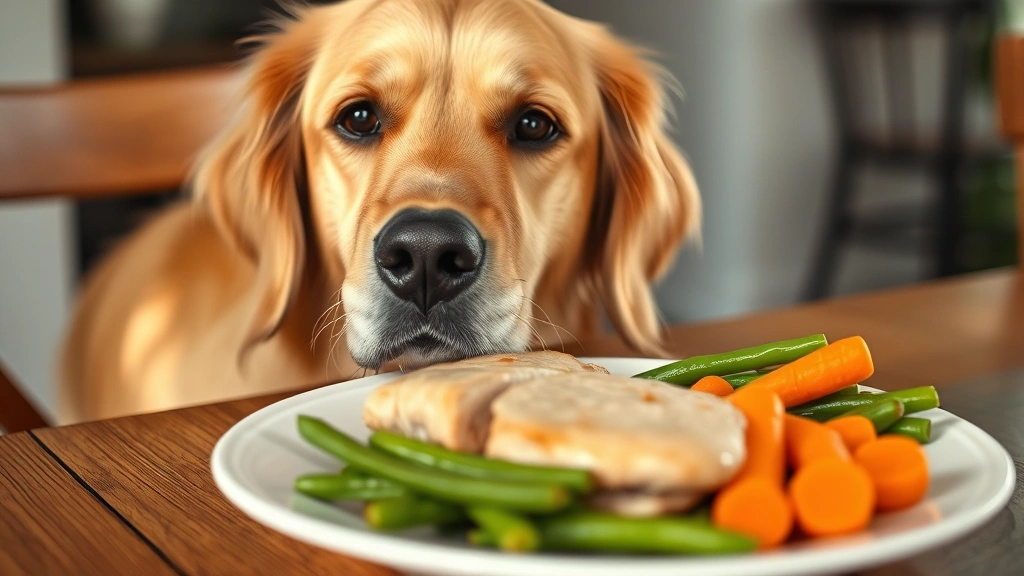
So you’re sitting at the dinner table, your pup gives you those irresistible puppy dog eyes, and you’re wondering: what can I feed my dog from my plate? Before you toss that chicken leg under the table, let’s talk about which human foods are actually safe for your furry friend and which ones could send you on an emergency vet trip.
Table of Contents
- The Golden Rule: Plain is Best
- Protein Powerhouses Your Dog Can Enjoy
- Vegetables That Won’t Cause Trouble
- Fruits Your Pup Can Munch On
- The Absolute No-Go Zone: Toxic Foods
- Dairy: The Tricky Territory
- Grains and Carbs: Proceed With Caution
- Portion Control and Moderation
- Special Considerations for Different Life Stages
- Making Mealtime Fun and Safe
- When to Call the Vet
- The Bottom Line on Table Scraps
- Frequently Asked Questions
- Summary: Feed Smart, Love Harder
The Golden Rule: Plain is Best
Here’s the thing about sharing your plate with your dog—simplicity is your best friend. Dogs don’t need the fancy seasonings, oils, and sauces that make human food delicious. In fact, those additions are often the culprits behind digestive issues and health problems. When considering what human foods are dog-safe, think “boring” and you’re on the right track. Plain, unseasoned, and unsauced versions of foods are your safest bet.
Protein Powerhouses Your Dog Can Enjoy
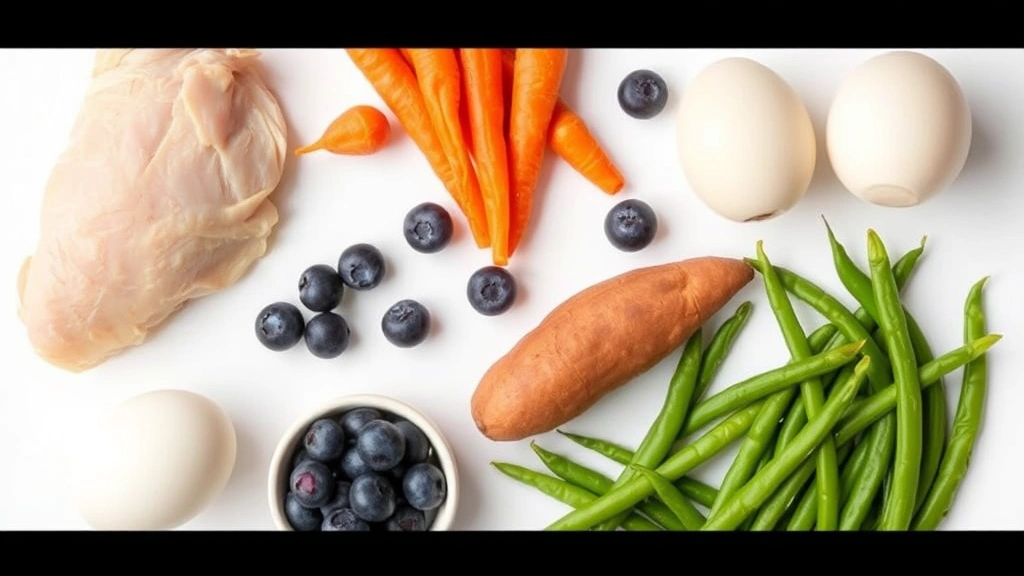
Let’s start with the good stuff—proteins. Most dogs go absolutely bonkers for meat, and thankfully, plain cooked meat is generally safe. Chicken, turkey, beef, and pork (when fully cooked and boneless) are all fair game. Just skip the seasoning, garlic, and onions. A piece of plain grilled chicken breast? Your dog will think you’re a hero. According to the American Kennel Club, chicken is one of the safest proteins you can share with your pup.
Eggs are another protein winner—scrambled, boiled, or fried without butter or oil. Your dog’s coat will thank you for the extra nutrients. Fish is also great, particularly salmon, which provides those omega-3 fatty acids that keep their skin and coat looking glossy and healthy.
Vegetables That Won’t Cause Trouble
Now we’re getting into the rabbit food territory—and yes, your dog can eat some of it! Carrots are fantastic (and great for their teeth), green beans, sweet potatoes, pumpkin, and broccoli are all safe options. Peas are fine too, though they shouldn’t make up a huge portion of their diet. Stick with steamed or raw versions without any added salt or butter.
Here’s a pro tip: many of these veggies work great as low-calorie treats or toppers on regular kibble. This is especially important when considering your dog’s caloric needs for dogs, since table scraps can quickly add up and contribute to weight gain.
Fruits Your Pup Can Munch On
Dogs can enjoy certain fruits in moderation. Apples (without seeds), bananas, blueberries, watermelon, and oranges are all safe. These make excellent occasional treats, especially on a hot day. Just remember to remove any seeds or pits, as these can be choking hazards or contain toxins.
Berries are particularly beneficial—they’re packed with antioxidants and most dogs find them delicious. A handful of blueberries as an occasional snack won’t hurt, and they’re way better than processed dog treats.
The Absolute No-Go Zone: Toxic Foods
Now for the serious stuff. Some foods are genuinely dangerous for dogs and should never, ever make it into their mouths. Chocolate is the classic culprit—it contains theobromine, which is toxic to dogs. Grapes and raisins can cause kidney failure, even in small amounts. Avocado contains persin, which can cause vomiting and diarrhea. Onions and garlic (whether raw, cooked, or powdered) damage red blood cells and cause hemolytic anemia.
Xylitol, an artificial sweetener found in many sugar-free products, is extremely toxic and can cause rapid insulin release and liver damage. Macadamia nuts, alcohol, and anything with caffeine are also off-limits. PetMD maintains a comprehensive list of toxic foods for dogs that’s worth bookmarking.
Dairy: The Tricky Territory
Many dogs are lactose intolerant, so dairy can be iffy. A tiny bit of plain yogurt or cheese might be okay for some dogs, but it’s definitely not essential. If your dog has never had dairy and you want to introduce it, start with a very small amount and watch for digestive upset. Milk, cream, and butter should be skipped entirely.
Grains and Carbs: Proceed With Caution
Plain rice, sweet potato, and oatmeal are generally safe in small amounts, but they shouldn’t replace a balanced diet. If you’re sharing rice or pasta from your plate, make sure it’s plain—no butter, oil, or seasoning. Understanding your dog’s breed-specific feeding needs can help you determine appropriate portions and frequency.
Portion Control and Moderation
Here’s where many dog owners mess up: they think “safe” means “unlimited.” Even safe foods should only make up about 10% of your dog’s daily caloric intake. The remaining 90% should come from a complete and balanced dog food. Overfeeding table scraps can lead to obesity, nutritional imbalances, and digestive issues.
Think of table foods as treats or toppers, not meals. A small piece of chicken here, a few green beans there—that’s the sweet spot. If you’re regularly giving your dog food from your plate, you might want to reduce their regular kibble portion accordingly to maintain healthy dog food measurement and prevent weight gain.
Special Considerations for Different Life Stages
Puppies, adult dogs, and senior dogs have different nutritional needs. Puppies need more calories and specific nutrients for growth, while seniors might need joint-supporting supplements. If you have an adolescent dog, their rapid growth means extra care with nutrition. Always consult your vet before making significant changes to your dog’s diet, especially if they have health conditions.
Making Mealtime Fun and Safe
If you want to make your dog feel included during meals, consider using feeding enrichment toys to serve safe table foods in an engaging way. Puzzle feeders and treat-dispensing toys can make even simple foods exciting and mentally stimulating for your pup.
When to Call the Vet
If your dog accidentally eats something toxic, don’t panic—but do act quickly. Call your vet or the ASPCA Animal Poison Control Center immediately. Have the food name and approximate amount ready. Signs of poisoning include vomiting, diarrhea, lethargy, drooling, or difficulty breathing.
The Bottom Line on Table Scraps
So, what can I feed my dog from my plate? Plenty of things, actually—just stick to plain, unseasoned proteins and vegetables, avoid the toxic foods entirely, and keep portions small. Your dog doesn’t need fancy meals to be happy; a simple piece of plain chicken or carrot will earn you eternal devotion.
Frequently Asked Questions
Can dogs eat cooked bones from my plate?
No. While raw bones might be okay in some cases, cooked bones become brittle and can splinter, causing choking, blockages, or internal injuries. Always remove all bones before sharing meat with your dog.
Is it okay to give my dog food with salt on it?
Excessive salt can lead to sodium poisoning in dogs. While small amounts of salt won’t hurt, it’s best to stick with completely unseasoned foods when sharing from your plate. Your dog’s regular food already contains appropriate sodium levels.
Can I give my dog leftovers from dinner?
Leftovers are okay only if they’re plain and safe. Avoid anything with garlic, onions, excessive fat, or seasoning. Reheated food should be cooled to a safe temperature before serving.
What’s the safest way to introduce new foods to my dog?
Start with very small amounts and wait 24-48 hours to watch for any digestive upset or allergic reactions. If your dog tolerates it well, you can continue offering it occasionally in small portions.
Should I ask my vet before sharing table food with my dog?
It’s always a good idea, especially if your dog has existing health conditions, is on a special diet, or takes medications. Your vet can give personalized recommendations based on your dog’s specific needs.
Are there any human foods that are actually healthy for dogs?
Absolutely! Plain chicken, eggs, carrots, green beans, blueberries, and pumpkin are all nutritious options that can supplement a balanced diet. These whole foods provide vitamins, minerals, and fiber without the additives found in many commercial treats.
Summary: Feed Smart, Love Harder
Sharing food with your dog is a natural impulse, and thankfully, there are plenty of safe options that let you do it without guilt. The key is understanding which foods are safe, keeping portions tiny, and always prioritizing your dog’s complete and balanced diet. Stick to plain, unseasoned proteins and vegetables, avoid the toxic foods like chocolate and grapes, and remember that table scraps should be treats, not meals. Your pup will be just as happy with a small piece of plain chicken as they would be with fancy seasoning—probably happier, actually, since they won’t have to deal with digestive issues. When in doubt, ask your vet. Your dog’s health is always worth the extra conversation.





