
So your pup’s stomach is acting up, and you’re wondering what can i give my dog for an upset stomach without immediately dropping $200 at the vet. Good news—you’ve probably got several solutions sitting in your kitchen right now. Before we dive into the home remedies that actually work, let’s be clear: if your dog’s digestive issues persist beyond 24 hours or involve blood, severe vomiting, or lethargy, get to a vet. But for the occasional upset stomach? We’ve got you covered.
Table of Contents
- Understanding Why Your Dog’s Stomach Is Upset
- Remedy #1: Pumpkin Puree (The Golden Ticket)
- Remedy #2: The Bland Diet Approach
- Remedy #3: Ginger for Nausea and Inflammation
- Remedy #4: Probiotics and Digestive Enzymes
- Remedy #5: Bone Broth (The Healing Elixir)
- When to Skip Certain Foods Entirely
- The Fasting Strategy
- Supplements That Support Gut Health
- When You Really Need to Call the Vet
- Frequently Asked Questions
- Summary: Your Dog’s Digestive Health Toolkit
Understanding Why Your Dog’s Stomach Is Upset
Dogs get upset stomachs for tons of reasons. Maybe Fido ate something questionable from the backyard. Maybe you switched their food too quickly. Maybe they’re stressed about that thunderstorm. Digestive upset in dogs can stem from dietary indiscretion, food sensitivities, stress, or even just eating too fast. Understanding the root cause helps you pick the right remedy, but sometimes you just need quick relief while you figure out what went wrong.
Remedy #1: Pumpkin Puree (The Golden Ticket)
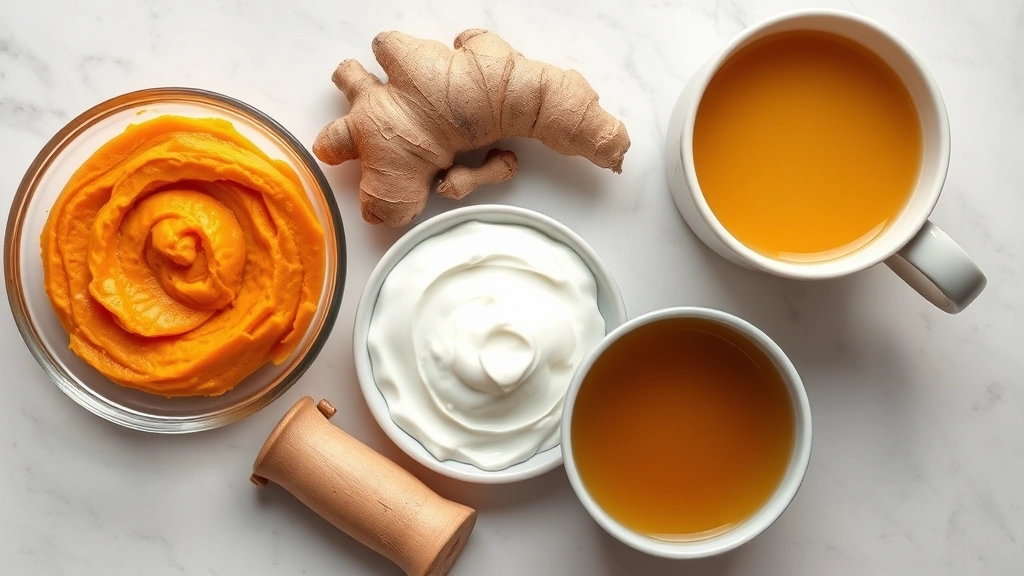
Pumpkin puree is basically the Swiss Army knife of dog digestive health. Whether your dog has diarrhea or constipation, plain pumpkin puree works wonders. It’s high in fiber and helps regulate your dog’s digestive system. Give small dogs 1-2 tablespoons, medium dogs 2-4 tablespoons, and larger dogs up to a tablespoon per 10 pounds of body weight. Mix it into their regular food or serve it plain. Mashed pumpkin for dogs is one of the most recommended remedies by veterinarians because it works and it’s completely safe. Make sure you’re using plain pumpkin puree, not pie filling—the spices and added sugar in pie filling will make things worse.
Remedy #2: The Bland Diet Approach
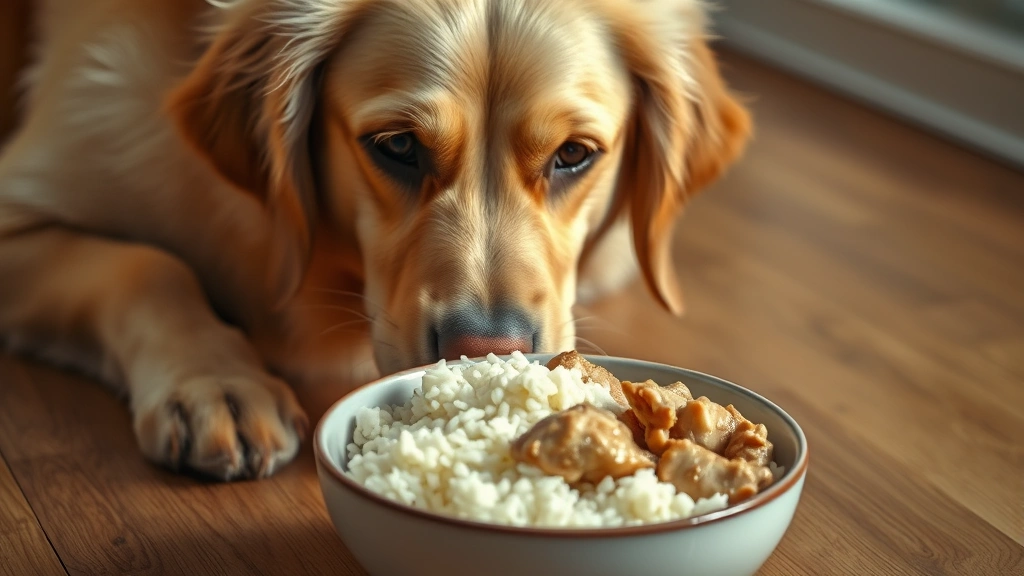
Sometimes the best medicine is giving your dog’s digestive system a break. A bland diet of boiled chicken and white rice is the classic go-to for upset stomachs. Cook plain chicken breast (no seasoning, no skin) and mix it with plain white rice in a 1:2 ratio. Feed smaller portions more frequently throughout the day. You can do this for 3-7 days depending on how quickly your dog improves. This gives their stomach time to heal without processing heavy, rich, or fatty foods.
Remedy #3: Ginger for Nausea and Inflammation
If your dog seems nauseous or you suspect inflammation is the issue, ginger is your friend. Is ginger OK for dogs? Absolutely. Fresh ginger helps reduce inflammation and settle the stomach. You can add a tiny amount (about 1/4 teaspoon for small dogs, 1/2 teaspoon for larger dogs) of grated fresh ginger to their food. Some people brew a weak ginger tea and add it to their dog’s water bowl. Never give your dog ginger supplements made for humans—stick to fresh ginger in small amounts.
Remedy #4: Probiotics and Digestive Enzymes
Your dog’s gut is full of bacteria—the good kind. When their digestive system gets upset, these beneficial bacteria can get wiped out. Probiotics help repopulate the gut with healthy bacteria. You can buy dog-specific probiotics, or you can add plain, unsweetened yogurt to their food (about a tablespoon per meal). Digestive enzymes help break down food more efficiently, reducing strain on the digestive system. Many vets recommend these during recovery periods.
Remedy #5: Bone Broth (The Healing Elixir)
Bone broth is packed with collagen, gelatin, and amino acids that support gut health. Make it at home by simmering bones (no onions or garlic) for 12-24 hours, then straining out the solids. You can freeze it in ice cube trays and add a cube or two to your dog’s food, or serve it as a warm drink. Is salmon good for dogs? Yes, and salmon broth is particularly beneficial for digestive health thanks to omega-3 fatty acids. Just ensure any broth is cooled before serving.
When to Skip Certain Foods Entirely
While we’re talking about what to give your dog, let’s discuss what to avoid. Fatty foods, dairy (unless it’s plain yogurt), and rich meats can aggravate an upset stomach. Is ham bad for dogs? During digestive upset, absolutely. High-fat, salty processed meats will make things worse. Stick to lean proteins like chicken breast during recovery. Avoid pasta bad for dogs as a regular food, but plain, cooked pasta in small amounts is fine during recovery.
The Fasting Strategy
Sometimes the best remedy is giving your dog’s digestive system a complete break. A 12-24 hour fast (depending on age and overall health) can work wonders. Offer only water during this period. This allows the stomach lining to heal and gives the digestive system time to reset. After fasting, reintroduce food gradually with bland options like boiled chicken and rice. Puppies and senior dogs should never fast without veterinary guidance.
Supplements That Support Gut Health
Milk thistle for dogs is an herbal supplement that supports liver and digestive health. It’s particularly useful if you suspect your dog ate something toxic or if their upset stomach is related to liver issues. Slippery elm is another supplement that coats the digestive tract and reduces inflammation. Marshmallow root has similar soothing properties. Always consult your vet before starting any supplement regimen.
When You Really Need to Call the Vet
Home remedies are great, but they’re not a substitute for professional veterinary care in certain situations. Call your vet immediately if your dog shows signs of severe dehydration, vomits repeatedly, has bloody stools, shows signs of abdominal pain (whining, hunched posture, reluctance to move), hasn’t improved after 24 hours, or if they’re a puppy or senior dog with digestive issues. Your vet can rule out serious conditions like pancreatitis, blockages, or infections.
Frequently Asked Questions
How long does it take for an upset stomach to go away in dogs?
Most cases of simple upset stomach resolve within 24-48 hours with proper care. If you’re using bland diet and home remedies, you should see improvement within this timeframe. However, some cases take 3-7 days, especially if the underlying cause was dietary indiscretion. If symptoms persist beyond a week, seek veterinary attention.
Can I give my dog over-the-counter antacids?
Some over-the-counter antacids are safe for dogs in specific doses, but you should always check with your vet first. Never give your dog medications formulated for humans without veterinary approval. Your vet can recommend dog-safe options or prescribe something more effective if needed.

Is it safe to give my dog multiple remedies at once?
It’s generally better to start with one remedy and see how your dog responds. If you’re adding pumpkin puree, for example, give it a few days before adding probiotics. This helps you identify what actually helps your individual dog. That said, combining pumpkin with bland diet is usually safe and effective.
What’s the difference between upset stomach and food poisoning?
Upset stomach is mild digestive distress, often self-limiting. Food poisoning is more severe and involves toxins or harmful bacteria. Signs of food poisoning include severe vomiting, bloody diarrhea, extreme lethargy, and rapid deterioration. If you suspect food poisoning, contact your vet or emergency clinic immediately.
Can stress cause upset stomachs in dogs?
Absolutely. Dogs with anxiety or stress can develop digestive issues. If your dog’s upset stomach coincides with stressful events (moving, new pets, loud noises), addressing the stress can help. Calming supplements, exercise, and creating a safe space can all help reduce stress-related digestive upset.
Summary: Your Dog’s Digestive Health Toolkit
What can i give my dog for an upset stomach? You’ve got options. Pumpkin puree is your first line of defense, bland diet provides digestive rest, ginger reduces inflammation, probiotics restore gut health, and bone broth promotes healing. Start with one remedy, monitor your dog’s response, and escalate to veterinary care if symptoms persist. Most minor upset stomachs resolve quickly with home care, but never hesitate to call your vet if something seems seriously wrong. Your pup will be back to normal soon, probably eating something they shouldn’t again within a week.





