
So your pup’s got the runs. Not exactly the dinner party conversation you wanted to have, but hey, it happens to the best of us dog parents. What can you give a dog for diarrhea is probably the question keeping you up at night, and honestly, you’re not alone. Canine diarrhea is one of the most common complaints vets hear, and the good news? There are plenty of safe, effective remedies you can try at home before panicking.
Table of Contents
- Understanding Why Your Dog Has Diarrhea
- Remedy #1: The Bland Diet Approach
- Remedy #2: Pumpkin Puree—The Orange Wonder
- Remedy #3: Bone Broth for Gut Healing
- Remedy #4: Probiotics and Digestive Enzymes
- Remedy #5: Fasting (Yes, Really)
- Remedy #6: Slippery Elm Bark
- Remedy #7: Dietary Changes and Food Sensitivities
- Remedy #8: Hydration and Electrolyte Balance
- Remedy #9: Medications and When to Call the Vet
- Frequently Asked Questions
- When to Seek Professional Veterinary Care
- Prevention Tips to Keep Your Dog’s Digestive System Healthy
- Summary: Your Action Plan for Dog Diarrhea
Let’s talk real for a second: occasional diarrhea in dogs is usually nothing to lose sleep over. But when Fido’s spending more time in the bathroom than playing fetch, it’s time to take action. Whether it’s stress-related, dietary, or just your dog eating something questionable from the backyard, we’ve got solutions that actually work.
Understanding Why Your Dog Has Diarrhea
Before we jump into remedies, let’s understand what’s going on in that furry belly. Dog diarrhea isn’t always a sign of something serious—sometimes it’s just their digestive system throwing a tantrum. Common culprits include sudden diet changes, food sensitivities, eating too fast, stress, or your dog discovering the joys of garbage can diving.
The difference between acute diarrhea (sudden onset) and chronic diarrhea matters. Acute cases often resolve themselves within a day or two with some TLC and dietary adjustments. Chronic diarrhea? That’s when you need to chat with your vet because it might indicate underlying issues like inflammatory bowel disease or food allergies.
Remedy #1: The Bland Diet Approach
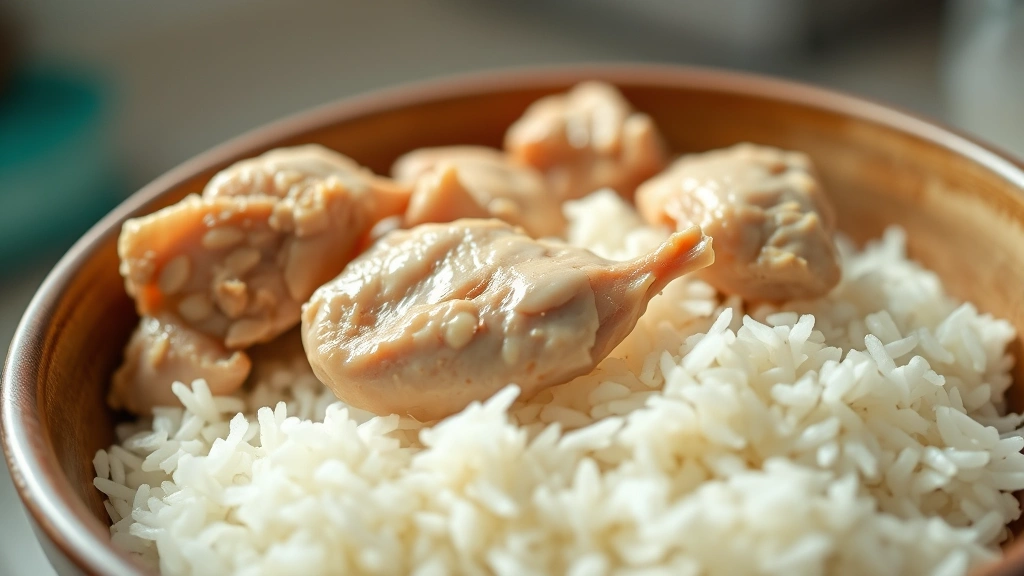
This is the MVP of diarrhea remedies, and every vet recommends it for good reason. A bland diet gives your dog’s digestive system a break while still providing nutrition. The classic combination? White rice or brown rice for dogs paired with boiled chicken (no seasoning, please—your pup isn’t eating at a five-star restaurant).
Mix equal parts cooked rice and plain boiled chicken, and serve in small portions throughout the day instead of one big meal. This bland diet is gentle on the stomach and usually helps firm things up within 24-48 hours. You can gradually reintroduce their regular food after things normalize, mixing in a little more each day over about a week.
Remedy #2: Pumpkin Puree—The Orange Wonder
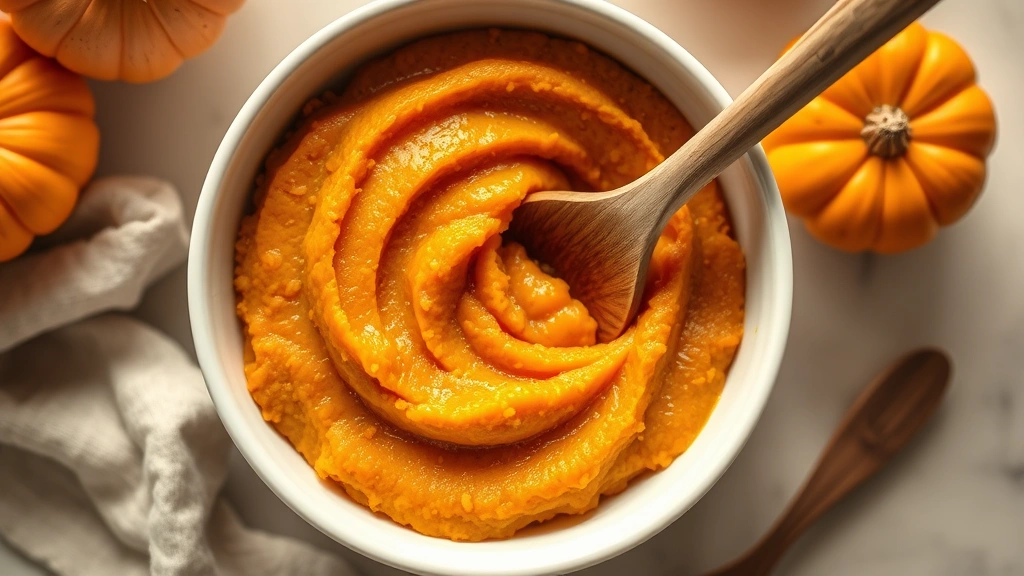
Pumpkin is basically the Swiss Army knife of dog digestive health. Packed with fiber and moisture, it works for both diarrhea and constipation (yes, really—it’s that balanced). The key is using plain pumpkin puree, not the pie filling loaded with sugar and spices that’ll make things worse.
A tablespoon or two mixed into their food can work wonders. The fiber content helps bulk up stool while the natural enzymes support digestive health. Most dogs see improvement within a day, and honestly, they’ll probably think you’re the best parent ever because pumpkin tastes way better than their regular kibble.
Remedy #3: Bone Broth for Gut Healing
Bone broth isn’t just trendy human food—it’s legitimately beneficial for dogs with digestive issues. It’s packed with collagen, gelatin, and amino acids that support gut lining health and reduce inflammation. The warm, soothing liquid is easy on the stomach and actually tastes like something your dog wants to eat.
You can make your own (simmer bones for 12-24 hours) or buy dog-specific versions. A few ounces mixed with their food or served as a standalone snack can help speed recovery. Just make sure there are no onions, garlic, or excessive salt in the broth.
Remedy #4: Probiotics and Digestive Enzymes
Your dog’s gut is home to trillions of bacteria that keep everything running smoothly. When diarrhea strikes, those good bacteria take a hit. Probiotics help repopulate the beneficial bacteria and restore digestive balance. Look for dog-specific probiotic supplements with multiple strains of beneficial bacteria.
Digestive enzymes work alongside probiotics by helping break down food more efficiently, reducing stress on the digestive system. Many dogs see marked improvement when you combine these two approaches, especially if their diarrhea is related to dietary sensitivity or antibiotic use.
Remedy #5: Fasting (Yes, Really)
Sometimes the best thing you can do is let your dog’s digestive system rest. A 12-24 hour fast (with water available, obviously) can work wonders for acute diarrhea. This gives the gut time to settle and reset without constantly processing food.
After the fast, reintroduce food gradually with bland options like boiled chicken or the rice mixture mentioned earlier. This approach is especially effective for dogs who’ve eaten something they shouldn’t have or are experiencing stress-related diarrhea.
Remedy #6: Slippery Elm Bark
This herbal remedy has been used for centuries to soothe inflamed digestive tracts. Slippery elm bark contains mucilage, a substance that coats and protects the intestinal lining, reducing irritation and promoting healing. It’s particularly helpful for dogs with inflammatory bowel conditions or food sensitivities.
Mix the powdered bark with water to create a slurry and add it to their food. Most dogs tolerate it well, and you’ll often see improvements within a few days. It’s one of those old-school remedies that actually has science backing it up.
Remedy #7: Dietary Changes and Food Sensitivities
Sometimes diarrhea is your dog’s way of saying “hey, I don’t like this food.” Sudden diet changes are notorious for causing digestive upset. If you’ve recently switched brands or formulas, that’s likely your culprit. Always transition to new food gradually over 7-10 days, mixing increasing amounts of the new food with the old.
Some dogs have legitimate food sensitivities to ingredients like milk and dairy products, chicken, beef, or grains. If diarrhea persists despite trying home remedies, consider an elimination diet or ask your vet about hypoallergenic food options. Low-fat dog food for pancreatitis and other specialized diets might be necessary depending on your dog’s specific health needs.
Remedy #8: Hydration and Electrolyte Balance
Diarrhea dehydrates your dog faster than you’d think, so keeping them hydrated is crucial. Offer fresh water frequently, and consider adding a dog-safe electrolyte solution if the diarrhea is severe. You want to monitor their hydration status—if their gums seem dry or their skin doesn’t bounce back when pinched, it’s time to call the vet.
Some owners add a bit of low-sodium bone broth to water to encourage drinking while providing additional nutrients. Just avoid sports drinks or anything with xylitol, which is toxic to dogs.
Remedy #9: Medications and When to Call the Vet
If home remedies aren’t cutting it after 48-72 hours, or if your dog shows signs of severe illness (lethargy, vomiting, bloody stools, fever), it’s vet time. Your veterinarian might prescribe medications like metronidazole for bacterial overgrowth or recommend probiotics specifically formulated for their condition.
Don’t self-diagnose with over-the-counter medications without vet guidance. What works for one dog might be completely wrong for another, and some conditions require professional intervention.
Frequently Asked Questions
How long does dog diarrhea typically last?
Acute diarrhea usually resolves within 24-48 hours with proper care and dietary adjustments. If it persists beyond three days, contact your vet. Chronic diarrhea lasting more than three weeks indicates an underlying condition that needs professional evaluation.
Can I give my dog over-the-counter anti-diarrheal medications?
Some OTC medications like bismuth subsalicylate (Pepto-Bismol) can be used in dogs, but dosing matters significantly. Always consult your vet before giving any medication. Certain conditions actually worsen with anti-diarrheal drugs, so professional guidance is essential.
Is it safe to use home remedies while waiting for a vet appointment?
Absolutely. Bland diet, fasting, pumpkin puree, and increased hydration are all safe first-line treatments. These remedies support your dog’s natural healing while you await professional evaluation. Just monitor for worsening symptoms.
What foods should I avoid during diarrhea recovery?
Skip high-fat foods, dairy products, fatty meats, and anything with artificial ingredients or excessive fiber. Avoid lettuce and other vegetables that might irritate an already sensitive digestive system. Stick to bland, easily digestible options until your dog fully recovers.
Can stress cause diarrhea in dogs?
Absolutely. Stress, anxiety, and major life changes can trigger stress colitis in dogs. If you’ve recently moved, changed routines, or introduced new pets, stress might be the culprit. Calming supplements and maintaining consistent routines help manage stress-related diarrhea.
When to Seek Professional Veterinary Care
Not all diarrhea requires a vet visit, but certain situations demand professional attention. If your dog shows signs of dehydration, bloody stools, severe lethargy, vomiting alongside diarrhea, or symptoms lasting more than three days, contact your vet immediately. Puppies and senior dogs are more vulnerable to complications and should be evaluated sooner.
Chronic diarrhea definitely warrants a vet visit. Your veterinarian can perform tests to identify underlying causes like parasites, bacterial overgrowth, food allergies, or inflammatory bowel disease. Once they identify the root cause, they can recommend targeted treatments beyond home remedies.
Prevention Tips to Keep Your Dog’s Digestive System Healthy
The best remedy is prevention. Maintain consistent feeding schedules and avoid sudden diet changes. Keep your dog from scavenging garbage, eating table scraps, or consuming contaminated food. Regular exercise and stress management support digestive health. Consider probiotic supplements as a preventative measure, especially if your dog has a sensitive stomach.
Quality dog food appropriate for your dog’s age and activity level makes a huge difference. Some dogs thrive on grain-free diets while others do better with traditional kibble. Pay attention to what works for your individual pup and stick with it.
Summary: Your Action Plan for Dog Diarrhea
So, what can you give a dog for diarrhea? You’ve got options, and most don’t require a pharmacy visit. Start with a bland diet of rice and chicken, add some pumpkin puree, ensure proper hydration, and give it 24-48 hours. If symptoms persist or worsen, escalate to probiotics, bone broth, or herbal remedies like slippery elm bark. Most importantly, monitor your dog’s overall health and contact your vet if anything seems seriously wrong.
Remember, occasional diarrhea is normal dog stuff. You’re not a bad pet parent for dealing with it—you’re a responsible one for taking action. Most cases resolve quickly with basic home care, and your dog will be back to their normal, slightly-too-enthusiastic self in no time.





