
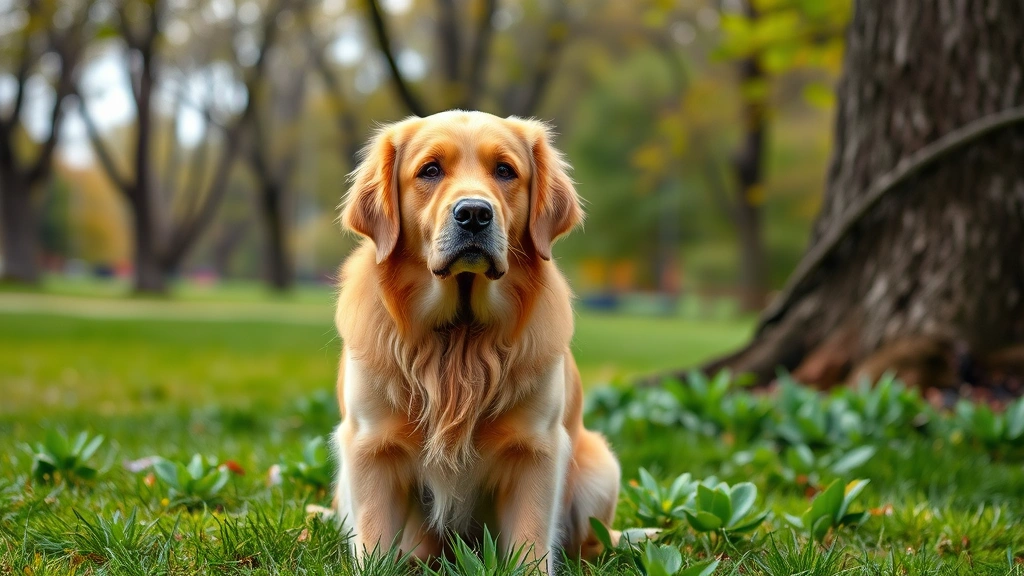
If your pup hasn’t pooped in a couple of days and is looking more uncomfortable than a cat at a dog park, you’re probably wondering what can you give a dog that’s constipated. The good news? There are tons of safe, effective remedies you can try at home before panicking and spending your entire paycheck at the vet (though sometimes that’s necessary, and we’ll talk about when).
Table of Contents
- Why Is Your Dog Constipated Anyway?
- Increase Water Intake: The Simplest Solution
- Add Fiber-Rich Foods to Their Diet
- Try Greek Yogurt or Probiotics
- Goat’s Milk: Nature’s Digestive Helper
- Mineral Oil: The Traditional Approach
- Get Your Dog Moving: Exercise Matters
- Consider a High-Quality Diet Switch
- Coconut Oil: The Trendy Fix That Actually Works
- Digestive Enzymes and Supplements
- When to Call the Vet: Red Flags You Can’t Ignore
- Prevention: The Long Game
- Frequently Asked Questions
- Summary
Constipation in dogs is more common than you’d think, and it’s usually not a sign of anything catastrophic. Whether your furry friend ate something they shouldn’t have, isn’t drinking enough water, or just needs a little dietary adjustment, we’ve got solutions that’ll get things moving again.
Why Is Your Dog Constipated Anyway?
Before we jump into remedies, let’s talk about why your dog might be backed up in the first place. Dogs get constipated for a bunch of reasons: dehydration is the big one, but also low-fiber diets, lack of exercise, stress, medications, or sometimes they just ate something weird (because dogs are weird). Older dogs and certain breeds are more prone to it too. If your dog is straining to poop, hasn’t gone in more than two days, or is acting lethargic, that’s your cue to take action.
Increase Water Intake: The Simplest Solution
Seriously, this is often all you need. Dehydration is the number one culprit behind doggy constipation. Make sure fresh water is available 24/7, and if your pup isn’t a big drinker, try adding a little low-sodium broth to their water bowl to make it more appealing. Some dogs respond better to running water (yes, they’re snobs), so a dog water fountain might actually be worth the investment. Aim for your dog to drink about one ounce of water per pound of body weight daily.
Add Fiber-Rich Foods to Their Diet
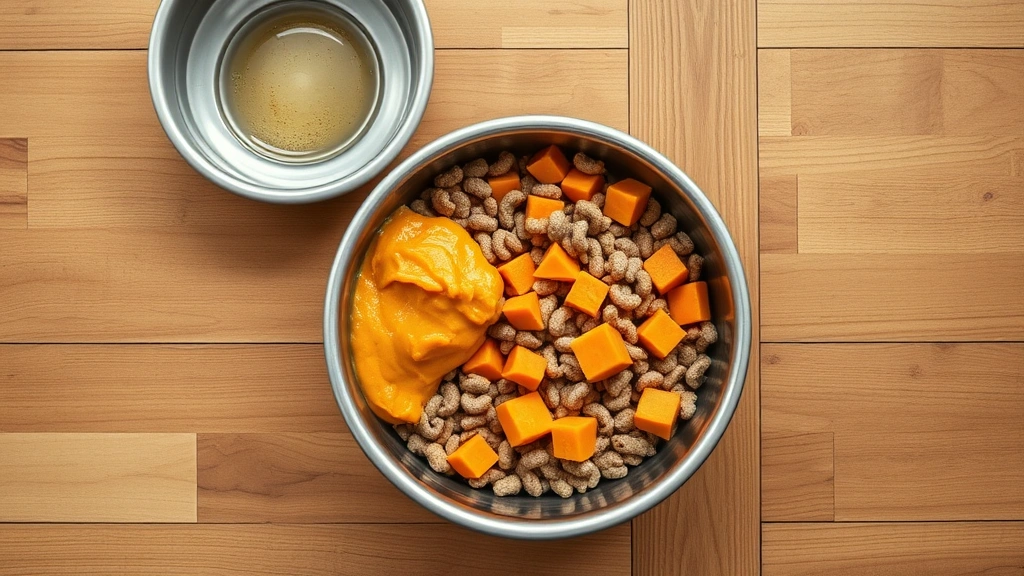
One of the easiest ways to help dog constipation relief is through dietary fiber. Canned pumpkin (not pie filling, just plain pumpkin) is like the miracle cure of the dog world. A tablespoon or two mixed into their regular food works wonders. Sweet potato is another fiber powerhouse that most dogs actually enjoy eating. You can also try adding a bit of cooked carrots or green beans to their meals. These aren’t just band-aids either—they’re actually helping your dog’s digestive system work better naturally.
Try Greek Yogurt or Probiotics
Gut health matters for dogs just as much as it does for humans. Greek yogurt is good for dogs and can help restore healthy gut bacteria. Make sure it’s plain, unsweetened, and xylitol-free. A few tablespoons mixed into their food can improve digestion and get their system back on track. If you want to go the probiotic route, there are dog-specific supplements designed to boost their digestive health. A healthy microbiome is essential for regular bowel movements.
Goat’s Milk: Nature’s Digestive Helper
Goat’s milk is good for dogs and can be surprisingly effective for constipation. It’s easier to digest than cow’s milk, contains beneficial enzymes, and many dogs find it delicious. You can find frozen or powdered goat’s milk at most pet stores. Just a small amount added to their regular food can stimulate digestion and help soften their stool. It’s one of those remedies that feels fancy but is actually pretty simple to use.
Mineral Oil: The Traditional Approach
Okay, this one sounds a bit old-school, but mineral oil has been helping constipated dogs for decades. A teaspoon or two mixed into their food acts as a natural lubricant that helps things move along. Don’t overdo it though—too much can interfere with nutrient absorption. Also, never give it orally directly into their mouth because there’s a risk of aspiration. Mix it with food, keep it simple, and you’ll see results usually within 24 hours. Always consult your vet about dosing before trying this one.
Get Your Dog Moving: Exercise Matters
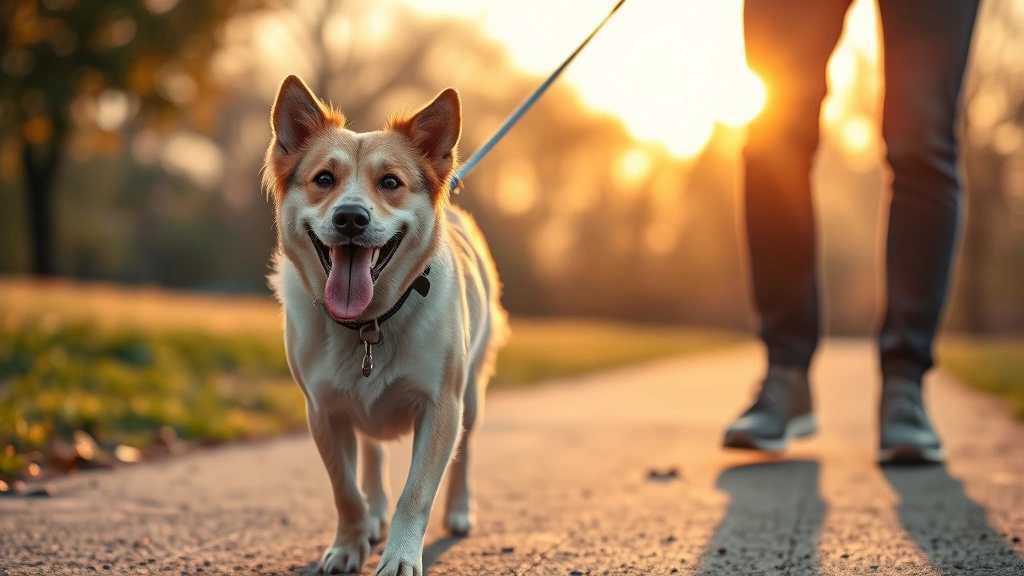
Sometimes the solution is as simple as getting your pup off the couch. Regular exercise stimulates the digestive system and helps prevent constipation from developing in the first place. A good walk, some playtime, or even a trip to the dog park can work wonders. Even 15-20 minutes of activity can get things flowing again. Plus, your dog will be happier, and you’ll get some steps in too. Win-win.
Consider a High-Quality Diet Switch
If your dog is chronically constipated, their current food might be the problem. Low-quality foods with lots of fillers can lead to digestive issues. Look for high-quality dog foods with good fiber content and digestible ingredients. Sometimes a simple diet change is all it takes to prevent future constipation problems. Your vet can recommend options that work best for your specific dog.
Coconut Oil: The Trendy Fix That Actually Works
A tiny bit of coconut oil (like a teaspoon for smaller dogs, a tablespoon for larger ones) can help lubricate their digestive tract and get things moving. It’s got healthy fats that support overall digestive health too. Just don’t go overboard because it’s calorie-dense and can cause other digestive issues if you use too much. Mix it into their food or give it as a treat, but start small to see how their stomach handles it.
Digestive Enzymes and Supplements
Dog-specific digestive enzyme supplements can help break down food more efficiently and improve overall gut function. These are especially useful if your dog has a sensitive stomach or if constipation keeps coming back. They’re not expensive, easy to administer, and most dogs don’t mind the taste. Look for ones with ingredients like protease, lipase, and amylase for the best results.
When to Call the Vet: Red Flags You Can’t Ignore
Here’s the thing: sometimes home remedies aren’t enough, and that’s okay. If your dog hasn’t pooped in more than three days, is vomiting, seems to be in pain, is lethargic, or has a distended belly, get them to the vet immediately. These could be signs of something more serious like a blockage, megacolon, or other underlying health issues. Your vet might need to give them an enema, prescribe medication, or run diagnostics. Don’t feel bad about calling—better safe than sorry with your furry friend. The AKC has resources on when to seek veterinary care, and PetMD offers great guidance on digestive health.
Prevention: The Long Game
Once you’ve solved your dog’s current constipation problem, think about prevention. Keep them hydrated, make sure they get enough exercise, feed them quality food with adequate fiber, and monitor their bathroom habits. Regular vet checkups help catch issues early. Some dogs are just prone to constipation, and that’s fine—you’ll just need to stay on top of it with the remedies that work best for your individual pup. Every dog is different, so what works for your neighbor’s golden retriever might not work for yours.
Frequently Asked Questions
Can I give my dog a laxative?
Some over-the-counter laxatives made for dogs are safe, but others aren’t. Never give your dog human laxatives without vet approval. Miralax (polyethylene glycol) is often recommended by vets and is generally safe, but always check with your veterinarian first about proper dosing for your dog’s weight and age.
How long does it take for remedies to work?
Most home remedies like pumpkin, increased water intake, or exercise start showing results within 24-48 hours. If nothing has changed after three days, or if your dog seems uncomfortable, contact your vet. Sometimes constipation requires professional intervention.
Is constipation dangerous for dogs?
Mild constipation is usually not dangerous and responds well to home treatment. However, severe or prolonged constipation can lead to serious complications like toxic megacolon or obstruction. If you’re concerned, it’s always better to call your vet than to wait and see.
Can diet change cause constipation?
Yes, switching dog foods too quickly can cause digestive upset including constipation. Always transition to new food gradually over 7-10 days, mixing the old food with the new in increasing proportions. This gives their digestive system time to adjust.
Are certain dog breeds more prone to constipation?
Older dogs and certain breeds like Bulldogs and Pugs can be more susceptible due to their body structure and metabolism. Smaller breeds sometimes have issues too. If your dog is chronically constipated, discuss breed-specific concerns with your vet.
Should I be worried if my dog poops less frequently?
Not necessarily. Some dogs naturally poop once a day, others twice or three times. What matters is consistency—if your dog’s normal routine changes suddenly, that’s worth investigating. As long as they’re not straining and their stool looks normal, you’re probably fine.
Summary
So, what can you give a dog that’s constipated? You’ve got plenty of options ranging from simple (more water, more exercise) to slightly more involved (pumpkin, probiotics, dietary changes). Start with the easiest solutions first, and work your way up if needed. Most cases of doggy constipation resolve quickly with home care, but don’t hesitate to call your vet if things don’t improve or if your pup shows signs of serious distress. Your dog depends on you to keep them healthy and happy, and sometimes that means being proactive about their digestive health. Keep these remedies in your back pocket, stay consistent with hydration and exercise, and you’ll have a happy, regular pooper in no time.





