

If your furry best friend is scratching like they’re auditioning for a flea circus, you’re not alone. What can you give dogs for allergies is one of the most googled questions by desperate dog parents, and honestly, it’s because our pups suffer from allergies just as much as we do—sometimes even more.
Table of Contents
- Understanding Dog Allergies: Why Your Pup Won’t Stop Scratching
- Solution #1: Switch to Limited Ingredient Dog Food
- Solution #2: Omega-3 Fatty Acids and Fish Oil Supplements
- Solution #3: Antihistamines (Yes, Really)
- Solution #4: Topical Treatments and Medicated Baths
- Solution #5: Prescription Medications (When Nothing Else Works)
- Natural Remedies and Supplements Worth Considering
- Dietary Adjustments Beyond Limited Ingredient Food
- When to See Your Vet (Spoiler: Sooner Rather Than Later)
- Creating an Allergy Management Plan That Actually Works
- Prevention: Because an Ounce of Prevention Is Worth a Pound of Itching
- Frequently Asked Questions
The itch is real, the whining is constant, and your vet bills are climbing faster than a squirrel up a tree. But here’s the good news: you’ve got options. Real, science-backed options that can turn your itchy pup back into the happy, non-gnawed-to-bits version you fell in love with.
Understanding Dog Allergies: Why Your Pup Won’t Stop Scratching
Before we dive into solutions, let’s talk about what’s actually happening under all that fur. Dog allergies come in three main flavors: food allergies, environmental allergies (pollen, dust mites, mold), and contact allergies (shampoos, collars, fabrics). The immune system basically throws a tantrum and treats harmless stuff like it’s a threat.
The result? Red, inflamed skin, excessive scratching, ear infections that smell like a forgotten gym locker, and a dog that looks at you with those sad eyes like you personally betrayed them. Environmental allergies are the most common culprit, affecting roughly 15-20% of dogs. Food allergies? They’re the troublemakers in about 1-2% of cases, but they feel way more common because they’re sneaky.
Solution #1: Switch to Limited Ingredient Dog Food
If you suspect your dog’s allergies are food-related, limited ingredient dog food is your first line of defense. This isn’t some fancy fad—it’s actually legitimate nutrition strategy.
Limited ingredient formulas contain fewer protein and carbohydrate sources, making it easier to identify what’s triggering your pup’s immune system meltdown. You’re basically playing detective, but with kibble. Start with a novel protein (something your dog hasn’t eaten before—think duck, venison, or kangaroo) combined with a single carbohydrate source.
Most dogs do great on these diets within 4-6 weeks. Yes, they cost more. Yes, your wallet will cry. But your dog’s skin will thank you, and that’s worth more than gold. Pro tip: transition slowly over 7-10 days, or you’ll just trade allergies for digestive upset.
Solution #2: Omega-3 Fatty Acids and Fish Oil Supplements
Here’s where things get deliciously simple. Omega-3s are basically nature’s anti-inflammatory medicine, and they work wonders for itchy dogs. Salmon and other fatty fish are packed with these magical compounds.
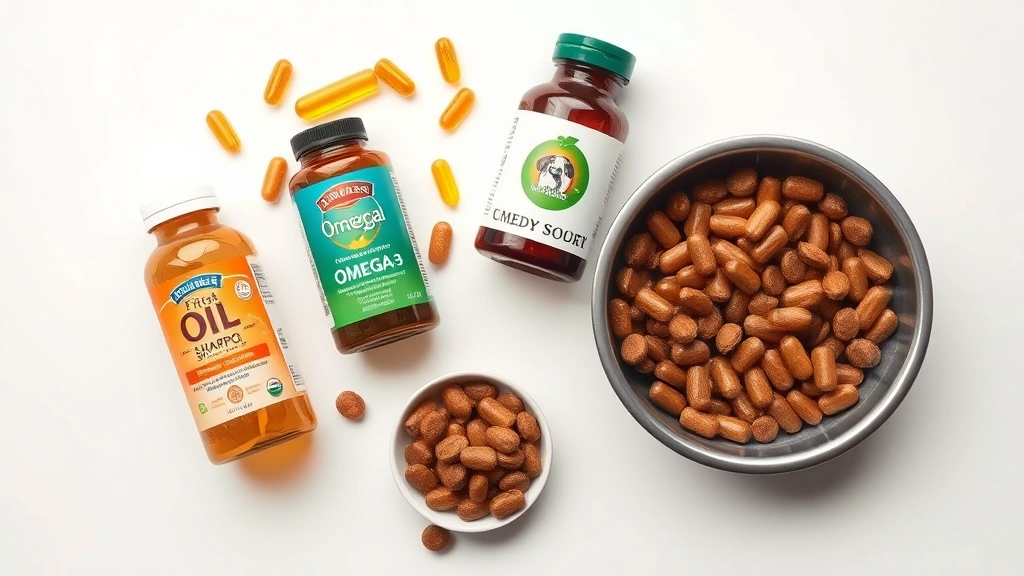
Fish oil supplements (specifically EPA and DHA) reduce inflammation from the inside out. Studies show that dogs on proper omega-3 supplementation experience significant improvement in coat quality and reduced itching within 6-8 weeks. The dose matters though—roughly 20-55 mg of EPA per pound of body weight daily.
Your vet can recommend the right dosage for your specific pup, but most quality fish oil supplements come with clear guidelines. Side benefit? Your dog’s coat will look shinier than a freshly waxed sports car. Bonus points if you’re into that.
Solution #3: Antihistamines (Yes, Really)
Just like humans, dogs can take antihistamines to manage allergic reactions. Common options include diphenhydramine (Benadryl), cetirizine (Zyrtec), and loratadine (Claritin). These are over-the-counter medications that actually work for seasonal and environmental allergies.
The typical dose is 1 mg per pound of body weight, given 2-3 times daily. A 50-pound Golden Retriever might get 50mg of Benadryl, for example. However—and this is important—always check with your vet first. Some dogs have sensitivities, and your vet needs to rule out other conditions.
Antihistamines work best for environmental allergies rather than food allergies, and they’re most effective when started before allergy season hits. Think of it as preventative medicine rather than emergency care.
Solution #4: Topical Treatments and Medicated Baths
Sometimes the fastest relief comes from outside in. Medicated shampoos containing oatmeal, hydrocortisone, or chlorhexidine provide immediate soothing and reduce bacterial overgrowth (because, let’s face it, constant scratching invites infections).
Oatmeal-based shampoos are particularly gentle and soothing—they’ve been used for centuries and actually work. Bathe your dog every 1-2 weeks with these products, and you’ll notice improvement in itching within days. Follow up with a good conditioner because medicated shampoos can be drying.
For localized hot spots or particularly inflamed areas, topical sprays or creams can provide quick relief. Some vets recommend apple cider vinegar rinses (diluted, obviously), while others prefer prescription topical treatments. The key is consistency—one bath isn’t going to fix chronic allergies, but regular treatment absolutely will help.
Solution #5: Prescription Medications (When Nothing Else Works)
If your dog’s allergies are severe enough to make them miserable, it’s time to talk prescription. Apoquel and Cytopoint are game-changers for dogs with serious allergic reactions. These medications work by targeting the itch signal itself rather than just treating symptoms.
Apoquel is an oral medication that works within hours, while Cytopoint is an injection given by your vet that can provide relief for 4-8 weeks. They’re pricier than over-the-counter options, but for dogs with moderate to severe allergies, they’re literally life-changing. Your vet might also recommend steroids like prednisone for short-term relief during particularly bad flare-ups.
The downside? Long-term steroid use has side effects. That’s why most vets use them sparingly, as a bridge therapy while you’re figuring out the underlying cause.
Natural Remedies and Supplements Worth Considering
If you’re the holistic type, there are some evidence-based natural options. Turmeric contains curcumin, a powerful anti-inflammatory compound. Some studies suggest it’s nearly as effective as some anti-inflammatory medications, though results vary.
Goat’s milk contains enzymes and probiotics that support digestive health and may help reduce food sensitivities. Probiotics themselves are worth investigating—a healthy gut microbiome can reduce allergic reactions overall.
Quercetin is a natural antihistamine found in certain plants, and some vets recommend it as a gentler alternative to pharmaceutical antihistamines. The evidence is less robust than prescription options, but many dog owners report positive results when combined with other treatments.
Dietary Adjustments Beyond Limited Ingredient Food
Beyond switching to limited ingredient formulas, consider low protein dog food options. Some dogs with allergies benefit from reduced protein levels, particularly if they have multiple sensitivities.
Avoid common allergens like chicken, beef, wheat, corn, and soy. These account for roughly 90% of food allergies in dogs. Adding fresh, whole foods (under vet guidance) can sometimes help—things like sweet potato, pumpkin, and green beans are gentle on sensitive systems.
Hydration matters too. Proper water intake supports skin health from within. Make sure your pup always has access to fresh water, and consider adding a bit of bone broth to their meals for extra nutrients and hydration.
When to See Your Vet (Spoiler: Sooner Rather Than Later)
Look, I love home remedies and natural solutions as much as the next person, but some situations demand professional help. If your dog has severe allergic reactions, signs of infection (oozing, crusting, foul smell), or if the itching doesn’t improve within 2-3 weeks of dietary changes, get to your vet.
Your vet can perform allergy testing (either blood tests or intradermal testing) to pinpoint exact triggers. They can also rule out other conditions that mimic allergies, like mange or parasites. Mange on dogs looks similar to allergies but requires completely different treatment.

Don’t play guessing games with your dog’s health. Chronic itching and inflammation can lead to serious secondary infections and behavioral problems. A vet visit might cost money upfront, but it saves money (and suffering) in the long run.
Creating an Allergy Management Plan That Actually Works
Here’s the thing about dog allergies: there’s rarely a one-size-fits-all solution. What works for your neighbor’s Labrador might do absolutely nothing for your Schnauzer. The key is systematic trial and elimination.
Start with one intervention at a time. Change the food, wait 4-6 weeks, assess. Add a supplement, wait another month, assess. This way, you actually know what’s helping. If you change five things simultaneously and your dog improves, you’ll never know which one was the hero.
Keep detailed notes about your dog’s symptoms, what you’ve tried, and the results. Include environmental factors (seasonal changes, new household products, etc.). Share this information with your vet—it’s incredibly valuable for diagnosis.
Prevention: Because an Ounce of Prevention Is Worth a Pound of Itching
Once you’ve figured out your dog’s allergies, prevention becomes your best friend. Maintain consistent bathing schedules with appropriate shampoos. Keep up with supplements year-round. Stick with the food that works.
Environmental management helps too. Use air filters, vacuum frequently to reduce dust mites, and wash your dog’s bedding regularly in hypoallergenic detergent. If your dog has pollen allergies, wipe their paws after outdoor time to reduce exposure.
Monitor your dog’s skin condition regularly. Catch flare-ups early before they become serious infections. Your dog might never be 100% allergy-free, but well-managed allergies mean a comfortable, happy pup.
Frequently Asked Questions
How long does it take for dietary changes to help dog allergies?
Most dogs show improvement within 4-6 weeks of switching to a limited ingredient diet. Some respond faster (2-3 weeks), while others take up to 8 weeks. Patience is key—don’t switch foods too quickly or you won’t know what actually helped.
Are antihistamines safe for long-term use in dogs?
Generally yes, antihistamines like Zyrtec are considered safe for long-term use. They don’t have the side effects associated with steroids. However, always consult your vet before starting any long-term medication, as individual dogs may have sensitivities.
Can dog allergies go away on their own?
Unfortunately, no. Once a dog develops allergies, they typically persist. However, they can be well-managed with proper treatment, and some dogs experience fewer symptoms as they age. The goal is management, not cure.
What’s the difference between food allergies and environmental allergies?
Food allergies cause year-round symptoms and are triggered by specific ingredients. Environmental allergies are seasonal or triggered by things like pollen, dust, or mold, and often vary by season. Your vet can help determine which type your dog has through testing.
Is it worth trying multiple supplements at once?
Not recommended. Add one supplement at a time and wait 4-6 weeks to assess effectiveness. This way you’ll know what’s actually helping. Adding multiple supplements simultaneously makes it impossible to identify which one (if any) is effective.
Can I give my dog human allergy medication?
Some human medications are safe for dogs in appropriate doses (like Benadryl or Zyrtec), but dosing is critical and varies by weight. Never give your dog any medication without explicit vet approval. Some human allergy medications are toxic to dogs.





