

What Causes Sudden Hind Leg Weakness in Dogs?
If you’ve noticed your beloved dog struggling to stand, dragging their back legs, or losing coordination in their hindquarters, you’re likely experiencing a moment of genuine concern. Sudden hind leg weakness in dogs is a symptom that demands attention and investigation. This condition can range from something relatively minor to a serious health crisis, and understanding the potential causes is the first step toward getting your furry friend the help they need.
Hind leg weakness doesn’t appear out of nowhere—it’s your dog’s body sending an important signal that something requires medical attention. Whether your dog is a sprightly young pup or a senior dog, sudden mobility issues warrant a prompt veterinary evaluation. The good news is that many causes of hind leg weakness are treatable, especially when caught early.
In this comprehensive guide, we’ll explore the various reasons why your dog might be experiencing hind leg weakness, what symptoms to watch for, and when you should seek emergency veterinary care. Understanding these potential causes will help you communicate effectively with your veterinarian and make informed decisions about your dog’s health.
Intervertebral Disc Disease (IVDD)
One of the most common causes of sudden hind leg weakness in dogs is IVDD in dogs, or intervertebral disc disease. This condition affects the cushioning discs between the vertebrae in your dog’s spine. When these discs degenerate, bulge, or herniate, they can compress the spinal cord and cause pain, weakness, or even paralysis.
IVDD is particularly prevalent in certain dog breeds, especially those with long backs and short legs like Dachshunds, Basset Hounds, and Corgis. However, any dog breed can develop this condition. The disease typically progresses through stages, from mild pain to complete loss of hind leg function. Some dogs experience a gradual onset, while others suffer sudden, acute symptoms that appear overnight.
The severity of IVDD varies considerably. A dog might have a mild disc bulge causing slight discomfort, or a severe herniation causing complete paralysis. Environmental factors like trauma from jumping, running, or even a fall can trigger acute symptoms in dogs with underlying disc degeneration. Treatment options range from conservative management with rest and anti-inflammatory medications to surgical intervention for severe cases.
Early recognition of IVDD symptoms is crucial because the window for successful treatment, especially surgical intervention, is often limited. Dogs that receive prompt treatment have better outcomes and a higher likelihood of recovering full mobility.
Degenerative Myelopathy (DM)
Degenerative myelopathy is a progressive neurological disease that primarily affects older dogs. This condition involves the gradual degeneration of nerve fibers in the spinal cord, leading to progressive weakness and loss of coordination in the hind legs. Unlike IVDD, which can appear suddenly, DM typically develops gradually over weeks or months.
German Shepherds, Labrador Retrievers, Boxers, and several other breeds have a genetic predisposition to degenerative myelopathy. The condition is often referred to as “canine ALS” due to its similarities to amyotrophic lateral sclerosis in humans. Affected dogs typically begin showing symptoms between ages 8 and 14, though the disease can occasionally appear in younger dogs.
Symptoms of DM include progressive weakness in the hind legs, loss of coordination, difficulty standing or walking, and eventual paralysis if left untreated. The disease is painless, which sometimes causes owners to delay seeking veterinary care. However, early diagnosis is important for implementing management strategies that can slow progression and maintain quality of life.
Genetic testing is now available for some breeds to identify carriers of the DM gene. While there is currently no cure for degenerative myelopathy, certain supplements, medications, and physical therapy can help slow the disease’s progression and maintain your dog’s mobility and comfort for as long as possible.
Arthritis and Joint Problems
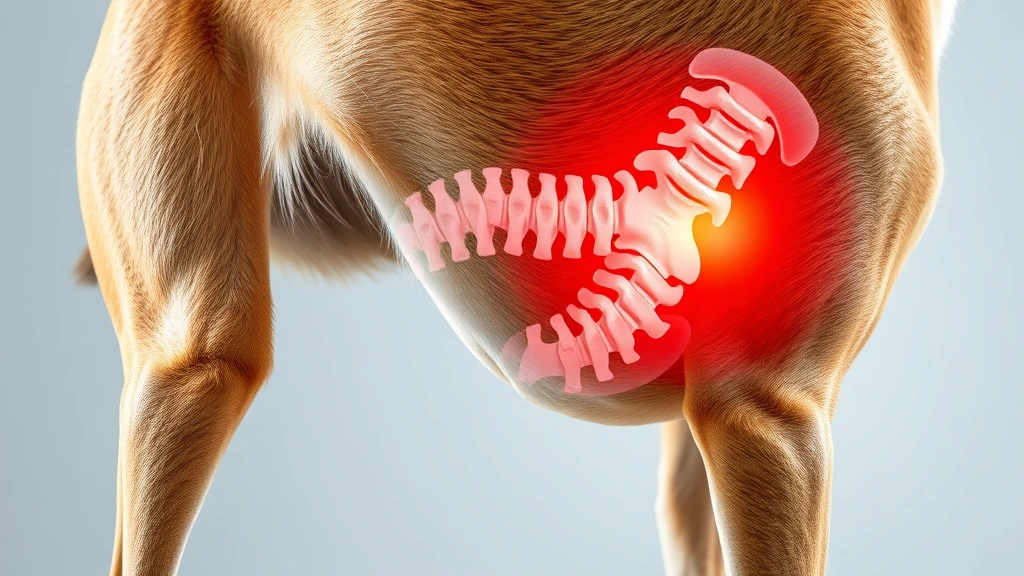
Arthritis is one of the most common reasons for hind leg weakness in dogs, particularly in senior dogs. This degenerative joint disease causes inflammation, pain, and reduced mobility in the affected joints. When arthritis affects the hips, knees, or lower back, dogs often struggle with their hind legs and may appear weak or reluctant to move.
Hip dysplasia is another significant joint problem that can cause hind leg weakness. This genetic condition involves improper development of the hip joint, leading to arthritis and pain. Large breed dogs are particularly susceptible to hip dysplasia, though it can affect any size dog.
Cruciate ligament injuries are also common causes of hind leg weakness. When the anterior cruciate ligament (ACL) in the knee tears or ruptures, dogs lose stability in that leg and may be unable to bear weight. This condition can affect one or both hind legs and may require surgical repair for full recovery.
Other joint-related issues include luxating patellas (knee cap dislocation), meniscal tears, and general inflammation from conditions like rheumatoid arthritis. Weight management, regular exercise, joint supplements, and anti-inflammatory medications can help manage these conditions and maintain your dog’s mobility.
Spinal Cord Injuries and Trauma
Acute spinal cord injuries from trauma are among the most serious causes of sudden hind leg weakness in dogs. These injuries can result from car accidents, falls from heights, rough play, or direct impact to the spine. Spinal cord trauma causes immediate inflammation and potential nerve damage, leading to rapid onset of weakness or paralysis.
Dogs that experience trauma-related spinal injuries often show obvious signs of distress and pain. They may cry out, be unable to move their hind legs, lose bowel or bladder control, or exhibit signs of severe pain when their spine is touched. These are medical emergencies requiring immediate veterinary attention.
The prognosis for spinal cord injuries depends on the severity of the damage and how quickly the dog receives treatment. Some dogs recover well with aggressive anti-inflammatory therapy and supportive care, while others may have permanent neurological deficits. MRI imaging is typically needed to assess the extent of the injury.
Prevention is key with spinal cord injuries. Avoiding high-impact activities, preventing falls, using proper safety measures in vehicles, and supervising your dog during play can significantly reduce injury risk.
Nerve and Neurological Conditions
Various neurological conditions can cause sudden hind leg weakness in dogs. Fibrocartilaginous embolism (FCE) is a condition where a piece of disc material enters a blood vessel supplying the spinal cord, cutting off blood flow to nerve tissues. This causes sudden, severe weakness or paralysis, typically affecting only one side of the body.
Lyme disease and other tick-borne illnesses can cause neurological symptoms including hind leg weakness. These infections affect the nervous system and can result in various mobility issues. Limping and weakness may develop days or weeks after tick exposure.
Myasthenia gravis is an autoimmune neuromuscular disorder that causes progressive weakness, particularly in the hind legs. Dogs with this condition often show fatigue that worsens with activity and improves with rest. Certain breeds like Jack Russell Terriers and Springer Spaniels are predisposed to this condition.
Other neurological causes include nerve root tumors, meningitis, encephalitis, and various inherited neurological disorders. Proper diagnosis through neurological examination and imaging is essential for determining the underlying cause.
Metabolic and Endocrine Disorders
Several metabolic and endocrine conditions can manifest as hind leg weakness. Cushing’s disease, for example, can cause muscle weakness and atrophy over time. While final stages of Cushing’s disease in dogs may present with severe weakness, earlier stages can also cause mobility issues.
Hypothyroidism, where the thyroid gland doesn’t produce enough thyroid hormone, can cause muscle weakness, lethargy, and reduced mobility. This condition is relatively common in middle-aged and older dogs and is easily managed with thyroid hormone replacement therapy.
Diabetes and other metabolic disorders can also cause weakness and reduced mobility. High blood sugar levels can damage nerves (diabetic neuropathy), leading to weakness in the hind legs. Additionally, electrolyte imbalances and nutritional deficiencies can cause muscle weakness.
Myositis, inflammation of the muscles, is another metabolic condition that can cause hind leg weakness. This can be immune-mediated or infectious in nature and requires specific treatment based on the underlying cause.
Hyperadrenocorticism and other hormonal imbalances should be considered when investigating sudden weakness, particularly in dogs with other signs of systemic disease.
Toxins and Medication Side Effects
Exposure to certain toxins can cause acute hind leg weakness in dogs. Heavy metal poisoning, particularly from lead or thallium, can cause neurological symptoms including weakness and paralysis. Certain medications used to treat other conditions may also have side effects that include muscle weakness or neurological complications.
Some dogs may experience adverse reactions to medications, including weakness or neurological symptoms. If your dog develops sudden weakness shortly after starting a new medication, contact your veterinarian immediately. Don’t stop the medication without professional guidance, as some conditions require continued treatment despite side effects.
Toxins from plants, foods, or environmental sources can also cause acute neurological symptoms. Strychnine poisoning, organophosphate exposure, and other toxins can cause severe weakness, paralysis, or seizures. If you suspect toxin exposure, seek emergency veterinary care immediately.
Always inform your veterinarian of any substances your dog may have been exposed to, including medications, supplements, pesticides, or unusual foods. This information is crucial for accurate diagnosis and treatment.
Symptoms and Warning Signs
Understanding the signs of hind leg weakness can help you identify problems early. Common symptoms include:
- Difficulty standing or rising: Your dog may struggle to get up from a lying or sitting position, or may need assistance standing.
- Dragging or shuffling hind legs: The back feet may not lift properly during walking, causing them to drag or shuffle.
- Loss of coordination (ataxia): Your dog may appear uncoordinated or wobbly in the hind legs, similar to intoxication.
- Reluctance to climb stairs or jump: Dogs may avoid activities that require hind leg strength.
- Incontinence: Loss of bowel or bladder control can indicate spinal cord involvement.
- Pain or sensitivity: Your dog may cry out, show pain when touched, or exhibit signs of discomfort.
- Toe knuckling: The tops of the feet may drag or the toes may curl under, indicating nerve damage.
- Progressive weakness: Symptoms may worsen over hours, days, or weeks depending on the underlying cause.
Some dogs also display behavioral changes associated with pain or mobility loss, including decreased appetite, reluctance to exercise, or increased irritability.
When to Seek Emergency Help
Certain situations require immediate emergency veterinary attention. Seek emergency care if your dog experiences:
- Sudden onset of complete paralysis or inability to move hind legs
- Loss of bowel or bladder control accompanied by hind leg weakness
- Severe pain or inability to get comfortable
- Recent trauma or injury followed by weakness
- Rapid progression of weakness over hours
- Inability to stand or support any weight on hind legs
- Signs of spinal trauma (inability to feel back legs when touched)
- Fever combined with hind leg weakness
Even if symptoms seem mild, any sudden change in your dog’s mobility warrants a veterinary evaluation. Early intervention often leads to better outcomes, particularly for conditions like IVDD and spinal cord injuries. Don’t wait to see if symptoms improve on their own—contact your veterinarian or emergency clinic promptly.
Diagnosis and Treatment Options
Your veterinarian will conduct a thorough physical and neurological examination to identify the cause of hind leg weakness. This examination includes testing reflexes, sensation, and coordination, as well as palpating the spine and joints for pain or abnormalities.
Diagnostic imaging is often necessary for accurate diagnosis. X-rays can reveal joint problems, bone abnormalities, and some spinal issues. MRI provides detailed images of the spinal cord and soft tissues, making it the gold standard for diagnosing conditions like IVDD and spinal cord compression. CT scans may also be used in some cases.
Blood work and urinalysis help identify metabolic, endocrine, and infectious causes. Specific tests might include thyroid function tests, blood glucose levels, and screening for tick-borne diseases. Genetic testing is available for certain hereditary conditions like degenerative myelopathy.
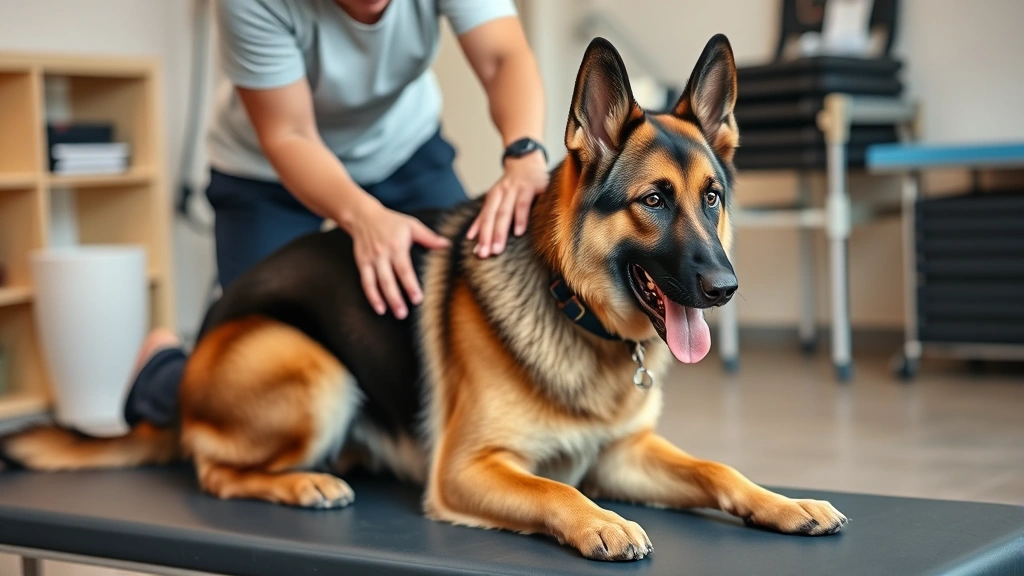
Treatment varies depending on the underlying cause. Conservative management may include rest, anti-inflammatory medications, pain management, and physical therapy. Surgical intervention may be necessary for conditions like IVDD with severe compression or cruciate ligament tears. Supportive care, including mobility aids and environmental modifications, helps maintain quality of life for dogs with progressive conditions.
According to the American Kennel Club Canine Health Foundation, early diagnosis and appropriate treatment significantly improve outcomes for many causes of hind leg weakness. Working closely with your veterinarian and potentially a veterinary neurologist ensures your dog receives the best possible care.
Frequently Asked Questions
Can hind leg weakness in dogs be cured?
The answer depends on the underlying cause. Some conditions like ligament injuries can be surgically repaired with good outcomes. Others like IVDD may be managed through conservative or surgical treatment. Progressive conditions like degenerative myelopathy cannot be cured but can be managed to slow progression and maintain quality of life. Early diagnosis and appropriate treatment maximize the chances of improvement or recovery.
How quickly does hind leg weakness progress?
Progression varies widely depending on the cause. Traumatic injuries may cause sudden, complete loss of function within minutes. Conditions like IVDD can develop suddenly or gradually. Progressive neurological diseases like degenerative myelopathy typically develop over weeks to months. Your veterinarian can provide specific information about expected progression for your dog’s particular condition.
Is hind leg weakness painful for dogs?
Many causes of hind leg weakness are painful, particularly those involving spinal compression or joint disease. However, some neurological conditions like degenerative myelopathy are painless. Your veterinarian will assess your dog’s pain level and recommend appropriate pain management strategies to keep your dog comfortable.
Can physical therapy help dogs with hind leg weakness?
Yes, physical therapy and rehabilitation can be very beneficial for many dogs with hind leg weakness. Therapeutic exercises, swimming, and other modalities help maintain muscle strength, improve coordination, and promote recovery. Certified rehabilitation therapists can develop customized exercise programs for your dog’s specific condition.
What is the prognosis for sudden hind leg weakness?
Prognosis varies considerably based on the cause, severity, and how quickly treatment is initiated. Many dogs recover well or achieve significant improvement with appropriate treatment. Some conditions have excellent prognoses, while others are more challenging. Your veterinarian can discuss specific prognosis information based on your dog’s diagnosis and individual circumstances.
How can I help my dog with hind leg weakness at home?
Several strategies can help: provide soft, non-slip flooring to prevent slipping; use ramps or steps to reduce jumping; provide elevated food and water bowls; consider mobility aids like harnesses or carts for severely affected dogs; maintain appropriate weight to reduce stress on joints; and follow your veterinarian’s exercise recommendations. Additionally, ensure your dog has easy access to bathroom areas and comfortable resting spots.
When should I consider end-of-life care?
Quality of life is the primary consideration. If your dog experiences severe, unmanageable pain, complete loss of mobility, or loss of bodily functions despite treatment, your veterinarian can discuss end-of-life options. However, many dogs with hind leg weakness can maintain good quality of life for extended periods with appropriate management. Understanding signs of declining health helps you make informed decisions about your dog’s care.





