What Color Do Dogs See Best? A Visual Guide
Ever wondered why your pup goes absolutely bonkers for that neon yellow tennis ball but seems to ignore the red one gathering dust in the corner? The answer isn’t that your dog is being picky—it’s actually rooted in fascinating science about how canine eyes work. Dogs don’t see the world in the vibrant rainbow of colors that we humans do. Instead, their vision is uniquely adapted to their evolutionary needs, creating a completely different visual experience. Understanding what color do dogs see best can help you choose better toys, training tools, and even home décor that actually appeals to your furry friend.
The truth is, your dog’s color vision is fundamentally different from yours. While humans see millions of color combinations thanks to three types of color receptors in our eyes, dogs only have two. This means their world is a bit more muted and simplified—but definitely not in black and white as popular myth suggests. Let’s dive into the colorful (or should we say, less colorful?) world of canine vision and discover exactly what your pup sees when they look at you, their toys, and the world around them.
How Dogs See the World Differently
To understand what color do dogs see best, we first need to understand the mechanics of canine vision. Dogs possess what scientists call dichromatic vision, which is similar to red-green colorblindness in humans. This doesn’t mean dogs see everything in shades of gray—that’s a common misconception. Instead, dogs see the world primarily in shades of blue and yellow, with various gradations in between.
The key difference lies in the photoreceptors in a dog’s retina. Humans have three types of cone cells that detect red, green, and blue light. Dogs only have two types: one that detects blue and one that detects yellow. According to research from the American Kennel Club, this evolutionary adaptation actually gives dogs superior night vision and motion detection—traits that were invaluable for their wolf ancestors hunting in low-light conditions.
What this means in practical terms is that your dog’s brain interprets colors differently than yours does. When you see a rainbow, your dog sees it as a progression from dark blue through light blue and white, to shades of yellow and brown. The greens and reds that pop so vibrantly to your eyes blend together into brownish or grayish tones for your pup. It’s not that dogs can’t see these colors; they simply perceive them as variations of the colors they’re equipped to process.
Interestingly, dogs also have approximately 250 million scent receptors compared to our measly 6 million, so while their color vision might be limited, they’re compensating in other sensory departments. Their eyes are also positioned differently on their heads, giving them a wider field of view—about 250 degrees compared to our 190 degrees. This means while dogs might not see colors as vividly as we do, they’re detecting movement and spatial relationships we’d miss entirely.
The Canine Color Spectrum: What Dogs See Best
When we talk about what color do dogs see best, blue and yellow reign supreme. These are the colors that pop most vividly in a dog’s visual world, and they’re the ones your pup can distinguish most clearly from other hues.
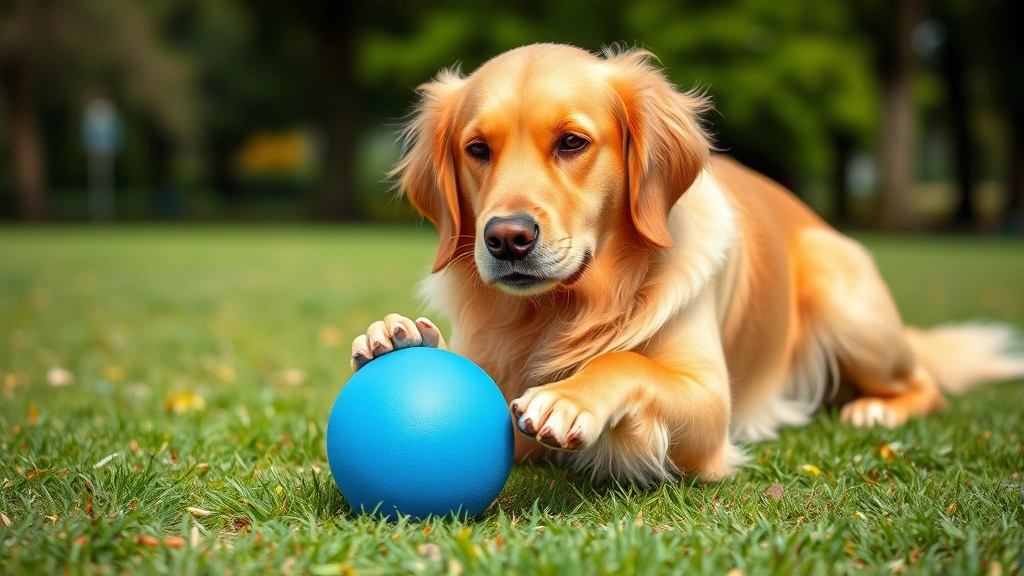
Blue is particularly striking to dogs. It’s one of the most saturated, vibrant colors in their visual spectrum. Dogs can see various shades of blue quite clearly—from deep navy to bright sky blue. This is why many dog toys are manufactured in shades of blue; manufacturers have actually figured out what works best for canine vision. If you want a toy that truly catches your dog’s attention visually, blue is your best bet.
Yellow is the other superstar color in the canine visual world. From pale cream to bright sunshine yellow, dogs perceive yellows quite well. This is actually why so many dog toys, tennis balls, and training equipment come in yellow or lime green shades. Interestingly, when you look at a lime green tennis ball, you’re seeing it as a bright yellow-green. Your dog, however, sees it as a yellowish tone—and that’s exactly why they find it so appealing.
The ASPCA notes that understanding these color preferences can significantly improve your dog’s engagement with their environment. Dogs will naturally gravitate toward toys and objects in colors they can see most clearly. This isn’t just about aesthetics; it’s about giving your dog toys they can actually see and enjoy properly.
Beyond blue and yellow, dogs can see various shades and tones. They can distinguish between light and dark versions of colors, and they can perceive grayscale. However, the further away a color is from blue or yellow on the spectrum, the more muted and indistinct it becomes to your pup. This is why understanding the canine color spectrum isn’t just trivia—it’s practical knowledge that can improve your dog’s quality of life.
Blue and Yellow: A Dog’s Best Friends
If you’re serious about choosing toys and enrichment items that your dog will actually find visually appealing, blue and yellow should be your go-to colors. These aren’t just arbitrary color choices; they’re based on solid science about how dogs’ eyes are structured.
Blue toys and objects stand out beautifully against most natural backgrounds. Grass, dirt, and wood—the typical environments where dogs play—provide neutral backdrops that make blue pop. This is why blue is such a popular choice for fetch toys, balls, and training equipment. When you throw a blue toy, your dog can track it easily through the air and locate it quickly on the ground. This visual clarity makes playtime more enjoyable and rewarding for your pup.
Yellow operates similarly but in a different way. Yellow appears bright and distinct to dogs, making it another excellent choice for toys and training tools. When you combine yellow with blue, you create a toy that’s maximally visible to your dog’s eyes. Some of the most effective dog toys on the market use these color combinations specifically because they optimize canine vision.
The practical takeaway here is simple: when shopping for toys, training dummies, or fetch equipment, gravitate toward blue and yellow options. Your dog will be able to see these items more clearly, which means they’ll engage with them more enthusiastically. It’s a small change that can make a big difference in your dog’s play experience and training success.
Why Red and Green Look Confusing to Dogs
This is where things get really interesting. If blue and yellow are your dog’s visual superstars, red and green are the confusing middle children of the canine color world.
Red appears to dogs as a shade of brown or dark gray. When you throw a red ball on green grass, you’re looking at a bright red object against a vibrant green background—a high-contrast visual scenario that’s easy for you to track. Your dog, however, is seeing a brownish object against a brownish background. The two colors blend together into similar tones, making it much harder for your pup to spot and track the toy. This is why red toys are generally considered less effective for dogs than blue or yellow alternatives.
Green presents a similar problem. To your eyes, green is a distinct primary color. To your dog, green appears as a shade of gray or tan. This is why so many dogs seem to have a harder time finding toys on grass—from their perspective, the toy and the ground are similar in color. It’s not that your dog has poor vision; it’s that the colors they’re being asked to track don’t provide enough contrast in their visual spectrum.
Understanding this color confusion explains a lot about dog behavior. If your dog struggles to find toys during fetch sessions, it might not be because they’re not paying attention—it could be because the toy is genuinely hard for them to see against the background. Switching to blue or yellow toys can dramatically improve their success rate and make the game more enjoyable for everyone involved.
Interestingly, this same principle applies to whether dogs can see orange. Orange, being a combination of red and yellow, appears to dogs as a yellowish-brown. Some orange toys work reasonably well for dogs, but they’re not as visually clear as pure blue or yellow options. If you want maximum visual impact, stick with the primary colors of the canine spectrum.
Practical Applications for Pet Owners
Now that you understand what color do dogs see best, let’s talk about how to use this knowledge practically. This isn’t just interesting trivia—it’s actionable information that can improve your dog’s quality of life, training success, and overall happiness.
Toy Selection
When choosing toys for your dog, prioritize blue and yellow. Look for balls, frisbees, and fetch toys in these colors. Check your toy box right now—if you have a lot of red toys, your dog might actually be struggling to see them during play. Replacing red toys with blue or yellow alternatives can make playtime more engaging and rewarding. This is especially important if you have an older dog or a breed with naturally less acute vision; color clarity becomes even more important in these cases.
Training Tools
Training equipment should also follow the blue-yellow color scheme. Training dummies, agility markers, and targeting tools in blue or yellow will be more visible to your dog, making training sessions more effective. Your dog will have an easier time understanding what you want them to do when they can clearly see the visual cues you’re providing.
Home Environment
Consider your dog’s living space. While you don’t need to repaint your entire house, you can make certain areas more visually accessible to your dog by using blue and yellow accents. Dog beds, water bowls, and feeding stations in these colors are easier for your dog to locate, which is especially helpful for senior dogs or puppies learning their way around.
To better understand your dog’s complete visual experience, it’s worth learning more about whether dogs can see at night. While color vision is one aspect of canine sight, night vision is equally important to their overall visual capabilities. Dogs have a reflective layer behind their retinas called the tapetum lucidum, which enhances their ability to see in low light—something that’s far more important to them than vibrant color vision.
Outdoor Play Considerations
When playing fetch or outdoor games, keep in mind that grass appears brownish to your dog. Blue toys will stand out beautifully against this background, while red toys will blend in. If you’re playing in a park with multiple dogs, using blue toys ensures your dog can track their toy without confusion. This is also a safety consideration—the more easily your dog can see their toy, the less likely they are to pick up someone else’s toy by mistake.
Photography and Video
If you’re taking photos or videos of your dog for social media or personal use, consider the background and toy colors. What looks great to your human eye might be harder for your dog to interact with. When you photograph your dog with a blue toy against a natural background, you’re capturing not just a cute moment—you’re showing a moment that was probably more visually engaging for your pup than it would have been with a red toy.
You might also be curious about other aspects of canine perception. For instance, whether dogs have eyebrows might seem unrelated to color vision, but it’s part of understanding how dogs communicate and perceive facial expressions. While dogs can’t see colors as vividly as we do, they’re incredibly skilled at reading human facial expressions and body language.
Another fascinating related topic is understanding why dogs love tennis balls so much. While the texture and bounce certainly play a role, the color is a major factor too. Most tennis balls are a bright yellow-green, which appears as a vibrant yellow to your dog—the perfect color for catching their visual attention during play.
For more detailed information about canine color perception, the Veterinary Partner provides excellent resources on how dog vision compares to human vision across multiple dimensions. Understanding these differences helps us become better pet owners and create environments where our dogs can thrive.
Frequently Asked Questions
Can dogs see all colors?
No, dogs cannot see all colors the way humans do. Dogs have dichromatic vision, meaning they see primarily in shades of blue and yellow. Red and green appear as variations of brown or gray to them. However, they’re not completely colorblind—they just perceive a more limited color spectrum than humans.
Do dogs see in black and white?
This is a common myth, but it’s not accurate. Dogs don’t see in black and white. They see in shades of blue, yellow, and gray. While their color vision is more limited than humans’, they definitely perceive colors—just not the full rainbow that we see.
What’s the best color for dog toys?
Blue and yellow are the best colors for dog toys. These colors appear most vividly to dogs and provide good contrast against natural environments like grass and dirt. Blue toys are particularly popular because they stand out well and are easy for dogs to track during play.
Why do dogs struggle to find red toys on grass?
Red appears to dogs as a shade of brown or gray, similar to how grass appears to them. This lack of contrast makes red toys hard to spot on grass. Blue and yellow toys provide much better visual contrast and are easier for dogs to locate.
Does color vision affect dog training?
Yes, absolutely. Using training tools and markers in blue or yellow makes training more effective because your dog can see them more clearly. This visual clarity helps your dog understand what you’re asking them to do and improves overall training success rates.
Can dogs see purple or pink?
Dogs perceive purple as a shade of blue, and pink as a pale brown or tan. These colors aren’t as visually striking to dogs as pure blue or yellow, so they’re less ideal for toys and training tools.
How does dog color vision compare to other animals?
Dogs’ dichromatic vision is similar to red-green colorblind humans. However, many animals have even more limited color vision than dogs. Cats, for example, have similar color vision to dogs. Some animals, like birds and mantis shrimp, can actually see more colors than humans through additional color receptors.
Should I avoid red toys entirely?
While red isn’t ideal, you don’t need to throw out all your red toys. If your dog enjoys a red toy and can track it reasonably well, there’s no harm in occasional use. However, for primary play and training tools, blue and yellow options are significantly more effective and visually engaging for your pup.