
What Color Should Dogs’ Gums Be? A Vet-Approved Guide to Canine Oral Health
Your dog’s gums are like a window into their overall health, and most pet parents have absolutely no idea what they’re looking at. We spend so much time checking our own teeth in the mirror, but when was the last time you took a peek inside your furry friend’s mouth? If you’re scratching your head wondering what color those gums should actually be, you’re not alone. The truth is, your dog’s gum color can tell you volumes about whether they’re healthy as a horse or crying out for veterinary attention.
Think of your dog’s gums as a health indicator that’s always on duty. Just like a human’s gums reveal signs of gum disease, poor nutrition, and systemic health issues, your dog’s gums are constantly broadcasting important health signals. The problem? Most of us don’t know how to read the signs. In this comprehensive guide, we’re going to break down everything you need to know about canine gum color, what’s normal, what’s concerning, and when you absolutely need to call your vet.
Whether you’re a first-time dog owner or a seasoned pet parent, understanding gum health is a simple yet powerful way to catch problems early and keep your pup living their best life. Let’s dive in and become gum-color detectives together!
What Color Should Healthy Dog Gums Be?
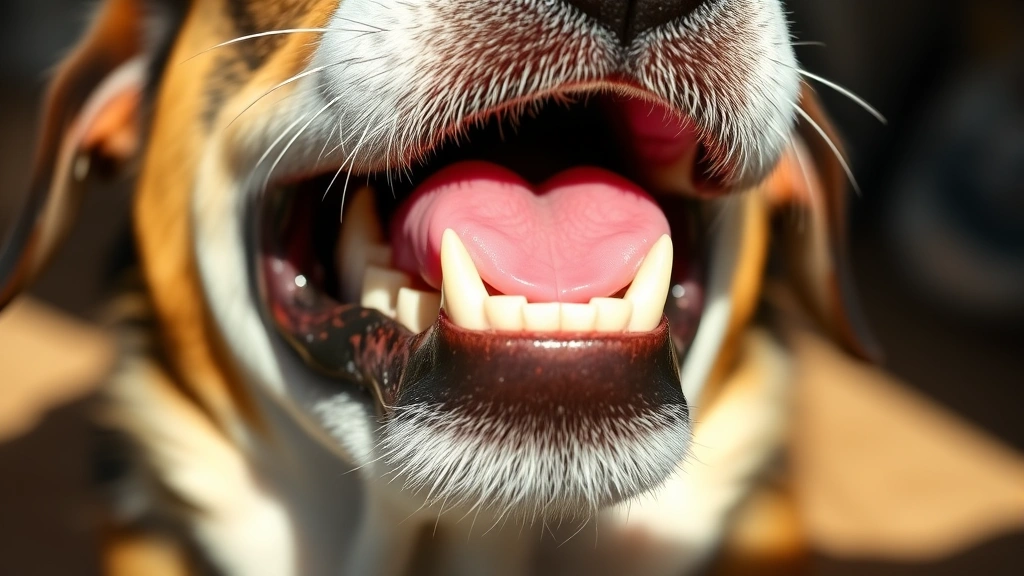
Healthy dog gums should be a nice, rosy pink color—similar to the color of a healthy human’s gums. This pink hue comes from the rich blood supply flowing through the tissue. The color should be consistent across the entire gum line, with no pale spots, dark patches, or unusual discoloration. When you gently lift your dog’s lip and look at their gums, you want to see that vibrant pink shade that indicates excellent blood circulation and a healthy mouth.
The gums should also feel firm to the touch, not spongy or overly soft. When you press gently on a healthy gum with your finger, the tissue should blanch (turn white) momentarily and then quickly return to that rosy pink color. This quick return is incredibly important because it tells you that blood is flowing properly to the area. If the gums stay pale or take a long time to return to pink, that’s a red flag worth investigating with your vet.
It’s worth noting that some dogs naturally have darker pigmentation in their gums, similar to how humans have varying skin tones. Black or heavily pigmented gums can be completely normal for certain breeds. What matters is consistency—if your dog’s gums have always been dark and remain that way, and they’re firm and healthy, there’s typically nothing to worry about. The key is knowing what’s normal for your individual dog.
Abnormal Gum Colors and What They Mean
Now let’s talk about the colors that should make you sit up and take notice. Understanding what different gum colors indicate can help you catch health problems before they become serious.
Pale or White Gums
Pale gums are one of the most concerning signs you can see in your dog’s mouth. This typically indicates poor blood circulation, which can be caused by several serious conditions. Anemia, shock, internal bleeding, or severe dehydration can all cause gums to lose their healthy pink color. If you notice your dog’s gums are pale, this is not a wait-and-see situation—it’s time to contact your veterinarian immediately. Pale gums combined with other symptoms like lethargy or rapid breathing warrant emergency veterinary care.
Bright Red or Inflamed Gums
While a healthy pink is good, bright red gums suggest inflammation or infection. This is commonly seen in dogs with excessive panting or stress, but persistent redness often indicates periodontal disease, gingivitis, or other oral infections. The gums may also be swollen and might bleed when you touch them. If your dog has bright red gums along with bad breath, this is a classic sign of dental disease that needs professional attention.
Yellow or Jaundiced Gums
When gums take on a yellowish hue, it’s often a sign of jaundice, which indicates liver problems or other serious systemic issues. This is definitely a call-your-vet-immediately situation. Jaundice means there’s an accumulation of bilirubin in the bloodstream, and your dog needs professional evaluation and treatment.
Blue or Purple Gums
Cyanotic gums (blue or purple tinged) indicate inadequate oxygen in the bloodstream. This is a medical emergency. Heart disease, respiratory problems, or severe shock can cause this discoloration. If you see blue or purple gums, your dog needs emergency veterinary care right now.
Black or Dark Purple Spots
Small black or dark purple spots on the gums can sometimes be normal pigmentation, but if they appear suddenly or are accompanied by other symptoms, they could indicate bleeding, bruising, or melanoma. Have your vet check any new or changing spots.

How to Check Your Dog’s Gum Color
Checking your dog’s gums is easier than you might think, and it’s something you should do regularly—ideally once a week or whenever you notice something seems off. Here’s the proper technique:
- Get comfortable: Make sure both you and your dog are in a relaxed state. This isn’t an emergency exam, so take your time.
- Lift the lip gently: Use your thumb or finger to gently pull back your dog’s upper or lower lip to expose the gums.
- Look at the color: Examine the gum color in good lighting. You want to see that consistent rosy pink.
- Check for consistency: Make sure the color is uniform across the entire gum line, not blotchy or patchy.
- Feel the texture: Run your finger gently along the gums to make sure they feel firm, not spongy or tender.
- Note any odor: While you’re in there, take a whiff. Healthy gums shouldn’t have a foul smell. Bad breath can indicate dental disease.
- Perform the capillary refill test: Press gently on the gum with your finger for a second, then release. The area should turn white and quickly return to pink (within 1-2 seconds).
Make this a routine part of your pet care. You don’t need any special equipment—just your eyes and your finger. If your dog is resistant to having their mouth handled, start slowly and reward them with treats to make it a positive experience.
Common Gum Diseases in Dogs
Periodontal disease is incredibly common in dogs, affecting a huge percentage of our canine companions. Understanding the progression of gum disease can help you catch problems early.
Gingivitis
Gingivitis is the earliest stage of gum disease, characterized by inflammation of the gums. You’ll notice red, swollen gums that may bleed when you touch them or when your dog chews. Bad breath becomes noticeable at this stage. The good news? Gingivitis is often reversible with proper dental care and professional cleaning.
Periodontitis
If gingivitis is left untreated, it progresses to periodontitis, where the infection spreads deeper into the tissues supporting the teeth. At this stage, you might notice your dog has loose teeth, difficulty eating, or excessive drooling. Periodontitis causes permanent damage to the structures supporting the teeth, and teeth may be lost.
Advanced Periodontal Disease
In severe cases, periodontal disease can lead to tooth loss, bone loss, and systemic infection. Dogs with advanced dental disease are at risk for kidney, heart, and liver problems because bacteria from the mouth can enter the bloodstream. This is why maintaining healthy gums isn’t just about oral health—it’s about overall wellness.
According to the American Association of Feed Control Officials, dental health is a critical component of canine nutrition and wellness. Poor gum health can affect your dog’s ability to eat properly and absorb nutrients effectively.
The Capillary Refill Test Explained
The capillary refill test (CRT) is one of the most important assessments you can perform on your dog at home. This simple test tells you whether blood is circulating properly to your dog’s tissues, which is crucial for detecting shock, dehydration, and other serious conditions.
Here’s how to perform the test:
- Locate a spot on your dog’s gum where there’s no pigmentation (pink gum tissue).
- Press down firmly with your finger for about one second.
- Release and count how quickly the color returns to pink.
- Normal capillary refill time should be 1-2 seconds.
If the refill time is longer than 2 seconds, it could indicate poor circulation, shock, dehydration, or heart problems. This warrants a veterinary visit. If your dog is also experiencing fast breathing along with a slow capillary refill, this could be an emergency situation.
The CRT is so useful that veterinarians use it as part of their standard physical examination. Learning to perform it yourself gives you an extra tool for monitoring your dog’s health at home.
When to Call Your Veterinarian
You should contact your veterinarian if you notice any of the following:
- Gums that are consistently pale, white, yellow, blue, or purple
- Bright red or severely inflamed gums that don’t improve
- Bleeding gums or bleeding from the mouth
- Swollen gums or facial swelling
- Loose or missing teeth
- Difficulty eating or dropping food from the mouth
- Excessive drooling or drooling that smells foul
- Lumps, bumps, or sores in the mouth
- A capillary refill time longer than 2 seconds
- Bad breath that’s suddenly worse than usual
- Your dog seems to be in pain when eating
If your dog is also experiencing signs of illness along with gum discoloration, don’t wait for a regular appointment—call your vet immediately or visit an emergency clinic.
In true emergencies—such as blue gums, severe pale gums, or choking—go straight to the emergency veterinary clinic. These situations can deteriorate rapidly, and your dog needs immediate professional care.
Maintaining Healthy Gums
Prevention is always easier than treatment when it comes to gum health. Here are the best ways to keep your dog’s gums healthy:
Regular Brushing
Brushing your dog’s teeth daily is the gold standard for preventing dental disease. Use a dog-specific toothbrush and toothpaste (never use human toothpaste). Even brushing 3-4 times per week makes a significant difference. Start slowly if your dog isn’t used to it, and make it a positive experience with praise and treats.
Professional Dental Cleanings
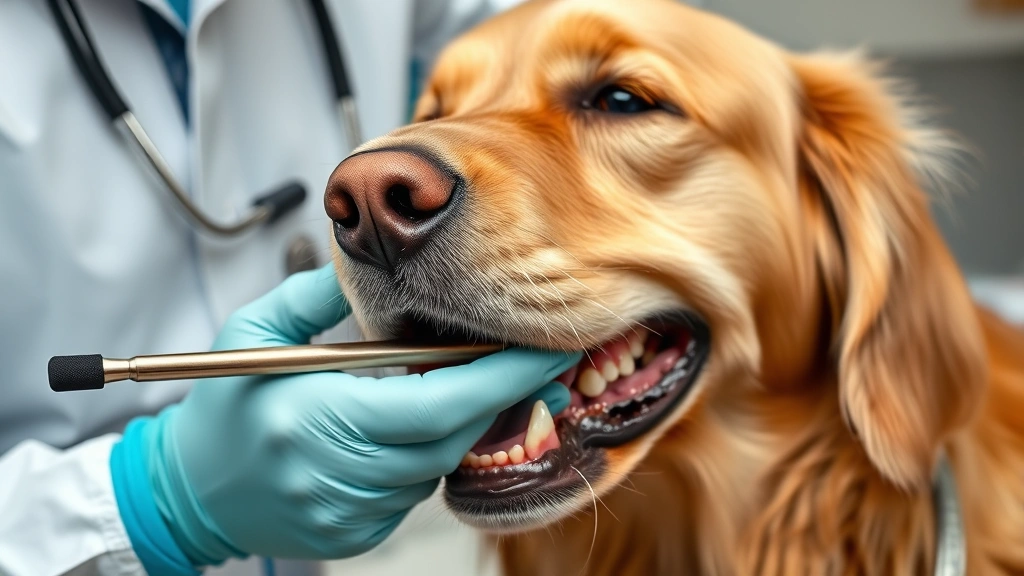
Most dogs benefit from professional dental cleanings performed by a veterinarian. These cleanings remove tartar and plaque buildup that brushing alone can’t remove. Your vet can recommend how often your individual dog needs cleanings based on their age, breed, and current dental health. According to the American Animal Hospital Association, regular professional cleanings are essential for preventing advanced periodontal disease.
Dental Diets and Treats
Some dog foods are specifically formulated to help reduce plaque and tartar buildup. Dental chews and treats designed to promote oral health can also help. Look for products that have been approved by the Veterinary Oral Health Council.
Appropriate Chewing
Providing appropriate chewing opportunities helps keep teeth clean naturally. Dental chews, rubber toys, and other safe chewing options can help reduce plaque buildup. However, avoid overly hard items that could crack teeth.
Regular Veterinary Exams
During your dog’s annual or bi-annual veterinary exams, the vet should examine the gums and teeth. Early detection of gum disease makes treatment much more successful. Don’t skip these checkups!
Proper Nutrition
A high-quality diet supports overall health, including oral health. Make sure your dog is getting proper nutrition with appropriate levels of vitamins and minerals that support bone and gum health.
Monitor for signs of systemic illness
Since gum health reflects overall health, maintaining good general wellness supports healthy gums. Keep your dog at a healthy weight, ensure they get regular exercise, and keep them up-to-date on vaccinations and preventive care.
Frequently Asked Questions
Can gum color change suddenly in dogs?
Yes, sudden changes in gum color can indicate acute health problems and warrant immediate veterinary attention. Gradual changes over time are usually less urgent but should still be evaluated. Any sudden paleness, redness, or discoloration should prompt a call to your vet.
Is it normal for dogs to have spotted or patchy gum color?
Some dogs naturally have pigmented spots on their gums, which is completely normal. However, if your dog develops new spots or if the pattern changes, have your vet check it out. Consistency is key—if it’s always been that way and your dog is healthy, it’s likely normal.
Why do some dogs have black gums?
Black or heavily pigmented gums are normal for many dog breeds and individual dogs. This is just like how humans have different skin tones. As long as the gums are firm, your dog’s breath is fresh, and they’re eating normally, pigmented gums are nothing to worry about.
What does it mean if my dog’s gums bleed easily?
Easy bleeding gums usually indicate gingivitis or other gum disease. It can also indicate bleeding disorders, vitamin K deficiency, or other systemic problems. Bleeding gums warrant a veterinary evaluation.
How often should I check my dog’s gums?
Ideally, check your dog’s gums weekly as part of your regular pet care routine. This helps you establish what’s normal for your dog and makes it easier to spot changes. If your dog has a history of dental disease, check them more frequently.
Can I treat gum disease at home?
Mild gingivitis can sometimes be managed with improved dental hygiene at home, but professional veterinary treatment is usually necessary. Your vet may recommend professional cleaning, antibiotics, or other treatments depending on the severity. Never try to self-diagnose or self-treat gum disease without consulting your vet.
Are certain breeds more prone to gum disease?
Yes, small breeds tend to have more dental problems than large breeds. Breeds like Chihuahuas, Yorkshire Terriers, and Dachshunds are particularly prone to periodontal disease. However, any dog can develop gum disease, so preventive care is important for all breeds.
What’s the connection between gum health and overall health?
Poor gum health allows bacteria to enter the bloodstream, which can lead to infections in the heart, kidneys, and liver. Studies have shown that dogs with advanced periodontal disease have higher risks of systemic disease. This is why maintaining healthy gums is crucial for your dog’s overall longevity and quality of life. The American Veterinary Medical Association emphasizes the importance of oral health in comprehensive pet care.
Can I use human toothpaste on my dog?
Never use human toothpaste on your dog. Human toothpaste contains fluoride and other ingredients that can be toxic to dogs. Always use dog-specific toothpaste, which is formulated to be safe if swallowed.





