
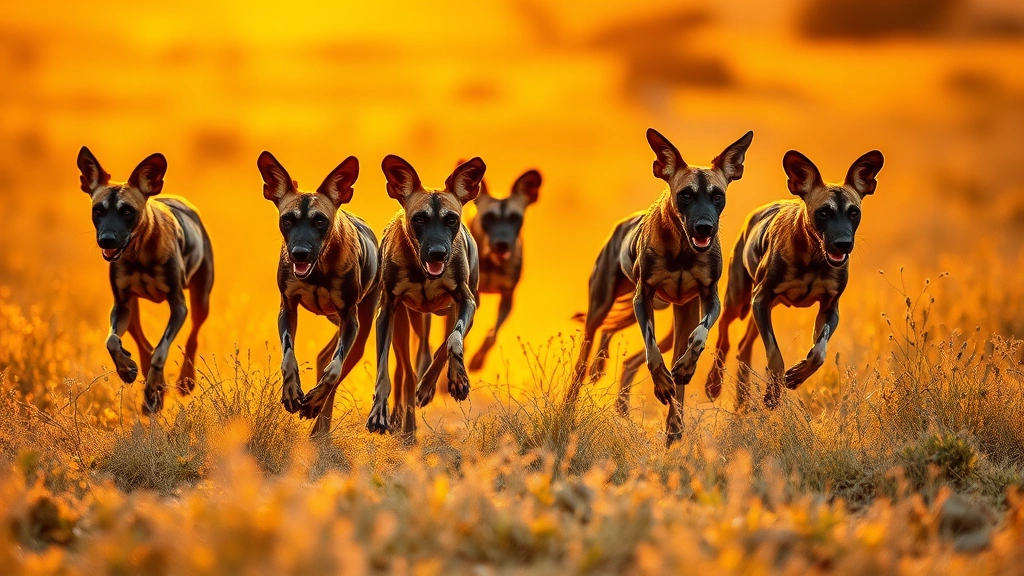
If you’ve ever wondered what do African hunting dogs eat, you’re in for a wild ride—literally. These magnificent pack hunters, also known as African wild dogs or painted wolves, have one of the most efficient hunting strategies in the animal kingdom, and their diet reflects their apex predator status. Unlike your couch potato golden retriever, African hunting dogs are built for the chase, and their nutritional needs are as intense as their lifestyle.
Table of Contents
- Understanding African Hunting Dogs and Their Natural Diet
- Protein Requirements: The Foundation of Their Diet
- Fat and Caloric Intake for Energy
- Whole Prey Feeding vs. Commercial Diets
- Micronutrients and Organ Meats
- Hydration and Moisture Content
- Seasonal and Prey Variation in the Wild
- Comparison to Other Wild Canids
- Feeding in Captivity: Best Practices
- What NOT to Feed African Hunting Dogs
- Health Implications of Diet
- Frequently Asked Questions
- Conclusion: Meeting the Dietary Needs of Africa’s Super-Predators
Understanding African Hunting Dogs and Their Natural Diet
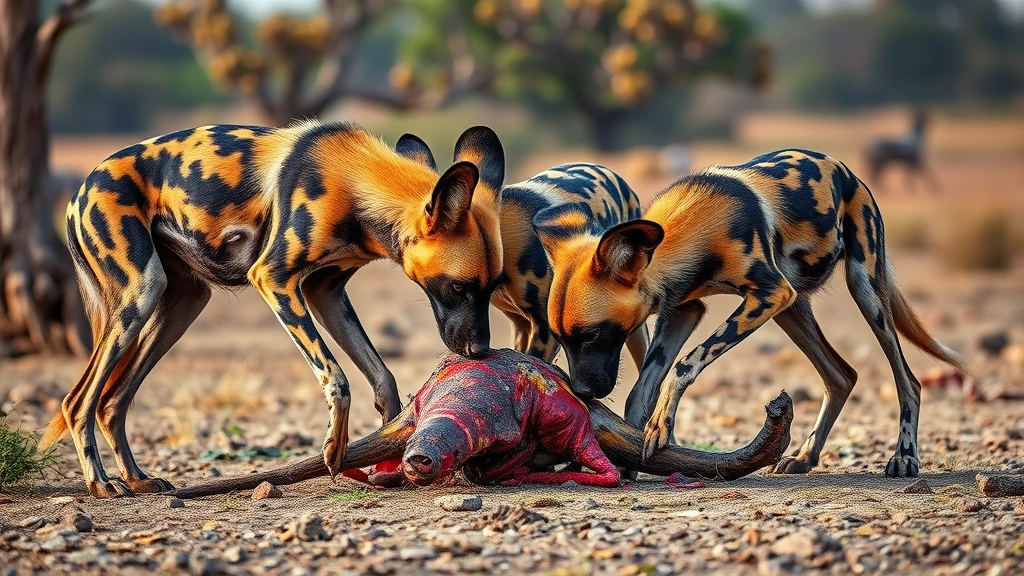
African hunting dogs are carnivorous specialists that evolved to hunt large prey across the savannas of Africa. In the wild, their diet consists almost entirely of meat from ungulates—think zebras, wildebeest, and antelopes. These dogs hunt in coordinated packs of 5-30 individuals, using sophisticated communication and teamwork that would make a military unit jealous. When they make a kill, they consume it entirely, bones and all, which means they’re getting a complete nutritional profile from their prey.
The composition of their natural diet is roughly 80-90% muscle meat, with the remaining percentage coming from organs, bones, and occasionally vegetation found in the stomach contents of their prey. This high-protein, fat-rich diet fuels their incredible endurance and speed—they can reach 40 mph and maintain a 70% hunt success rate, the highest of any large African predator.
Protein Requirements: The Foundation of Their Diet
African hunting dogs require significantly more protein than domestic dogs. While your average pet dog needs about 18-25% crude protein, African hunting dogs thrive on diets containing 30-40% protein or higher. This isn’t just preference—it’s biological necessity. Their lean, muscular bodies demand constant protein replenishment for muscle maintenance, repair, and the energy expenditure required for hunting.
In captive settings, zoos and wildlife facilities typically feed these dogs whole prey items or high-quality commercial carnivore diets formulated specifically for wild canids. The protein comes from sources like beef, poultry, game meats, and fish. Some facilities rotate between different protein sources to mimic the dietary variety they’d experience in nature.
Fat and Caloric Intake for Energy
Here’s where African hunting dogs really differ from domestic breeds: they need serious calories. A single African hunting dog can consume up to 3-4 pounds of meat in one feeding, which might seem excessive until you consider they might not eat again for several days. This feast-or-famine pattern is natural for wild predators and explains why they’ve evolved to be such efficient hunters—missing meals is part of their survival strategy.
The fat content in their diet is crucial. Fats provide more than twice the calories per gram compared to protein or carbohydrates, making them essential for maintaining energy during long hunts. In the wild, they consume organs like liver and kidneys, which are rich in fats and micronutrients. This is why whole-prey feeding is considered the gold standard for captive African hunting dogs.
Whole Prey Feeding vs. Commercial Diets
Wildlife facilities and zoos have two primary approaches to feeding African hunting dogs. The first is whole-prey feeding, where the dogs consume entire prey animals—rabbits, chickens, or specially-raised game animals. This method provides complete nutrition, including bones for calcium, organs for micronutrients, and the psychological enrichment of natural feeding behavior.
The second approach uses commercial carnivore diets, which are formulated to replicate whole-prey nutrition. Quality matters enormously here. When evaluating options like Is Victor Dog Food Good?, you’re looking for foods with whole meat as the primary ingredient, minimal fillers, and appropriate nutrient profiles. Some facilities also incorporate Is Fresh Pet Good for Dogs? as part of their feeding rotation, though African hunting dogs require higher-quality, more specialized nutrition than standard pet food formulations.
Micronutrients and Organ Meats
African hunting dogs need more than just muscle meat and fat. The organs they consume in the wild—liver, kidneys, heart, and intestines—provide essential micronutrients including taurine, vitamins A, D, E, and B-complex vitamins, and minerals like zinc and iron. In captive feeding programs, this is why whole-prey feeding is preferred, or why commercial diets must be carefully formulated to include organ meat meals and appropriate supplementation.
Taurine is particularly important for canids. While domestic dogs can synthesize taurine, African hunting dogs, like many wild canids, benefit from dietary taurine supplementation. This amino acid is crucial for heart health, vision, and reproductive function. Any quality carnivore diet for these animals will include adequate taurine levels.
Hydration and Moisture Content
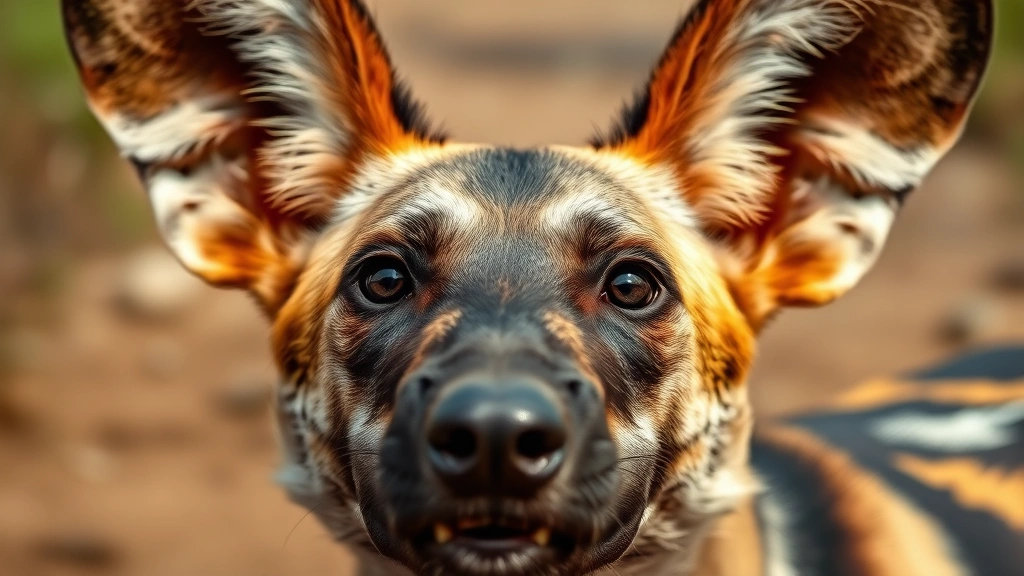
In their natural African habitat, African hunting dogs obtain significant moisture from the blood and body fluids of their prey. This high-moisture diet is vastly different from dry kibble-based feeding. Captive African hunting dogs fed whole prey or raw diets naturally consume adequate water as part of their food, whereas those on dry commercial diets require constant access to fresh water and may need dietary adjustments to account for lower moisture content.
This is one reason why some wildlife nutritionists advocate for raw or minimally processed diets for captive African hunting dogs—they more closely replicate the moisture and nutrient bioavailability of their natural diet.
Seasonal and Prey Variation in the Wild
The diet of wild African hunting dogs varies seasonally based on prey availability. During wet seasons when ungulate populations are dispersed, they might hunt smaller prey more frequently. During dry seasons, larger prey concentrations make bigger kills possible. This natural variation in prey species—and thus in the specific nutritional profile of their diet—is something captive feeding programs try to replicate through rotating protein sources.
They’re also known to consume vegetation occasionally, though this is minimal. When they do eat plant matter, it’s typically from the stomach contents of their prey rather than deliberate foraging. Unlike domestic dogs, African hunting dogs show little interest in plant-based foods.
Comparison to Other Wild Canids
African hunting dogs have different dietary needs compared to other wild canids like wolves or hyenas. Wolves can survive on leaner prey and have more metabolic flexibility, while African hunting dogs are specialized hunters requiring higher prey success rates and more consistent protein intake. Hyenas, being more omnivorous scavengers, can survive on a broader range of foods. African hunting dogs occupy a unique ecological niche as obligate carnivores with very specific nutritional requirements.
Feeding in Captivity: Best Practices
Zoos and wildlife facilities that maintain African hunting dogs follow strict nutritional guidelines developed through decades of research. The Association of Zoos and Aquariums (AZA) provides detailed recommendations for feeding these animals. Most facilities feed whole prey 4-5 times per week, allowing for natural fasting periods. This mimics their wild feeding pattern and supports digestive health.
Some facilities also incorporate specialized supplements, particularly when using commercial diets. These might include fish oil for omega fatty acids, taurine supplements, and vitamin E. The goal is always to replicate the complete nutritional package they’d receive from hunting and consuming whole prey in the wild.
When evaluating commercial options, facilities avoid products like Is Gravy Train Good for Dogs?, which is formulated for domestic pets and lacks the nutrient density and protein concentration African hunting dogs require. Instead, they seek out carnivore-specific formulations or raw diet options.
What NOT to Feed African Hunting Dogs
Certain foods are completely inappropriate for African hunting dogs. Grains and high-carbohydrate diets can lead to digestive issues and obesity in captive animals. Foods toxic to canines—like chocolate, avocado, and xylitol—are obviously off-limits. Additionally, processed foods with excessive salt, artificial preservatives, or fillers have no place in their diet.
Items like Is Rawhide Bad for Dogs? are generally avoided for African hunting dogs, as are other processed chews designed for domestic pets. Similarly, Is Pepperoni Bad for Dogs? and other human foods are inappropriate for these specialized predators.
Health Implications of Diet
A proper diet is fundamental to African hunting dog health in captivity. Inadequate nutrition can lead to muscle wasting, poor coat condition, compromised immune function, and reproductive issues. Conversely, overfeeding can cause obesity, which is a common problem in captive wild animals and leads to joint problems, metabolic disorders, and reduced lifespan.
Nutritional research on African hunting dogs continues to evolve. Recent studies have examined the role of specific amino acids, the optimal ratio of muscle meat to organs, and the long-term health impacts of different feeding protocols. This ongoing research helps zoos and facilities continuously improve their feeding practices.
Frequently Asked Questions
Can African hunting dogs eat the same food as domestic dogs?
No, African hunting dogs have specialized nutritional requirements that exceed those of domestic dogs. They require higher protein levels (30-40% vs. 18-25%), more calories, and a diet composition closer to whole prey. Standard dog foods, even premium ones, are formulated for domestic canines and lack the nutrient density African hunting dogs need.
How much do African hunting dogs eat per day?
In the wild, African hunting dogs don’t eat daily. They might consume 3-4 pounds of meat in a single feeding, then fast for several days. In captivity, feeding protocols typically provide meals 4-5 times per week at similar quantities, mimicking their natural feast-and-famine cycle.
Do African hunting dogs need supplements?
When fed whole prey, African hunting dogs obtain complete nutrition without additional supplements. However, facilities using commercial diets often supplement with taurine, fish oil for omega fatty acids, and vitamin E to ensure optimal nutrition. Any supplementation should be guided by a veterinary nutritionist specializing in wild canids.
What’s the difference between African hunting dogs and domestic dogs nutritionally?
African hunting dogs are obligate carnivores with minimal metabolic flexibility, requiring consistent high-protein, high-fat diets. Domestic dogs, through thousands of years of domestication, have evolved greater dietary flexibility and can derive nutrition from more varied sources. African hunting dogs lack these adaptations and need diets closely mimicking their wild prey consumption.
Are there ethical considerations for feeding African hunting dogs in captivity?
Yes. Many wildlife facilities and conservation organizations debate whole-prey feeding versus commercial diets on ethical grounds. Some argue that whole-prey feeding is more natural and humane, while others point out that commercially-raised prey animals are also lives. Most facilities prioritize the health and welfare of the African hunting dogs while attempting to minimize overall animal suffering in their feeding programs.
Conclusion: Meeting the Dietary Needs of Africa’s Super-Predators
Understanding what do African hunting dogs eat requires recognizing that these are not domestic pets—they’re specialized apex predators with millions of years of evolutionary history written into their digestive systems. Their diet of high-protein, whole prey provides the nutritional foundation for their incredible hunting abilities and pack dynamics.
Whether in the wild or in captive conservation settings, African hunting dogs thrive on diets that closely replicate their natural prey consumption. This means whole prey when possible, or carefully formulated commercial carnivore diets when whole prey isn’t feasible. Their nutritional needs are non-negotiable—these are animals built by nature for one purpose: hunting with ruthless efficiency.
For those involved in African hunting dog conservation, research, or care, understanding and optimizing their diet is crucial for maintaining healthy populations. As these remarkable animals face increasing pressure in the wild, ensuring their nutritional needs are met in captive settings becomes ever more important for species preservation and research that might one day help save them in their natural African home.





