
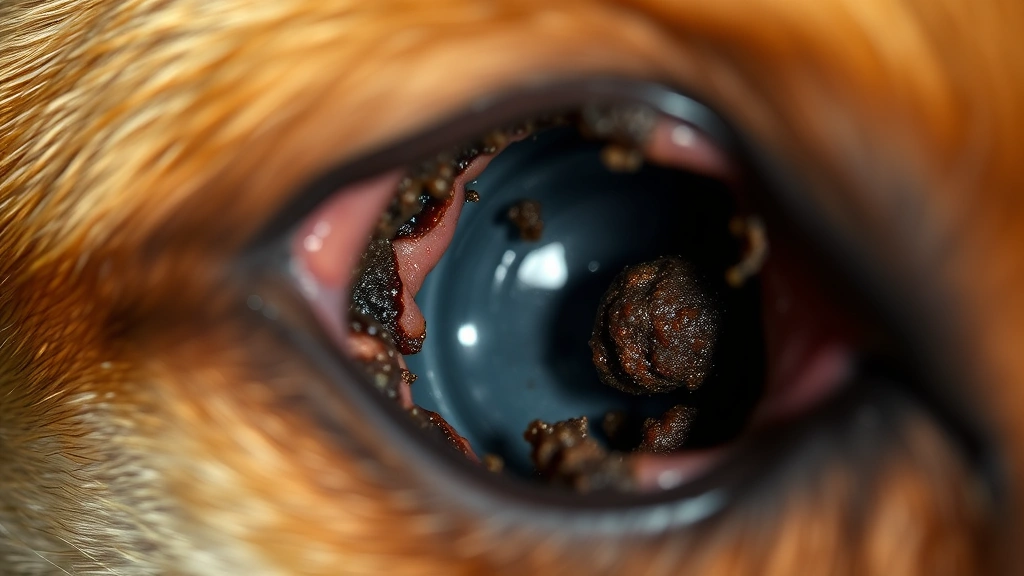
If you’ve ever wondered what do ear mites look like in a dog, you’re not alone—and honestly, once you know what to look for, you’ll wish you could unsee it. These tiny parasites are basically the unwanted houseguests of the canine ear canal, and they’re way more common than most dog owners realize. Let’s dive into the gross (but helpful!) details so you can spot these little troublemakers before they cause serious problems.
Table of Contents
- Understanding Ear Mites: The Microscopic Menace
- Visual Signs: What You’ll Actually See in Your Dog’s Ears
- Behavioral Red Flags That Signal Ear Mite Problems
- Secondary Infections: When Ear Mites Invite Friends
- Comparing Ear Mites to Other Ear Problems
- Breed Susceptibility and Risk Factors
- How Vets Diagnose Ear Mites Definitively
- Treatment Options Once You Know What You’re Dealing With
- Prevention: Keeping Ear Mites Out in the First Place
- When to Call Your Vet: Don’t Wait
- The Bottom Line on Ear Mite Appearance
- Frequently Asked Questions
Understanding Ear Mites: The Microscopic Menace
Ear mites, scientifically known as Otodectes cynotis, are microscopic parasites that love nothing more than setting up shop in your dog’s ears. These critters are so small that you can’t see them with the naked eye—we’re talking about creatures that measure less than 0.5mm. However, the damage they do is absolutely visible, and the signs they leave behind are unmistakable once you know what to look for.
The lifecycle of ear mites is relatively quick, which means an infestation can escalate rapidly. These parasites feed on skin cells and ear wax, creating inflammation and irritation that drives dogs absolutely crazy. If left untreated, ear mite infestations can lead to secondary bacterial or yeast infections, making the problem significantly worse.
Visual Signs: What You’ll Actually See in Your Dog’s Ears
Here’s the thing about ear mites in dogs appearance—you won’t see the mites themselves without a microscope, but you’ll definitely see the aftermath. The most telltale sign is a dark, crumbly discharge that looks disturbingly similar to coffee grounds. This debris is actually a combination of ear wax, dead skin cells, and mite waste. It’s not pleasant, but it’s incredibly diagnostic.
Inside the ear canal, you might notice:
- Dark brown or black crusty buildup along the ear canal walls
- Excessive ear wax production that appears darker than normal
- Redness and inflammation of the inner ear tissue
- Scabbing or ulceration in severe cases from constant scratching
- A musty or yeasty odor emanating from the ears
The discharge consistency can vary—sometimes it’s dry and crusty, other times it’s more waxy and moist. This variation depends on whether secondary infections have developed and your individual dog’s ear environment.
Behavioral Red Flags That Signal Ear Mite Problems
Before you even peek into your dog’s ears, their behavior will often tip you off. Dogs with ear mites become obsessive about their ears in a way that’s honestly painful to watch. They’ll scratch, shake their heads constantly, and sometimes even rub their ears on the ground or furniture like they’re trying to physically remove the itching sensation.
Watch for these behavioral clues:
- Excessive head shaking, especially after sleeping
- Constant scratching at the ears, sometimes until they bleed
- Whining or yelping when their ears are touched
- Tilting their head to one side repeatedly
- Holding their ears in an abnormal position
- Aggressive behavior when you try to examine their ears
Some dogs will even develop aural hematomas—fluid-filled swellings in the ear flap—from the trauma of constant scratching. These require veterinary attention and sometimes surgery to prevent permanent ear damage.
Secondary Infections: When Ear Mites Invite Friends
One of the trickiest aspects of ear mite infestations is that they rarely travel alone. The constant scratching and inflammation create the perfect environment for bacterial and yeast infections to move in and set up shop. When this happens, the discharge becomes more purulent (pus-filled) and the odor becomes significantly worse.
If your dog has developed a secondary infection, you might notice:
- Yellow or greenish discharge instead of just dark brown
- A strong, unpleasant smell that’s worse than typical ear mite odor
- Increased swelling and redness
- Drainage that stains the fur around the ear opening
This is why veterinary treatment is so important—your vet can identify whether you’re dealing with just mites or a more complex infection requiring additional medications.
Comparing Ear Mites to Other Ear Problems
Not all ear issues are caused by ear mites, so it’s helpful to understand the differences. Treating ear problems without proper diagnosis can actually make things worse. Yeast infections, for example, typically produce a yellowish discharge and smell distinctly yeasty. Bacterial infections create more purulent, foul-smelling discharge. Allergies cause redness and itching but usually without the characteristic dark, crumbly debris.

The dark, granular discharge that looks like coffee grounds is really the smoking gun for ear mites. It’s so distinctive that many vets can diagnose mites just from that description, though they’ll typically want to confirm with an otoscopic examination or microscopic analysis of the discharge.
Breed Susceptibility and Risk Factors
While any dog can get ear mites, certain breeds and situations increase the risk. Dogs with floppy ears like Cocker Spaniels, Basset Hounds, and Poodles are more susceptible because their ear canal environment stays warm and moist—basically a five-star resort for mites. Dogs with hairy ear canals also provide more hiding spots for these parasites.
Other risk factors include:
- Living in multi-pet households (ear mites spread easily between animals)
- Recent exposure to other animals, especially cats
- Poor ear hygiene or infrequent ear cleaning
- Underlying allergies that compromise ear health
- Weakened immune system
Puppies and senior dogs are also more vulnerable, though ear mites don’t discriminate by age.
How Vets Diagnose Ear Mites Definitively
While the coffee-ground-like discharge is highly suggestive, veterinarians confirm ear mites through specific diagnostic methods. The most common approach is using an otoscope to visualize the ear canal, though the mites themselves are still too small to see clearly. Your vet might also take a sample of the ear discharge and examine it under a microscope, where the mites and their eggs become visible.
According to the American Kennel Club, proper diagnosis is crucial because treatment protocols vary depending on what’s actually causing the problem. Some ear issues require different medications or management strategies than what works for mites.
Your vet might also perform a culture if they suspect secondary bacterial infection, helping them identify which antibiotics will be most effective.
Treatment Options Once You Know What You’re Dealing With
The good news is that ear mites are highly treatable once properly diagnosed. Your veterinarian will likely prescribe ear drops containing miticides—medications specifically designed to kill mites. Common options include ivermectin-based products and other antiparasitic medications. Treatment typically lasts 7-14 days, though some protocols involve multiple applications over several weeks.
Beyond medication, your vet might recommend:
- Regular ear cleaning to remove debris and discharge
- Antibiotics or antifungal medications if secondary infections are present
- Pain management if the ears are severely inflamed
- Treating all pets in the household, since mites spread easily
It’s absolutely critical that you complete the full course of treatment even if symptoms improve. Stopping early can lead to reinfection.
Prevention: Keeping Ear Mites Out in the First Place
Prevention is always easier than treatment, so consider these strategies to keep your dog’s ears mite-free. Regular ear inspections are your first line of defense—check your dog’s ears weekly and note any changes in color, odor, or discharge.
Maintain good ear hygiene by:

- Cleaning ears regularly with a vet-approved cleanser
- Drying ears thoroughly after swimming or bathing
- Keeping ear hair trimmed if your breed is prone to ear hair growth
- Using preventative treatments recommended by your vet
Many monthly flea and tick preventatives also cover ear mites, so discuss your options with your veterinarian. If you have multiple pets, treating them all simultaneously prevents the mites from bouncing between animals.
When to Call Your Vet: Don’t Wait
If you notice any signs of ear mites or other ear problems, schedule a vet appointment promptly. While ear mites aren’t life-threatening, the constant scratching and secondary infections they cause can become serious quickly. Additionally, PetMD emphasizes that untreated ear infections can lead to permanent hearing loss or rupture of the eardrum.
Don’t try to self-diagnose or use over-the-counter treatments without veterinary guidance. What looks like ear mites might be something else entirely, and using the wrong treatment can worsen the situation or mask a more serious underlying condition like allergies.
The Bottom Line on Ear Mite Appearance
So, what do ear mites look like in a dog? You won’t see the actual mites without magnification, but you’ll absolutely see their handiwork: dark, crumbly discharge resembling coffee grounds, inflamed ear tissue, and a dog who’s absolutely miserable from constant itching. The behavioral changes—excessive head shaking, scratching, and ear sensitivity—are often more noticeable than the visual signs.
The key takeaway is that early detection and prompt veterinary treatment make all the difference. If your dog’s ears look or smell off, or if they’re showing signs of discomfort, get them checked out. Your vet can confirm whether you’re dealing with ear mites or something else and prescribe the appropriate treatment. Your dog will thank you when they can stop scratching and enjoy some peace and quiet.
Frequently Asked Questions
Can I see ear mites with the naked eye?
No, ear mites are microscopic parasites that measure less than 0.5mm, making them invisible to the naked eye. However, the signs they leave behind—dark, crumbly discharge and inflammation—are very visible. Some people report seeing tiny moving specks with magnification, but a microscope or otoscope is needed for proper visualization.
How long does it take for ear mites to show symptoms?
Symptoms can appear within days of infestation, though some dogs might show signs within 24-48 hours. The timeline depends on the number of mites present and individual sensitivity. Some dogs are more reactive to mites than others, so symptoms can vary significantly between animals.
Are ear mites contagious to humans?
Ear mites that affect dogs (Otodectes cynotis) are not contagious to humans. However, they spread very easily between animals, so if you have multiple pets, all of them need treatment. Always wash your hands after handling an infected dog’s ears to prevent spreading mites between your pets.
Can ear mites cause permanent damage?
Yes, untreated ear mite infestations can cause permanent hearing loss, eardrum rupture, or chronic ear infections. The constant scratching and inflammation can also lead to scarring of the ear canal. This is why prompt treatment is so important—addressing the problem early prevents serious complications.
What’s the difference between ear mites and a yeast infection?
Ear mites produce dark, granular discharge resembling coffee grounds, while yeast infections typically create yellowish, waxy discharge with a distinct yeasty smell. Bacterial infections are more purulent and foul-smelling. Only a veterinary examination can confirm which condition your dog has, so avoid guessing and get professional diagnosis.





