
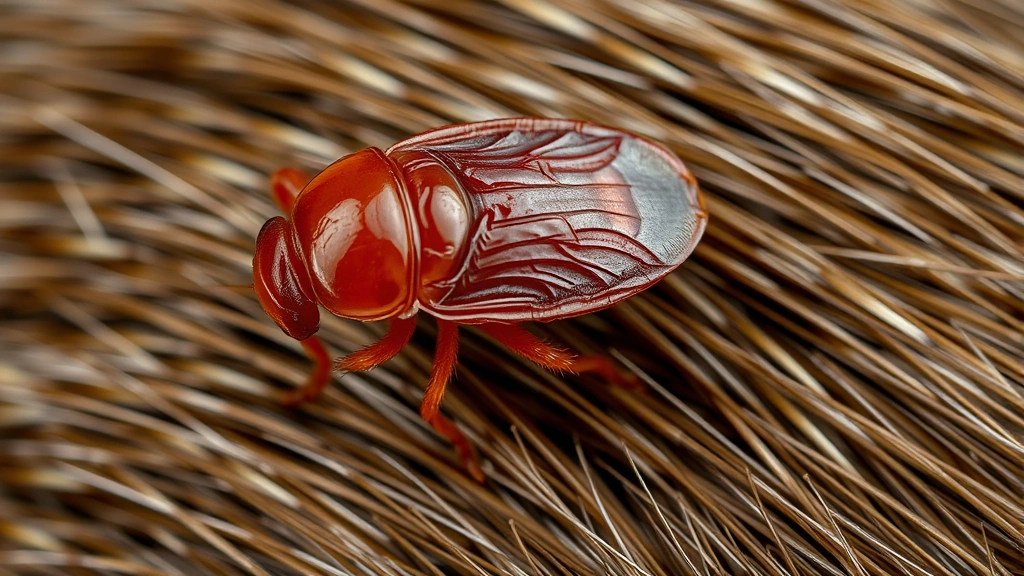
If you’re wondering what do fleas look like on a dog, you’re probably scratching your head as much as your pup is scratching their fur. Fleas are tiny parasites that can turn your dog’s life (and yours) into an itchy nightmare, but the good news? Once you know what to look for, spotting these unwelcome hitchhikers becomes way easier.
Table of Contents
- The Tiny Troublemakers: Basic Flea Appearance
- Color Changes: The Blood-Filled Tell
- Body Structure: What Makes Them Recognizable
- Flea Dirt: The Easier Identification Method
- Where to Look: Flea Hotspots on Your Dog
- Flea Life Stages: What Else You Might See
- Flea Allergy Dermatitis: Signs Beyond Seeing Fleas
- Comparing Fleas to Other Parasites
- Environmental Indicators: Beyond Your Dog’s Fur
- Seasonal Patterns and Risk Factors
- Getting Professional Confirmation
- Treatment and Prevention After Identification
- Frequently Asked Questions
- Summary: Your Flea Identification Checklist
The Tiny Troublemakers: Basic Flea Appearance
Fleas are absolutely minuscule—we’re talking about insects the size of a sesame seed, usually measuring between 2-3 millimeters long. They’re reddish-brown to dark brown in color, though they can look almost black depending on the lighting and whether they’ve recently fed on your dog’s blood. Their bodies are flat and compressed from side to side, which actually helps them slip through your dog’s fur like tiny ninjas. This flattened body shape is one of the key identifying features that separates fleas from other common dog parasites.
Color Changes: The Blood-Filled Tell
Here’s something most people don’t realize—flea coloring can change dramatically after they feed. A hungry flea might appear lighter brown, but once they’ve had a blood meal from your dog, they become noticeably darker, almost blackish. This is actually helpful for identification because if you spot tiny dark specks moving through your pup’s fur, there’s a good chance they’ve already been snacking on your dog. The darker appearance makes them slightly easier to spot against lighter-colored coats, though they’re still challenging to see without close inspection.
Body Structure: What Makes Them Recognizable
If you manage to catch a flea (or see one under magnification), you’ll notice some distinctive features. They have long hind legs that are disproportionately large compared to their body size—these legs are actually what give fleas their incredible jumping ability. They can leap up to 200 times their body length, which is why they’re such efficient hitchhikers. Fleas also have six legs total, antennae, and a mouth designed for piercing skin and sucking blood. Their exoskeleton is hard and shiny, almost like a tiny suit of armor.
Flea Dirt: The Easier Identification Method
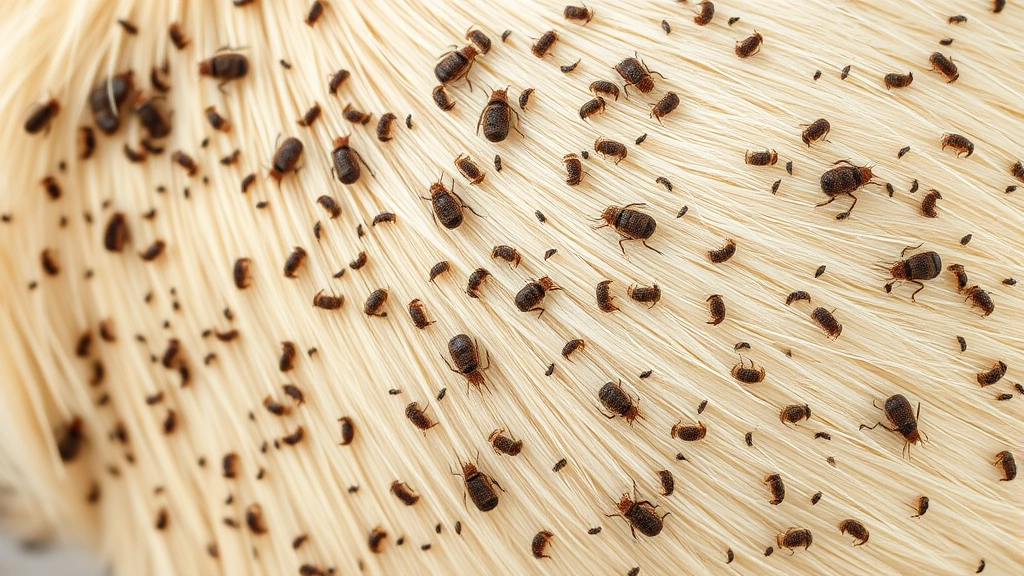
Honestly, you’re more likely to spot flea dirt than actual fleas on your dog. Flea dirt (also called flea feces) looks like tiny black specks scattered throughout your dog’s coat, similar to ground pepper or coal dust. The easiest way to confirm you’re dealing with fleas? Comb your dog with a fine-toothed comb and collect those black specks on a white paper towel. Add a few drops of water, and if the specks turn reddish-brown, congratulations—that’s digested blood from your dog. It’s gross, but it’s definitive proof of fleas. This method is often more reliable than trying to spot the actual insects, especially for dogs with darker coats.
Where to Look: Flea Hotspots on Your Dog
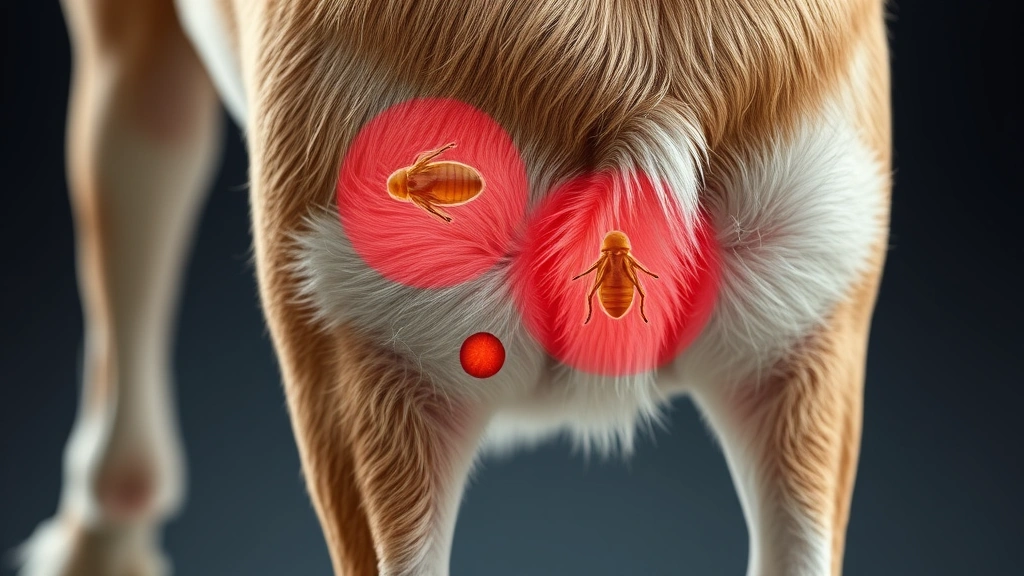
Fleas don’t randomly distribute themselves across your dog’s body. They prefer warm, moist areas where they can feed undisturbed. Check these prime real estate locations: the base of the tail, the groin area, the armpits, and behind the ears. These spots are typically warmer and more protected, making them flea paradise. Run your fingers through these areas and look for movement or those telltale black specks. The belly and inner thighs are also common flea hangouts, so don’t neglect those areas during your inspection.
Flea Life Stages: What Else You Might See
Here’s where it gets complicated—you might not just see adult fleas. Fleas go through four life stages: egg, larva, pupa, and adult. Eggs are nearly invisible to the naked eye and look like tiny white grains. Larvae are thin, worm-like creatures about 2-5 millimeters long that you might spot in your dog’s bedding or carpet. Pupae are encased in cocoons, making them hard to detect. Only the adult fleas are the ones you’ll clearly see on your dog, but understanding the full lifecycle helps explain why infestations can seem to come back even after treatment. This is also why treating your home and yard is just as important as treating your dog.
Flea Allergy Dermatitis: Signs Beyond Seeing Fleas
Sometimes you won’t see fleas at all, but you’ll definitely see their effects. Some dogs develop flea allergy dermatitis (FAD), where they have an allergic reaction to flea saliva. These dogs might have excessive scratching, hair loss, red inflamed skin, scabs, or secondary skin infections. If your dog is scratching like crazy but you can barely find any fleas, this allergic reaction might be the culprit. Even a single flea bite can trigger intense itching in allergic dogs, so the number of fleas present doesn’t always correlate with the severity of symptoms.
Comparing Fleas to Other Parasites
Fleas aren’t the only tiny parasites that can bug your dog. Lice are similar in size but have a different body shape—they’re more elongated and less compressed. Mites cause mange and are even tinier than fleas, often requiring microscopic examination to identify. Ticks are much larger, ranging from pinhead-sized to grape-sized depending on how engorged they are, and they have eight legs instead of six. Knowing the difference helps you communicate accurately with your vet about what you’re dealing with. If you’re unsure, collecting a sample and showing it to your veterinarian is always the smart move.
Environmental Indicators: Beyond Your Dog’s Fur
Sometimes the best clue that you’re dealing with fleas comes from your environment rather than your dog directly. Check your dog’s bedding, your couch where they nap, and your carpet for tiny black specks or moving insects. You might also notice small jumping insects around your home, particularly in areas where your dog spends the most time. Some people even report feeling flea bites themselves, though fleas strongly prefer dogs to humans. If you’re seeing signs of fleas in multiple locations around your home, it’s time to call in professional pest control or invest in serious home treatment alongside treating your dog.
Seasonal Patterns and Risk Factors
While fleas can survive year-round in many climates, they thrive in warm, humid conditions. If you live in a warmer region or it’s summer, flea infestations are more common. Dogs that spend a lot of time outdoors, visit dog parks, or have contact with wildlife are at higher risk. Even if you keep your dog mostly indoors, fleas can hitchhike inside on wildlife or other pets. Understanding these risk factors helps you know when to be extra vigilant about checking your dog. Keeping your yard maintained (short grass, removing debris) and preventing contact with stray animals reduces flea exposure significantly.
Getting Professional Confirmation
If you’re uncertain whether your dog actually has fleas, your veterinarian can confirm it definitively. They can examine your dog closely, use a magnifying glass if needed, and even run diagnostic tests. They’ll also recommend the best flea prevention and treatment options for your specific dog, taking into account their age, weight, health status, and lifestyle. Many vets now offer year-round flea prevention that’s highly effective and much easier than dealing with an active infestation. Prevention is always cheaper and less stressful than treatment, so chat with your vet about the best options for your pup.
Treatment and Prevention After Identification
Once you’ve confirmed fleas, treatment options range from topical medications to oral prescriptions to flea shampoos. The effectiveness varies, so following your vet’s recommendations is crucial. During treatment, you’ll also need to wash your dog’s bedding in hot water, vacuum your home thoroughly (especially under furniture and in carpet), and potentially treat your yard if your dog spends time outside. Some people also use mobile dog clippers to trim their dog’s coat shorter during flea season, making it easier to spot parasites and apply treatments. Moving forward, consistent flea prevention is your best defense against future infestations.
Frequently Asked Questions
Can you see fleas on a dog with the naked eye?
Yes, you can see adult fleas with your naked eye, though they’re small and move quickly. They’re easier to spot on light-colored dogs and easier to find in warm areas like the base of the tail and groin. However, flea dirt (their droppings) is often more visible than the actual fleas and serves as a reliable indicator of infestation.
What does flea dirt look like exactly?
Flea dirt resembles tiny black pepper flakes or coal dust scattered through your dog’s coat. The definitive test is placing these specks on a white paper towel, adding a drop of water, and watching them turn reddish-brown as the digested blood dissolves. This color change confirms you’re dealing with fleas, not just regular dirt.
How many fleas does it take to infest a dog?
Even a single female flea can start an infestation because she can lay hundreds of eggs. However, you typically won’t notice symptoms or see obvious signs until there are at least 20-30 fleas present. This is why prevention is so important—catching an infestation early prevents it from spiraling out of control.
Are fleas visible in dog poop?
While fleas aren’t typically visible in dog poop, flea eggs and larvae might be found in fecal matter. However, this isn’t a reliable diagnostic method. Stick to checking your dog’s fur, looking for flea dirt, and consulting your veterinarian for confirmation.
Can fleas live on humans like they do on dogs?
Fleas strongly prefer dogs and other animals to humans. While they might bite a human occasionally, they won’t establish a population on human skin or hair. If you’re getting bitten, it’s likely happening in your home environment rather than the fleas living on you directly.
What’s the difference between flea eggs and flea dirt?
Flea eggs are nearly invisible white specks about the size of a grain of salt, while flea dirt is black and looks like pepper. Eggs are laid in your dog’s fur and environment, while flea dirt is flea feces that accumulates in your dog’s coat and bedding. Flea dirt is much easier to spot and serves as a better indicator of active infestation.
Summary: Your Flea Identification Checklist
Knowing what do fleas look like on a dog is your first line of defense against these persistent parasites. Look for tiny reddish-brown to dark brown insects about the size of a sesame seed, particularly in warm areas like the tail base and groin. More reliably, search for flea dirt—those black pepper-like specks that turn reddish-brown when wet. Check your dog’s bedding and your home for signs of infestation, and don’t hesitate to contact your vet if you’re unsure. Remember that prevention is far easier than treatment, so discuss year-round flea prevention options with your veterinarian. Your dog will thank you for keeping these itchy invaders at bay. For additional pet care tips, check out our guides on mosquito repellent for dogs and whether it’s too hot to walk your dog, and consider investing in quality nutrition like Merrick fresh dog food to keep your pup healthy and resilient.





