
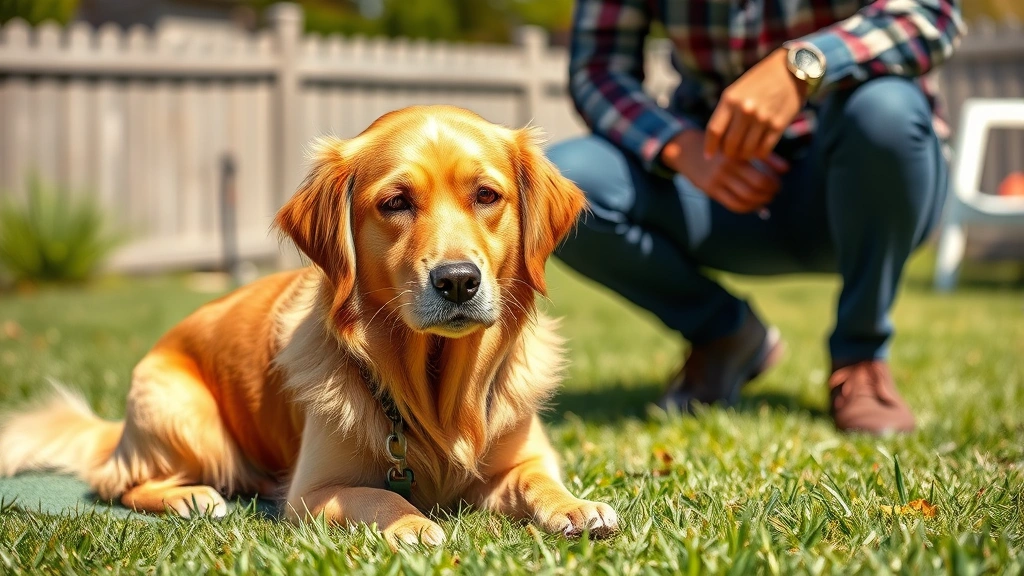
If you’re wondering what do if your dog is constipated, you’re not alone—and honestly, it’s way more common than you’d think. One day your pup is their usual self, and the next, they’re straining in the yard like they’re auditioning for a dramatic film. It’s uncomfortable to watch, uncomfortable for them to experience, and definitely uncomfortable for you to discuss at the vet’s office (even though vets have literally heard it all).
Table of Contents
- Understanding Dog Constipation: Why It Happens
- Remedy #1: Increase Hydration and Water Intake
- Remedy #2: Add Fiber-Rich Foods to Their Diet
- Remedy #3: Encourage Regular Exercise and Movement
- Remedy #4: Try Probiotics and Digestive Supplements
- Remedy #5: Use Stool Softeners (When Appropriate)
- When to Call Your Vet Immediately
- Prevention: Keeping Your Dog’s Digestive System Healthy
- The Pumpkin Spice Solution (Seriously)
- Frequently Asked Questions
- Final Thoughts: Getting Your Dog Back on Track
Constipation in dogs isn’t just an inconvenience—it can signal underlying health issues or simply be the result of dietary changes, dehydration, or lack of exercise. The good news? There are proven, effective remedies that can get your furry friend back on track faster than you can say “bathroom emergency.”
Understanding Dog Constipation: Why It Happens
Before we dive into solutions, let’s talk about why your dog might be experiencing this uncomfortable situation. Dog constipation occurs when your pup’s bowel movements become infrequent or difficult, typically defined as fewer than one bowel movement per day for more than two days.
Common culprits include:
- Dehydration—The #1 cause. Dogs need water, and lots of it.
- Low-fiber diet—Some commercial dog foods lack sufficient fiber content.
- Lack of exercise—Sedentary dogs have sedentary digestive systems.
- Blockages—Swallowed toys, bones, or foreign objects.
- Medications—Certain prescriptions can slow digestion.
- Age-related issues—Senior dogs experience constipation more frequently.
- Anal gland problems—Impacted glands can make pooping painful.
According to the American Kennel Club, constipation affects dogs of all breeds and ages, though senior dogs and certain breeds like Bulldogs are more susceptible. If your dog hasn’t had a bowel movement in more than 48 hours or is showing signs of pain, it’s time to take action.
Remedy #1: Increase Hydration and Water Intake
This sounds almost too simple, but dehydration is often the silent culprit behind canine constipation. When dogs don’t drink enough water, their stool becomes dry and hard—making it difficult and painful to pass.
Here’s how to boost your dog’s hydration:
- Ensure fresh water is always available (seriously, always).
- Add water or low-sodium broth to their dry kibble.
- Offer water-rich foods like spinach for dogs or plain cooked chicken.
- Use a water fountain—many dogs prefer running water and drink more from it.
- Monitor intake: Most dogs need about 1 ounce of water per pound of body weight daily.
If your dog still isn’t drinking enough after two days, contact your vet. Excessive thirst or refusal to drink can indicate other health issues.
Remedy #2: Add Fiber-Rich Foods to Their Diet
Fiber is your best friend when dealing with constipated dogs. It adds bulk to stool and promotes healthy bowel movements. The most famous fiber remedy? Mashed pumpkin for dogs.
Plain canned pumpkin (not pie filling—that’s loaded with sugar) works wonders. Start with 1-4 tablespoons depending on your dog’s size, mixed into their regular food. Most dogs see improvement within 24-48 hours. It’s like nature’s gentle laxative, minus the chemical aftertaste.
Other fiber-rich options include:
- Sweet potato (cooked, no skin)
- Oatmeal (plain, cooked)
- Brown rice
- Psyllium husk supplements (vet-approved dosage)
- Green beans (plain, steamed)
According to PetMD, adding fiber gradually prevents digestive upset. Jump from zero fiber to maximum fiber overnight, and you might trade constipation for diarrhea—which brings its own set of problems.
Remedy #3: Encourage Regular Exercise and Movement
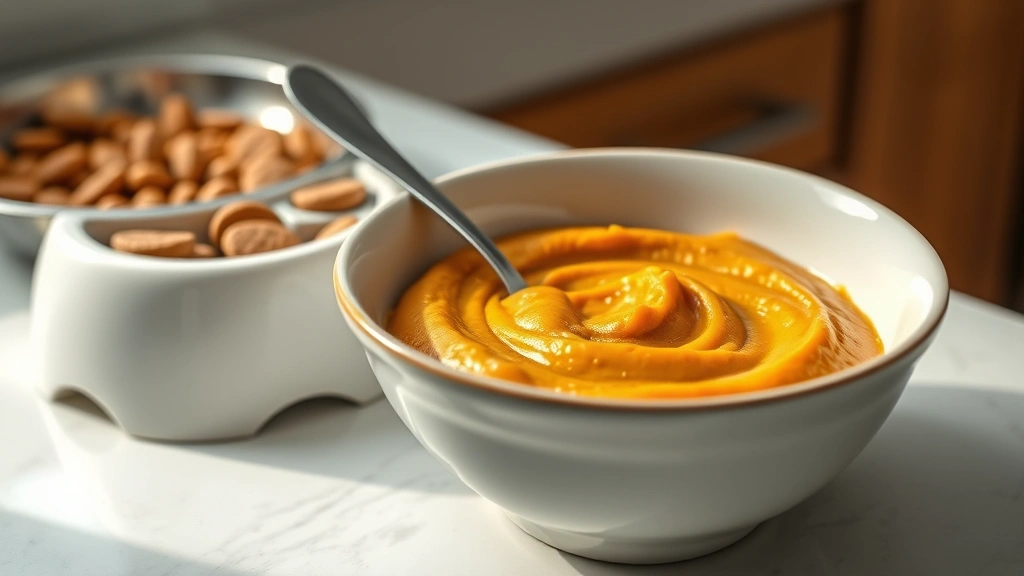
A sedentary dog is a constipated dog. Exercise stimulates the digestive system and helps move things along naturally. You don’t need to train for a marathon with your pup—even moderate activity helps.
Try:
- Daily walks (at least 20-30 minutes for most dogs)
- Playtime in the yard
- Fetch or chase games
- Swimming (excellent low-impact exercise)
- Dog park visits for socialization and movement
The physical activity increases intestinal contractions, making bowel movements more likely. Plus, your dog gets exercise, you get exercise, and everyone’s happier. Win-win-win.
Remedy #4: Try Probiotics and Digestive Supplements
Your dog’s gut health matters. Probiotics introduce beneficial bacteria that support healthy digestion and regular bowel movements. Many veterinarians now recommend probiotics as a preventative measure, not just a treatment.
Quality dog probiotics contain strains like Lactobacillus and Bifidobacterium. You can find them as:
- Powder supplements mixed into food
- Chewable tablets
- Treats with probiotics built in
- Plain Greek yogurt for dogs (unsweetened, plain)
Always consult your vet before starting supplements, especially if your dog is on medications. Some probiotics interact with certain prescriptions.
Remedy #5: Use Stool Softeners (When Appropriate)
Sometimes dietary changes aren’t enough, and that’s where stool softeners come in. These are typically safe, over-the-counter products that help soften hard stool without forcing bowel movements like harsh laxatives do.
Common options include:
- Docusate sodium—A gentle stool softener
- Mineral oil—Lubricates the intestinal tract (use sparingly)
- Miralax—Osmotic laxative that’s generally safe for dogs
Important: Never give your dog any medication or supplement without veterinary approval. Dosages vary based on weight, age, and health status. What works for a 10-pound Chihuahua could be dangerous for a 100-pound Great Dane.
When to Call Your Vet Immediately
Most cases of dog constipation respond to home remedies within 48-72 hours. However, certain situations require professional veterinary attention:
- No bowel movement for more than 3-4 days
- Straining accompanied by vomiting or loss of appetite
- Abdominal pain or bloating
- Blood or mucus in stool
- Signs of blockage (lethargy, refusing food)
- Constipation in senior dogs or puppies
- Repeated constipation despite home remedies
Your vet can perform diagnostics to rule out serious issues like intestinal blockages, anal gland impaction, or underlying diseases. They might recommend an enema, manual extraction, or further investigation depending on the cause.
Prevention: Keeping Your Dog’s Digestive System Healthy
The best remedy is prevention. Once you’ve resolved your dog’s constipation, implement these habits to keep it from returning:
- Maintain consistent feeding schedules—Dogs thrive on routine
- Choose high-quality dog food—Look for adequate fiber content
- Keep water bowls filled—Hydration is non-negotiable
- Exercise daily—Make it part of your routine
- Avoid table scraps—Human food can disrupt digestion
- Monitor treat intake—Some treats lack nutritional value
- Regular vet checkups—Catch issues early
If your dog has a history of constipation, work with your vet to develop a specialized diet plan that prevents future episodes. Some dogs need higher-fiber foods or specific nutritional adjustments long-term.
The Pumpkin Spice Solution (Seriously)
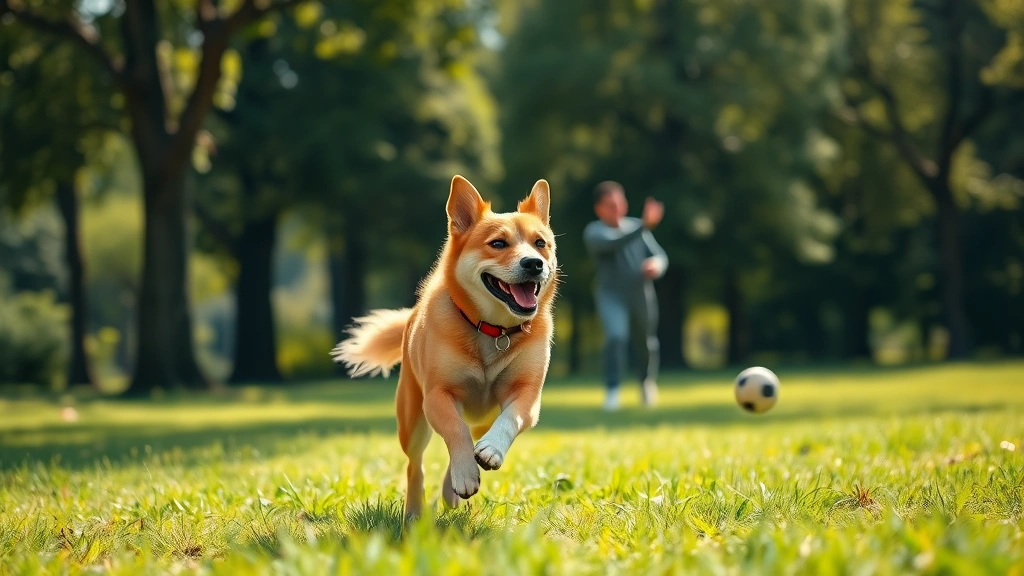
Let’s circle back to pumpkin because it deserves its own spotlight. This humble orange vegetable is basically a miracle worker for constipated dogs. The fiber content is perfect—not too much, not too little—and most dogs actually enjoy the taste.
The typical pumpkin protocol:
- Start with 1 tablespoon (for small dogs) to 4 tablespoons (for large dogs)
- Mix into their regular food
- Offer once or twice daily
- Expect results within 24-48 hours
- Continue for several days after resolution
Pro tip: Buy canned pumpkin in bulk during fall. Stores often discount it after Halloween, and you can store it for months. Your future constipated dog will thank you.
Frequently Asked Questions
How long does dog constipation usually last?
Most cases resolve within 24-72 hours with home remedies. If constipation persists beyond 4 days, seek veterinary care. Chronic constipation might indicate underlying health issues requiring professional treatment.
Can I give my dog a human laxative?
Absolutely not. Human laxatives are formulated for human physiology and can be dangerous for dogs. Some contain ingredients toxic to canines. Always use products specifically designed and dosed for dogs, or consult your vet before giving anything.
Is constipation painful for dogs?
Yes. Straining to pass hard stool is uncomfortable and can be painful, especially if anal glands are involved. If your dog is whimpering or showing signs of pain, contact your vet promptly. Pain relief might be necessary alongside constipation treatment.
What’s the difference between constipation and megacolon?
Megacolon is a serious condition where the colon becomes abnormally enlarged and loses the ability to contract properly. It’s not something you can treat at home and requires veterinary diagnosis and management. If your dog has chronic, persistent constipation, ask your vet about megacolon screening.
Can diet alone cause constipation?
Absolutely. Low-quality dog food with insufficient fiber, sudden diet changes, or feeding too many treats can all trigger constipation. Always transition to new food gradually over 7-10 days to avoid digestive upset.
Are certain dog breeds more prone to constipation?
Yes. Brachycephalic breeds (Bulldogs, Pugs, Boston Terriers) and older dogs experience constipation more frequently. If you have a breed prone to digestive issues, discuss preventative measures with your vet.
Final Thoughts: Getting Your Dog Back on Track
Dealing with a constipated dog isn’t fun, but it’s manageable. Start with the basics—hydration, fiber, and exercise—and most dogs improve quickly. What do if your dog is constipated boils down to understanding the cause and addressing it systematically.
Remember: pumpkin is your friend, water is essential, and your vet is just a phone call away if things don’t improve. Your dog relies on you to keep them healthy and comfortable, and handling constipation promptly shows you’re a responsible, caring pet parent.
Now get out there, increase that water bowl, grab a can of pumpkin, and get your pup moving again. Their tail wags (and their bathroom habits) will thank you.





