
If you’re wondering what do mites look like on a dog, you’re probably scratching your head as much as your furry friend is scratching their skin. Mites are tiny parasites that can cause serious discomfort for your pup, and knowing how to identify them is half the battle in getting your dog the help they need. Let’s dive into the microscopic world of dog mites and learn how to spot these unwelcome guests before they turn your dog’s life into an itchy nightmare.
Table of Contents
- Understanding Canine Mites: The Tiny Troublemakers
- Demodectic Mange: The Red Flag Skin Condition
- Sarcoptic Mange: The Itching Nightmare
- Ear Mites: The Waxy Invaders
- Cheyletiella Mites: The Walking Dandruff Situation
- Visual Signs You Can Actually See
- Where Mites Love to Hang Out on Your Dog
- Diagnostic Tests: Getting Professional Confirmation
- Mite Infestations and Secondary Problems
- Age and Breed Susceptibility
- Treatment Options and Prevention
- When to Worry About Your Dog’s Vision
- Summary: Spotting Mites Before They Become a Problem
- Frequently Asked Questions
Understanding Canine Mites: The Tiny Troublemakers
Mites are arachnids (yes, they’re related to spiders) that are so small you typically can’t see them with the naked eye. Most dog mites measure between 0.2 to 0.5 millimeters in length—basically invisible to human vision. However, the damage they cause is anything but invisible. There are several types of mites that affect dogs, and each one tells a different story about what’s happening beneath your pup’s fur.
The most common culprits include Demodex mites, Sarcoptes mites, and Otodectes mites. While you won’t spot individual mites without a microscope, you absolutely can identify the signs and symptoms that scream “mites!” Your dog’s skin will do all the talking for you.
Demodectic Mange: The Red Flag Skin Condition
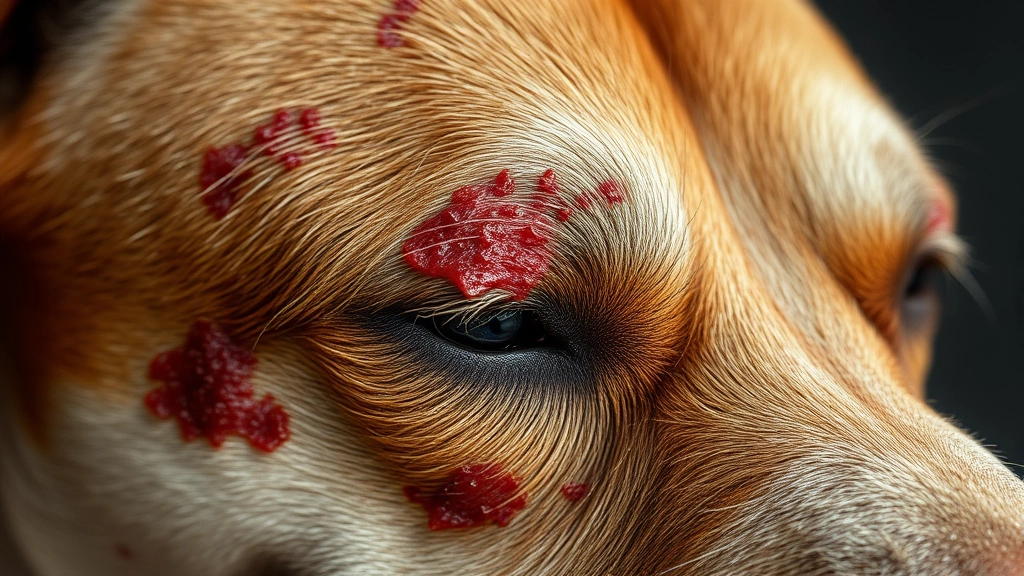
Demodex canis mites live naturally on your dog’s skin—yes, even healthy dogs have them. The problem occurs when these mites overpopulate, leading to demodectic mange. This condition typically appears as hair loss, usually starting around the face, muzzle, and front legs. You’ll notice red, inflamed patches of skin that look irritated and sometimes scaly.
The affected areas might appear shiny or have a slight oily feel. Unlike sarcoptic mange, demodectic mange usually doesn’t cause intense itching initially, though your dog might develop secondary skin infections that do itch like crazy. The skin often develops a distinctive musty odor—kind of like a wet dog that’s been left in the rain for a week.
Sarcoptic Mange: The Itching Nightmare
Now we’re talking about the real troublemaker. Sarcoptes scabiei mites burrow into your dog’s skin, and boy, do they cause problems. If your dog has sarcoptic mange, you’ll see intense itching that’s almost obsessive. We’re talking about your pup scratching until they bleed, biting at their skin, and generally acting miserable.

The skin will appear red, inflamed, and crusty. You might notice small bumps or pustules (basically tiny pimples on your dog’s skin). The condition often starts on the ears, elbows, and hocks, then spreads to other areas. Some dogs develop thickened, wrinkled skin that looks almost leathery. This is serious stuff, and if you suspect sarcoptic mange, get your dog to a vet immediately. Unlike demodectic mange, sarcoptic mange is highly contagious to other dogs and can even affect humans.
Ear Mites: The Waxy Invaders
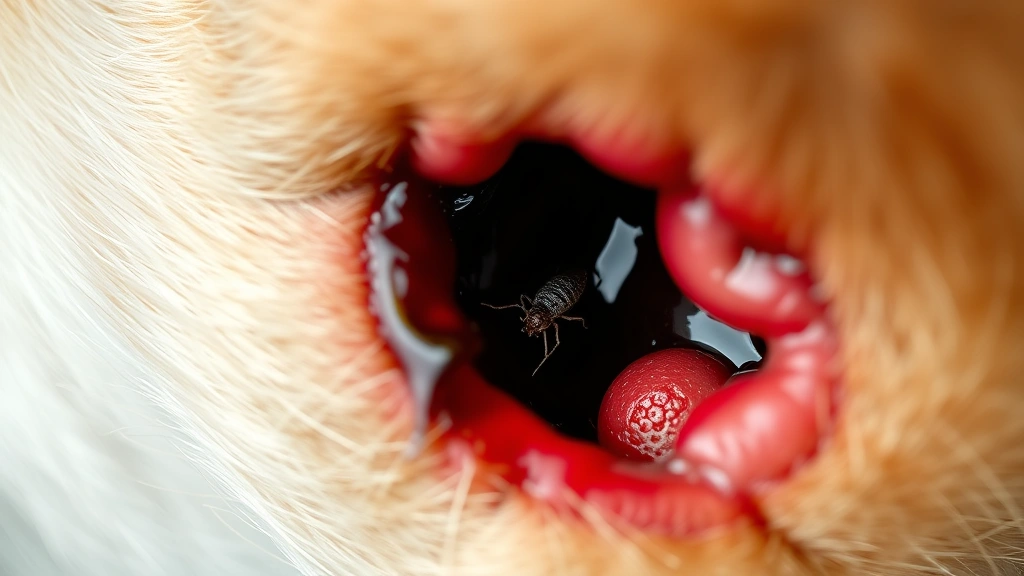
Otodectes cynotis mites love living in ear canals, and they’re particularly common in cats but definitely show up in dogs too. If your dog has ear mites, you’ll notice excessive ear scratching, head shaking, and a distinctive dark, waxy discharge in the ears that looks like dried coffee grounds mixed with ear wax.
The inside of the ear will appear red and inflamed. Your dog might tilt their head to one side or yelp when you touch their ears. The discharge has a distinctive smell—not pleasant. Ear mites are contagious between pets, so if you have multiple animals, they’ve probably all got them by now.
Cheyletiella Mites: The Walking Dandruff Situation
Cheyletiella mites are sometimes called “walking dandruff” because they’re actually visible to the naked eye (barely) and create a distinctive flaky, scaly appearance on your dog’s skin. If you look closely at your dog’s coat, you might see tiny white specks moving around—that’s literally the mites and their eggs.
Your dog will have excessive scaling and mild to moderate itching. The condition often affects the back, neck, and head area. Unlike other mites, Cheyletiella mites can actually be seen with a magnifying glass, making them slightly easier to identify before a vet visit.

Visual Signs You Can Actually See
Here’s the practical stuff: while you can’t see individual mites, you can absolutely identify mite infestations by observing these visible signs:
Hair Loss Patterns: Mites cause patchy, irregular hair loss rather than the uniform shedding of a healthy dog. The hair might fall out in circular patterns or concentrated areas.
Skin Inflammation: The affected skin appears red, angry, and irritated. Sometimes you’ll see a slightly raised, bumpy texture.
Crusting and Scaling: The skin develops a crusty, scabby appearance. In some cases, you’ll see yellow or brownish crusts.
Odor: Mite-infested skin often develops a distinctive musty or yeasty smell, especially if secondary infections develop.
Behavioral Changes: Your dog becomes obsessed with scratching, licking, and biting at affected areas. Some dogs lose sleep over the itching.
For more information on treating secondary skin infections, check out our guide on Is Triple Antibiotic Ointment Safe for Dogs, which covers topical treatments your vet might recommend.
Where Mites Love to Hang Out on Your Dog
Mites aren’t random—they have favorite real estate on your dog’s body. Understanding these hotspots helps you identify infestations faster:
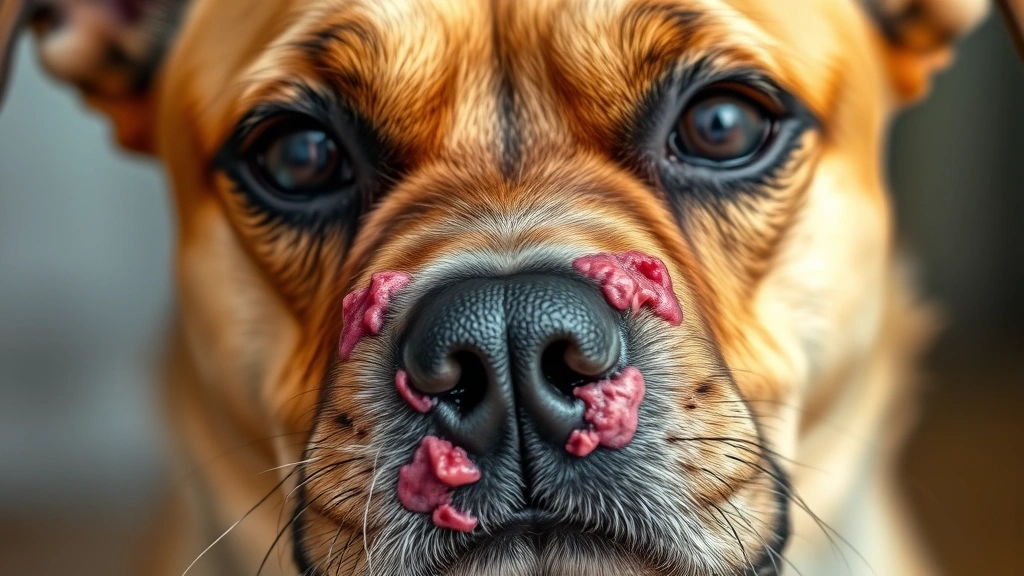
Face and Muzzle: Demodectic mites absolutely love the face. You’ll often see hair loss and redness around the eyes, nose, and muzzle first.
Ears: This is ground zero for ear mites. The warm, moist environment is basically a five-star resort for these parasites.

Elbows and Hocks: These bony areas are sarcoptic mite favorites. The skin here gets irritated, crusty, and often bleeds from constant scratching.
Paws: Mites cause intense itching in the paws, leading to excessive licking and chewing. You might notice redness between the toes and a yeasty smell.
Back and Neck: These areas often show the earliest signs of generalized mite infestations.
Diagnostic Tests: Getting Professional Confirmation
Here’s where it gets scientific: your vet can’t definitively diagnose mites just by looking. They’ll perform a skin scraping test, plucking out hairs and skin cells to examine under a microscope. This is the gold standard for identifying mites and determining which type is causing problems.
Sometimes vets use tape strips or mineral oil preparations to collect samples. In some cases, especially with ear mites, they might examine ear discharge under the microscope. These tests are quick, painless, and absolutely necessary for proper treatment.
Mite Infestations and Secondary Problems
Here’s where things get complicated: mites don’t work alone. The constant scratching and skin damage create an open invitation for bacterial and yeast infections. Your dog’s skin might develop pustules, weeping sores, and crusty lesions that are actually secondary infections, not the mites themselves.
This is why treating mites quickly matters. The longer the infestation continues, the more damage occurs to the skin barrier, and the more likely secondary infections develop. If your dog is dealing with infected skin, your vet might recommend treatments like Mometamax for Dogs, which addresses both the infection and inflammation.
Age and Breed Susceptibility
Some dogs are more prone to mite infestations than others. Puppies and senior dogs have weaker immune systems, making them more susceptible to demodectic mange. Certain breeds like Shar-Peis, Bulldogs, and West Highland White Terriers seem genetically predisposed to mite problems.
Dogs with compromised immune systems—whether from illness, stress, or poor nutrition—are sitting ducks for mite infestations. If your dog is dealing with joint issues or mobility problems that affect their grooming ability, they’re also at higher risk. Speaking of which, maintaining overall health through Joint Supplements for Dogs can help keep your pup’s immune system strong.
Treatment Options and Prevention
Treatment depends entirely on the mite type. Demodectic mange might resolve on its own in young dogs with good immune systems, but older dogs or severe cases need medication. Sarcoptic mange requires immediate treatment with miticides—either topical or oral medications.
Ear mites respond well to ear medications and thorough cleaning. Your vet might recommend dips, creams, oral medications, or injectable treatments depending on severity and mite type. The key is following your vet’s instructions exactly and treating for the full recommended duration, even if symptoms improve.
Prevention involves maintaining good hygiene, regular grooming, and keeping your dog’s immune system strong through proper nutrition and exercise. Regular vet checkups catch infestations early before they become serious problems.
When to Worry About Your Dog’s Vision
In rare cases, severe skin infections from mite damage can affect a dog’s eyes or cause systemic issues. If your dog’s condition seems serious or if you notice vision changes alongside skin problems, discuss this with your vet. For more information on managing dogs with vision issues, check out our article on Is It Cruel to Keep a Blind Dog.
Summary: Spotting Mites Before They Become a Problem
You can’t see individual mites without a microscope, but you absolutely can identify mite infestations by watching for hair loss, red inflamed skin, excessive scratching, crusty patches, and unusual odors. Different mite types cause different symptoms—demodectic mange shows hair loss, sarcoptic mange causes intense itching, ear mites create waxy discharge, and Cheyletiella mites appear as walking dandruff.
The moment you notice these signs, schedule a vet appointment. Early diagnosis and treatment prevent secondary infections and save your dog from serious discomfort. Remember, mites are treatable, but they require professional intervention and consistent follow-up care.

Frequently Asked Questions
Can I see mites on my dog with the naked eye?
Most mites are too small to see without a microscope. However, Cheyletiella mites might be barely visible as tiny white specks, and you can definitely see the effects of mite infestations through hair loss, skin irritation, and scaling. The signs of mites are far more visible than the mites themselves.
Are dog mites contagious to humans?
Sarcoptic mites can affect humans, though they don’t establish permanent infestations on human skin. You might develop temporary itching and irritation. Demodectic mites are species-specific and won’t affect humans. Ear mites typically don’t transfer to people. Still, wash your hands thoroughly after handling an infested dog and avoid prolonged skin contact.
How long does it take to treat mites on a dog?
Treatment duration varies by mite type. Sarcoptic mange typically requires 4-6 weeks of treatment. Demodectic mange might take 4-12 weeks or longer, depending on severity. Ear mites usually respond within 2-4 weeks with proper medication. Always complete the full treatment course even if symptoms improve early.
Can mites cause permanent damage to my dog’s skin?
Untreated mite infestations can cause scarring and permanent pigmentation changes, especially if secondary infections develop. However, with prompt treatment, most dogs recover completely with normal skin and hair growth returning within weeks to months.
Do all dogs with mites itch constantly?
Not necessarily. Demodectic mange might cause minimal itching initially, while sarcoptic mange causes intense, obsessive itching. The itching level depends on the mite type, the severity of infestation, and whether secondary infections have developed.





