
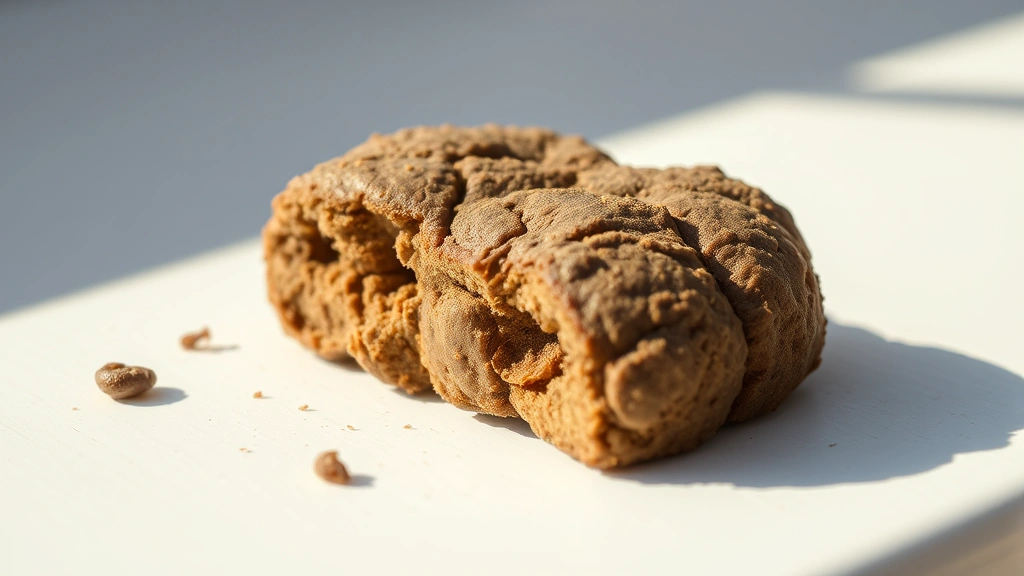
What Do Worms Look Like in Dog Stool? A Guide
If you’ve ever wondered whether your pup might have worms, you’re not alone. Parasitic infections are one of the most common health issues affecting dogs, and spotting the signs early can make all the difference in your furry friend’s wellbeing. One of the most telling indicators? What shows up in their stool. While it’s not the most pleasant topic to discuss over dinner, understanding what parasites actually look like is crucial for any responsible dog owner.
The reality is that worms in dog poop aren’t always obvious at first glance. Some are microscopic and require a vet’s examination to identify, while others are visible to the naked eye—and honestly, pretty gross. But don’t worry; we’re here to break down exactly what you need to know about identifying different types of worms, what they mean for your dog’s health, and when to call your veterinarian.
Whether you’re a first-time dog parent or a seasoned pet owner, this comprehensive guide will help you become a poop detective extraordinaire. Trust us, your dog will thank you.
Common Types of Worms in Dogs
Before we dive into the visual identification process, let’s talk about the main culprits. Dogs can contract several different types of intestinal parasites, each with its own distinctive appearance and characteristics. According to the American Kennel Club’s guide on parasites, the most common parasitic infections in dogs include roundworms, tapeworms, hookworms, and whipworms.
Roundworms are the most frequently encountered parasites, particularly in puppies. Tapeworms are another common concern, especially in dogs who hunt or spend time outdoors. Hookworms and whipworms are less visible but potentially more dangerous due to their blood-feeding habits. Each type presents differently in your dog’s stool, which is why learning to distinguish between them is so valuable.
The good news? Understanding how to tell if your dog has worms puts you in a position to catch infections early and get your pup the treatment they need.
How to Identify Worms in Dog Stool
Now for the moment of truth: how do you actually spot worms in your dog’s poop? The answer depends on which type of parasite you’re dealing with. Some worms are visible to the naked eye, while others require microscopic examination by a veterinarian.
When examining your dog’s stool, look for:
- Moving or wriggling segments
- Rice-like grains or particles
- Long, thin strands or noodle-like shapes
- Changes in stool consistency (diarrhea or constipation)
- Mucus or blood in the stool
- An unusually foul odor
The best time to check is when the stool is fresh. Parasites are often more visible in warm stool, and their movement can actually help you identify them. If you suspect your dog has worms, collect a fresh stool sample and bring it to your veterinarian. Many vets recommend regular fecal examinations, especially for puppies and dogs with outdoor access.
Roundworms: The Most Common Culprit
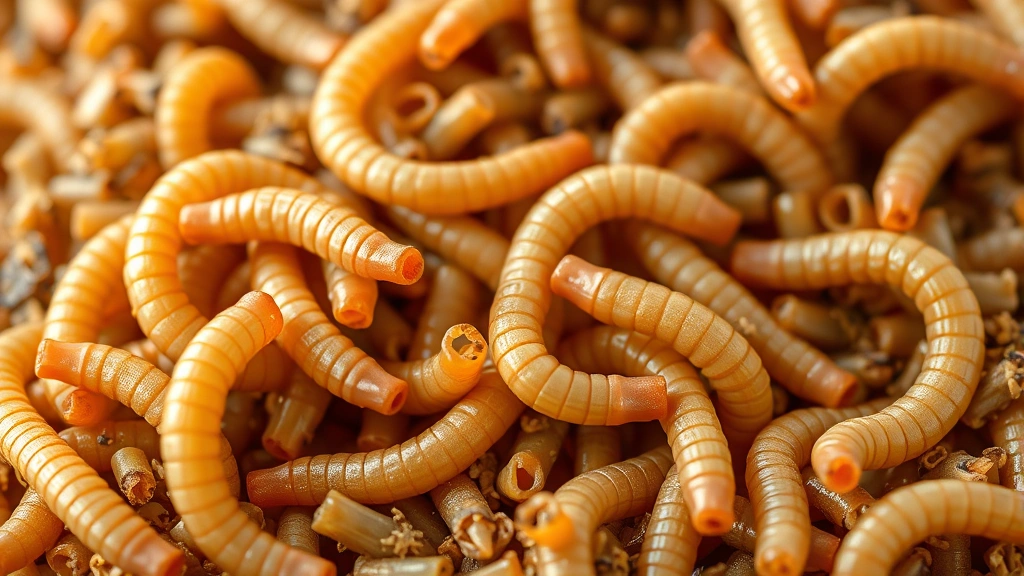
Roundworms are cylindrical parasites that look remarkably like spaghetti or earthworms. They’re typically tan or cream-colored and can range from a few inches to over a foot in length. In your dog’s stool, you might see them wiggling around or in a coiled position, which is actually a pretty reliable way to identify them.
Puppies are particularly susceptible to roundworms because they can acquire them through their mother’s milk. Adult dogs can get roundworms by ingesting contaminated soil, water, or feces. The worms live in the small intestine and feed on the partially digested food there.
According to the ASPCA’s information on parasites, roundworm infections can cause bloated bellies, dull coats, vomiting, and poor growth in puppies. If you notice your dog has a pot-bellied appearance or seems generally unwell, roundworms might be the culprit. Learning how to know if your dog has worms helps you catch these infections before they become serious.
The characteristic “spaghetti-like” appearance is really the giveaway here. Unlike other worms, roundworms are thick enough that most people can spot them without magnification. Some owners describe finding them in the stool or even vomit, which—yes, it’s unpleasant, but it’s also a clear sign that treatment is needed immediately.
Tapeworms: The Segmented Invaders
If roundworms look like spaghetti, tapeworms are more like tiny grains of rice. These parasites are segmented, meaning they’re made up of individual sections that can break off and pass through your dog’s stool independently.
Here’s what to look for with tapeworms: You might see small, cream-colored or white segments in your dog’s stool, and they might actually be moving. Some owners describe them as looking like sesame seeds or rice grains. These segments are called proglottids, and each one contains thousands of eggs. Even if you only see the segments, your dog definitely has tapeworms.
Dogs typically get tapeworms by eating infected fleas or by consuming raw meat that contains tapeworm cysts. This is why understanding whether humans can get worms from dogs is important for household hygiene. Tapeworms are generally less immediately dangerous than some other parasites, but they do rob your dog of nutrients and can cause weight loss and digestive issues.
One distinguishing feature of tapeworms is that you might also notice segments around your dog’s rear end or in their bedding. Some dogs scoot their bottoms on the ground to relieve the itching caused by tapeworm segments—another telltale sign that something’s amiss.

Hookworms and Whipworms: The Microscopic Troublemakers
Unlike roundworms and tapeworms, hookworms and whipworms are much smaller and typically invisible to the naked eye. This doesn’t mean they’re less serious—in fact, quite the opposite. These parasites attach to your dog’s intestinal lining and feed on blood, which can lead to anemia and serious health complications.
Hookworms are particularly dangerous because they can cause severe blood loss. Dogs can acquire hookworms through contaminated soil, water, or even by absorbing larvae through their skin. Puppies can also get them through their mother’s milk.
Whipworms are even smaller than hookworms and are named for their whip-like shape. They live in the large intestine and colon, causing inflammation and sometimes bloody diarrhea.
Because these parasites are microscopic, you won’t see them in your dog’s stool with the naked eye. However, you might notice symptoms like why your dog is having diarrhea, bloody stools, pale gums, lethargy, or unexplained weight loss. If your dog exhibits any of these symptoms, it’s time for a veterinary visit and fecal examination.
According to UC Davis School of Veterinary Medicine, hookworm infections can be particularly severe in young puppies and can even be fatal if left untreated. This is why regular veterinary checkups and preventative care are so important.
Health Impact and Symptoms
Beyond the visual evidence in your dog’s stool, parasitic infections cause a variety of health problems. Understanding these symptoms helps you catch infections early, even if you haven’t spotted worms yet.
Common symptoms of worm infections include:
- Digestive issues: Diarrhea, constipation, or alternating between the two. If you’re wondering what to feed a dog with diarrhea, addressing the underlying parasitic infection should be your first priority.
- Weight loss: Despite eating normally, your dog might lose weight because parasites consume nutrients.
- Bloated belly: A pot-bellied appearance, especially in puppies, is a classic sign of roundworm infection.
- Dull coat: Parasites interfere with nutrient absorption, affecting your dog’s coat quality.
- Lethargy: Your dog might seem unusually tired or lack their normal energy.
- Vomiting: Sometimes dogs vomit worms directly, which is an unmistakable sign.
- Anal itching: Scooting or excessive licking of the rear end suggests tapeworms.
- Pale gums: A sign of anemia, often caused by blood-feeding parasites like hookworms.
- Coughing: Some roundworms can migrate to the lungs, causing respiratory symptoms.
If you notice any combination of these symptoms, schedule a veterinary appointment. Your vet can perform a fecal examination to identify the specific parasite and recommend appropriate treatment.
Prevention and Treatment
The best approach to parasitic infections is prevention. Fortunately, modern veterinary medicine offers excellent preventative options.
Preventative Measures:
- Regular deworming: Puppies should be dewormed starting at 2-3 weeks of age, then every 2 weeks until 12 weeks old, and monthly until 6 months. Adult dogs benefit from regular deworming as recommended by your veterinarian.
- Fecal examinations: Annual or semi-annual fecal exams catch infections early.
- Flea prevention: Since fleas transmit tapeworms, keeping your dog flea-free is crucial.
- Hygiene: Clean your dog’s bedding regularly, pick up stool promptly, and wash your hands after handling your dog or their waste.
- Avoid contaminated areas: Keep your dog away from areas where other infected animals have been.
- Proper food handling: Never feed your dog raw meat, which can contain parasitic cysts.
Treatment Options:
Once your veterinarian confirms a parasitic infection, treatment is straightforward. Several highly effective deworming medications are available, including oral tablets, liquids, and injections. The specific medication depends on the type of parasite and your dog’s age and health status.
Most dogs require a single dose or a short course of medication. Your vet might recommend a follow-up fecal examination a few weeks later to ensure the infection is completely cleared. It’s important to follow your veterinarian’s instructions exactly, as improper dosing or timing can reduce effectiveness.
For dogs with severe infections or complications, additional supportive care might be necessary. For example, dogs with severe anemia from hookworm infections might need nutritional support or even blood transfusions in extreme cases.
Frequently Asked Questions
Can I see worms in my dog’s stool?
Some worms are visible to the naked eye, while others are not. Roundworms and tapeworms are typically visible—roundworms look like spaghetti or earthworms, while tapeworms appear as small rice-like segments. Hookworms and whipworms are microscopic and require a veterinary fecal examination to identify.
What does fresh dog poop with worms look like?
Fresh stool containing roundworms might show long, tan or cream-colored strands that could be wiggling. Stool with tapeworms might contain small white or cream-colored segments. The stool might also be loose, have a particularly foul odor, or contain mucus or blood.
How long after deworming will I see results?
Most dogs show improvement within 24-48 hours of deworming medication. Dead parasites should be expelled in the stool within a few days. However, full resolution of symptoms might take longer, especially if the infection was severe.
Are dog worms contagious to humans?
Most dog worms are species-specific, meaning they primarily affect dogs. However, some parasites like certain roundworms can potentially affect humans, particularly young children. This is why practicing good hygiene when handling your dog’s stool is important. Learn more about whether humans can get worms from dogs.
How often should I have my dog’s stool checked?
Puppies should have fecal examinations at least 2-3 times yearly during their first year. Adult dogs benefit from annual examinations, or more frequently if they have outdoor access or show symptoms of infection. According to the American Animal Hospital Association, regular screening is essential for maintaining your dog’s health.
Can my dog get worms even if they’re on prevention?
While preventative medications are highly effective, no medication is 100% effective against all parasite types. Additionally, if preventative medications aren’t given on schedule, gaps in coverage can occur. This is why regular fecal examinations are still recommended even for dogs on preventative medication.
What should I do if I find worms in my dog’s stool?
Don’t panic! Collect a fresh stool sample and contact your veterinarian. Bring the sample with you to your appointment. Your vet will examine it to identify the specific parasite and prescribe appropriate treatment. In the meantime, practice good hygiene by washing your hands thoroughly after handling your dog or their stool.





