
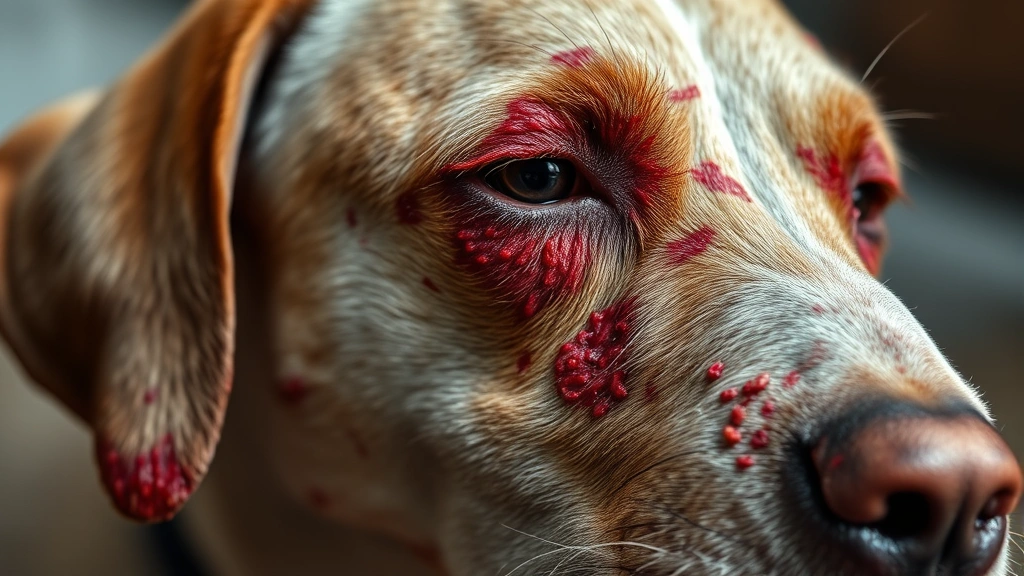
If you’re wondering what does a dog with mites look like, you’re probably noticing some suspicious changes in your furry friend’s appearance or behavior. Mites are tiny parasites that can wreak absolute havoc on your dog’s skin and overall health, and spotting them early is crucial for getting your pup the relief they desperately need. Let’s dive into the telltale signs that’ll help you identify whether your dog is dealing with these microscopic troublemakers.
Table of Contents
- Understanding Dog Mites: The Tiny Troublemakers
- Sign #1: Excessive Scratching and Itching Behavior
- Sign #2: Hair Loss and Patchy Bald Spots
- Sign #3: Red, Inflamed, and Crusty Skin
- Sign #4: Ear Issues and Head Shaking
- Sign #5: Behavioral Changes and General Discomfort
- Different Types of Mites and How They Look Different
- When to Worry: Severe Infestation Signs
- Diagnosis: How Vets Confirm Mites
- Treatment Options and Natural Remedies
- Prevention: Keeping Mites Away
- Frequently Asked Questions
- Summary: What You Need to Know
Understanding Dog Mites: The Tiny Troublemakers
Dog mites are parasitic arachnids (yeah, they’re related to spiders—creepy, right?) that live on or in your dog’s skin. There are several types, including sarcoptic mites (which cause sarcoptic mange) and demodectic mites (which cause demodectic mange). These little critters are invisible to the naked eye, but their effects on your dog? Totally visible and often pretty dramatic. The good news is that once you know what to look for, you can catch an infestation before it becomes a major problem.
Sign #1: Excessive Scratching and Itching Behavior
The most obvious indicator that your dog might have mites is constant, obsessive scratching. We’re talking about the kind of scratching that keeps your pup up at night and drives you absolutely bonkers. If your dog is scratching so much that they’re creating open wounds or bald patches, mites are definitely on your suspect list. This itching is relentless because mites burrow into the skin and trigger an allergic reaction that makes your dog feel like they’re going crazy. You might notice your dog scratching at their ears, face, legs, or belly—basically anywhere mites decide to set up camp. This behavior often leads to secondary skin infections, which makes everything worse. If your dog seems to have lethargy in dogs combined with excessive scratching, it’s definitely time to call your vet.
Sign #2: Hair Loss and Patchy Bald Spots
When a dog with mites scratches constantly, the inevitable result is hair loss. You’ll notice bald patches appearing on your dog’s body, often starting on the face, ears, elbows, or legs. The hair loss from mite infestations tends to be symmetrical and can progress rapidly if left untreated. Some dogs end up looking absolutely mangy (hence the term “mange”), with large areas of exposed, irritated skin. The bald spots aren’t just cosmetic either—they’re a sign that your dog’s skin barrier is compromised and vulnerable to bacterial infections. You might even notice the remaining hair looking dull, brittle, or scaly. This is one of those visual signs that’ll definitely make you go, “Yep, something’s definitely wrong here.”
Sign #3: Red, Inflamed, and Crusty Skin
Look closely at your dog’s skin, especially in the areas where they’ve been scratching. With mites, you’ll often see redness and inflammation that looks angry and irritated. The skin might appear thickened, scaly, or have a crusty appearance. Some dogs develop secondary bacterial infections from all that scratching, which can make the skin look even worse—think oozing sores or pustules. The skin might feel warm to the touch and smell funky (yes, infected skin has a distinctive odor that’s not pleasant). If your dog’s skin looks like it’s been through a war, mites are likely the culprit. This is also where treatments like alternatives to Apoquel for dogs might come into play, as your vet could recommend anti-inflammatory options.
Sign #4: Ear Issues and Head Shaking
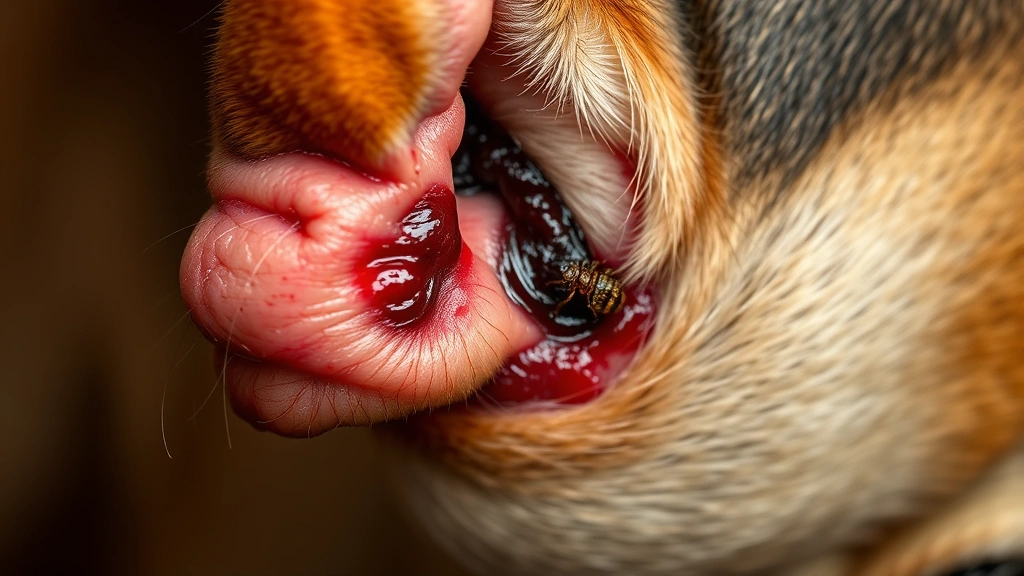
Mites absolutely love ears. If your dog has a mite infestation, you might notice them constantly shaking their head, tilting it to one side, or scratching at their ears like their life depends on it. The ears might look red and inflamed inside, and you could see a dark, waxy discharge that looks kind of like coffee grounds (gross, but accurate). Some dogs develop ear infections alongside mite infestations, which compounds the problem. Your dog’s ears might smell yeasty or funky, and they might even seem uncomfortable or in pain when you touch them. If your pup is acting like their ears are driving them absolutely insane, get them checked out ASAP.
Sign #5: Behavioral Changes and General Discomfort
Beyond the physical signs, dogs with mites often show behavioral changes because they’re genuinely miserable. Your normally chill pup might become irritable, anxious, or restless. They might have trouble sleeping because the itching is so intense, leading to lethargy in dogs during the day as they try to recover from sleepless nights. Some dogs become withdrawn or less interested in activities they normally love. If your dog seems generally unwell—losing weight, not eating as much, or just acting “off”—mites could be the underlying cause. Your dog’s quality of life takes a real hit when mites move in, so paying attention to these behavioral shifts is important.

Different Types of Mites and How They Look Different
Not all mite infestations look identical. Sarcoptic mange (caused by Sarcoptes scabiei mites) typically starts on the ears, face, and elbows and spreads from there. Dogs with sarcoptic mange often have intense itching, and the condition is contagious to other dogs and even humans. Demodectic mange (caused by Demodex mites) usually appears as hair loss and red, scaly patches, often starting on the face and front legs. Demodectic mange is less itchy than sarcoptic mange and isn’t contagious, but it’s still serious. Ear mites cause that characteristic head shaking and ear discharge we mentioned earlier. Understanding which type your dog might have helps your vet determine the best treatment approach.
When to Worry: Severe Infestation Signs
If your dog’s mite problem has progressed, you might see signs of severe infection. We’re talking about widespread hair loss, oozing sores, crusted skin covering large areas of the body, and signs of systemic illness like fever or swollen lymph nodes. Some dogs develop such severe secondary infections that they need antibiotics or more aggressive treatment. If your dog is showing these severe signs, don’t wait—get to your vet immediately. A severe mite infestation can seriously compromise your dog’s health and immune system. In extreme cases, untreated mites can lead to life-threatening complications, so this isn’t something to mess around with.
Diagnosis: How Vets Confirm Mites
While the visual signs we’ve discussed are pretty telling, your vet will want to confirm a mite infestation with actual diagnostics. They might do a skin scraping, where they gently scrape the skin and examine the sample under a microscope to look for mites. For ear mites, they might use an otoscope to look inside the ear canal. Sometimes vets take fungal cultures to rule out ringworm, which can look similar to mite infestations. Your vet might also ask about your dog’s exposure history—have they been around other dogs? Do they spend time outdoors? These details help confirm the diagnosis. Don’t try to self-diagnose based on appearance alone; get professional confirmation so you can treat the right problem with the right medication.
Treatment Options and Natural Remedies
Once your vet confirms mites, treatment typically involves medicated dips, oral medications, or topical treatments prescribed specifically for mite infestations. Your vet might recommend diatomaceous earth for dogs as a supplemental treatment, though it’s not a standalone cure. Some vets suggest alternatives to Apoquel for dogs if your pup needs anti-inflammatory support during treatment. Supporting your dog’s immune system with turmeric for dogs or other supplements might help, but always check with your vet first. The timeline for recovery varies depending on the severity and type of mite infestation, but most dogs show improvement within a few weeks of starting treatment. Follow your vet’s instructions exactly—don’t skip doses or stop treatment early, even if your dog looks better.
Prevention: Keeping Mites Away
The best approach to mites is preventing them in the first place. Keep your dog’s living environment clean and wash their bedding regularly. Avoid exposing your dog to other dogs with known mite infestations. Regular grooming helps you spot skin problems early. If your dog spends time outdoors, check them regularly for signs of mites or other parasites. Maintain your dog’s overall health with good nutrition and regular vet check-ups. Some dogs are more prone to mite infestations due to allergies or compromised immune systems, so managing underlying health issues helps too. Ask your vet about preventative treatments if your dog is at higher risk.
Frequently Asked Questions
Can I catch mites from my dog?
Sarcoptic mites can technically infect humans, though it’s rare and usually causes only temporary itching. Demodectic mites, on the other hand, are species-specific and won’t infect humans. Still, practice good hygiene when handling a dog with mites—wash your hands regularly and avoid prolonged skin-to-skin contact until treatment begins.
How long does it take to treat mites?
Treatment timelines vary, but most dogs show significant improvement within 2-4 weeks of starting treatment. Complete recovery might take 6-8 weeks or longer, depending on the severity of the infestation and your dog’s individual response to treatment. Always complete the full course of treatment even if your dog looks better.
Are mites contagious between dogs?
Sarcoptic mites are highly contagious between dogs, so isolate an infected dog from other pets until treatment is underway. Demodectic mites are not contagious, though they can be passed from mother dogs to puppies. Either way, inform your vet and take precautions with other animals in your household.
What’s the difference between mites and fleas?
Mites are microscopic arachnids that burrow into or live on skin, while fleas are larger parasitic insects that you can sometimes see with the naked eye. Flea bites typically cause itching in specific areas, while mite infestations cause more widespread itching and skin damage. Your vet can distinguish between them with proper diagnostics.
Can over-the-counter treatments cure mites?
Most effective mite treatments require a veterinary prescription. Over-the-counter products might provide temporary relief but won’t cure a mite infestation. Your vet needs to diagnose the specific type of mite and prescribe the appropriate medication for complete resolution.
Summary: What You Need to Know
If you’re asking yourself “what does a dog with mites look like?” the answer is: pretty miserable. Look for excessive scratching, hair loss, red and inflamed skin, ear issues, and behavioral changes. Mites are serious parasites that require veterinary treatment, so don’t delay getting your dog checked out if you notice these signs. Early intervention means faster relief for your pup and a better overall outcome. Work with your vet to confirm the diagnosis, follow treatment protocols exactly, and take preventative measures to keep mites from coming back. Your dog will thank you for catching these tiny troublemakers and getting them the help they need.





