
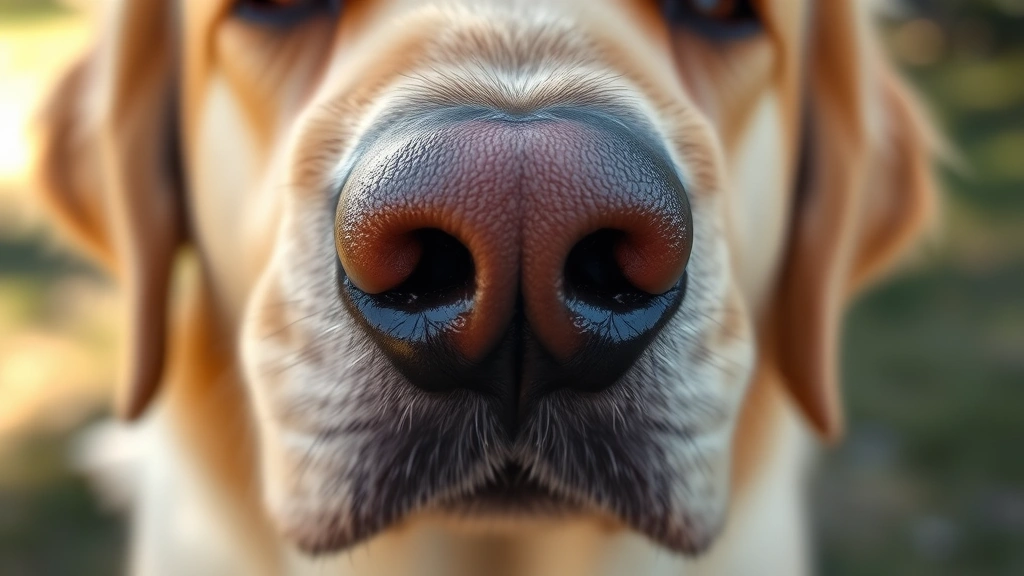
So your pup’s nose feels like a raisin instead of that wet, boopable button you’re used to—what does a dry nose on a dog mean? Before you panic and schedule an emergency vet visit, let’s talk about what’s actually going on up there. A dog’s nose isn’t always supposed to be wet, despite what every dog parent has been told at some point. Sometimes it’s totally normal, sometimes it’s a sign your dog needs water, and sometimes—yeah, okay—it might warrant a vet check. Let’s break down the mystery of the crusty schnoz.
Table of Contents
- The Myth of the Perpetually Wet Nose
- Dehydration: The Most Common Culprit
- Environmental Factors and Weather Changes
- Allergies and Skin Conditions Affecting the Nose
- Fever and Illness: When Dry Nose Matters
- Breed-Specific Nose Characteristics
- Sleep and Rest: The Obvious Explanation
- When to Actually Worry: Red Flags
- Simple Solutions for Dry Dog Noses
- What the Experts Say About Canine Noses
- Frequently Asked Questions
- The Bottom Line: Stop Worrying About Nose Moisture
The Myth of the Perpetually Wet Nose
Here’s the thing: everyone and their grandmother will tell you that a healthy dog always has a wet nose. That’s actually not true, and it’s time we retired this myth. Dogs secrete a thin mucus layer that keeps their noses moist, and they also lick their noses constantly (sometimes up to 100 times per day—yes, really). But a dry nose doesn’t automatically mean your dog is sick or dying. It just means your dog’s nose is dry. Revolutionary concept, I know.
The wet nose thing became a folk belief because wet noses are more sensitive to smell, which is crucial for dogs’ survival. However, dogs can function perfectly fine with temporarily dry noses. The key word here is “temporarily.” If your dog’s nose is consistently dry, scaly, or cracked for days on end, that’s when you start paying closer attention.
Dehydration: The Most Common Culprit
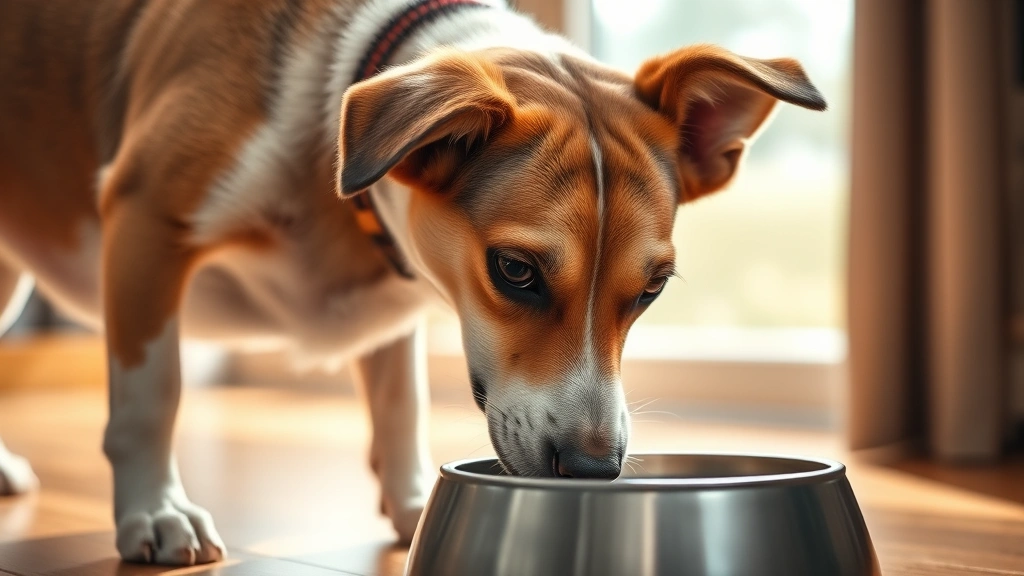
If your dog’s nose is drier than the Sahara, the first thing to check is water intake. Dehydration is one of the most common reasons for a dry nose in dogs, and it’s also one of the easiest to fix. Is your pup getting enough water throughout the day? During hot weather or when it’s too hot to walk your dog, water needs increase significantly.
Dogs need about 1 ounce of water per pound of body weight daily, though this varies based on activity level, diet, and climate. If your dog eats mostly dry kibble, they’re getting less moisture from food compared to dogs eating wet food or raw diets. Check your dog’s water bowl—is it fresh? Is it accessible? Some dogs are picky about stale water or prefer running water from a fountain. If dehydration is the issue, increasing water intake should resolve the dry nose within a day or two.
Environmental Factors and Weather Changes
Your dog’s environment plays a massive role in nose moisture. Winter heating systems, air conditioning, low humidity, and sun exposure can all dry out your pup’s nose faster than you can say “humidifier.” If you live somewhere with harsh winters or intense summers, dry noses are practically a seasonal tradition.
Spending time in air-conditioned spaces, sleeping near heating vents, or lounging in direct sunlight can contribute to temporary dryness. This is usually nothing to worry about—it’s just your dog’s nose adapting to their surroundings. If you notice your dog’s nose gets dry during certain seasons or after spending time in the car with the AC blasting, environmental factors are likely your answer.
Allergies and Skin Conditions Affecting the Nose
Now we’re getting into the territory where dry noses might actually indicate something worth investigating. Allergies—whether food allergies, environmental allergies, or contact allergies—can cause dry, flaky, or irritated noses. Dogs with allergies often have itchy skin all over, not just on their noses. You might also notice excessive licking, red skin, or ear infections alongside the dry nose.
Mange on dogs and other parasitic or fungal infections can also cause nasal dryness, scaling, and crusting. Autoimmune conditions like pemphigus or lupus can affect the nose specifically, causing it to become dry, ulcerated, or discolored. If your dog’s nose looks abnormal—not just dry but also red, cracked, bleeding, or has discharge—a vet visit is in order. These conditions need professional diagnosis and treatment, potentially including medicated dog shampoo or other interventions.
Fever and Illness: When Dry Nose Matters
Here’s where the “wet nose = healthy” myth has some actual basis. Dogs with fevers sometimes have dry noses because they’re dehydrated and their bodies are fighting off infection. However, a dry nose alone is not a reliable indicator of fever. You need to check your dog’s temperature (normal is 101-102.5°F) and look for other signs: lethargy, loss of appetite, vomiting, diarrhea, coughing, or unusual behavior.
If your dog has a dry nose AND seems generally unwell, that’s when you call the vet. But if your dog is acting completely normal, eating well, drinking water, and playing like usual, a dry nose is almost certainly not a sign of serious illness. Don’t let anxiety turn a minor symptom into a medical emergency in your head.
Breed-Specific Nose Characteristics
Some dog breeds are just more prone to dry noses than others. Brachycephalic breeds (flat-faced dogs like Bulldogs and Pugs) often have drier noses because of their facial structure and breathing challenges. Dogs with light-colored noses are also more sensitive to sun exposure and may experience dryness more frequently. This doesn’t mean anything is wrong—it’s just how their noses are.
Additionally, older dogs tend to have drier noses as their skin loses moisture with age. It’s a normal part of aging, similar to how human skin gets drier as we get older. If your senior pup’s nose is a bit crusty, it’s probably just age-related and not cause for concern unless accompanied by other symptoms.
Sleep and Rest: The Obvious Explanation
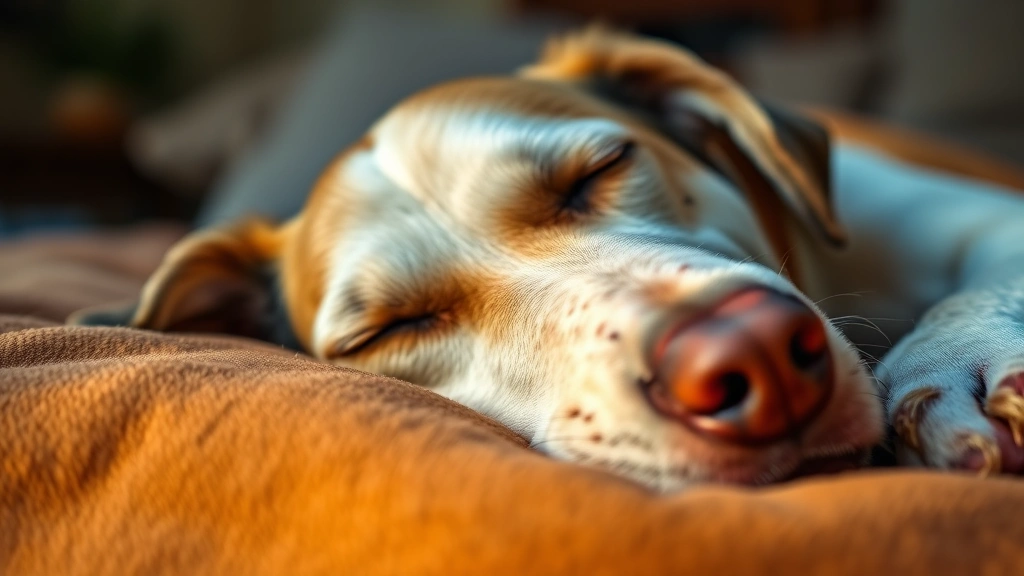
Here’s something people don’t think about enough: dogs’ noses get dry when they’re sleeping. During sleep, dogs aren’t licking their noses, and their mucus production decreases. So if you wake up and your dog’s nose feels dry, that’s completely normal and expected. It’ll be back to its moist self within minutes of your pup waking up and getting active.
If you’re checking your dog’s nose right after a nap or first thing in the morning, you’re basically guaranteed to find it dry. This isn’t a medical concern—it’s just biology. Check again after your dog has been awake and moving around for a bit, and you’ll probably find the nose is back to normal.
When to Actually Worry: Red Flags
Okay, so when should you actually be concerned about your dog’s dry nose? Here are the real red flags:
- Persistent dryness lasting more than a week despite increased water intake
- Visible cracks, bleeding, or ulcers on the nose
- Discharge (pus, blood, or unusual color) from the nose
- Swelling or discoloration of the nose
- Constant licking or pawing at the nose
- Dry nose combined with other symptoms like fever, lethargy, loss of appetite, or coughing
- Changes in nasal pigmentation that persist
If you see any of these signs, schedule a vet appointment. Your veterinarian can examine the nose closely, run tests if needed, and determine whether treatment is necessary. Conditions like laryngeal paralysis in dogs and other systemic issues can sometimes present with nasal symptoms, so professional evaluation is important.
Simple Solutions for Dry Dog Noses
If your dog’s dry nose is just a minor cosmetic issue and not accompanied by other symptoms, here are some simple things you can do:
- Increase water intake: Make sure fresh water is always available. Try a water fountain if your dog prefers running water.
- Use a humidifier: Adding moisture to the air in your home can help, especially during dry seasons.
- Limit sun exposure: Avoid prolonged time in direct sunlight, especially during peak hours.
- Apply dog-safe balm: Products specifically made for dog noses (like paw balms with natural oils) can help moisturize. Never use human products like Vaseline without vet approval.
- Adjust diet: Switching to food with higher moisture content or adding wet food can help with overall hydration.
- Reduce time in AC/heat: When possible, limit exposure to extreme temperature-controlled environments.
These are all gentle, safe interventions that address the most common causes of dry noses without needing medication or vet visits.
What the Experts Say About Canine Noses
According to the American Kennel Club, a dog’s nose health is just one small part of overall health assessment. Veterinarians at PetMD emphasize that nasal moisture varies naturally and shouldn’t be used as a sole health indicator. Research from veterinary dermatology specialists indicates that dry noses in dogs are often environmental or behavioral in nature rather than pathological.
The consensus among veterinary professionals is clear: don’t obsess over nose moisture. Focus on your dog’s overall behavior, appetite, energy level, and other health markers. A dry nose in an otherwise healthy, happy dog is usually just a dry nose.
Frequently Asked Questions
Is a dry nose always a sign that my dog is sick?
No. A dry nose is normal in many situations—after sleep, in dry weather, or when your dog is dehydrated. A dry nose alone doesn’t indicate illness. Only be concerned if it’s accompanied by other symptoms like fever, lethargy, or nasal discharge.
How can I tell if my dog is dehydrated?
Besides a dry nose, signs of dehydration include dry gums, sunken eyes, lethargy, loss of appetite, and decreased urination. The skin turgor test (gently pulling up the skin on the back of the neck and seeing how quickly it returns) can also indicate dehydration. If you suspect dehydration, contact your vet.
Should I put anything on my dog’s dry nose?
Only use products specifically designed for dogs. Never use Vaseline, human lip balm, or other human products without vet approval. Dog-safe nose balms with natural oils are fine for minor dryness. For persistent issues, ask your vet for recommendations.
Can allergies cause a dry nose?
Yes. Allergies can cause dry, flaky, or irritated noses. If your dog has other allergy symptoms like itchy skin, ear infections, or excessive licking, discuss allergies with your vet. They can help identify the allergen and recommend treatment.
Is my dog’s dry nose worse in winter?
Absolutely. Winter heating systems and cold, dry air can definitely dry out your dog’s nose. Using a humidifier, increasing water intake, and limiting time near heat vents can help. This is usually temporary and resolves when humidity increases.
When should I take my dog to the vet for a dry nose?
Schedule a vet visit if the dryness persists for more than a week, if there’s visible damage (cracks or bleeding), if there’s discharge, or if the dry nose is accompanied by other symptoms. Trust your instincts—if something seems off, it’s worth getting checked out.
The Bottom Line: Stop Worrying About Nose Moisture
A dry nose on a dog doesn’t automatically mean anything is wrong. Your dog’s nose moisture fluctuates naturally throughout the day based on sleep, activity, environment, and hydration. Most cases of dry noses are completely harmless and resolve on their own or with simple solutions like increased water intake.
The real indicator of your dog’s health is their overall behavior, energy level, appetite, and how they interact with you. A happy, active dog with a dry nose is healthy. A lethargic, sick-acting dog with a wet nose needs attention. Stop obsessing over nose moisture and focus on what actually matters: is your dog acting normal?
If you’re genuinely concerned or notice other symptoms, absolutely see your vet. That’s what they’re there for. But for the vast majority of dogs with temporarily dry noses, this is a non-issue. Make sure your pup has plenty of water, keep them cool during hot weather, and enjoy your normal life without nose-related anxiety.





