
What Does a Hot Spot Look Like on a Dog? An Overview
If you’ve noticed your furry friend constantly licking, biting, or scratching at their skin, you might be dealing with a common canine condition called a hot spot. These painful, inflamed patches can appear suddenly and worsen rapidly if left untreated. Understanding what a hot spot looks like is the first step toward helping your dog feel better and preventing serious complications.
Hot spots, medically known as acute moist dermatitis, are one of the most frequent skin issues veterinarians see in their practice. They’re particularly common during warm, humid months when dogs are more active outdoors and moisture gets trapped in their fur. Whether your dog has long, thick fur or short hair, any breed can develop these uncomfortable lesions.
In this comprehensive guide, we’ll walk you through the visual characteristics of hot spots, explain what causes them, and provide you with practical information to help you identify and address this issue quickly. Early recognition can make all the difference in your dog’s comfort and recovery.
Visual Characteristics of Hot Spots
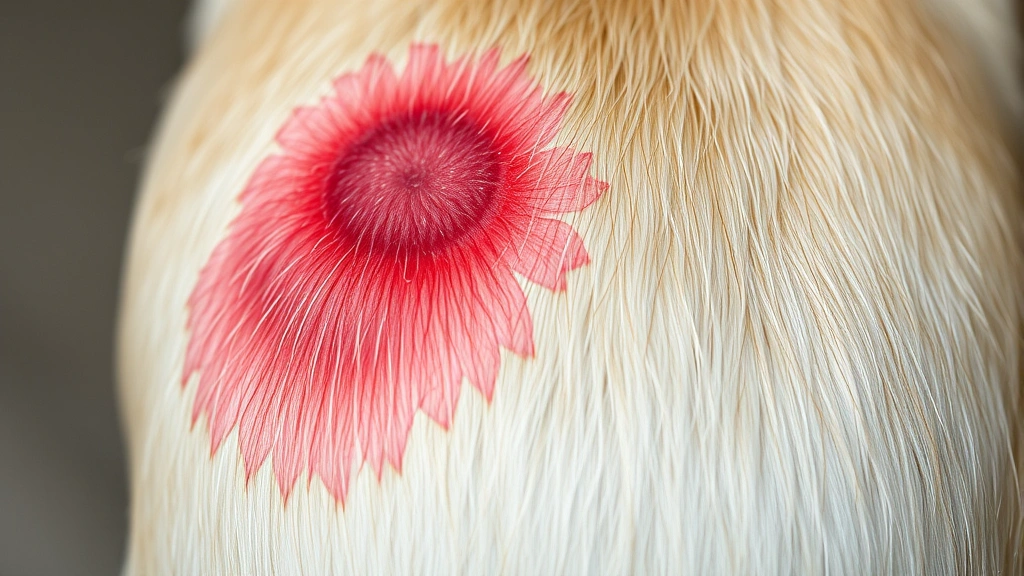
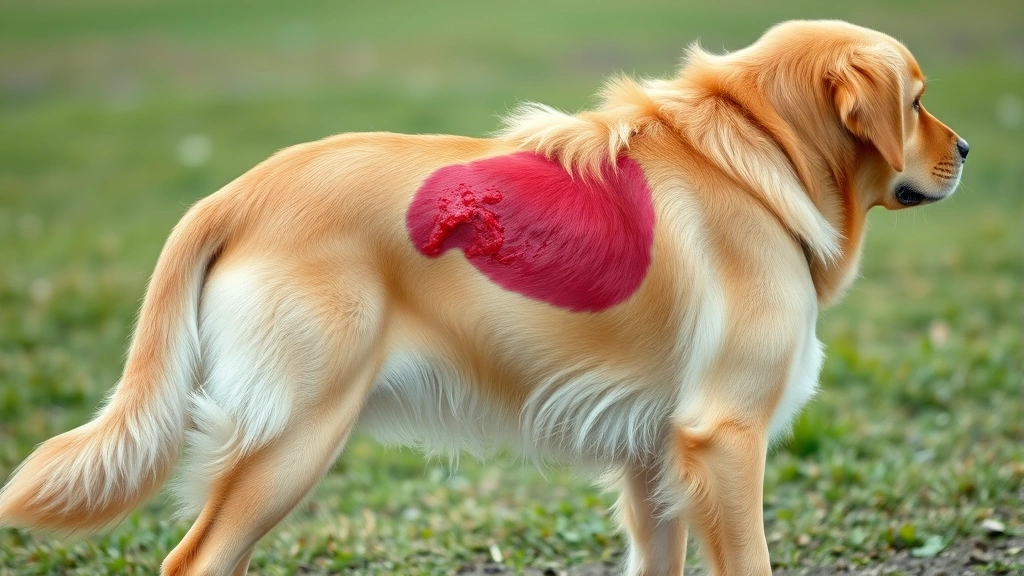
A hot spot typically appears as a red, inflamed patch of skin that stands out distinctly from your dog’s normal coat. The affected area often looks moist or weepy, with a glistening appearance due to discharge or saliva from constant licking. Many owners describe hot spots as looking raw, angry, or irritated—and that’s an accurate assessment because the skin is genuinely inflamed and compromised.
The size of a hot spot can vary dramatically, ranging from a small coin-sized patch to an area several inches across. What’s particularly concerning is how quickly they can expand. A spot that was barely noticeable yesterday might double in size overnight, which is why they earned the name ‘hot spots’—they develop and spread rapidly.
The texture of the affected skin is usually different from the surrounding area. You might notice the hair around the lesion is matted down, wet, or missing entirely. The skin beneath may appear shiny, scaly, or crusty depending on the stage of development. Some hot spots develop a yellowish or greenish discharge, indicating a secondary bacterial infection has occurred.
Color-wise, hot spots typically display various shades of red and pink, though the exact appearance depends on your dog’s skin tone and coat color. On dogs with darker skin, the inflammation might be harder to spot visually, but you’ll likely notice the behavioral changes associated with it first.
Early Signs and Symptoms
Before a full-blown hot spot develops, you’ll usually notice behavioral changes in your dog. The most obvious sign is excessive licking, chewing, or scratching in a specific area. If you observe your dog focused intently on one spot, returning to it repeatedly throughout the day, this is your first warning sign that something’s wrong.
Many pet owners don’t realize that why dogs lick their paws and skin excessively can be the precursor to hot spots. This obsessive licking breaks down the skin barrier, creating the perfect environment for inflammation and infection to develop. Your dog might also seem more restless or irritable, especially if the affected area itches or hurts.
You may notice your dog scooting on the carpet, rubbing against furniture, or attempting to bite or nip at an unreachable area. Some dogs will whine or show signs of discomfort when you touch the affected area. Hair loss in a localized spot is another early indicator—the fur might appear thinner or completely absent before you see the red, inflamed skin underneath.
The skin might feel warm to the touch in the early stages, which is where the term ‘hot spot’ originates. If you gently part your dog’s fur and look closely, you might see slight redness or moisture before the condition progresses to a more obvious lesion.
How Hot Spots Progress
Understanding the progression of a hot spot helps you act quickly. In stage one, you’ll primarily notice behavioral changes—excessive licking and scratching—with minimal visible skin changes. The hair might look slightly matted or wet from saliva.
Stage two involves visible inflammation. The skin becomes noticeably red and may start to swell slightly. You’ll see moisture on the skin, and the affected area feels warm. At this point, many owners finally notice something is wrong because the visual changes become obvious.
In stage three, the hot spot becomes more severe. The skin may develop a weepy or oozing appearance, sometimes with discharge. The lesion expands as your dog continues to lick and scratch. Secondary bacterial infections often occur at this stage, which can cause the discharge to change color or develop an odor.
If left untreated, hot spots can progress to stage four, where deep tissue damage occurs. The lesion might develop a crust or scab, and the surrounding skin shows significant hair loss. Your dog may show signs of systemic infection like fever or lethargy. This is when veterinary intervention becomes critical.

Common Locations on Dogs
Hot spots can appear anywhere on your dog’s body, but certain locations are more prone to developing them. The hindquarters, particularly above the tail and on the back legs, are extremely common sites. This area is easy for dogs to reach and tends to trap moisture and heat.
The face and ear areas frequently develop hot spots, especially in dogs with floppy ears or facial folds. These areas have poor air circulation and retain moisture, creating ideal conditions for inflammation. Dogs with long, thick coats around their ears are particularly susceptible.
The underarms and groin area are other hotspots for hot spots because these regions have skin-to-skin contact that traps moisture and heat. Areas where collars or harnesses fit tightly can also develop these lesions due to friction and moisture accumulation.
Dogs that spend time in water—whether swimming or playing in wet grass—often develop hot spots on their chest, belly, or wherever their coat stays wet longest. The combination of moisture, friction from the wet fur, and potential allergens in the water creates a perfect storm for acute moist dermatitis.
Understanding the Root Causes
To properly identify and address hot spots, you need to understand what causes them. The underlying causes of hot spots are multifactorial, meaning several elements typically work together to create the condition.
Moisture is the primary culprit. Whether from swimming, rain, excessive sweating, or even high humidity, wet fur creates an environment where bacteria and yeast thrive. When combined with friction from the dog’s licking and chewing, the skin barrier breaks down rapidly.
Allergies play a significant role in many hot spot cases. Dogs with food allergies, environmental allergies, or contact allergies are more prone to developing hot spots. The itching from allergies triggers the licking behavior that initiates the hot spot cycle.
Parasites, particularly fleas, are a common underlying cause even if you don’t see the fleas themselves. A single flea bite can trigger intense itching in sensitive dogs, leading to the obsessive licking that creates a hot spot. Dogs with flea allergy dermatitis are especially susceptible.
Ear infections, skin infections, or other dermatological conditions can all contribute to hot spot development. Additionally, behavioral issues like anxiety or boredom can lead to excessive licking and self-trauma. Some dogs develop hot spots as a response to stress or changes in their environment.
Underlying conditions like hypothyroidism or immune system disorders can increase susceptibility to hot spots. This is why addressing the root cause is just as important as treating the visible lesion.
Treatment and Care Options
Once you’ve identified a hot spot, immediate care is essential. The first step is to prevent further licking and trauma. This might mean using an Elizabethan collar (cone) temporarily while you address the lesion. Your veterinarian may recommend keeping the area clean and dry as a primary treatment approach.
Properly cleaning a dog wound or hot spot involves gently washing the area with a mild, dog-safe cleanser. Your vet might recommend specific products or a simple saltwater solution. Avoid harsh chemicals or human medications unless specifically directed by your veterinarian.
Topical treatments are often the first line of defense. Your veterinarian might prescribe antibiotic ointments, antifungal creams, or medicated sprays designed to reduce inflammation and prevent infection. Some vets recommend hydrocortisone cream to reduce itching and inflammation, though stronger prescription medications might be necessary for severe cases.
In many cases, veterinarians prescribe oral antibiotics if a secondary bacterial infection has developed. They might also recommend antihistamines or anti-inflammatory medications to address the underlying itch that started the problem. For severe or recurring hot spots, your vet might suggest systemic antifungal medications or immunosuppressive treatments.
Regarding cleaning products, pet owners often ask if using Dawn dish soap is safe for dogs. While Dawn is sometimes used in emergency situations for specific purposes, it’s not ideal for cleaning hot spots. Your veterinarian can recommend appropriate cleansing solutions designed for compromised skin.
Home care is crucial during treatment. Keep the area dry, monitor for signs of improvement or worsening, and administer any prescribed medications exactly as directed. Most hot spots show improvement within 7-10 days of proper treatment, though complete healing may take longer.
Prevention Strategies
Preventing hot spots is far easier than treating them. Since moisture is a major factor, ensure your dog is thoroughly dried after swimming, bathing, or playing in wet conditions. Pay special attention to areas like the ears, underarms, and groin where moisture easily gets trapped.
Regular grooming is essential, particularly for dogs with long or thick coats. Keeping the coat well-maintained improves air circulation and reduces moisture accumulation. Many groomers can trim problem areas to help prevent hot spot formation in susceptible dogs.
Managing allergies is critical for prevention. Whether addressing food allergies, environmental allergies, or parasite allergies, keeping your dog’s itching under control eliminates the primary trigger for hot spot development. Work with your veterinarian to identify and manage any allergies your dog might have.
Flea and tick prevention is non-negotiable. Even if you don’t see fleas, one bite can trigger a hot spot in sensitive dogs. Year-round parasite prevention is the safest approach for most dogs. Your veterinarian can recommend the best products for your dog’s specific needs.
Environmental management also helps. During humid months or in humid climates, increase grooming frequency and ensure your dog’s living space has good air circulation. If your dog tends to develop hot spots in certain areas, keep those spots trimmed shorter to reduce moisture retention.
Some conditions like dog dandruff can contribute to skin irritation and hot spot development, so addressing underlying skin health is important. Regular bathing with appropriate dog shampoos and maintaining skin health can prevent many issues.
Additionally, reducing stress and ensuring adequate exercise can help prevent behaviorally-induced hot spots. Dogs that are anxious or bored are more likely to engage in excessive licking behaviors.
When to See Your Veterinarian
While minor hot spots might improve with home care, certain situations require professional veterinary attention. If the hot spot is larger than an inch across, you should schedule a vet appointment. If it’s growing rapidly, spreads to multiple areas, or shows signs of infection, seek veterinary care promptly.
Any hot spot that doesn’t improve within 3-5 days of treatment warrants a veterinary visit. If your dog seems systemically ill—showing fever, lethargy, or loss of appetite—this indicates a more serious infection requiring professional intervention.
If your dog is very young, very old, or has underlying health conditions, it’s wise to have a veterinarian evaluate any hot spot. Similarly, if your dog has a history of recurring hot spots, your vet can help identify the underlying cause and develop a prevention strategy.
Your veterinarian can perform diagnostic tests to identify secondary infections, determine if parasites or allergies are involved, and rule out other skin conditions. They might recommend diagnostic tools like fungal cultures or bacterial cultures to guide treatment decisions.
Don’t hesitate to contact your vet if you’re unsure whether something is a hot spot or if you’re concerned about your dog’s condition. It’s always better to err on the side of caution with skin conditions, as they can deteriorate quickly.
Frequently Asked Questions
What’s the difference between a hot spot and other skin conditions?
Hot spots are specifically characterized by acute, moist inflammation that develops rapidly due to self-trauma from licking and scratching. Unlike other skin conditions such as whether dogs can get skin tags, which are slow-growing benign growths, hot spots are inflammatory lesions that appear suddenly and worsen quickly. Hot spots are always wet or weepy in appearance, whereas other conditions might be dry, scaly, or involve growths rather than erosions.
Can hot spots go away on their own?
Small hot spots caught very early might improve somewhat with prevention of further licking, but they rarely resolve completely without treatment. The self-perpetuating cycle of itching, licking, and further skin damage usually requires intervention to break. Even if a hot spot appears to improve, underlying causes often remain, leading to recurrence.
How long does it take for a hot spot to heal?
With appropriate veterinary treatment, most hot spots show significant improvement within 7-10 days. Complete healing might take 2-3 weeks depending on the severity and underlying causes. Severe hot spots with deep tissue involvement can take several weeks to fully resolve.
Are hot spots contagious between dogs?
Hot spots themselves are not contagious, but if a secondary bacterial or fungal infection is present, those pathogens could potentially spread to other dogs through direct contact. It’s still best to prevent direct contact between an affected dog and other pets until the hot spot is healed.
Can I use human medications or products on my dog’s hot spot?
Most human medications and products are not appropriate for dogs’ hot spots. Many human products are toxic to dogs or can interfere with healing. Always use products specifically formulated for dogs or recommended by your veterinarian. When in doubt, ask your vet before applying anything to your dog’s skin.
Why does my dog keep getting hot spots?
Recurring hot spots indicate an underlying issue that hasn’t been addressed. This could be uncontrolled allergies, ongoing parasite exposure, moisture in the environment, or behavioral issues. Your veterinarian can help identify the root cause and develop a prevention strategy to break the cycle.
Should I shave the hair around a hot spot?
Many veterinarians recommend carefully trimming or shaving the hair around a hot spot to improve air circulation and allow topical medications to reach the skin. However, this should be done gently to avoid further irritating the area. Ask your vet for specific guidance for your dog’s situation.





