
If you’re wondering what does a tick look like on a dog, you’re not alone—and honestly, it’s a question every dog owner should be asking themselves regularly. Ticks are tiny vampires that latch onto your furry friend and can transmit some seriously nasty diseases like Lyme disease and Rocky Mountain spotted fever. The good news? Once you know what to look for, spotting these parasites becomes way easier, and you can protect your pup before things get ugly.
Table of Contents
- The Unfed Tick: What You’re Actually Looking For
- Engorged Ticks: The Bloated Blood Suckers
- Where Ticks Like to Hide on Dogs
- Tick Species You Might Encounter
- How to Perform a Proper Tick Check
- What Ticks Are NOT: Common Misidentifications
- The Dangers: Why Tick Identification Matters
- Safe Tick Removal: Do It Right
- Prevention: The Best Medicine
- When to Call Your Vet
- Frequently Asked Questions
- Summary: Staying Tick-Free
The Unfed Tick: What You’re Actually Looking For
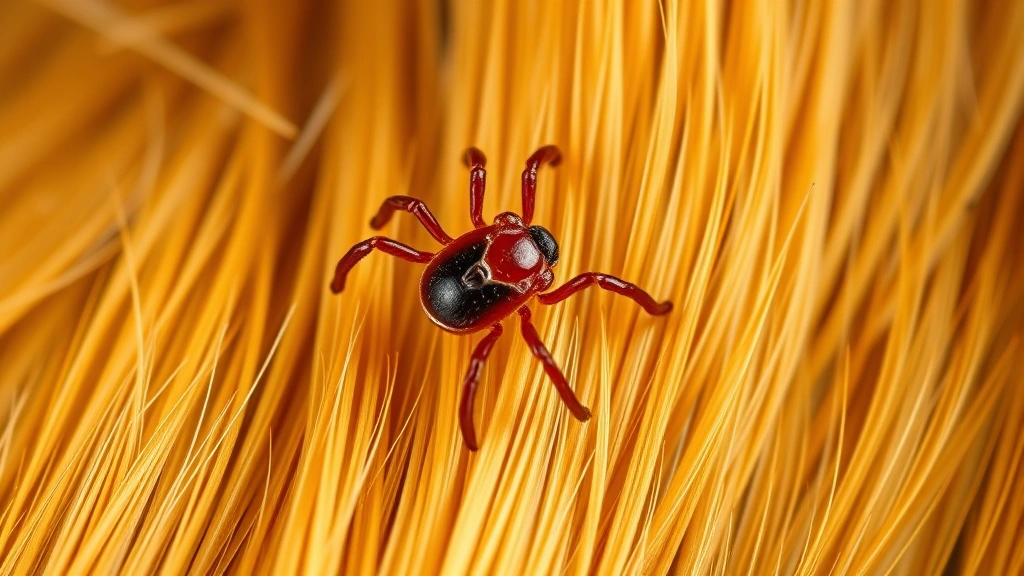
Before a tick has fed on your dog’s blood, it’s genuinely tiny—we’re talking the size of a sesame seed or smaller. An unfed tick typically looks like a small, flat, brownish or reddish bug with eight legs (yes, they’re arachnids, not insects). The body is oval-shaped and has a darker coloring that can range from tan to dark brown depending on the species. If you’re trying to spot an unfed tick on your dog’s skin, you’ll need to look closely, especially on dogs with darker coats. Run your fingers through your dog’s fur regularly, and you might feel one before you see it—they have a slightly bumpy texture that doesn’t belong there.
Engorged Ticks: The Bloated Blood Suckers
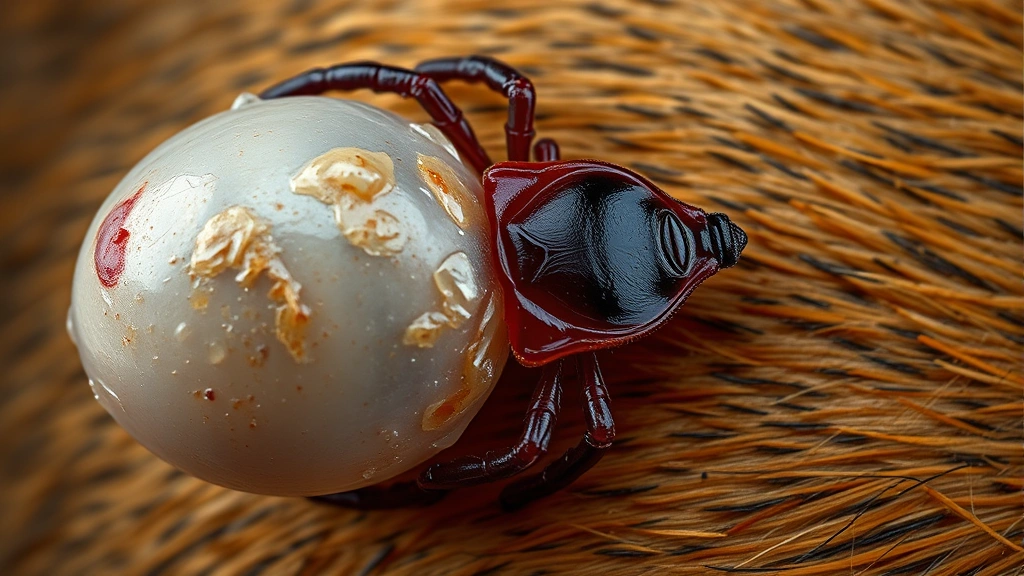
Here’s where things get gross and, frankly, easier to spot. Once a tick has been feeding on your dog for a few days, it becomes engorged with blood and swells up dramatically. An engorged tick can be the size of a small pea or even a marble, depending on how long it’s been attached. The body becomes shiny, translucent, and often turns a grayish or whitish color as the skin stretches. Some people describe them as looking like tiny balloons filled with blood—which, well, they are. If you find one of these on your dog, resist the urge to panic. We’ll talk about removal in a bit.
Where Ticks Like to Hide on Dogs
Ticks aren’t random about where they attach. They prefer warm, moist areas where they’re less likely to be groomed off. Common hiding spots include:
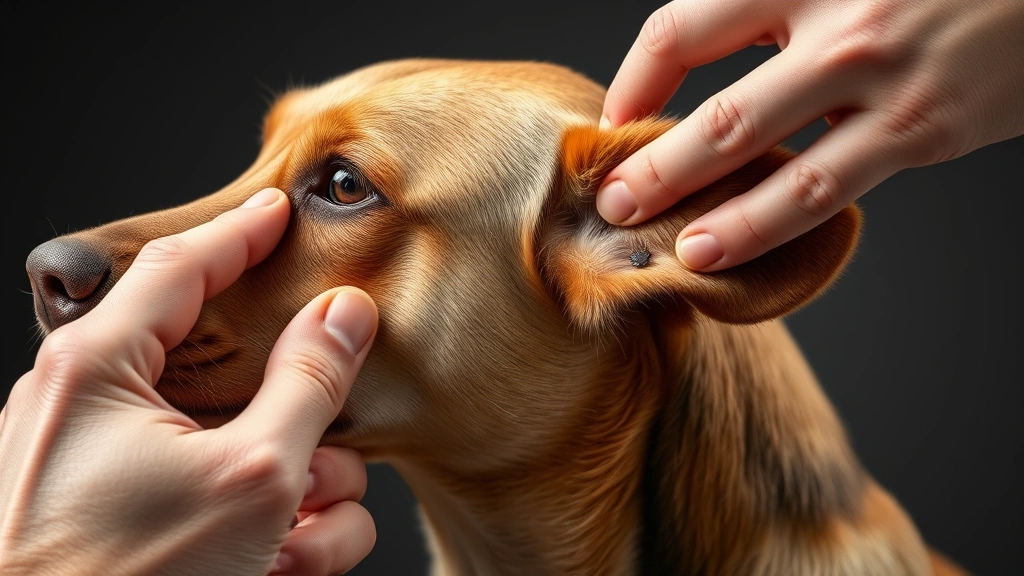
- Inside the ears and ear flaps
- Between the toes and paw pads
- Under the tail
- Inside the groin area
- Armpits and between the legs
- Around the neck and face
- Along the spine and back
When checking your dog for ticks, pay special attention to these zones. Use a moulting brush for dogs to part the fur and get a better look at the skin underneath. Trust me, finding a tick early is infinitely better than discovering an infection weeks later.
Tick Species You Might Encounter
Not all ticks look identical, though they’re similar enough that you don’t need to become a tick taxonomist. The most common species in North America include:
American Dog Ticks: These are reddish-brown and have a distinctive white or silver marking on their back when unfed. They’re one of the larger tick species and easier to spot.
Deer Ticks (Blacklegged Ticks): These tiny troublemakers are about the size of a poppy seed when unfed and are dark brown or black. They’re the primary carriers of Lyme disease, so they deserve extra attention. According to the CDC, these ticks are found in wooded and grassy areas across much of the United States.
Lone Star Ticks: The females have a distinctive white or silver spot on their backs (hence the name). They’re found primarily in the southern and central United States.
The American Kennel Club provides detailed resources on identifying different tick species in your region.
How to Perform a Proper Tick Check
Make tick checks part of your regular dog care routine, especially during warmer months when ticks are most active. Here’s how to do it right:
- Use your fingers or a fine-toothed comb to part your dog’s fur in sections
- Work systematically from head to tail, checking both the skin surface and deeper into the coat
- Feel for small bumps or protrusions that shouldn’t be there
- Pay extra attention to the warm, moist areas mentioned earlier
- If you find something suspicious, use a magnifying glass if needed to confirm it’s actually a tick
For dogs with thick, long coats, this process takes longer, but it’s worth the effort. Consider using a medicated dog shampoo during bathing to help reduce tick populations and soothe any irritated skin.
What Ticks Are NOT: Common Misidentifications
Not every bump on your dog’s skin is a tick, and it’s easy to mistake other things for these parasites. Skin tags, moles, warts, and even dried mud can look tick-like at first glance. The key difference is that ticks have legs and will move slightly if you touch them (though they move slowly). If something is completely stationary and has no legs, it’s probably not a tick. When in doubt, snap a photo and send it to your vet—they’ve seen it all and can give you peace of mind.
The Dangers: Why Tick Identification Matters
Understanding what a tick looks like isn’t just about comfort—it’s about health. Ticks transmit serious diseases including:
- Lyme disease
- Rocky Mountain spotted fever
- Anaplasmosis
- Babesiosis
- Ehrlichiosis
Early detection and removal significantly reduce the risk of disease transmission. Most tick-borne illnesses require the tick to be attached for 24-48 hours before transmission occurs, so catching them early makes a real difference. According to PetMD, preventative measures and regular checks are your best defense.
Safe Tick Removal: Do It Right
If you find a tick, don’t panic—and don’t use old wives’ tales like burning it off or coating it in petroleum jelly. Here’s the correct way:
- Use fine-tipped tweezers or a tick removal tool
- Grasp the tick as close to the skin as possible
- Pull straight out with steady, even pressure
- Don’t twist or jerk, which can leave the head embedded
- Place the tick in rubbing alcohol or a sealed container
- Clean the bite area with soap and water or triple antibiotic ointment safe for dogs
- Wash your hands thoroughly
Save the tick if possible—if your dog develops symptoms of illness later, your vet might want to see it for identification purposes.
Prevention: The Best Medicine
Honestly, preventing ticks is way easier than dealing with them after they’ve attached. Talk to your vet about tick prevention options, which include:
- Topical treatments (applied monthly)
- Oral medications
- Tick collars
- Injectable preventatives
During tick season, also consider avoiding tall grass and wooded areas where ticks congregate, though let’s be real—most dog owners aren’t going to keep their pups away from nature. That’s where prevention products become your best friend. You might also consider using Epsom salt safe for dogs in bathwater to soothe irritated skin after tick removal, though always check with your vet first.
When to Call Your Vet
Contact your veterinarian if:
- You find multiple ticks on your dog
- Your dog shows signs of illness after a tick bite (lethargy, fever, loss of appetite, lameness)
- You’re unsure whether something is actually a tick
- You had difficulty removing a tick and think the head might be embedded
- Your dog has a severe reaction to a tick bite
Your vet can prescribe appropriate preventative treatments and test for tick-borne diseases if necessary.
Frequently Asked Questions
How small can a tick be and still be visible on a dog?
Unfed ticks can be as small as a sesame seed (about 1-2mm), which makes them challenging to spot without a close look. Once engorged, they become much more visible, ranging from pea-sized to marble-sized depending on how long they’ve been attached.
Can you feel a tick on your dog without seeing it?
Absolutely! Many people find ticks by feel first. When you run your fingers through your dog’s coat, an engorged tick feels like a small bump that doesn’t belong. Unfed ticks are harder to feel, but consistent checking helps you learn what’s normal for your dog’s skin.
Do all ticks look the same?
While ticks share similar characteristics (eight legs, oval bodies), different species have varying colors and markings. American Dog Ticks have white markings, while Deer Ticks are much smaller and darker. Learning to identify the species in your area helps you understand the specific risks they pose.
How quickly do ticks attach to dogs?
Ticks can attach within minutes of contacting your dog, though they often spend some time crawling around first, looking for the ideal feeding spot. This is why regular checks are so important—catching them before they settle in reduces disease transmission risk.
Can you get sick from touching a tick on your dog?
Generally, touching a tick with your bare hands is low-risk, but it’s best practice to wear gloves during removal. Wash your hands afterward, and avoid crushing the tick with your bare fingers, as this can release potentially infectious material.
What does a tick bite look like after removal?
After removal, the bite site may appear as a small red bump or irritation. Some dogs develop a mild allergic reaction causing redness and swelling. Most bites heal within a few days without intervention, though you can use antibiotic ointment to keep the area clean.
Summary: Staying Tick-Free
Knowing what does a tick look like on a dog is your first line of defense against these parasitic pests. Unfed ticks are tiny and easy to miss, while engorged ones are unmistakable. Regular checks, especially in warm months and after outdoor adventures, help you catch ticks early before they transmit diseases. Combine visual inspections with preventative treatments recommended by your vet, and you’ll keep your furry friend safe and healthy. Remember, tick prevention isn’t just about comfort—it’s about protecting your dog from serious, potentially life-threatening illnesses. Make it part of your routine, and you’ll sleep better at night knowing you’re doing everything right.





