
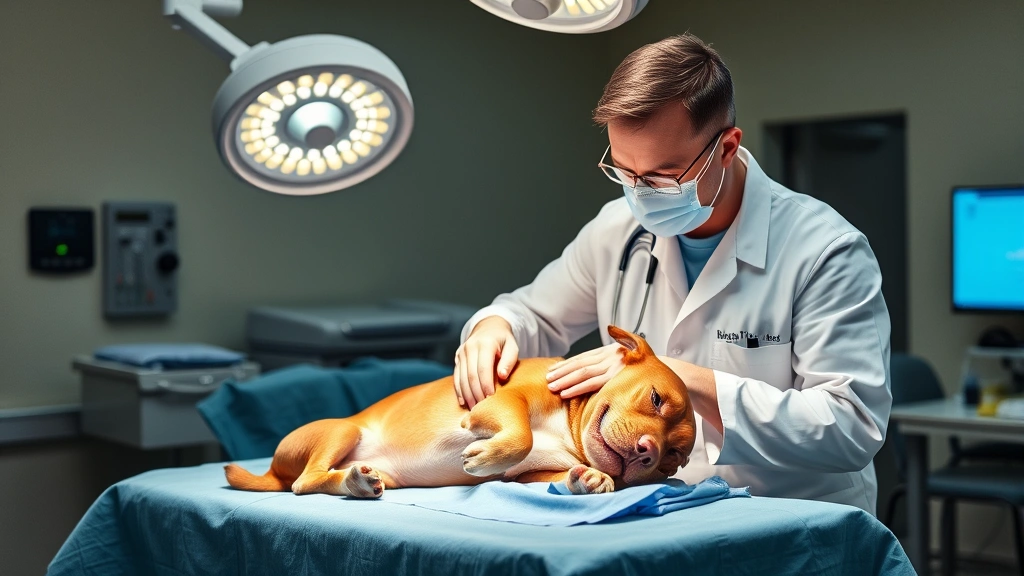
So you’ve heard the term “altered” thrown around at the vet’s office, and you’re wondering what does altered mean for a dog? Well, buckle up, because we’re about to dive into one of the most important health decisions you’ll make for your furry best friend. Spoiler alert: it’s not as mysterious as it sounds, and yes, your vet has been trying to tell you this matters.
Table of Contents
- Understanding What “Altered” Really Means
- Why Vets Push the Altered Agenda (And They’re Right)
- The Spaying Procedure: What Happens to Your Female Dog
- The Neutering Procedure: What Happens to Your Male Dog
- Health Benefits Beyond Cancer Prevention
- The Age Question: When Should You Alter Your Dog?
- Recovery and Post-Operative Care
- Common Myths About Altering Your Dog (Debunked)
- Potential Risks and Side Effects
- The Cost Factor: What to Budget
- What About Intact Dogs: Is There Ever a Reason Not to Alter?
- The Broader Picture: Population Control and Shelter Animals
- Summary: The Bottom Line on Altered Dogs
- Frequently Asked Questions
Understanding What “Altered” Really Means
When a vet says your dog is “altered,” they’re using fancy medical speak for spaying or neutering. In plain English, altered means your dog has had surgery to remove their reproductive organs. For female dogs, this is called spaying (ovariohysterectomy or ovariectomy). For male dogs, it’s called neutering (castration). Think of it as permanent birth control with some serious health perks thrown in.
The procedure involves a veterinarian surgically removing the ovaries and uterus in females, or the testicles in males. It’s a routine surgery that happens thousands of times every single day in veterinary clinics across the country. Your vet has probably done this procedure so many times they could do it blindfolded (though we really hope they don’t).
Why Vets Push the Altered Agenda (And They’re Right)
Your veterinarian isn’t just being pushy when they recommend spaying or neutering. There are legitimate, science-backed reasons why altering your dog is considered one of the most important preventative health measures you can take. Let’s break down the major benefits:
Cancer Prevention: Spaying a female dog before her first heat cycle reduces the risk of mammary cancer by up to 99%. Even if you wait until after her first heat, the risk reduction is still around 96%. For males, neutering eliminates the risk of testicular cancer entirely and significantly reduces prostate problems. That’s not just a small benefit—that’s life-changing stuff.
Behavioral Benefits: Altered dogs tend to have fewer behavioral issues. Intact males are more likely to mark territory, display aggression, and have an overwhelming desire to roam in search of mates. Females in heat can become anxious, vocal, and unpredictable. Once altered, these hormonal rollercoasters settle down considerably.
The Spaying Procedure: What Happens to Your Female Dog
When you schedule a spaying appointment, your vet will typically ask you to bring your dog in early morning on an empty stomach. This is crucial because the procedure requires general anesthesia, and you don’t want your pup’s stomach full during surgery.
The veterinarian will perform a pre-operative exam, run bloodwork if needed, and then administer anesthesia. Once your dog is under, the vet makes an incision (usually on the belly, sometimes on the side) and carefully removes the ovaries and uterus. The incision is then closed with sutures or surgical glue. The whole procedure typically takes 30 minutes to an hour, depending on the dog’s size and the vet’s experience.
Your dog will wake up groggy and confused, which is totally normal. Most dogs go home the same day with pain medication and strict instructions to rest. Recovery typically takes 10-14 days, during which your dog should avoid strenuous activity. This is where lethargy in dogs might become more apparent as they heal.
The Neutering Procedure: What Happens to Your Male Dog
Neutering is generally considered a simpler procedure than spaying, which often means shorter surgery time and faster recovery. Like spaying, your male dog will need to fast beforehand and receive general anesthesia.
The vet makes a small incision (or sometimes two) over the testicles, removes them, and closes the incision. The whole thing usually takes 15-30 minutes. Male dogs often recover faster than females, sometimes being back to their normal shenanigans within a few days, though you’ll still need to restrict their activity for the full 10-14 day recovery period.
One thing to note: neutered males can still experience arousal and engage in mating behavior even after surgery, especially if they encounter an unaltered female. The behavior usually diminishes over time, but the ability doesn’t completely disappear immediately.
Health Benefits Beyond Cancer Prevention
While cancer prevention is huge, there are other significant health advantages to altering your dog. Spayed females won’t develop pyometra, a serious and potentially life-threatening uterine infection that can occur in intact dogs. This condition can sneak up suddenly and requires emergency surgery, which is far more expensive and risky than a routine spay.
Neutered males have significantly lower rates of benign prostatic hyperplasia (enlarged prostate), which can cause urinary and bowel problems as they age. They also won’t develop testicular cancer or perineal hernias, conditions that are relatively common in intact older males.
Additionally, altered dogs tend to live longer, healthier lives on average. This isn’t just because of cancer prevention—it’s also because they’re less likely to roam, get hit by cars, or engage in dangerous territorial fights. A study published in veterinary journals consistently shows that spayed and neutered dogs have better overall health outcomes and longer lifespans.
The Age Question: When Should You Alter Your Dog?
This is where things get a bit nuanced, and honestly, there’s been some evolution in veterinary thinking over the years. Traditionally, vets recommended spaying or neutering around 6 months of age, before the first heat cycle in females.

However, recent research has suggested that waiting until after a dog reaches skeletal maturity might have some benefits, particularly for large breed dogs. Giant breeds like Labrador German Shepherd Mix Dogs might benefit from waiting until 12-24 months to allow proper bone development.
That said, the American Veterinary Medical Association still recommends discussing the timing with your vet based on your individual dog’s breed, size, and health status. The bottom line? Talk to your vet. They know your dog and can give you personalized advice.
Recovery and Post-Operative Care
After your dog comes home from surgery, you’ll need to be a bit of a drill sergeant about enforcing rest. No running, jumping, or playing tug-of-war. Keep your dog in a quiet space, limit their activity, and follow your vet’s instructions about pain medication and wound care.
You’ll need to check the incision regularly for signs of infection: excessive swelling, redness, discharge, or if the incision opens up. Most dogs can have their sutures or staples removed 10-14 days after surgery. If your dog seems unusually lethargic or shows signs of complications, contact your vet immediately. Speaking of which, lethargy in dogs immediately after surgery is normal, but it should improve gradually each day.
Common Myths About Altering Your Dog (Debunked)
Let’s address some of the misconceptions floating around about spaying and neutering:
Myth 1: Your dog will get fat and lazy. Altered dogs do have a slightly slower metabolism, but weight gain is entirely preventable with proper diet and exercise. Your dog won’t automatically become a couch potato.
Myth 2: Your female dog should have one litter before being spayed. Nope. This has zero health benefits and actually increases health risks. Pregnancy and lactation put stress on your dog’s body.
Myth 3: Altering your dog will change their personality. Your dog will still be your dog. They might be slightly calmer, but their core personality remains intact. They won’t suddenly hate you or lose their playfulness.
Myth 4: It’s too expensive. While the upfront cost isn’t nothing, it’s far less expensive than treating cancer, infections, or complications from intact reproductive systems. Many animal shelters and low-cost clinics offer reduced-price spay and neuter services.
Potential Risks and Side Effects
Like any surgery, spaying and neutering come with some risks, though they’re generally minimal. Anesthesia reactions are rare but possible. Infection at the incision site can occur but is uncommon. Some dogs experience mild swelling or bruising at the surgical site.
In very rare cases, dogs can develop ovarian remnant syndrome (if some ovarian tissue wasn’t completely removed during spaying) or ligature slippage (if a blood vessel wasn’t properly tied off). These complications are uncommon when performed by an experienced veterinarian.
Post-operative pain is normal and managed with pain medication. Most dogs are noticeably more comfortable after a few days. If your dog seems to be in significant pain beyond what your vet said to expect, reach out to them.
The Cost Factor: What to Budget
The cost of spaying or neutering varies depending on your location, your vet’s experience, your dog’s size, and whether any complications arise. Generally, you’re looking at anywhere from $200 to $500 for a routine procedure at a private veterinary clinic.
Spaying is typically more expensive than neutering because it’s a more invasive procedure. If you’re concerned about cost, look into low-cost spay and neuter clinics in your area. Many communities have programs specifically designed to make these procedures affordable. Some animal welfare organizations offer financial assistance programs too.
Consider this: the cost of treating mammary cancer, pyometra, or other reproductive system diseases can easily run into thousands of dollars. Prevention through altering is always cheaper than treatment.
What About Intact Dogs: Is There Ever a Reason Not to Alter?
For the vast majority of pet dogs, altering is the right choice. However, there are specific situations where a vet might recommend waiting or not altering:
Some breeders keep certain dogs intact for breeding purposes, but this comes with significant responsibility for health testing and genetic screening. Certain medical conditions might make surgery risky, though this is rare. Some owners of show dogs might keep them intact for competition purposes.
If you have a specific reason to consider keeping your dog intact, discuss it thoroughly with your veterinarian. They can help you weigh the risks and benefits for your particular situation. Just be aware that intact dogs require much more careful management regarding diseases like heartworm and other health concerns, plus behavioral management.
The Broader Picture: Population Control and Shelter Animals
Beyond your individual dog’s health, altering plays a crucial role in controlling the pet population. Millions of dogs end up in shelters every year, and many are euthanized due to overpopulation. By altering your dog, you’re doing your part to prevent accidental litters that contribute to this crisis.
This is why shelters and rescue organizations almost always require that adopted dogs be spayed or neutered. It’s not just about individual health—it’s about the collective welfare of all dogs.
Summary: The Bottom Line on Altered Dogs
So, what does altered mean for a dog? It means your dog has had a routine surgical procedure to remove their reproductive organs, resulting in significant health benefits including dramatically reduced cancer risk, prevention of serious infections, and often improved behavior. It means you’re making a responsible choice for your dog’s long-term health and wellbeing.
For the overwhelming majority of pet dogs, being altered is one of the best health decisions you can make. The procedure is routine, safe, and the benefits far outweigh the minimal risks. Your dog will recover quickly, live a longer and healthier life, and you’ll have the peace of mind knowing you’ve done something genuinely important for their health.
If you haven’t already scheduled your dog’s spay or neuter appointment, talk to your vet about timing and what to expect. Your dog will thank you (well, they’ll probably just be happy you’re giving them treats during recovery, but still).
Frequently Asked Questions
At what age should I have my dog altered?
The traditional recommendation is around 6 months of age, before the first heat cycle. However, recent research suggests that large breed dogs might benefit from waiting until 12-24 months. Discuss the best timing with your veterinarian based on your dog’s breed and size.
How long does it take for a dog to recover from being spayed or neutered?
Most dogs recover within 10-14 days. However, you should restrict their activity during this entire period. Some dogs seem back to normal within a few days, but internal healing takes longer.
Will my dog’s personality change after being altered?
Your dog will still be your dog. They might be slightly calmer, particularly if they were intact males with strong hormonal drives, but their core personality remains the same. They won’t lose their playfulness or affection toward you.
Can an altered dog still get cancer?
Yes, but the risk is dramatically reduced. Spaying before the first heat reduces mammary cancer risk by up to 99%. Neutering eliminates testicular cancer risk entirely. However, dogs can still develop other types of cancer.
Is it normal for my dog to be lethargic after surgery?
Yes, some grogginess and lethargy is completely normal immediately after surgery due to anesthesia. This should improve gradually each day. However, if your dog seems excessively lethargic or isn’t improving, contact your vet.
What’s the difference between spaying and neutering?
Spaying is the removal of ovaries and uterus in female dogs. Neutering is the removal of testicles in male dogs. Both procedures are forms of altering your dog.
How much does it cost to spay or neuter a dog?
Costs typically range from $200-$500 at private veterinary clinics, depending on location, vet experience, and dog size. Low-cost clinics often charge less. Many communities have programs to help with costs.





