
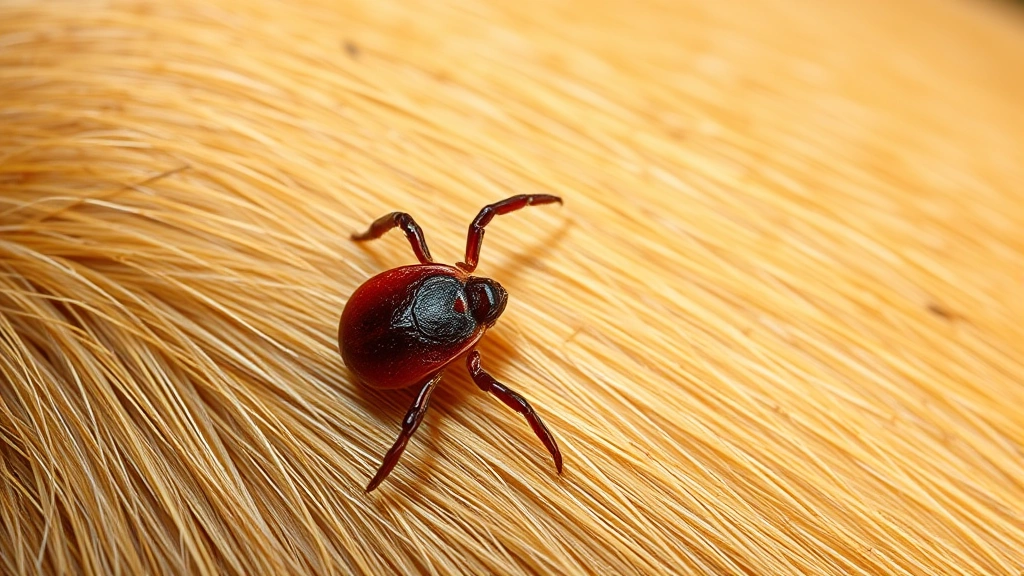
What Does an Embedded Tick Look Like on a Dog?
Finding a tick on your furry best friend is never a pleasant experience, but knowing exactly what you’re looking for can make all the difference in catching these parasites early. Embedded ticks are one of the most common parasitic problems dog owners face, yet many people aren’t entirely sure what they’re actually looking at when they spot one. Whether you’re a first-time dog parent or a seasoned pet owner, understanding the appearance and characteristics of an embedded tick can help you act quickly and protect your pup’s health.
Ticks are blood-feeding parasites that attach themselves to your dog’s skin and can transmit serious diseases like Lyme disease, Rocky Mountain spotted fever, and Ehrlichiosis. The longer a tick remains embedded, the greater the risk of disease transmission. That’s why being able to identify an embedded tick at a glance is crucial for every dog owner.
In this comprehensive guide, we’ll walk you through exactly what an embedded tick looks like, how to spot one on your dog, and what steps you should take if you discover one. We’ll also cover prevention strategies and answer your most pressing questions about these unwelcome parasites.
What Does an Embedded Tick Actually Look Like?
An embedded tick on your dog will look like a small, dark bump or nodule protruding from the skin. The most distinctive feature is its oval or round body, which becomes engorged with blood as it feeds. When a tick first attaches to your dog, it’s typically the size of a sesame seed—barely visible to the naked eye. However, as it feeds and becomes embedded, it can swell to the size of a pea or even a small grape, depending on how long it’s been attached.
The color of an embedded tick varies depending on the species and how recently it fed. Unfed ticks are usually brown or reddish-brown, appearing quite flat and almost translucent. Once embedded and feeding, they often turn a darker brown or grayish color as they fill with blood. Some engorged ticks take on a bluish-gray or even purplish hue due to the blood they’ve consumed.
What sets an embedded tick apart from other skin abnormalities is its distinctive appearance: a tiny, bulbous body connected to the dog’s skin with thin, thread-like legs extending from underneath. The tick’s head and mouthparts are buried beneath the skin’s surface, which is why they’re called “embedded.” You won’t see the legs as clearly as you might on a free-moving tick, but they’re definitely there.

Key Features to Identify an Embedded Tick
To successfully spot an embedded tick, you should familiarize yourself with these telltale characteristics:
- Size and Shape: Embedded ticks range from nearly invisible to about the size of a small pea. They have an oval or teardrop shape that becomes more pronounced as they engorge with blood.
- Color Variations: Look for brown, reddish-brown, gray, or even bluish tones. The color can change significantly depending on feeding status.
- Texture: The tick’s body feels slightly firm and may have a slightly shiny or glossy appearance under good lighting.
- Location: Ticks prefer warm, moist areas with thin skin. Check areas like the ears, armpits, groin, and between the toes.
- Lack of Hair: The area around an embedded tick often appears slightly irritated or hairless, as the tick burrows into the skin.
- Movement: Unlike scabs or moles, a tick will not move when you touch it gently—it’s firmly anchored in place.
One common misconception is that embedded ticks look like warts or skin tags. While they might superficially resemble these growths, ticks have a distinctly different appearance once you know what to look for. The key difference is that ticks are parasites actively feeding on your dog, whereas warts and skin tags are benign growths.
If you’re having difficulty distinguishing between an embedded tick and other skin conditions, consulting your veterinarian is always a smart choice. Vets see ticks regularly and can quickly confirm whether what you’ve found is indeed a parasitic tick or something else entirely.
Where Ticks Like to Hide on Dogs
Ticks aren’t random about where they attach to your dog. They prefer specific areas of the body that offer warmth, moisture, and accessibility. By knowing these favorite tick hangouts, you can conduct more thorough checks:
Most Common Tick Locations:
- Inside and around the ears
- Between the toes and paw pads
- Armpits and groin area
- Around the neck and collar area
- Along the spine and tail base
- Inside the ear flaps
- Under the chin and throat
- Eyelids and eye rims
These areas share common characteristics: they’re typically warm, have thin or less-dense hair, and provide ticks with easy access to blood vessels near the skin’s surface. When you’re checking your dog for ticks, spend extra time examining these zones thoroughly. Use your fingers to gently part the fur and inspect the skin carefully.

After outdoor activities—especially in wooded areas or during tick season—make tick checks part of your routine. Many dog owners perform daily tick inspections during peak tick months (spring through fall in most regions), running their hands over their dog’s entire body while feeling for any unusual bumps or lumps.
Understanding Tick Life Stages
Ticks go through several life stages, and what you see on your dog depends on which stage the tick is in. Understanding these stages helps you better identify what you’re looking at:
Larval Stage: Tick larvae are incredibly tiny—almost invisible to the naked eye. At this stage, they look like specks of dust or tiny dark spots. They’re extremely difficult to spot on a dog, which is why prevention is so critical.
Nymphal Stage: Nymphs are slightly larger than larvae but still very small, about the size of a poppy seed. They’re often the culprits responsible for transmitting Lyme disease because they’re so small that people often miss them during tick checks.
Adult Stage: Adult ticks are the largest and most visible, ranging from the size of a sesame seed (unfed) to a small pea or grape (engorged). This is the stage you’re most likely to notice on your dog.
The embedded ticks you’ll most commonly find on your dog are either in the nymphal or adult stage. An embedded tick in its adult stage is much easier to spot and remove compared to earlier life stages. This is why checking your dog regularly is so important—catching ticks at any stage prevents disease transmission and reduces discomfort for your pet.
What to Do When You Find One
Once you’ve identified an embedded tick on your dog, it’s crucial to remove it properly. Improper removal can leave the tick’s mouthparts embedded in your dog’s skin, potentially leading to infection or continued disease transmission.
The best approach is to learn the proper technique for removing a tick from your dog. The standard method involves using fine-tipped tweezers to grasp the tick as close to the skin as possible and pulling straight out with steady, even pressure. Avoid twisting, crushing, or squeezing the tick’s body, as this can cause it to release more pathogens into your dog.
If you’re uncomfortable removing the tick yourself, your veterinarian can do it for you safely. Many vets recommend bringing your dog in if you’re unsure about removal or if the tick has been embedded for an extended period.
After removal, clean the bite area with antiseptic and monitor it for signs of infection. You can also save the tick in a sealed bag or container for identification if your dog shows signs of illness later—this information can help your vet diagnose tick-borne diseases.
If your dog shows signs of excessive scratching or has multiple ticks, you may also want to investigate whether your dog has other parasites. Sometimes distinguishing between flea and tick infestations is important for proper treatment. Additionally, if your dog is scratching excessively at the tick site, it could develop into hot spots on dogs, which require additional care.
Prevention Tips and Best Practices
The best way to deal with embedded ticks is to prevent them from attaching in the first place. Here are proven strategies to protect your dog:
Tick Prevention Medications: Consult your veterinarian about prescription tick preventatives. Modern options include oral medications, topical treatments, and even tick collars that offer excellent protection. These work by killing ticks before they can embed or transmitting disease.
Regular Inspections: Make daily tick checks part of your routine, especially during tick season. The sooner you find a tick, the sooner you can remove it before it transmits disease.
Environmental Control: Reduce tick habitat around your home by keeping grass trimmed, removing leaf litter, and creating a barrier between wooded areas and your yard.
Protective Clothing: When hiking or spending time in tick-prone areas, consider wearing long pants tucked into socks and using tick repellents on clothing.
Post-Activity Checks: After outdoor activities, thoroughly check your dog’s entire body and consider bathing them to remove any unattached ticks.
According to the American Kennel Club’s tick prevention guidelines, year-round prevention is recommended in most regions, not just during warmer months. The ASPCA also emphasizes the importance of consistent parasite prevention as part of responsible pet ownership.
If you notice your dog has been scratching more than usual after tick removal, it might be worth investigating whether there are other issues at play. Sometimes excessive paw licking or scratching behaviors can indicate multiple problems that need addressing.
Frequently Asked Questions
Can an embedded tick hurt my dog?
While a single tick won’t typically cause serious harm, embedded ticks can transmit diseases like Lyme disease, Rocky Mountain spotted fever, and Ehrlichiosis. Additionally, some dogs experience mild itching or irritation at the bite site. Heavy tick infestations can cause anemia in severe cases.
How long can a tick stay embedded on a dog?
Adult female ticks can remain embedded for up to three weeks, feeding continuously. Nymphs typically feed for three to five days, while larvae feed for just a few days. The longer a tick remains attached, the greater the risk of disease transmission.
What should I do if I accidentally crush the tick while removing it?
If you crush an embedded tick, clean the area thoroughly with antiseptic and monitor it for signs of infection. Try to remove any remaining parts with tweezers if possible. Crushing a tick can potentially expose you or your dog to pathogens, so careful removal is always preferable.
Are embedded ticks contagious to other dogs?
Embedded ticks themselves aren’t directly contagious between dogs, but they can transmit diseases to your dog that could potentially affect other dogs if those other dogs are also exposed to infected ticks. The best prevention is keeping all dogs on tick preventatives.
How can I tell if my dog has contracted a disease from a tick?
Signs of tick-borne illness vary but may include lethargy, loss of appetite, fever, limping or lameness, and swollen joints. If your dog shows any of these symptoms, contact your veterinarian immediately. Early diagnosis and treatment are crucial for tick-borne diseases.
What’s the difference between a tick and a skin tag or mole?
Ticks are parasites that actively feed on blood and will be firmly attached to the skin. Skin tags and moles are benign growths that don’t move or feed. A tick will typically have a slightly shiny, engorged appearance, while moles and skin tags have a more uniform appearance and aren’t actively attached to the skin’s surface.
Should I use tweezers or a tick removal tool?
Both tweezers and specialized tick removal tools work well. Fine-tipped tweezers are most commonly recommended, but commercial tick removal tools (like tick hooks or tick twisters) are also effective. The key is grasping the tick close to the skin and removing it with steady, straight pressure.
Can I use essential oils or home remedies to remove a tick?
While various home remedies are often recommended, they’re not as reliable as proper mechanical removal. Methods like applying petroleum jelly, nail polish, or heat can cause the tick to regurgitate pathogens into your dog, potentially increasing disease transmission risk. Stick with proven removal methods using tweezers or commercial tools.





