
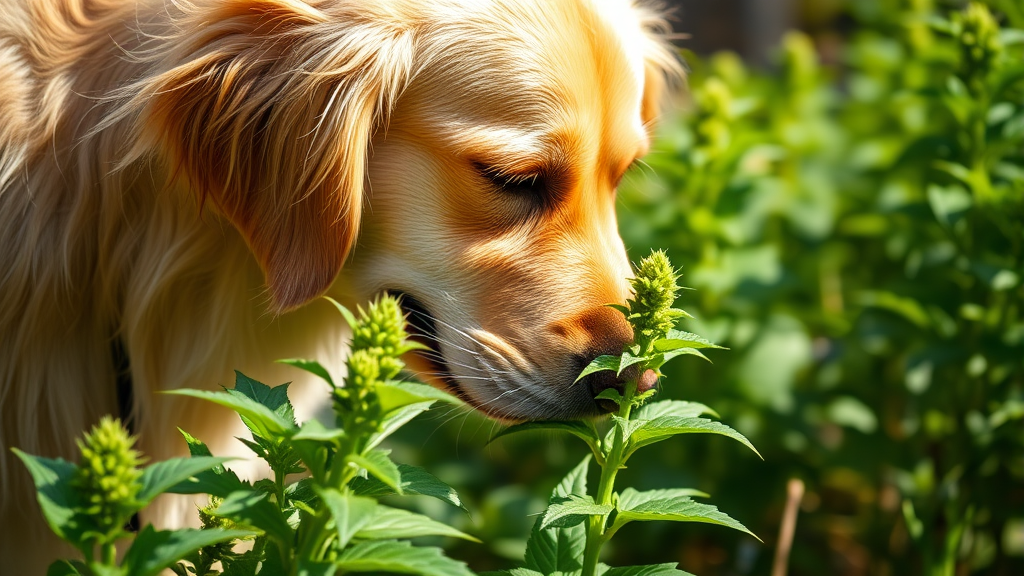
Many dog owners are curious about catnip and its effects on their canine companions. While this aromatic herb is famous for sending cats into euphoric states, pet parents often wonder if their dogs can safely interact with catnip and what kind of reactions to expect. Understanding what catnip does to dogs is essential for responsible pet ownership, especially in multi-pet households where cats and dogs coexist.
Catnip, scientifically known as Nepeta cataria, is a member of the mint family that contains a compound called nepetalactone. This natural chemical triggers distinctive responses in felines, but its effects on dogs are quite different and often misunderstood. While catnip is generally safe for dogs, the reactions vary significantly from those observed in cats, and there are important considerations every dog owner should understand before allowing their pet to encounter this herb.
What Is Catnip and How Does It Work
Catnip is a perennial herb belonging to the mint family, native to Europe and Asia but now widely cultivated across North America. The active compound responsible for its effects is nepetalactone, which is found primarily in the leaves and stems of the plant. When cats encounter catnip, this compound binds to receptors in their olfactory system, triggering a neurological response that can last anywhere from 5 to 15 minutes.
The mechanism behind catnip’s effects involves the vomeronasal organ, also known as Jacobson’s organ, which is present in both cats and dogs but functions differently in each species. In cats, nepetalactone acts as a stimulant, causing behaviors like rolling, rubbing, vocalization, and hyperactivity. However, the same compound doesn’t produce identical reactions in dogs due to differences in their neurological makeup and sensitivity to the chemical.
According to the ASPCA, catnip is considered non-toxic to dogs, making it generally safe for canine consumption in small amounts. The plant contains various other compounds including tannins, essential oils, and flavonoids, which can have mild effects on dogs but are typically not harmful when consumed occasionally.

How Catnip Affects Dogs Differently Than Cats
Unlike cats, dogs don’t experience the euphoric “high” that catnip typically produces in felines. Instead, catnip tends to have a calming effect on most dogs, acting more like a mild sedative than a stimulant. This opposite reaction occurs because dogs process nepetalactone differently through their nervous system, often resulting in relaxation rather than excitement.
When dogs encounter catnip, they may exhibit behaviors such as increased sniffing, mild interest in the herb, or simply ignoring it altogether. Some dogs may show slight drowsiness or become more mellow after exposure to catnip. The intensity and duration of these effects are generally much milder and shorter-lived compared to feline reactions, typically lasting only a few minutes.
Research from veterinary studies suggests that the calming properties of catnip in dogs may be attributed to its mild sedative compounds, similar to those found in other members of the mint family. However, it’s important to note that not all dogs respond to catnip, and individual reactions can vary significantly based on factors such as size, age, and individual sensitivity.
Safety Considerations and Potential Risks
While catnip is generally safe for dogs, there are several important safety considerations that pet owners should keep in mind. Potential risks include digestive upset if consumed in large quantities, as the herb can cause mild gastrointestinal irritation in sensitive dogs. Symptoms of overconsumption may include vomiting, diarrhea, or excessive drooling.
Dogs with pre-existing health conditions, particularly those affecting the digestive system or nervous system, should be monitored carefully when exposed to catnip. Pregnant or nursing dogs should avoid catnip entirely, as its effects on developing puppies are not well-studied. Additionally, dogs taking certain medications may experience interactions, so consulting with a veterinarian before introducing catnip is always recommended.
The American Veterinary Medical Association emphasizes the importance of moderation when giving dogs any herbal supplements or treats. Even safe substances can cause problems when consumed in excess, and catnip is no exception to this rule.
Common Behavioral Responses in Dogs
Dogs’ behavioral responses to catnip can vary widely, but most fall into predictable categories. The most common response is mild curiosity followed by disinterest, as many dogs simply don’t find catnip particularly appealing. Some dogs may sniff the herb briefly and then move on to other activities without showing any noticeable behavioral changes.
For dogs that do respond to catnip, the most frequently observed behaviors include increased relaxation, mild sedation, and sometimes a slight decrease in activity level. These dogs may lie down more readily, appear calmer than usual, or show signs of contentment such as sighing or settling into comfortable positions. Unlike cats, dogs rarely exhibit rolling, rubbing, or hyperactive behaviors when exposed to catnip.
A small percentage of dogs may show increased interest in the catnip plant itself, attempting to consume the leaves or flowers. This behavior is generally harmless in small amounts but should be monitored to prevent overconsumption. Some dogs may also become more social or affectionate after catnip exposure, though this response is less common than the typical calming effect.

Proper Dosage and Administration Guidelines
When considering giving catnip to dogs, proper dosage is crucial for safety and effectiveness. For small dogs weighing under 20 pounds, a pinch of dried catnip (approximately 1/8 teaspoon) is sufficient for testing their reaction. Medium-sized dogs (20-60 pounds) can safely be given up to 1/4 teaspoon, while larger dogs (over 60 pounds) may tolerate up to 1/2 teaspoon of dried catnip.
Fresh catnip should be given in even smaller amounts, as it’s more potent than the dried version. Start with just a few leaves for small dogs and gradually increase the amount based on their response and tolerance. It’s essential to introduce catnip gradually and observe your dog’s reaction before increasing the amount or frequency of administration.
The frequency of catnip administration should be limited to occasional treats rather than daily supplements. Most veterinarians recommend limiting catnip exposure to once or twice per week at most, allowing the dog’s system to process the herb completely between exposures. This approach minimizes the risk of digestive upset and ensures that any beneficial effects don’t diminish due to overuse.
Alternative Herbs and Potential Benefits
While catnip can provide mild calming effects for some dogs, there are several alternative herbs that may offer more pronounced benefits for canine wellness. Chamomile is often preferred for its gentle sedative properties and is widely recognized as safe for dogs when used appropriately. Lavender is another popular choice for promoting relaxation and reducing anxiety in nervous or stressed dogs.
Valerian root is sometimes used for dogs with severe anxiety or sleep issues, though it should only be administered under veterinary guidance due to its potent effects. Passionflower and lemon balm are other herbs in the mint family that may provide calming benefits similar to catnip but with potentially stronger effects for canine companions.
According to American Kennel Club guidelines, any herbal supplement should be introduced gradually and with professional oversight. The potential benefits of these herbs include reduced anxiety, improved sleep quality, and general stress reduction, but individual responses vary significantly among dogs.
Managing Catnip in Multi-Pet Households
In households with both cats and dogs, managing catnip requires special consideration to ensure all pets remain safe and comfortable. When introducing pets to shared spaces, it’s important to understand how different animals react to environmental stimuli like catnip. Cats experiencing catnip euphoria may become territorial or overstimulated, potentially leading to conflicts with dogs who don’t understand the feline behavior.
Storage of catnip products should be secure and inaccessible to both pets when unsupervised. Dogs may consume large quantities of catnip intended for cats, leading to digestive upset, while cats may become possessive of their catnip supply. Consider designated spaces for each pet to enjoy their respective treats without interference from other household animals.
Some dog owners wonder about cross-species sensitivities, such as whether dogs can be allergic to cats or cat-related products including catnip. While true allergies are rare, some dogs may be sensitive to plant materials or develop contact reactions from exposure to catnip residue on furniture or cat toys.
Behavioral management is also crucial in multi-pet homes. Dogs may become curious about cats’ unusual behavior during catnip sessions, leading to unwanted interactions. Dogs’ natural curiosity about cat-related items extends to catnip, so supervision during catnip sessions helps prevent overconsumption or resource guarding behaviors.
Frequently Asked Questions
Can catnip harm my dog if consumed regularly?
Regular consumption of small amounts of catnip is generally safe for dogs, but daily use is not recommended. Excessive consumption can lead to digestive upset, including vomiting and diarrhea. It’s best to limit catnip exposure to occasional treats, no more than once or twice per week, and always in appropriate quantities based on your dog’s size.
Why doesn’t my dog react to catnip like cats do?
Dogs and cats have different neurological responses to nepetalactone, the active compound in catnip. While cats experience stimulation and euphoria, dogs typically experience mild sedation or no reaction at all. This difference is due to variations in their olfactory systems and brain chemistry. Not all dogs respond to catnip, and this is completely normal.
What should I do if my dog ate a large amount of catnip?
If your dog consumed a large quantity of catnip, monitor them closely for signs of digestive upset such as vomiting, diarrhea, or excessive drooling. Provide fresh water and withhold food for a few hours to allow their stomach to settle. Contact your veterinarian if symptoms persist beyond 24 hours or if your dog shows signs of severe distress.
Is fresh catnip more dangerous than dried catnip for dogs?
Fresh catnip is more potent than dried catnip due to higher concentrations of active compounds. While not necessarily more dangerous, fresh catnip should be given in smaller quantities. Both forms are generally safe for dogs when used appropriately, but fresh catnip requires more careful portion control to prevent overconsumption.
Can I use catnip to calm my anxious dog?
While some dogs may experience mild calming effects from catnip, it’s not a reliable treatment for anxiety disorders. The sedative effects are generally mild and short-lived. For dogs with significant anxiety issues, consult with a veterinarian about appropriate anxiety management strategies, which may include behavioral training, environmental modifications, or prescribed medications.
Are there any dogs that should never have catnip?
Pregnant and nursing dogs should avoid catnip, as its effects on developing puppies are unknown. Dogs with pre-existing digestive disorders, liver problems, or those taking certain medications should only have catnip under veterinary supervision. Very young puppies under 12 weeks old should also avoid catnip until their digestive systems are fully developed.
How can I tell if my dog is having an allergic reaction to catnip?
Signs of allergic reactions in dogs include excessive scratching, skin redness, swelling around the face or muzzle, difficulty breathing, or hives. Digestive symptoms like vomiting or diarrhea immediately after catnip exposure may also indicate sensitivity. If you notice any of these symptoms, discontinue catnip use immediately and consult your veterinarian for proper evaluation and treatment recommendations.





