
What Does ‘Curb Your Dog’ Mean? Explained
If you’ve ever walked through your neighborhood, you’ve likely seen signs posted on sidewalks and in parks that say “Curb Your Dog.” But what exactly does this phrase mean, and why is it so important for responsible pet ownership? Whether you’re a new dog owner or just curious about this common phrase, understanding the meaning and implications of curbing your dog is essential for maintaining a clean, safe community for everyone.
The term “curb your dog” has become a cornerstone of pet etiquette, but many dog owners still aren’t entirely sure what it entails or why it matters so much. This comprehensive guide will break down everything you need to know about this important responsibility, from the basic definition to the practical steps you can take to be a courteous neighbor and community member.
What Does Curb Your Dog Mean?
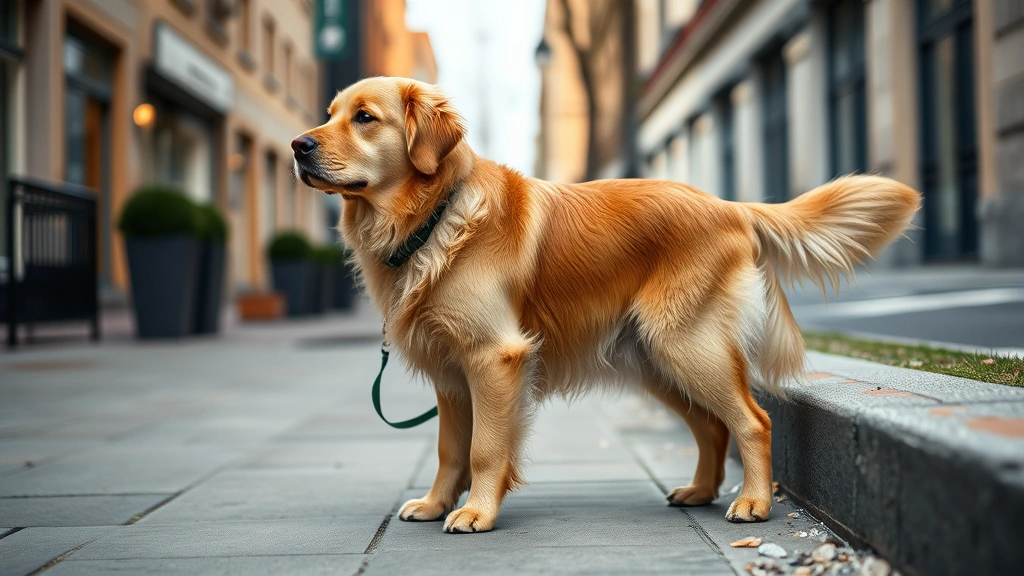
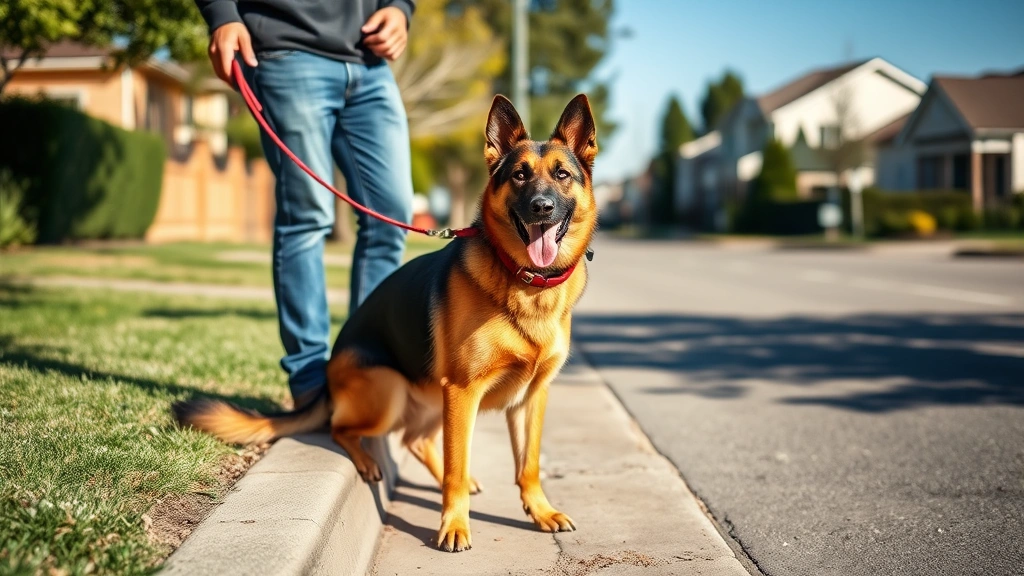
At its core, “curb your dog” is a directive that instructs dog owners to move their pets to the curb or gutter area of the street when they need to relieve themselves during walks. The phrase essentially means you should guide your dog to the edge of the sidewalk—typically near the street’s curb—to urinate or defecate, rather than allowing them to go on someone’s lawn, the main sidewalk, or other public areas.
The primary purpose behind this practice is to keep public spaces clean and sanitary. By directing your dog to the curb area, you’re helping to:
- Protect grass and landscaping in residential areas
- Keep sidewalks and common areas free from waste
- Reduce odors and unsightly messes in the neighborhood
- Prevent potential health hazards for other pedestrians and pets
- Demonstrate respect for your neighbors and community
This practice is particularly important in urban and suburban areas where public spaces are shared by many people. Understanding your dog’s bathroom habits can help you anticipate when they’ll need to go and position yourself appropriately during walks.
The History and Origin of the Phrase
The phrase “curb your dog” gained widespread popularity in the United States during the mid-20th century, particularly in urban areas where dog ownership was prevalent and public spaces were becoming increasingly congested. As cities grew and more people lived in close proximity to one another, the need for clear guidelines about pet waste management became apparent.
In many cities, the phrase became so common that it was literally painted or posted on sidewalks and in parks. New York City is often credited with popularizing the phrase through widespread public signage, though similar messages appeared in other major metropolitan areas around the same time. The concept aligned perfectly with the growing environmental awareness movement of the 1960s and 1970s, when communities began to focus more on cleanliness and public health.
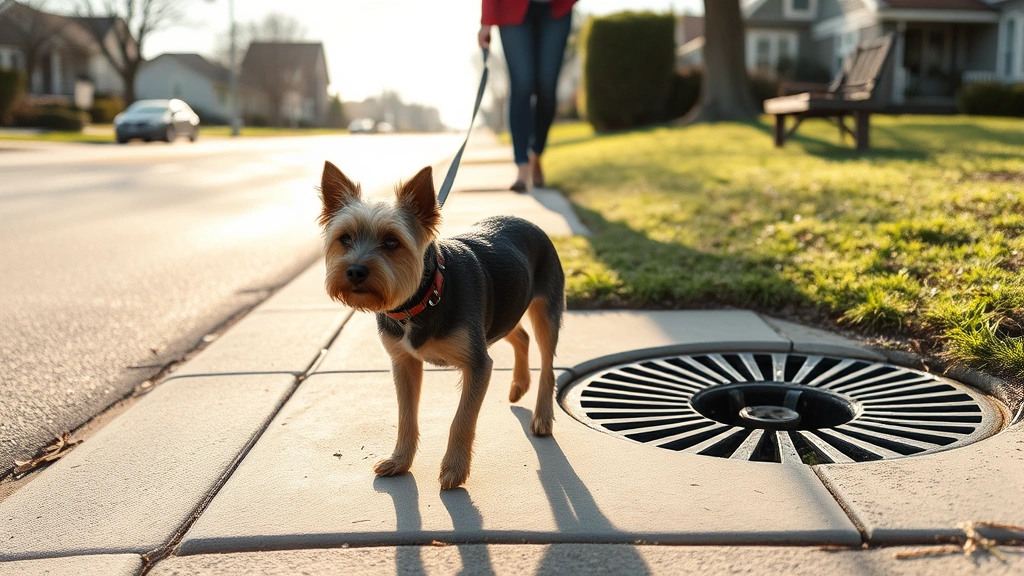
Interestingly, the term “curb” in this context refers to the edge or border of the street, which is where storm drains are typically located. This made practical sense, as waste directed to the curb would naturally drain away rather than accumulating on sidewalks or lawns. Over time, the phrase became so ingrained in popular culture that it transcended its original meaning and became a general expression for responsible pet ownership.
Why Curbing Your Dog Matters
Understanding why this practice is important can help motivate you to be more diligent about it. The reasons go far beyond simple aesthetics—they touch on public health, community relations, and environmental responsibility.
Public Health Considerations
Dog waste contains harmful bacteria and parasites that can pose serious health risks to other people and animals. When left on sidewalks or lawns, waste can contaminate the environment and potentially expose children and elderly individuals to dangerous pathogens. By curbing your dog, you’re taking an active role in maintaining public health standards.
Environmental Impact
Believe it or not, dog waste has a significant environmental impact. When waste accumulates in storm drains and waterways, it contributes to water pollution and algae blooms. Curbing your dog helps ensure that waste is properly managed and doesn’t end up in natural water systems.
Community Relations
Few things upset neighbors more than discovering dog waste on their property. By consistently curbing your dog, you demonstrate respect for your neighbors and help maintain peaceful community relations. This is especially important if you’re renting or live in a neighborhood with strict homeowners association rules.
Legal and Financial Consequences
In many jurisdictions, failing to curb your dog can result in fines, citations, or even legal action from neighbors. Some municipalities have implemented steep penalties for owners who don’t clean up after their pets. The costs can quickly add up, making it far more economical to simply curb your dog from the start.
How to Properly Curb Your Dog
Now that you understand what curbing your dog means and why it’s important, let’s discuss the practical steps for doing it correctly.
Training Your Dog
The first step is to train your dog to understand when and where it’s appropriate to go to the bathroom. Start by establishing a consistent routine—dogs naturally develop predictable bathroom schedules, so take your dog out at the same times each day. When you notice signs that your dog needs to relieve itself (sniffing, circling, whining), immediately guide them to the curb area.
Use positive reinforcement by praising and rewarding your dog when they go in the appropriate spot. This creates a strong association between the curb area and bathroom time. With consistency, most dogs will begin to anticipate curb walks and may even initiate going there themselves.
Using Proper Equipment
Having the right tools makes curbing your dog much easier. A sturdy leash gives you control and allows you to guide your dog precisely where you want them to go. Some owners find that learning how to put a harness on a dog provides even better control during walks, especially for larger or more energetic breeds.
Choosing the Right Locations
When selecting where to curb your dog, look for areas that are:
- Actually at or near the curb (not on someone’s lawn)
- Away from high-traffic pedestrian areas
- Near storm drains or gutters when possible
- Not directly in front of residential properties
- In designated pet relief areas if available in your community
Timing and Frequency
Most adult dogs need to go outside 3-4 times daily, while puppies may need 8-10 times. Plan your walks accordingly and be prepared for emergencies. If your dog has digestive issues, you might want to explore information about what to feed dogs with diarrhea to help regulate their bathroom schedule.
Cleanup Protocol
Even when you curb your dog, you’re still responsible for cleaning up after them. Always carry waste bags and dispose of them properly. Never leave waste on the curb or street—the purpose of curbing is to direct your dog to that area, not to abandon waste there. Proper cleanup is an essential part of the curbing process.
Legal Requirements and Local Laws
While “curb your dog” is a widely recognized phrase, the legal specifics vary by location. It’s crucial to understand your local laws and regulations regarding pet waste management.
Municipal Ordinances
Most cities and towns have municipal codes that address pet waste management. These ordinances typically require dog owners to immediately remove and properly dispose of their dog’s waste from public areas. Some municipalities specifically mention curbing as the acceptable practice, while others simply require that dogs not be allowed to relieve themselves on someone else’s property or public walkways.
Enforcement and Penalties
Penalties for failing to curb your dog can range from $50 to several hundred dollars, depending on your location and whether it’s a first offense. Repeat violations may result in higher fines or additional consequences. Some areas have implemented dog registration requirements or restrictions on future dog ownership for persistent violators.
Liability Issues
Beyond legal penalties, failing to curb your dog can expose you to civil liability. If someone is injured due to unsanitary conditions caused by your dog’s waste, you could be held responsible for their medical expenses and other damages.
To stay informed about your specific local requirements, check with your city or county clerk’s office, visit your municipality’s website, or consult local animal control. Many communities also provide resources to help dog owners understand their obligations, and some even offer information about where dogs are allowed in public spaces.
Common Challenges and Solutions
Even well-intentioned dog owners face challenges when trying to curb their dogs. Here are some common issues and practical solutions.
Dogs That Refuse to Go on Command
Some dogs are stubborn about where they go to the bathroom. If your dog refuses to use the curb area, try spending extra time there during your walks. Use a consistent verbal cue like “go potty” and reward immediately when they comply. Patience is key—it may take several weeks of consistent training.
Anxiety or Fear-Based Issues
Some dogs experience anxiety in certain locations or around traffic. If your dog is nervous about going near the street, work gradually to desensitize them. Start by spending time near the curb without any expectation of bathroom activity, then gradually progress to longer periods and closer proximity to traffic.
Dogs with Incontinence or Health Issues
Dogs with medical conditions may have difficulty controlling their bathroom habits. If your dog has incontinence issues, consult your veterinarian for treatment options. In the meantime, consider wearing protective clothing during walks and being extra vigilant about cleanup. Issues like stopping dog peeing in the house may also indicate underlying health problems worth investigating with a vet.
Multiple Dogs
Managing multiple dogs during walks requires extra planning and equipment. Consider using a hands-free leash or multi-dog walker to maintain control while directing each dog to the curb separately. This prevents tangling and ensures you can properly supervise each dog’s bathroom activity.
Dealing with Accidents
Despite your best efforts, accidents happen. If your dog has an accident outside the curb area, clean it up immediately and thoroughly. Enzymatic cleaners are particularly effective at removing all traces of urine and feces. If accidents become frequent in your home, you may want to review strategies for stopping dog peeing in the house.
Behavioral Issues
Some dogs engage in problematic behaviors like eating their own waste. If your dog has this issue, you might find helpful information about stopping dogs from eating dog poop. Additionally, ensure you’re curbing your dog to minimize their opportunity to engage in this behavior.
Frequently Asked Questions
Is curbing your dog a legal requirement everywhere?
While “curb your dog” is a widely recognized practice, the legal requirements vary by location. Most municipalities have laws requiring pet owners to clean up after their dogs, but not all specifically mandate curbing. Check your local municipal codes or contact your city’s animal control department to understand your specific legal obligations. According to the ASPCA, responsible pet ownership includes proper waste management, which typically aligns with curbing practices.
What’s the difference between curbing a dog and just cleaning up?
Curbing your dog means directing them to a specific location (the curb or gutter) before they relieve themselves, while cleanup refers to removing the waste afterward. Ideally, you should do both—curb your dog to minimize mess on sidewalks and lawns, then clean up whatever waste does occur. The American Kennel Club emphasizes that responsible dog ownership includes both prevention and cleanup.
Can I train an adult dog to curb?
Absolutely. While it’s easier to train puppies, adult dogs can certainly learn to curb. The process may take longer and require more patience, but with consistent positive reinforcement and routine, most adult dogs will adapt. Start by taking your dog out on a regular schedule and praising them enthusiastically when they use the curb area.
What should I do if my neighbor doesn’t curb their dog?
If a neighbor’s dog is consistently leaving waste on your property or in common areas, start by having a friendly conversation with them. Many people may simply be unaware of the issue or local requirements. If the problem persists, document incidents with photos and dates, then contact your local animal control or city code enforcement. Most municipalities take these complaints seriously.
Are there any health benefits to curbing my dog?
While curbing is primarily about community responsibility, it does have indirect health benefits. By directing your dog to the curb, you’re reducing their exposure to waste in high-traffic areas and minimizing their contact with contaminated surfaces. Additionally, establishing a consistent bathroom routine through curbing can help you monitor your dog’s digestive health and catch potential issues early.
What if my dog has a medical condition that makes curbing difficult?
If your dog has incontinence, mobility issues, or other health conditions that make curbing challenging, document these issues and speak with your veterinarian. Some municipalities make accommodations for dogs with legitimate medical conditions. However, you’re still responsible for cleaning up after your dog promptly. Consult with your vet about potential treatments or management strategies.
Is curbing required in rural areas?
Curbing is primarily relevant in urban and suburban areas where public spaces are shared and sidewalks are present. In rural areas with large properties and less pedestrian traffic, curbing may not be applicable or legally required. However, many rural communities still have ordinances requiring pet owners to prevent their animals from roaming or creating nuisances on neighbors’ properties.
How do I clean up if my dog goes on the curb?
Always carry biodegradable waste bags during walks. Pick up solid waste immediately and dispose of it in a trash bin or your home’s waste system. For urine, while it naturally drains, you can rinse the area with water if desired. Never leave waste on the curb itself—curbing simply directs your dog to that location before they go, not a place to leave waste.





