
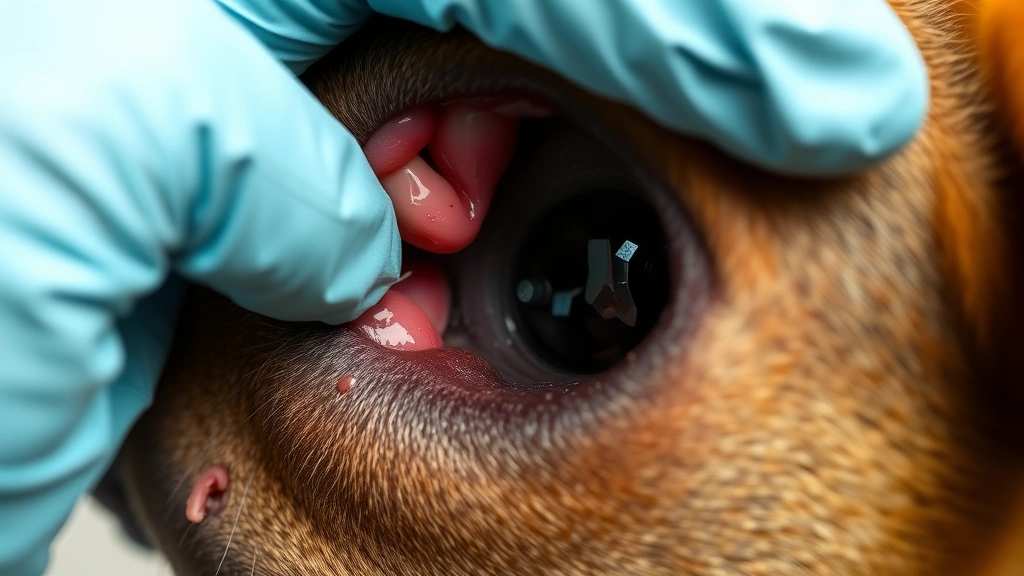
So, what does dog ear mites look like? If you’re asking this question, your pup probably won’t stop scratching their ears, and honestly, ear mites are sneaky little villains that deserve a proper introduction. Let me break down exactly what you’re dealing with so you can spot these microscopic troublemakers before they throw a full-blown ear party in your dog’s head.
Table of Contents
- Understanding Ear Mites: The Tiny Invaders
- The Classic Brown, Waxy Discharge: Your First Red Flag
- Red, Inflamed Ears: The Angry Response
- Excessive Scratching and Head Shaking: The Behavioral Clues
- Crusty Scabs and Open Sores: When It Gets Serious
- Yellow or Greenish Discharge: Secondary Infection Alert
- Odor: Your Nose Knows
- Behavioral Changes: The Discomfort Factor
- How to Actually Examine Your Dog’s Ears Properly
- Ear Mites vs. Other Ear Problems: Know the Difference
- The Contagious Factor: Spread the Word, Not the Mites
- Frequently Asked Questions
- Summary: What to Look For
Understanding Ear Mites: The Tiny Invaders
Ear mites are parasitic arachnids (yes, they’re related to spiders—gross, right?) that love nothing more than setting up shop in your dog’s ear canal. The most common culprit is Otodectes cynotis, and while you can’t see them with the naked eye without magnification, the evidence they leave behind is unmistakable. These microscopic parasites are about the size of a pinhead when fully grown, but what they lack in size, they make up for in causing absolute chaos.
The Classic Brown, Waxy Discharge: Your First Red Flag
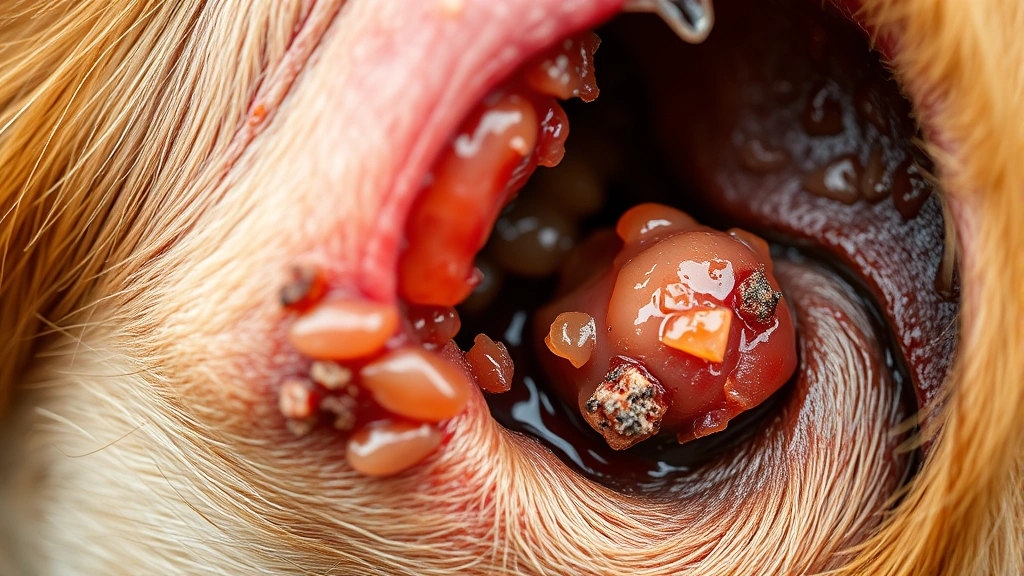
The most telltale sign of ear mites in dogs is that distinctive dark brown or black waxy buildup inside the ear canal. This isn’t just regular earwax—it looks more like coffee grounds mixed with tar, and it’s basically a combination of mite droppings, dead skin cells, and your dog’s inflammatory response. When you peek into your dog’s ear and see this crusty, dark debris, you’ve likely found your culprit. This discharge can range from light brown to almost black, depending on how long the infestation has been going on.
Red, Inflamed Ears: The Angry Response
Your dog’s ears will often look angry and irritated when ear mites have moved in. The skin inside the ear flap and canal may appear bright red or pink, and you might notice swelling. This inflammation happens because your dog’s immune system is throwing a tantrum over the mites, and the constant scratching makes everything worse. In severe cases, the ear leather itself might look thickened or crusty. It’s like your dog’s ears are staging a protest, and unfortunately, your pup is the one suffering.
Excessive Scratching and Head Shaking: The Behavioral Clues
Before you even look inside the ear, you’ll probably notice your dog acting like they’re auditioning for a head-shaking commercial. Dogs with ear mites scratch obsessively at their ears, sometimes until they cause secondary infections or create open sores. They’ll shake their heads constantly, tilt their head to one side (usually the affected ear), and may even rub their ears along the carpet or furniture. Some dogs get so frustrated they’ll scratch their ears bloody. If your dog is doing this, it’s time to investigate.
Crusty Scabs and Open Sores: When It Gets Serious
If the infestation has been going on for a while, you might see crusting, scabs, or even open wounds around the ear flap and inside the ear canal. Your dog’s constant scratching can break the skin, leading to secondary bacterial or yeast infections. This is where things get complicated because now you’re not just dealing with mites—you’re dealing with infected ears too. The ear might smell funky, and the discharge could look yellowish or greenish if there’s a bacterial infection happening alongside the mite infestation.
Yellow or Greenish Discharge: Secondary Infection Alert
Sometimes the brown waxy discharge isn’t the only thing you’ll see. If bacteria or yeast have joined the party (which happens often with ear mites), you might notice yellow, green, or pus-like discharge. This indicates a secondary infection that needs veterinary attention ASAP. Don’t wait around hoping it’ll clear up on its own—secondary infections can spread and cause serious complications. Check out our guide on mange on dogs to understand how parasites can affect your dog’s skin in other ways too.
Odor: Your Nose Knows
Infected or heavily infested ears often have a distinctive, unpleasant smell. It’s not just the normal dog ear smell—it’s stronger and more pungent, kind of like a yeasty or musty odor. This smell is often a sign of secondary yeast or bacterial growth, which thrives in the warm, moist environment that ear mites create. If your dog’s ears smell funky, that’s another reason to get them checked out by a vet.

Behavioral Changes: The Discomfort Factor
Beyond the obvious scratching, dogs with ear mites might display other behavioral changes. They could become irritable, have trouble sleeping, or seem generally uncomfortable. Some dogs might be sensitive when you touch their ears or head. If your normally chill pup suddenly acts grumpy or defensive about ear touches, ear mites could be the reason. Imagine having something constantly itching inside your ear that you can’t fully reach—yeah, it would drive you crazy too.
How to Actually Examine Your Dog’s Ears Properly
To get a good look at what’s going on, grab a flashlight and gently pull back your dog’s ear flap. Look into the ear canal carefully. You’re looking for that brown, waxy debris we talked about. Don’t stick anything into the ear canal—just look at what’s visible. If you see dark brown buildup, redness, or any discharge, it’s vet time. Your veterinarian has an otoscope (basically a fancy magnifying tool) that lets them see deep into the ear canal and confirm whether mites are actually present. Sometimes they’ll even take a sample under a microscope to confirm the diagnosis.
Ear Mites vs. Other Ear Problems: Know the Difference
Ear mites aren’t the only thing that can cause ear problems in dogs. Yeast infections, bacterial infections, allergies, and foreign objects can all cause similar symptoms. However, the dark brown, waxy discharge is pretty specific to ear mites. That said, don’t diagnose your dog yourself—get a professional opinion. Your vet needs to rule out other conditions and confirm it’s actually mites before starting treatment. According to the American Kennel Club, proper diagnosis is crucial for effective treatment.
The Contagious Factor: Spread the Word, Not the Mites
Here’s something important: ear mites are highly contagious between dogs (and even to cats). If you have multiple pets, there’s a good chance they’ve all got them. You’ll need to treat all your pets at the same time to prevent them from reinfecting each other. Mites can also live on bedding and other surfaces for short periods, so wash everything your dog has used. This is why catching the problem early matters—it’s easier to treat one dog than to have a full-blown mite colony spreading through your entire pet household.
Frequently Asked Questions
Can I see ear mites with the naked eye?
Technically, adult ear mites are about the size of a pinhead, so you might see them if you look very closely, but they’re usually hidden in the waxy debris. Most of the time, you’ll see the evidence (brown discharge, redness, inflammation) rather than the actual mites. Your vet has better tools to visualize them properly.
How long does it take for ear mites to show symptoms?
Symptoms can appear within a few days to a week after infestation, but it depends on your dog’s immune response and the number of mites. Some dogs show signs almost immediately, while others might take longer to develop noticeable symptoms.
Are ear mites painful for dogs?
They’re definitely uncomfortable and itchy, but whether they’re painful depends on the severity of the infestation and whether secondary infections have developed. The constant itching and inflammation can certainly cause discomfort, and secondary infections can be painful.
Can ear mites cause permanent damage?
If left untreated for a very long time, severe ear mite infections can potentially cause permanent damage to the ear canal or hearing. This is why prompt treatment is important. Early intervention prevents complications.
How are ear mites treated?
Your vet will prescribe ear drops or oral medications to kill the mites. Treatment typically lasts 2-4 weeks, and you’ll need to clean out the ear debris regularly. If there’s a secondary infection, antibiotics or antifungals might be needed too. It’s important to follow your vet’s instructions exactly.
Should I use home remedies for ear mites?
While some people swear by home remedies like mineral oil or vinegar, these aren’t proven to eliminate mites effectively. Your best bet is prescription treatment from your vet. If you’re concerned about over-the-counter options, talk to your vet about what’s safe. Our article on is Neosporin safe for dogs covers topical treatments, and is triple antibiotic ointment safe for dogs addresses another common question about ear care products.
How long until my dog stops scratching after treatment starts?
Some dogs feel relief within a few days, but it can take 1-2 weeks for the itching to completely stop. The inflammation takes time to subside, and your dog’s skin needs to heal from all that scratching.
Summary: What to Look For
So here’s your ear mite identification checklist: dark brown or black waxy discharge (like coffee grounds), red or inflamed ear tissue, excessive scratching and head shaking, possible crusty scabs or open sores, and potentially a funky smell. If your dog is displaying these signs, get them to a vet for a proper diagnosis. Ear mites are treatable, but they need professional attention. Don’t let these microscopic troublemakers set up a permanent residence in your pup’s ears. The sooner you identify the problem, the sooner your dog can get relief and get back to being their happy, itch-free self. According to PetMD, early treatment is key to preventing complications. And if your dog is dealing with other skin issues alongside ear problems, check out our guide on my dog has a dry cough and then gags to rule out other health concerns.





