
If you’ve ever wondered what does dog panting mean, you’re not alone—and honestly, it’s one of the most important questions a dog owner can ask. Your furry best friend can’t exactly tell you what’s going on, so understanding their panting is like learning a secret language that could literally save their life.
Table of Contents
- Why Do Dogs Pant? The Normal Reasons
- The Difference Between Normal and Abnormal Dog Panting
- Warning Sign #1: Heat Stroke and Overheating
- Warning Sign #2: Heart Disease and Respiratory Problems
- Warning Sign #3: Pain and Discomfort
- Warning Sign #4: Anxiety, Stress, and Fear
- Warning Sign #5: Illness and Infection
- When to Call the Vet vs. When to Go to the ER
- What Your Vet Will Do
- Home Care Tips for Managing Normal Panting
- Breed-Specific Panting Considerations
- Senior Dogs and Panting
- Frequently Asked Questions
- Summary: Trust Your Instincts
Here’s the thing: not all panting is created equal. Sometimes your dog is just cooling off after a game of fetch. Other times? That panting could be screaming a red alert that something’s seriously wrong. Let’s dive into the mystery of dog panting and decode what your pup is actually trying to tell you.
Why Do Dogs Pant? The Normal Reasons
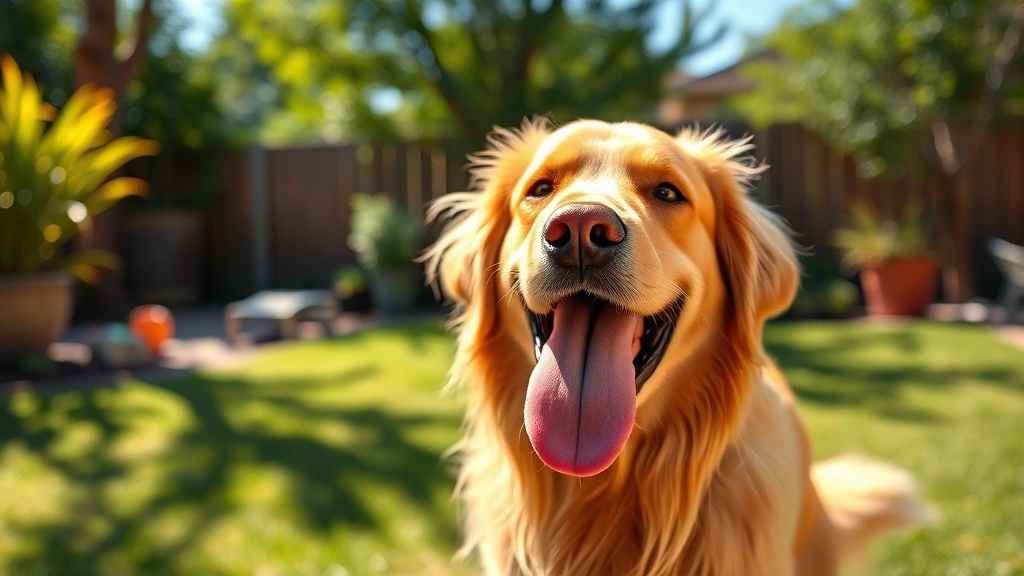
Dogs don’t sweat like humans do. Instead, they cool themselves down through panting—it’s basically their built-in air conditioning system. When your dog’s tongue hangs out and they’re breathing rapidly, they’re releasing heat through evaporation in their mouth and airways. Pretty clever, right?
Normal panting happens when dogs are:
- Playing or exercising
- Excited or happy
- Hot or in warm weather
- Stressed or anxious (like during a thunderstorm)
- Recovering from physical activity
If your dog comes inside after a romp in the backyard and starts panting, that’s totally normal. They’ll usually calm down within 10-15 minutes once they’ve cooled off. The key is understanding when panting crosses from “my dog just played” to “something’s seriously wrong.”
The Difference Between Normal and Abnormal Dog Panting
This is where things get critical. Abnormal panting is different from the regular cooling-off kind. It’s usually excessive, persistent, and happens even when your dog isn’t hot or exercising. Your dog might pant heavily while lying down, during cool weather, or seemingly out of nowhere.
Abnormal panting can indicate:
- Pain or discomfort
- Anxiety or fear
- Medical emergencies (heat stroke, heart disease, respiratory issues)
- Hormonal imbalances
- Medication side effects
Think of it this way: if your dog’s panting seems weird to you, trust your gut. You know your dog better than anyone. If something feels off, it probably is.
Warning Sign #1: Heat Stroke and Overheating
This is the big scary one. Heat stroke in dogs is a genuine emergency that can kill your pet within minutes. Unlike normal panting, heat stroke panting is frantic, excessive, and accompanied by other alarming symptoms.
Signs your dog might be experiencing heat stroke include:
- Rapid, excessive panting that won’t stop
- Drooling excessively or thick, ropy saliva
- Glazed eyes or dilated pupils
- Weakness or collapse
- Vomiting or diarrhea
- Gums that are bright red or pale
- Confusion or disorientation
Heat stroke happens fast, especially in breeds with flat faces (Bulldogs, Pugs) or thick coats. Never leave your dog in a parked car, even with the windows down. If you suspect heat stroke, get your dog to a vet immediately. While you’re heading there, cool them down with cool (not cold) water and wet towels.
Warning Sign #2: Heart Disease and Respiratory Problems
Sometimes excessive panting is your dog’s way of telling you their heart or lungs aren’t working right. This is sneaky because it can develop gradually, and you might not notice until it’s serious.
Dogs with heart disease often pant excessively because their hearts aren’t pumping blood efficiently, so their bodies work harder to get oxygen. Similarly, respiratory issues like laryngeal paralysis in dogs can cause persistent panting and difficulty breathing.
Watch for:
- Panting at rest or during cool weather
- Reluctance to exercise (your usually active dog gets tired quickly)
- Coughing, especially at night
- Difficulty breathing or wheezing
- Fainting or collapsing
- Lethargy or depression
If your senior dog suddenly starts panting more than usual, or if you notice any of these signs, schedule a vet visit. Heart disease is progressive, but catching it early makes a huge difference in quality of life.
Warning Sign #3: Pain and Discomfort
Dogs in pain often pant as a physical response to discomfort. It’s like their body’s way of coping with hurt. The tricky part? Dogs are stoic creatures and hide pain well, so panting might be one of the first signs something’s wrong.
Your dog might be panting due to pain if they’re also:
- Limping or favoring a leg
- Reluctant to move or get up
- Whimpering or whining
- Restless and unable to settle
- Avoiding certain activities they normally enjoy
- Showing signs of anxiety or aggression (pain makes dogs grumpy)
Pain can come from injuries, arthritis, dental disease, ear infections, or internal issues. If your dog’s panting is paired with any behavioral changes, get them checked out. A vet can determine what’s causing the discomfort and help your pup feel better.
Warning Sign #4: Anxiety, Stress, and Fear
Not all serious panting is physical. Anxiety-related panting is real and can be just as distressing for your dog. If your pup is anxious or fearful, they might pant excessively as a stress response.
Anxiety panting often happens during:
- Thunderstorms or fireworks
- Vet visits
- Car rides
- Separation from their owner
- Changes in their environment
- New people or animals in the home
The difference between anxiety panting and physical panting? Anxiety panting usually stops once the stressor is removed or your dog calms down. It’s not accompanied by heat or exercise. If your dog pants constantly due to anxiety, talk to your vet about behavior modification techniques or anti-anxiety medication. Some dogs really do need help managing their stress, and there’s no shame in that.
Warning Sign #5: Illness and Infection
Various illnesses can trigger excessive panting. Infections, fever, hormonal imbalances, and metabolic issues all stress your dog’s body, causing increased panting.
Conditions that cause abnormal panting include:
- Fever from infection or illness
- Cushing’s disease (hormonal disorder)
- Thyroid problems
- Lyme disease and other tick-borne illnesses
- Pneumonia or other respiratory infections
- Anemia
- Poisoning or toxin exposure
If your dog is panting and also showing other signs of illness—lethargy, loss of appetite, vomiting, diarrhea, or behavioral changes—don’t wait. Get them to a vet. Many of these conditions are treatable, especially when caught early.
When to Call the Vet vs. When to Go to the ER
Not every instance of panting requires an emergency vet visit. Here’s how to decide:
Call your regular vet if:
- Your dog is panting more than usual but seems otherwise normal
- Panting started after a stressful event
- Your dog is older and you’ve noticed gradual increases in panting
- You want to rule out medical issues
Go to the emergency vet if:
- Your dog is panting frantically and won’t stop
- Panting is accompanied by collapse, weakness, or disorientation
- You see signs of heat stroke
- Your dog is in obvious pain
- Panting started suddenly and is accompanied by other alarming symptoms
- Your dog is choking, gasping, or having trouble breathing
When in doubt, call your vet. They know your dog’s history and can advise whether it’s an emergency situation. It’s always better to be safe than sorry with your pup.
What Your Vet Will Do
When you bring your panting pup to the vet, they’ll perform a thorough examination. This typically includes:
- Taking your dog’s temperature and vital signs
- Listening to the heart and lungs with a stethoscope
- Palpating the abdomen for pain or abnormalities
- Asking detailed questions about when the panting started and what else you’ve noticed
- Possibly running bloodwork, X-rays, or ultrasounds
The vet might also ask about your dog’s diet, medications, recent travel, and exposure to other animals. All these details help them figure out what’s really going on. According to the American Kennel Club, persistent panting warrants veterinary evaluation to rule out serious conditions.
Home Care Tips for Managing Normal Panting
If your dog’s panting is normal (post-exercise or heat-related), you can help them cool down and feel more comfortable:
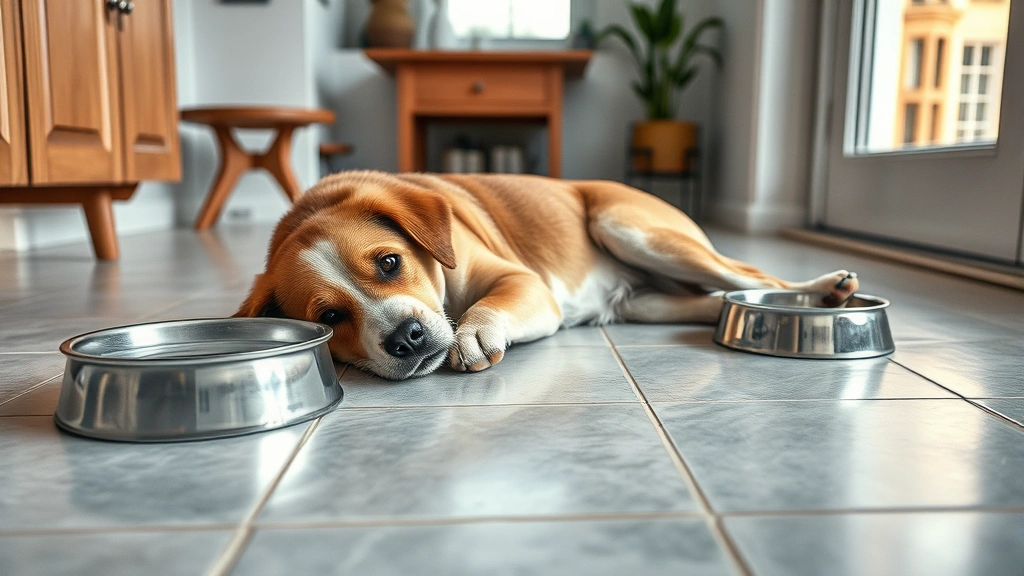
- Provide fresh water: Always have cool water available. Some dogs like ice cubes to lick.
- Create a cool space: Set up a shaded area indoors with good air circulation. Tile or hardwood floors are cooler than carpet.
- Use cooling products: Cooling mats, vests, or bandanas can help regulate temperature.
- Limit exercise in heat: Walk during cooler parts of the day (early morning or evening).
- Never leave them in cars: Even cracked windows aren’t enough. The temperature inside a car can become deadly within minutes.
- Groom regularly: Removing excess fur helps heat dissipate, especially for long-haired breeds.
These simple steps can prevent heat-related issues and keep your dog comfortable during warm weather.
Breed-Specific Panting Considerations
Some breeds are more prone to panting and heat sensitivity than others. Brachycephalic breeds (flat-faced dogs like Bulldogs, Pugs, and Boxers) have compromised airways and struggle to cool themselves efficiently. They pant more normally and are at higher risk for heat stroke.
If you have a brachycephalic breed, be extra vigilant about:
- Heat exposure
- Overexertion
- Stress (which makes their breathing worse)
- Weight management (obesity worsens respiratory issues)
Double-coated breeds like Golden Retrievers and Huskies also pant more to cool down. Understanding your breed’s specific needs helps you recognize when panting is normal for them versus when something’s wrong.
Senior Dogs and Panting
As dogs age, they often pant more. Senior dogs have less efficient cooling systems and may develop conditions that cause increased panting. If you have an older dog, it’s normal to see more panting, but that doesn’t mean you should ignore it.
Keep an eye on your senior’s panting patterns. If it increases suddenly or changes in character, that’s worth investigating. Conditions like digestive issues and other age-related problems can manifest as increased panting.
Frequently Asked Questions
Is it normal for dogs to pant while sleeping?
Occasional panting while sleeping is usually fine—your dog might be dreaming or regulating temperature. However, persistent heavy panting during sleep could indicate pain, anxiety, or a medical issue. If it’s new behavior, mention it to your vet.
Why do dogs pant in the car?
Car panting is usually stress-related. The motion, sounds, and unfamiliar environment trigger anxiety. Some dogs also get car sickness, which causes panting. Gradual desensitization and calming products can help. If your dog only pants in the car and seems fine otherwise, it’s likely anxiety rather than a medical emergency.
Can medication cause excessive panting in dogs?
Absolutely. Some medications list panting as a side effect. If your dog started panting after beginning a new medication, contact your vet. They might adjust the dosage or switch to a different drug.
What’s the difference between panting and labored breathing?
Panting is rhythmic and usually controlled. Labored breathing (dyspnea) involves struggle—you’ll see the chest heaving, hear wheezing or gurgling, or notice your dog can’t catch their breath. Labored breathing is always a red flag and requires immediate veterinary attention.
Is excessive panting a sign of pain in dogs?
Yes, pain-related panting is common. Dogs in pain often pant as a stress response. If panting is accompanied by limping, whimpering, or behavioral changes, pain is likely the culprit. A vet can diagnose the source and recommend pain management.
Can anxiety medication help with panting?
For anxiety-related panting, yes. Your vet might recommend anti-anxiety medication combined with behavior modification. Some dogs benefit from supplements like L-theanine or CBD (check with your vet first). Desensitization training also helps long-term.
Summary: Trust Your Instincts
Understanding what does dog panting mean is crucial for keeping your pup healthy and happy. While normal panting after exercise or in warm weather is nothing to worry about, excessive or unusual panting deserves your attention.
Remember these key takeaways:
- Normal panting is rhythmic and stops when your dog cools down or the stressor is removed.
- Abnormal panting is excessive, persistent, and often accompanied by other symptoms.
- Heat stroke, heart disease, pain, anxiety, and illness are serious causes of abnormal panting.
- When in doubt, contact your vet. It’s always better to be safe.
- Know your individual dog—you’re the best judge of what’s normal for them.
Your dog depends on you to notice when something’s wrong. By learning to read their panting, you’re taking an active role in their health and wellbeing. Trust your gut, stay observant, and don’t hesitate to reach out to your vet with concerns. That’s what they’re there for, and your pup will thank you for it.





