
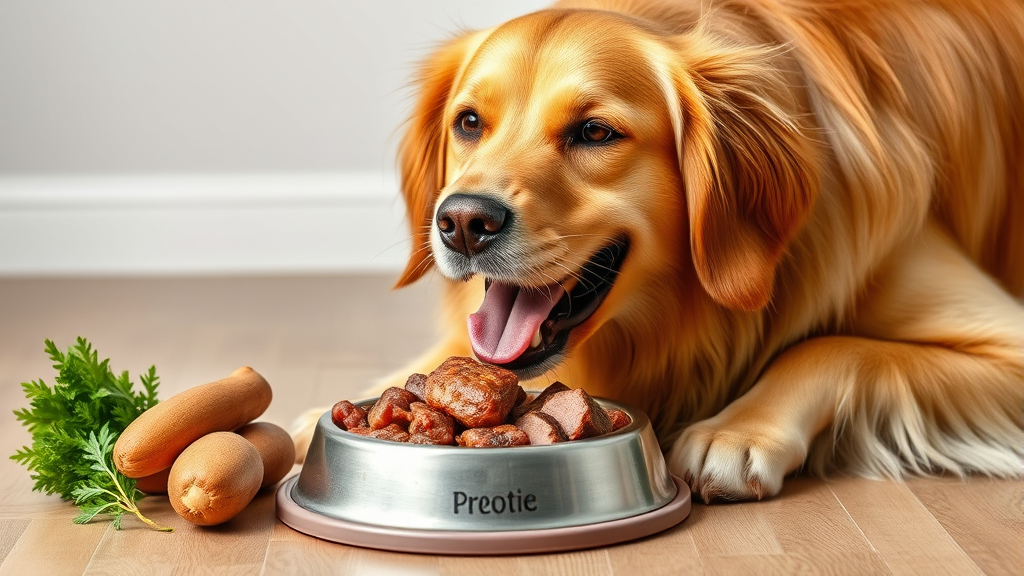
Understanding what flavors appeal to our canine companions is crucial for every dog owner who wants to provide the best nutrition and dining experience for their furry friends. While we often assume dogs enjoy the same tastes we do, the reality is that canine taste preferences are quite different from human ones. Dogs have evolved with unique dietary needs and taste sensitivities that influence their food preferences in ways that might surprise you.
The question of flavor preference in dogs goes beyond simple curiosity—it’s essential for ensuring proper nutrition, addressing picky eating behaviors, and selecting the right commercial dog foods. By exploring how dogs experience taste and which flavors they naturally gravitate toward, we can make better-informed decisions about their diet and overall health. This comprehensive guide will delve into the science behind canine taste perception and reveal what truly makes our pets’ tails wag at mealtime.
How Dogs Experience Taste: The Anatomy of Canine Flavor Perception
The foundation of understanding what flavors dogs enjoy begins with examining their unique taste anatomy. Do dogs have taste buds similar to humans? Yes, but with significant differences. Dogs possess approximately 1,700 taste buds compared to humans’ 10,000, which means their taste experience is fundamentally different from ours.
Dogs can detect five basic tastes: sweet, sour, salty, bitter, and umami (meaty or savory). However, their sensitivity to each varies considerably. According to research from the National Institutes of Health, dogs are particularly sensitive to meaty flavors and have specialized taste buds that respond specifically to water, something humans lack entirely.
The canine sense of smell plays an equally crucial role in flavor perception. With over 300 million olfactory receptors compared to humans’ 6 million, dogs rely heavily on aroma to determine food appeal. This explains why warming food or adding aromatic ingredients can significantly increase a dog’s interest in their meal.

Top Flavors Dogs Actually Enjoy
Research conducted by veterinary nutritionists has identified several flavors that consistently appeal to dogs across breeds and ages. Meat-based proteins consistently rank highest in preference studies, with chicken, beef, and lamb leading the pack. These preferences align with dogs’ evolutionary history as carnivores and their biological need for protein.
Fish flavors also score highly among canine taste preferences. Many dogs show enthusiasm for salmon, tuna, and other seafood options, though individual preferences can vary. The strong aroma and rich protein content of fish make it particularly appealing to most dogs. When considering fish options, many owners wonder can dogs have fish, and the answer is generally yes, with proper preparation.
Interestingly, dogs also show preference for certain vegetable flavors, particularly those with strong, distinctive tastes like sweet potato, pumpkin, and carrots. These preferences may stem from their omnivorous ancestry and the natural sweetness these vegetables provide.
Understanding Meat Preferences in Dogs
When it comes to meat preferences, dogs display clear favorites based on both taste and nutritional content. Poultry, particularly chicken, ranks as the most universally accepted protein among dogs. This preference likely stems from chicken’s mild flavor profile and high digestibility. For pet owners interested in preparing fresh chicken, learning how to boil chicken for dogs can provide a healthy, appealing meal option.
Beef represents another highly favored protein source. The rich, savory flavor of beef appeals to most dogs, and ground beef preparations are particularly popular. Many owners explore whether can dogs eat ground beef as a regular dietary component, and when properly prepared, it can be an excellent protein source.
However, not all meat products are equally beneficial. While dogs may show interest in processed meats, owners should be cautious. For instance, while dogs might be attracted to bacon’s strong aroma and salty flavor, the question can dogs eat bacon requires careful consideration due to its high fat and sodium content. Similarly, processed meats like salami raise concerns, making it important to understand can dogs eat salami before offering such treats.
Sweet, Bitter, and Umami: How Dogs Respond to Complex Flavors
Dogs’ relationship with sweet flavors differs significantly from humans. While they can taste sweetness, they show less enthusiasm for sugary foods compared to meaty options. This response aligns with their evolutionary diet, which contained minimal natural sugars. However, dogs do show preference for naturally sweet foods like certain fruits and vegetables.
The bitter taste serves as a natural protective mechanism for dogs, just as it does for humans. Dogs typically avoid bitter flavors, which often indicate potentially toxic substances in nature. This sensitivity helps explain why dogs may reject certain medications or supplements with bitter tastes.
Umami, the savory or meaty taste, represents perhaps the most important flavor category for dogs. This taste, detected through specialized receptors, strongly influences food preference and explains why meat-based foods consistently rank highest in canine preference studies. According to American Kennel Club research, umami sensitivity in dogs is significantly more developed than in many other species.

Commercial Dog Food Flavors: Marketing vs. Reality
The commercial dog food industry has developed sophisticated understanding of canine taste preferences, though marketing claims don’t always align with dogs’ actual preferences. Many popular flavors in commercial foods—such as “chicken and rice” or “beef and vegetables”—do reflect genuine canine preferences, but the quality and intensity of these flavors can vary significantly between brands.
Premium dog food manufacturers often employ palatability testing, where dogs choose between different formulations to determine preference rankings. These studies have revealed that dogs consistently prefer foods with higher meat content and natural flavors over those with artificial additives or excessive grain content.
The texture and temperature of commercial foods also significantly impact flavor perception. Wet foods typically score higher in palatability tests than dry kibble, primarily due to enhanced aroma and moisture content that intensifies flavor perception.
Individual Taste Preferences and Breed Variations
While general patterns exist in canine taste preferences, individual dogs can display remarkably varied tastes. Age, health status, and previous dietary experiences all influence food preferences. Senior dogs may prefer softer textures and more intensely flavored foods due to diminished taste and smell sensitivity.
Some research suggests breed-related preferences may exist, though evidence remains limited. Working breeds often show preferences for higher-protein, meat-heavy diets, while some smaller breeds may prefer more varied flavor profiles including vegetables and grains.
Health conditions can significantly alter taste preferences. Dogs with dental issues may avoid harder textures regardless of flavor, while those with gastrointestinal sensitivities may develop preferences for bland, easily digestible foods. Understanding these individual variations helps owners provide optimal nutrition tailored to their specific pet’s needs.
How to Enhance Your Dog’s Mealtime Experience
Improving your dog’s dining experience involves more than simply choosing the right flavors. Temperature plays a crucial role—slightly warming food can enhance aroma and make meals more appealing. Adding small amounts of low-sodium broth or mixing in cooked, plain meats can significantly increase food appeal.
Texture variety can also enhance mealtime enjoyment. Mixing wet and dry foods, adding safe vegetables, or incorporating appropriate treats can create more engaging meals. However, it’s important to be aware of what foods are safe. While exploring jerky options, owners should understand whether can dogs eat beef jerky and choose appropriate alternatives.
Safety considerations remain paramount when enhancing dog meals. While exploring protein options, owners must be cautious about bone safety, particularly understanding can dogs eat chicken bones and the associated risks. The FDA provides comprehensive guidelines for safe food handling and preparation for pets.
Maintaining dental health while enhancing flavors is also important. Interestingly, questions about oral hygiene often arise, including whether are dogs mouths cleaner than humans, which can inform decisions about food preparation and feeding practices.
Frequently Asked Questions
What flavors do dogs prefer most?
Dogs consistently prefer meat-based flavors, with chicken, beef, and lamb ranking highest in preference studies. Fish flavors also score well, while naturally sweet vegetables like sweet potato and pumpkin are generally well-accepted. The key is that dogs prefer protein-rich, savory flavors over sweet or artificially flavored options.
Can dogs taste the same flavors as humans?
Dogs can taste the same basic flavor categories as humans—sweet, sour, salty, bitter, and umami—but with different sensitivities. They have fewer taste buds (about 1,700 vs. humans’ 10,000) and rely more heavily on smell for flavor perception. They’re particularly sensitive to meaty, umami flavors and less responsive to sweet tastes compared to humans.
Why does my dog prefer certain brands of food over others?
Dogs may prefer certain brands due to differences in meat content, flavor intensity, texture, and aroma. Higher-quality brands often use more meat-based proteins and natural flavors, which appeal more to dogs’ taste preferences. The manufacturing process, ingredient freshness, and palatability testing also influence how appealing different brands are to dogs.
Do dogs get bored eating the same flavor every day?
While dogs don’t experience boredom with food the same way humans do, they can develop preferences and may benefit from variety. Some dogs show decreased interest in foods they’ve eaten exclusively for long periods. Rotating between different protein sources or adding safe, healthy toppers can help maintain interest and provide nutritional variety.
How can I tell if my dog likes their food?
Signs that your dog enjoys their food include eating eagerly and completely, showing excitement at mealtime, maintaining healthy weight, and having good energy levels. Dogs who dislike their food may eat reluctantly, leave food uneaten, or show lack of enthusiasm at mealtime. However, sudden changes in eating behavior should prompt a veterinary consultation.
Are there flavors dogs should avoid?
Dogs should avoid foods with artificial sweeteners (especially xylitol), excessive salt, spicy seasonings, and toxic ingredients like garlic and onion. While dogs may be attracted to rich, fatty flavors, these can cause digestive upset. According to the ASPCA Animal Poison Control, many human food flavors can be harmful to dogs.
Can a dog’s taste preferences change over time?
Yes, dogs’ taste preferences can change due to age, health status, medication, and life experiences. Senior dogs may prefer softer textures and stronger flavors due to diminished senses. Health conditions, dental problems, or negative food experiences can also alter preferences. Puppies often accept a wider variety of flavors than adult dogs who have established preferences.





