
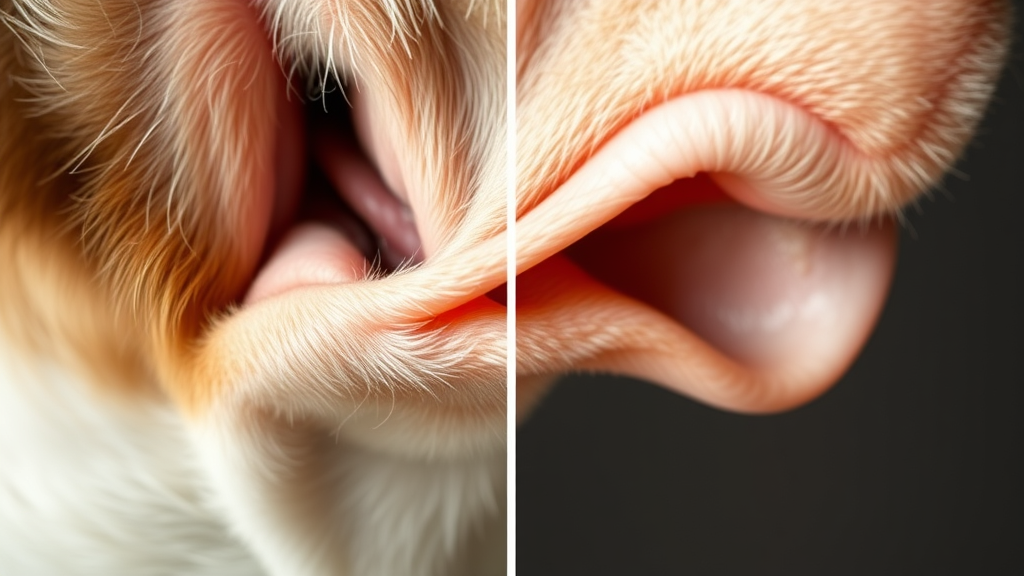
Ear mites are one of the most common parasitic infections that affect dogs, causing significant discomfort and potentially leading to serious complications if left untreated. These microscopic creatures, scientifically known as Otodectes cynotis, live in your dog’s ear canal and feed on earwax and skin oils. Understanding what ear mites look like and recognizing the early signs of infestation is crucial for every dog owner to maintain their pet’s health and comfort.
While ear mites are more commonly found in cats, dogs can also fall victim to these persistent parasites. The condition is highly contagious and can spread quickly between pets in multi-animal households. Early detection and proper treatment are essential to prevent the infection from worsening and to stop the spread to other animals. This comprehensive guide will help you identify the telltale signs of ear mites and understand what to look for during your regular ear examinations.
What Are Ear Mites?
Ear mites are tiny, eight-legged parasites that are barely visible to the naked eye, measuring only about 0.4 millimeters in length. These microscopic creatures have a complex life cycle that takes approximately three weeks to complete, during which they feed, mate, and reproduce within your dog’s ear canal. The American Kennel Club describes ear mites as one of the most irritating conditions dogs can experience.
The parasites create a dark, coffee-ground-like discharge that consists of mite debris, earwax, and dried blood. This characteristic discharge is often the first sign that alerts dog owners to a potential ear mite problem. The mites themselves appear as tiny white specks that may be moving when viewed under magnification, though they’re difficult to see with the naked eye.
Ear mites are highly contagious and spread through direct contact between animals. They can also survive in the environment for short periods, making it possible for dogs to contract them from contaminated bedding, grooming tools, or other surfaces. Young puppies and dogs with compromised immune systems are particularly susceptible to ear mite infestations.

Visual Signs of Ear Mites
The most distinctive visual indicator of ear mites is the presence of a dark, crumbly discharge that resembles coffee grounds or chocolate cake crumbs. This discharge typically accumulates in the ear canal and may extend to the outer ear area. The color ranges from dark brown to black, and the texture is dry and flaky rather than wet or oily like other ear infections.
When examining your dog’s ears, you may notice an excessive buildup of dark wax that seems to regenerate quickly even after cleaning. The ear canal may appear red and inflamed, with visible scratches or wounds around the ear area from your dog’s attempts to relieve the itching. In severe cases, you might observe small, moving white specks within the discharge when using a magnifying glass or flashlight.
The skin around the ears may show signs of irritation, including redness, swelling, and hair loss from excessive scratching. Secondary bacterial infections can develop, leading to additional symptoms such as a foul odor and more liquid discharge. Regular inspection of your dog’s ears can help you catch these visual signs early, and knowing how to clean dogs ears properly will help you maintain better ear health.
Behavioral Symptoms to Watch For
Dogs with ear mites exhibit several characteristic behaviors that indicate discomfort and irritation. The most common behavioral sign is intense scratching at the ears, often to the point of creating wounds or hematomas. You may notice your dog scratching more frequently than usual, particularly focusing on the ear area, and the scratching may be more aggressive or persistent than normal grooming behavior.
Head shaking is another prominent symptom, as dogs attempt to dislodge the irritating mites and debris from their ear canals. If you’re wondering why does my dog keep shaking his head, ear mites could be the culprit. This constant head shaking can lead to ear hematomas, which are blood-filled swellings in the ear flap that may require surgical intervention.
Some dogs may tilt their heads to one side, particularly if the infestation is more severe in one ear than the other. You might also notice your dog rubbing their ears against furniture, walls, or other surfaces in an attempt to relieve the itching. In advanced cases, dogs may show signs of hearing loss or balance problems due to the accumulation of debris and inflammation in the ear canal.
Behavioral changes such as irritability, restlessness, or reluctance to have their head touched may also indicate ear mite problems. Dogs may become sensitive about ear handling and may pull away or show signs of discomfort when you attempt to examine their ears.
Diagnosis and Examination
Proper diagnosis of ear mites requires a systematic approach that combines visual examination with veterinary testing. While you can perform initial assessments at home, definitive diagnosis should always be confirmed by a veterinary professional. The American Veterinary Medical Association emphasizes the importance of professional diagnosis to rule out other ear conditions with similar symptoms.
During a home examination, use a flashlight or penlight to illuminate the ear canal gently. Look for the characteristic dark, crumbly discharge and signs of inflammation. A magnifying glass can help you spot the tiny white mites if they’re present in large numbers. However, avoid inserting anything deep into the ear canal, as this can push debris further in or damage the delicate ear structures.
Veterinary diagnosis typically involves microscopic examination of ear debris. Your veterinarian will collect a sample of the discharge and examine it under a microscope to identify the mites, their eggs, and other debris. This method provides definitive confirmation of ear mite presence and helps distinguish the condition from other ear problems such as yeast infections, bacterial infections, or allergic reactions.
Your veterinarian may also perform an otoscopic examination, using a specialized instrument to look deep into the ear canal. This examination can reveal the extent of the infestation, assess any damage to the ear drum, and identify secondary complications that may require additional treatment.

Treatment Options
Effective treatment of ear mites involves multiple approaches to eliminate the parasites, soothe inflammation, and prevent secondary infections. Prescription medications are typically the most effective option, with several FDA-approved treatments available that can eliminate mites with just one or a few applications. These medications often contain ingredients like selamectin, imidacloprid, or moxidectin.
Topical treatments applied directly to the ear canal are common and usually require multiple applications over several weeks to address the entire mite life cycle. These treatments may include antiparasitic drops, ointments, or solutions that kill both adult mites and developing larvae. Some formulations also include anti-inflammatory components to reduce itching and swelling.
Ear cleaning is an essential component of treatment, as it removes mite debris and creates an environment less favorable for mite survival. Learning how to clean dog ears properly is crucial for supporting the treatment process. However, it’s important to use veterinarian-recommended cleaning solutions and techniques to avoid further irritation.
In cases where secondary bacterial infections have developed, your veterinarian may prescribe antibiotics either as topical treatments or oral medications. Anti-inflammatory medications may also be recommended to reduce swelling and discomfort while the primary treatment takes effect.
For severe infestations or cases involving multiple pets, environmental treatment may be necessary. This includes washing bedding in hot water, vacuuming areas where the infected animal spends time, and treating all pets in the household even if they don’t show symptoms, as ear mites are highly contagious.
Prevention Strategies
Preventing ear mite infestations involves maintaining good ear hygiene and implementing protective measures, especially in multi-pet households. Regular ear inspections should be part of your routine pet care, allowing you to detect problems early before they become severe. The Centers for Disease Control and Prevention recommends regular veterinary checkups as part of comprehensive pet health maintenance.
Establishing a regular ear cleaning routine helps maintain ear health and makes it easier to spot changes in your dog’s ear condition. Use veterinarian-approved ear cleaning solutions and follow proper techniques to avoid damaging the delicate ear structures. Knowing how to clean a dogs ears safely is an important skill for all pet owners.
In households with multiple pets, isolation of infected animals during treatment is crucial to prevent spread. All pets should be examined and potentially treated, even if they don’t show symptoms, as some animals can be asymptomatic carriers. Regular grooming and maintaining clean living environments also help reduce the risk of parasitic infections.
Avoiding contact with infected animals is important, particularly in boarding facilities, dog parks, or grooming establishments. If your dog has been in contact with an infected animal, monitor them closely for signs of ear mites and consider preventive treatment if recommended by your veterinarian.
Some monthly parasite prevention products also provide protection against ear mites, making them an excellent choice for dogs at higher risk of exposure. Consult with your veterinarian about whether these products are appropriate for your pet’s specific situation and lifestyle.
When to See a Veterinarian
While some pet owners may consider treating minor ear issues at home, ear mite infestations require professional veterinary attention for proper diagnosis and effective treatment. The Humane Society strongly recommends veterinary consultation for all suspected ear problems to prevent complications and ensure appropriate treatment.
Immediate veterinary attention is necessary if you notice severe symptoms such as hearing loss, balance problems, facial paralysis, or signs of pain when touching the head or ears. These symptoms may indicate that the infection has progressed to affect deeper ear structures or the nervous system, requiring urgent medical intervention.
If home treatment attempts have been unsuccessful or if symptoms worsen despite treatment, professional help is essential. Sometimes what appears to be ear mites may actually be other conditions such as yeast infections, bacterial infections, or allergic reactions that require different treatment approaches. While you might find information on how to treat dog ear infection without vet, professional diagnosis is always recommended for accurate identification.
Dogs with recurring ear problems or those that develop secondary complications such as hematomas should receive veterinary care. If you notice blood in the ears or swelling of the ear flap, learning how to treat dog ear hematoma at home may provide temporary relief, but veterinary intervention is usually necessary for complete resolution.
Puppies, senior dogs, or dogs with compromised immune systems should receive prompt professional care for any ear problems, as they are at higher risk for complications. Additionally, if multiple pets in the household are affected, veterinary guidance is important for coordinating treatment and preventing reinfection.
Frequently Asked Questions
What do ear mites actually look like in a dog’s ear?
Ear mites appear as tiny white or light-colored specks that may be moving when viewed under magnification. However, they’re extremely small (about 0.4mm) and difficult to see with the naked eye. More commonly, you’ll notice their characteristic dark, coffee-ground-like discharge made up of mite debris, earwax, and dried blood. This discharge is the most reliable visual indicator of ear mite presence.
Can I see ear mites without a microscope?
While adult ear mites can occasionally be seen as tiny moving white specks with a magnifying glass and good lighting, they’re generally too small to identify reliably without microscopic examination. The dark, crumbly discharge they produce is much easier to spot and serves as the primary visual indicator for most pet owners. Professional veterinary diagnosis with microscopic examination is the most reliable way to confirm ear mite presence.
How quickly do ear mites spread between dogs?
Ear mites spread very quickly through direct contact between animals. The mites can transfer from one pet to another within hours of close contact. They complete their life cycle in about three weeks, during which time the infestation can become well-established. This is why it’s crucial to treat all pets in a household when one is diagnosed with ear mites, even if others don’t show symptoms yet.
Are ear mites the same as other parasites like fleas?
No, ear mites are different from fleas, though both are parasites. While you might wonder what do fleas look like on dogs, ear mites are much smaller and specifically inhabit the ear canal. Fleas are larger, darker, and live on the skin and fur throughout the body. Ear mites create a characteristic dark discharge, while fleas leave behind small black specks called “flea dirt” and cause different symptoms like skin irritation and itching all over the body.
Can ear mites cause permanent damage to my dog’s hearing?
If left untreated, severe ear mite infestations can potentially cause permanent hearing damage. The constant inflammation and buildup of debris can damage the ear drum and inner ear structures. Secondary bacterial infections can also develop, leading to more serious complications. However, with prompt and proper treatment, most dogs recover completely without lasting effects. This is why early detection and veterinary treatment are so important.
How long does it take to get rid of ear mites?
Treatment duration varies depending on the severity of infestation and the treatment method used. Most modern prescription treatments can eliminate ear mites within 2-4 weeks with proper application. However, the complete mite life cycle is about 21 days, so treatment must continue long enough to eliminate all developing stages. Some newer single-dose treatments can be effective more quickly, but your veterinarian will determine the best approach for your specific situation.
Can humans get ear mites from dogs?
Ear mites from dogs rarely infect humans, as they’re species-specific parasites that prefer animal hosts. However, they can occasionally cause temporary skin irritation in sensitive individuals who handle infected animals. The mites don’t establish permanent infestations in humans but may cause brief itching or minor skin reactions. Good hygiene practices, including hand washing after handling infected pets, help prevent any temporary irritation.





