
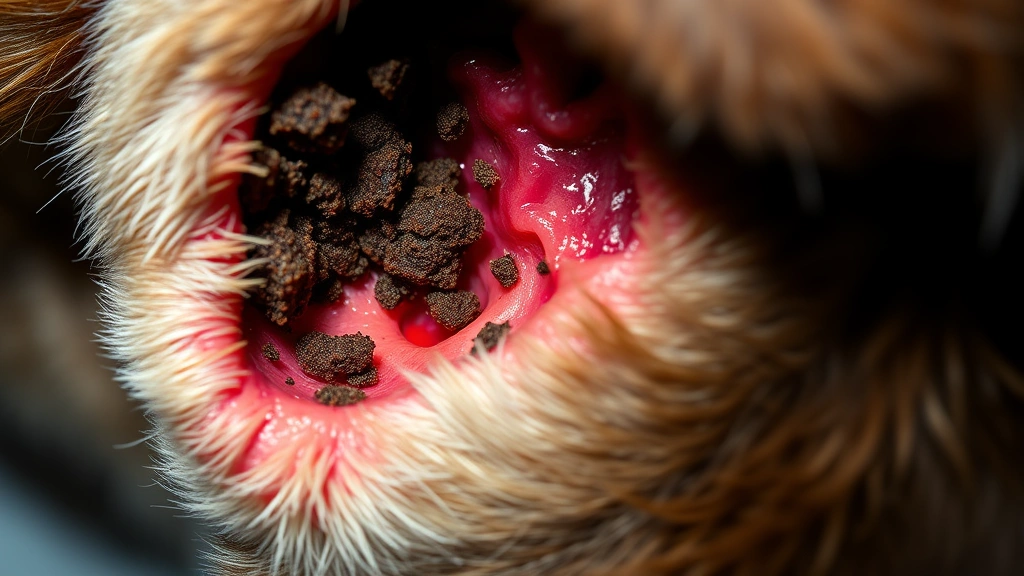
So, what does ear mites look like on dogs? If you’re scratching your head trying to figure out whether your pup has these pesky parasites, you’re not alone—ear mites are one of the most common ear issues vets deal with, and they’re sneakier than you’d think. Let me break down exactly what you’re looking for so you can spot them before your dog drives you crazy with all that scratching.
Table of Contents
- Understanding Ear Mites: The Tiny Troublemakers
- The Classic Dark Crusty Discharge: Your First Clue
- Red, Inflamed Ear Tissue and Swelling
- Behavioral Signs That Scream Ear Mites
- Comparing Ear Mites to Other Ear Conditions
- The Severity Spectrum: Mild vs. Severe Infestations
- Why Your Dog Got Ear Mites in the First Place
- Treatment Options and What to Expect
- Prevention: Keeping Those Mites Away
- When to Call Your Vet (Spoiler: Now)
- Post-Treatment Care and Monitoring
- Frequently Asked Questions
- Summary: Identifying and Addressing Ear Mites
Understanding Ear Mites: The Tiny Troublemakers
Ear mites in dogs are microscopic parasites called Otodectes cynotis. These little vampires feed on skin oils and ear wax, causing inflammation and irritation that makes dogs want to scratch their ears until they’re raw. The problem? You can’t see them with the naked eye—they’re literally too small. But what you CAN see are the signs they leave behind, which is what we’re really talking about when someone asks what ear mites look like on dogs.
The telltale evidence of ear mites appears as dark, crusty debris inside your dog’s ear canal. This discharge is actually a combination of mite waste, dead skin cells, and dried blood. It looks similar to coffee grounds or dark brown wax buildup, and it’s usually concentrated deep in the ear canal where these parasites love to party.
The Classic Dark Crusty Discharge: Your First Clue
The most obvious sign when identifying ear mites on dogs is that distinctive dark discharge. If you peek into your dog’s ear and see what looks like a thick, dark brown or black crusty substance coating the inside, that’s your red flag. This isn’t normal ear wax—normal ear wax is yellowish and waxy, not dark and crusty.
The discharge tends to accumulate more heavily in the deeper parts of the ear canal, so you might not see it immediately if you just glance at the outer ear. You may need to gently pull back the ear flap and look deeper. If your dog has floppy ears, they’re actually more prone to ear mites because the warm, moist environment is basically a five-star resort for these parasites.
This debris doesn’t just sit there looking gross—it actually harbors live mites, their eggs, and their waste products. So when you see that crusty buildup, you’re literally looking at the evidence of an active infestation.
Red, Inflamed Ear Tissue and Swelling
Beyond the dark discharge, the skin inside the ear canal itself often shows signs of irritation. You might notice the inner ear tissue is red, swollen, or even bleeding in severe cases. The constant scratching and the mites themselves cause this inflammation, creating a vicious cycle: mites irritate the ear, dog scratches, scratching causes more irritation, dog scratches harder.
In some cases, you’ll see small scabs or raw patches inside the ear. These are from your dog’s nails doing damage during all that frantic scratching. If left untreated, this can lead to secondary bacterial infections, which makes everything worse and requires additional treatment beyond just addressing the mites themselves.
The swelling can sometimes be severe enough that it partially blocks the ear canal, which is why some dogs with ear mites develop temporary hearing loss. It’s uncomfortable, and your pup will definitely let you know about it.
Behavioral Signs That Scream Ear Mites
Sometimes the best way to identify ear mites is by watching your dog’s behavior rather than just looking at their ears. Dogs with ear mites often display obsessive scratching and head shaking. We’re talking constant, relentless scratching—the kind that keeps you up at night and makes you wonder if your dog has lost their mind.
You might also notice your dog rubbing their head on furniture, carpets, or your legs in an attempt to scratch that unreachable itch inside their ears. Some dogs will tilt their head to one side repeatedly, indicating that one ear is more bothered than the other. Ear mites are equal-opportunity parasites though, so both ears are usually affected, even if one seems worse.
If your dog suddenly starts whining when you touch their ears or becomes head-shy, that’s another behavioral clue. The ears are sensitive and painful when mites are present, so your pup might not want you anywhere near them.
Comparing Ear Mites to Other Ear Conditions
Here’s where things get tricky: several conditions can look similar to ear mites. Mange on dogs can affect the ears, bacterial infections cause discharge, and yeast infections create their own crusty buildup. The key difference with ear mites is the specific appearance of that dark, granular, coffee-ground-like debris.
Bacterial ear infections typically produce a yellow or greenish discharge that’s often smelly. Yeast infections create a dark discharge too, but it’s usually more waxy and less granular than what you see with mites. Your vet can do a quick ear swab and look at it under a microscope to definitively identify what you’re dealing with, which is honestly the best way to know for sure.
If you’re dealing with recurrent ear issues, it’s worth considering whether Lyme disease symptoms in dogs might be playing a role, as some systemic conditions can make dogs more susceptible to ear parasites and infections.

The Severity Spectrum: Mild vs. Severe Infestations
Ear mite infestations aren’t all created equal. In mild cases, you might just notice a small amount of dark discharge and occasional scratching. Your dog seems mostly normal, but something’s clearly bugging them (literally).
In moderate infestations, the discharge becomes more abundant, the ear tissue is noticeably red and swollen, and the scratching becomes more intense and frequent. Your dog might develop raw patches from scratching, and you’ll definitely notice the behavior change.
Severe infestations can lead to hematomas (blood blisters) in the ear flap from all the head shaking and scratching, permanent ear damage if left untreated, and secondary infections that complicate the picture. Some dogs develop allergic reactions to the mites themselves, which can spread itching beyond just the ears.
Why Your Dog Got Ear Mites in the First Place
Ear mites are highly contagious between animals. If your dog has been in contact with other dogs, cats, or even wildlife that carries ear mites, they could have picked them up. They’re especially common in puppies and dogs with weakened immune systems.
Certain breeds and ear shapes are more prone to ear mites. Dogs with long, floppy ears create that perfect warm, moist environment. Even short-eared dogs can get them, but the longer the ear, the higher the risk.
Environmental factors matter too. Dogs that spend time outdoors, visit dog parks, or have contact with stray animals are at higher risk. The good news? Ear mites are completely preventable and treatable once you identify them.
Treatment Options and What to Expect
Once you’ve identified ear mites on your dog, treatment usually involves ear drops or ointments designed to kill the mites. Mometamax for dogs is one commonly prescribed option that combines antifungal, antibiotic, and anti-inflammatory properties in a single medication.
Your vet will likely recommend cleaning out the ear debris first, which might require sedation for severely affected dogs. Then they’ll apply the medication according to their instructions, usually for 7-14 days. It’s crucial to follow the treatment plan completely, even if symptoms improve, because mites can bounce back if you stop too early.
Some vets recommend treating all pets in the household, since ear mites spread between animals. You should also wash bedding, toys, and anything else your dog comes in contact with regularly.
Prevention: Keeping Those Mites Away
Prevention is always easier than treatment. Regular ear checks are your first line of defense. Look at your dog’s ears weekly, especially if they have floppy ears or a history of ear issues. Clean their ears gently with a vet-approved ear cleaner if they seem waxy or dirty.
Keep your dog away from animals you don’t know, especially strays or animals showing signs of ear problems. Maintain good overall hygiene and grooming practices. Some preventative flea and tick medications also prevent ear mites, so talk to your vet about year-round parasite prevention.
If your dog spends time outdoors, mosquito repellent for dogs and other parasite prevention can help reduce their overall parasite exposure. A healthy immune system also helps, so make sure your dog gets good nutrition, exercise, and regular vet checkups.
When to Call Your Vet (Spoiler: Now)
If you suspect your dog has ear mites, don’t wait around hoping they’ll go away. They won’t. Call your vet and get your dog checked out. Ear mites are uncomfortable for your dog and highly contagious to other pets, so getting treatment quickly is the right move.
Bring your dog in immediately if you notice signs of infection like pus, excessive redness, swelling that seems to be getting worse, or if your dog seems to be in significant pain. These could indicate a secondary bacterial infection that needs aggressive treatment.
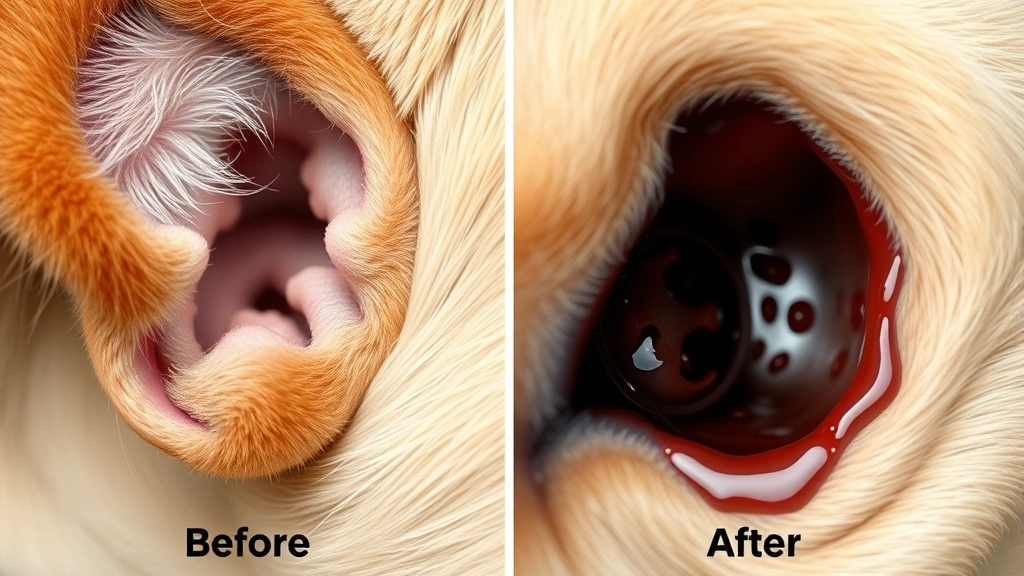
Your vet can confirm ear mites with a simple otoscopic examination or by looking at ear debris under a microscope. It’s a quick, painless process that gives you definitive answers.
Post-Treatment Care and Monitoring
After starting treatment, keep an eye on your dog’s ear health. The dark discharge should start clearing up within a few days, though complete resolution takes longer. Continue treatment for the full prescribed duration even if things look better.
Watch for any signs of secondary infections developing. If the ears start smelling bad, producing pus, or if your dog seems to be getting worse instead of better, contact your vet. Sometimes additional treatment is needed.
After treatment is complete, continue monitoring your dog’s ears weekly. If you notice the crusty discharge or excessive scratching returning, get back to your vet promptly. Reinfestations can happen, especially if other pets in the household weren’t treated.
Frequently Asked Questions
Can humans catch ear mites from dogs?
No, ear mites that infect dogs are species-specific and won’t infect humans. However, they can spread between dogs, cats, and other pets, so keep affected animals separated from other pets until treatment is complete.
How long does it take to get rid of ear mites?
Most ear mite infestations clear up within 7-14 days of treatment, though some cases take longer. It’s important to complete the full course of medication even if symptoms improve, as mites can return if treatment is stopped too early.
Are ear mites painful for dogs?
Yes, ear mites are very uncomfortable. The constant itching and inflammation cause pain and irritation. Dogs with severe infestations may experience significant discomfort and behavioral changes due to the pain.
Can ear mites cause permanent damage?
In severe, untreated cases, yes. Chronic ear mite infestations can lead to permanent damage to the ear canal, hearing loss, and complications from secondary infections. Early treatment prevents these complications.
What’s the difference between ear mites and ear wax buildup?
Normal ear wax is yellowish, waxy, and doesn’t cause itching or inflammation. Ear mite discharge is dark brown or black, granular like coffee grounds, and causes significant itching, scratching, and inflammation. When in doubt, have your vet check it out.
Do I need to treat all my pets if one has ear mites?
Your vet will recommend treating all pets in the household, as ear mites spread easily between animals. Even if other pets don’t show symptoms yet, they may be carrying the parasites.
Summary: Identifying and Addressing Ear Mites
So, what does ear mites look like on dogs? It’s that dark, crusty, coffee-ground-like debris deep in the ear canal, combined with red, inflamed tissue and a dog that won’t stop scratching. The behavioral signs—obsessive scratching, head shaking, and head rubbing—are often your first clue that something’s wrong.
The good news is that ear mites are completely treatable once identified. If you notice any of these signs in your dog, get them to a vet for confirmation and treatment. With prompt action, your pup will be back to their comfortable, itch-free self in no time. Don’t let these tiny troublemakers ruin your dog’s quality of life—address them quickly and thoroughly.





