

So you’ve heard trainers yelling “heel!” at their dogs and wondered what does heel mean for a dog—is it some secret command that makes pups instantly obedient? Not exactly, but it’s pretty darn close to magic once you nail it. Heel is one of the most practical dog training commands you can teach, and honestly, it’ll change your walks from chaotic leash-yanking disasters into peaceful strolls where your furry friend actually listens to you.
Table of Contents
- Understanding the Heel Command: What It Really Means
- Why Heel Training Matters More Than You Think
- The Difference Between Heel and Loose Leash Walking
- Step-by-Step: How to Teach Your Dog to Heel
- Common Heel Training Mistakes to Avoid
- Tools That Help With Heel Training
- Heel Commands for Different Situations
- Heel Training for Different Dog Breeds and Ages
- Real-World Applications: When You’ll Actually Use Heel
- Troubleshooting Heel Training Problems
- Making Heel Training Fun for Your Dog
- Frequently Asked Questions
- Conclusion: Heel Training Is Worth the Effort
Understanding the Heel Command: What It Really Means
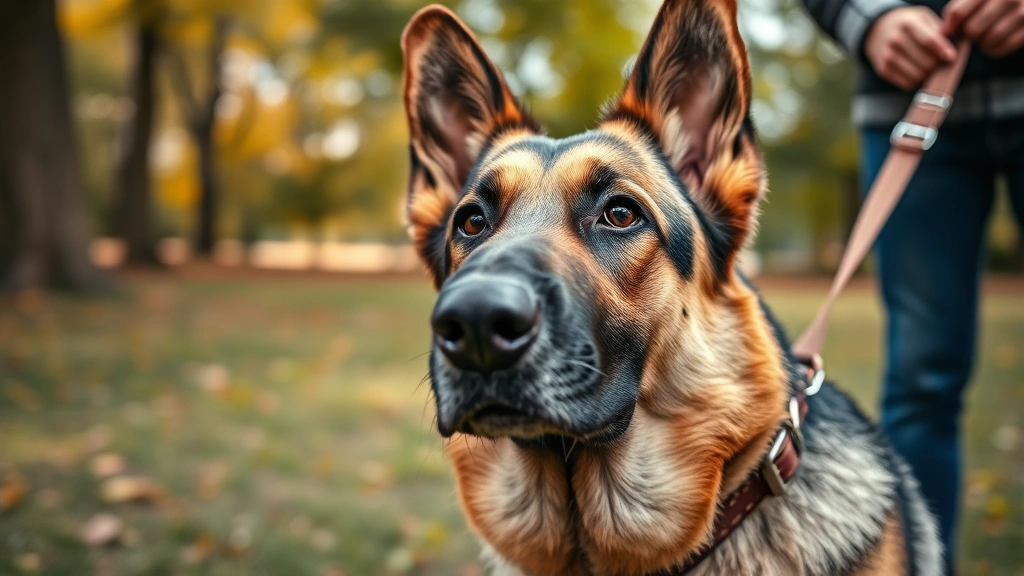
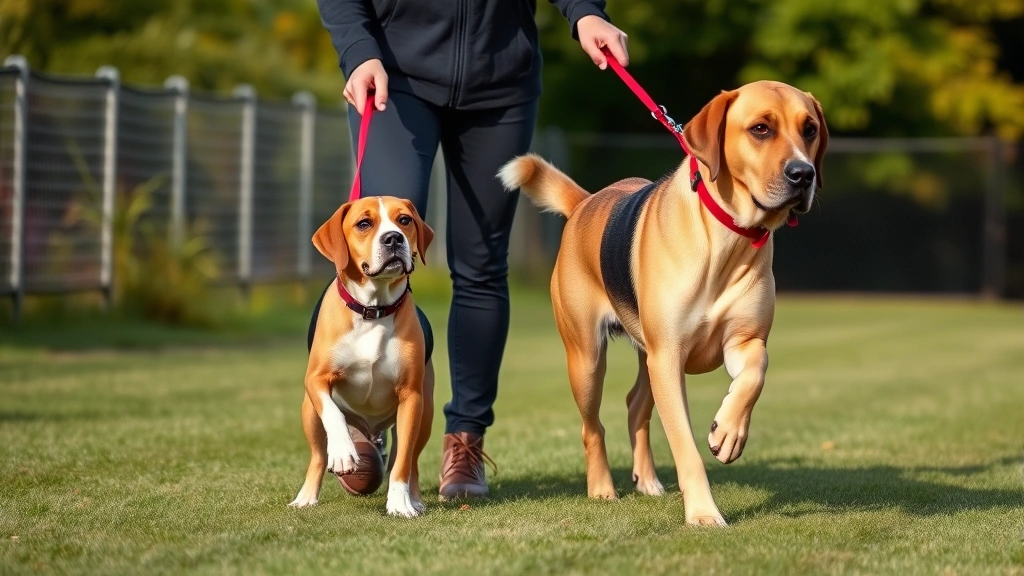
The heel command is basically your dog’s cue to walk right beside you at your pace, keeping slack in the leash and matching your speed. When your pup heels properly, they’re positioned at your left side (traditionally), with their shoulder roughly aligned with your leg. It’s not about your dog walking behind you like some Victorian servant—it’s about them staying in a specific position while you’re in control of the pace and direction.
Think of it as your dog saying, “Okay, I’m following your lead now.” Instead of them dragging you toward every squirrel, fire hydrant, and interesting smell, they’re tuned into you. This command transforms walks from stressful power struggles into actual quality time together.
Why Heel Training Matters More Than You Think
You might be wondering why heel training is such a big deal when you could just let your dog roam freely on a long leash. Well, here’s the thing: a dog that knows how to heel is safer, happier, and frankly, better behaved overall. When your pup understands heel, you’re not just improving walks—you’re building their impulse control and strengthening your bond.
Dogs that heel well are easier to manage in crowded spaces, safer around traffic, and less likely to pull you into dangerous situations. Plus, teaching heel actually makes other training easier because your dog learns to focus on you instead of everything else demanding their attention.
The Difference Between Heel and Loose Leash Walking
Here’s where people get confused: heel and loose leash walking aren’t the same thing, though they’re related. Loose leash walking just means your dog isn’t yanking on the leash—they can wander a bit, sniff around, and explore while keeping the leash slack. It’s more casual and gives your pup freedom.
Heel, on the other hand, is structured and precise. Your dog stays in a specific position right beside you, moving at your pace, with their attention on you. Heel is what you’d use in formal situations or when you need maximum control. Loose leash walking is what you use for everyday neighborhood strolls where your dog gets more freedom to be a dog.
Step-by-Step: How to Teach Your Dog to Heel
Teaching heel isn’t rocket science, but it does require patience and consistency. Start in a quiet, distraction-free environment—your backyard is perfect. Here’s the basic process:
Step 1: Get Their Attention Have some high-value treats ready (we’re talking the good stuff—cheese, chicken, hot dogs). Show your dog a treat and hold it at your left side, roughly at their nose level when they’re standing next to you.
Step 2: Lure Them Into Position Use the treat to guide your dog to stand at your left side with their shoulder near your leg. The moment they’re in position, mark the behavior with a clicker or say “yes!” and reward immediately.
Step 3: Add Movement Once your dog understands the position, start walking slowly while holding the treat at your left side. Take just a few steps at first. Reward them for staying in position as you move.
Step 4: Introduce the Command Say “heel” just before you start walking, then reward them for staying in position. Eventually, they’ll associate the word with the action.
Step 5: Reduce Luring Gradually decrease how much you’re using treats to lure them into position. Instead, use your body language and the command. Reward them randomly for maintaining the heel position.
Step 6: Increase Difficulty Practice in different environments with more distractions. Increase the duration they need to heel. Add turns and direction changes.
The whole process typically takes several weeks of consistent practice. Don’t rush it—your dog didn’t learn to pull you down the street overnight, and they won’t learn perfect heel in a day either.
Common Heel Training Mistakes to Avoid
Even well-intentioned dog owners mess up heel training. Here are the biggest mistakes people make:
Moving Too Fast Seriously, slow down. If you’re moving at your normal walking pace while teaching heel, you’re going too fast. Start at a snail’s pace until your dog really understands what you want.
Inconsistent Commands Don’t say “heel” sometimes and “walk nice” other times. Pick one command and stick with it religiously. Your dog needs consistency to learn.
Punishing Instead of Rewarding Never jerk the leash or yell at your dog for not heeling. This creates fear and confusion. Focus on rewarding the correct behavior instead.
Practicing in Chaos If you’re teaching heel while your dog is already overstimulated by squirrels, other dogs, and interesting smells, you’re fighting a losing battle. Start in boring, quiet places.
Giving Up Too Soon Heel training requires patience. If you quit after two weeks because your dog isn’t perfect yet, you’re sabotaging yourself. Stick with it.
Tools That Help With Heel Training
While you don’t need fancy equipment to teach heel, a few tools can make the process easier. A standard 6-foot leash is perfect for heel training—it’s long enough to give guidance but short enough to keep control. Some trainers prefer a front-clip harness because it naturally discourages pulling, though a regular collar works fine too.
A clicker is incredibly helpful for marking the exact moment your dog does something right. The clicker creates a clear communication bridge between you and your pup. Treats—lots of them—are essential. Keep them small so you can reward frequently without overfeeding your dog.
According to the American Kennel Club, proper leash handling and positioning are fundamental to successful heel training. They recommend starting with basic obedience before attempting complex heel variations.
Heel Commands for Different Situations
Once your dog masters basic heel, you can teach variations for different scenarios. “Heel” with you walking forward is the foundation, but you can also teach your dog to heel while you turn, while you stop, or even while you walk backward. Some advanced handlers teach their dogs to heel on either side, which is useful if you need your dog on your right side sometimes.
You might also teach a “close heel” for crowded situations where you need your dog extra-close, or a “loose heel” for more relaxed walks where they have slightly more freedom. The variations are endless once your dog understands the core concept.
Heel Training for Different Dog Breeds and Ages
Every dog is different, and some learn heel faster than others. PetMD notes that younger dogs often learn faster but have shorter attention spans, while older dogs might learn more slowly but with better focus. High-energy breeds need more frequent, shorter training sessions, while laid-back breeds might need more motivation to stay engaged.
Giant breeds like Great Danes need heel training more than most—you really don’t want a 150-pound dog yanking you around. Smaller breeds sometimes get away with not heeling because they’re less of a physical challenge, but they still benefit from the training. The Humane Society recommends starting heel training as early as possible, even with puppies.
For puppies, keep sessions to 5-10 minutes. Adult dogs can handle 15-20 minute sessions. Senior dogs might need shorter sessions with more breaks. Adjust based on your individual dog’s needs and energy level.
Real-World Applications: When You’ll Actually Use Heel
Heel isn’t just for show—it’s genuinely useful in everyday life. You’ll use it when walking through busy streets where you need your dog close and under control. You’ll use it in parking lots, at the vet’s office, or when greeting other dogs on walks. If you have low maintenance dogs that don’t require constant exercise, heel training still helps manage their behavior in public spaces.
Heel is essential if you ever need to navigate crowded areas with your dog. It’s also incredibly useful if your dog has leash reactivity or aggression issues—heel gives you a way to redirect their attention back to you instead of whatever they’re fixating on.
Troubleshooting Heel Training Problems
Your dog keeps pulling ahead? Go back to basics and practice in a less stimulating environment. Use higher-value treats. Make sure you’re rewarding them heavily for correct positioning.
Your dog lags behind instead of staying beside you? They might be scared, bored, or not motivated enough. Use more exciting treats or practice in a more interesting location. Make sure you’re not moving too fast.
Your dog heels fine at home but falls apart on actual walks? This is super common. Practice heel in increasingly distracting environments. Start with your quiet backyard, then your driveway, then your quiet street, then busier streets. Gradually build up their ability to focus on you despite distractions.
Your dog switches sides or forgets the command? Be consistent with which side you’re heeling on (left is traditional). Practice regularly. Don’t expect perfection—even well-trained dogs have off days.
Making Heel Training Fun for Your Dog
Here’s the secret: if heel training isn’t fun for your dog, they won’t do it. Your pup should be excited when you ask them to heel because they know good things happen. Use treats they genuinely love. Celebrate their successes enthusiastically. Keep sessions short and end on a positive note.
Some dogs respond better to play as a reward than treats. If your dog is toy-motivated, use their favorite toy as a reward instead of food. The goal is to make heel training something your dog actually wants to do, not something they’re forced into.
Consider that if you have long haired dogs, they might get uncomfortable with certain collar types, so finding the right equipment that’s both effective and comfortable is important for their motivation.
Frequently Asked Questions
At what age can you teach a dog to heel?
You can start teaching heel basics to puppies as young as 8-12 weeks old, though they won’t have the attention span for long sessions. Keep it short and fun. Most dogs can learn solid heel by 6-12 months old with consistent practice.
How long does it take to teach a dog to heel?
It typically takes 4-8 weeks of consistent daily practice to teach basic heel. Advanced heel training can take several months. Every dog learns at their own pace, so don’t compare your timeline to others.
Can you teach heel without treats?
Technically yes, but treats make it much easier and faster. Dogs are motivated by rewards, and treats are the most straightforward reward. If your dog is toy-motivated, you can use toys instead, but having some form of reward system is essential.
Is heel training cruel or harsh?
Not at all—modern heel training is based on positive reinforcement, not punishment. You’re rewarding your dog for being in the correct position, not punishing them for being in the wrong position. Your dog should enjoy heel training.
Why does my dog heel perfectly at home but not on walks?
Your home is boring and predictable. Walks are full of exciting distractions. This is completely normal. You need to practice heel in increasingly distracting environments to build your dog’s ability to focus on you despite external stimuli.
Can adult dogs learn to heel?
Absolutely. Dogs can learn new commands at any age. Adult dogs might take slightly longer than puppies, but they often have better focus and attention spans, which can actually speed up training.
Should heel training be on a specific side?
Traditionally, heel is on the left side, which comes from hunting dog traditions. However, you can teach heel on either side. Just pick one and be consistent. Some people teach both, but that’s advanced.
Conclusion: Heel Training Is Worth the Effort
So, what does heel mean for a dog? It’s a command that tells your pup to walk beside you at your pace, staying in a specific position with their attention on you. It’s one of the most practical skills you can teach because it makes walks safer, easier, and more enjoyable for both of you.
Heel training requires patience, consistency, and positive reinforcement, but the payoff is huge. You’ll have a dog that walks nicely on a leash, responds to your commands, and actually enjoys spending time with you. Whether you have low shedding dog breeds or high-maintenance pups, heel training is valuable for every dog.
Start slow, be consistent, and remember that you’re building communication between you and your dog. Every dog can learn to heel—it just takes time and the right approach. Your walks will never be the same once your dog masters this essential command.





