
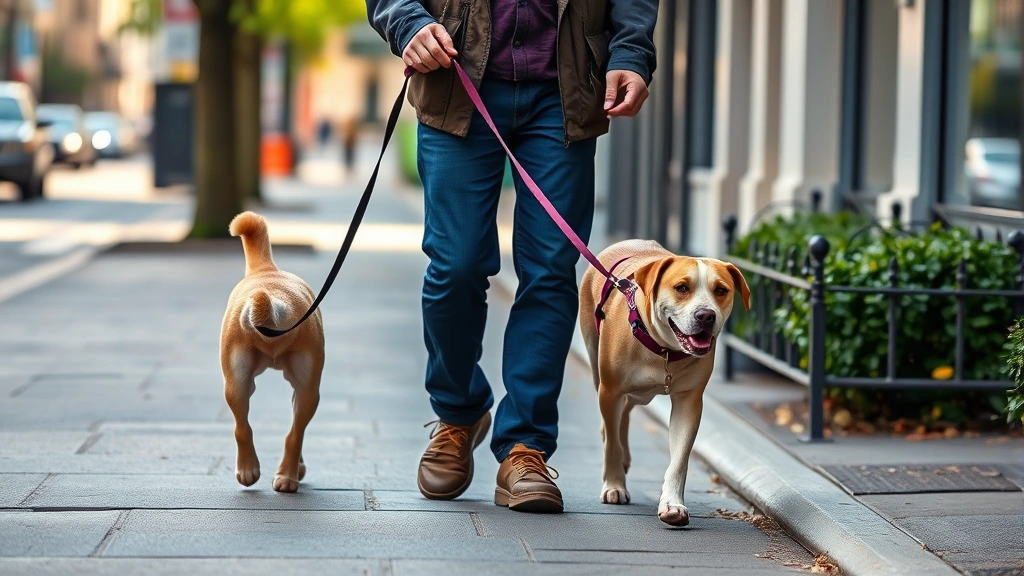
If you’ve ever wondered what does it mean to curb your dog, you’re not alone—and honestly, the answer is way simpler (and funnier) than you might think. Despite what some people imagine, it has absolutely nothing to do with teaching your pup to behave like a furry CEO. Instead, it’s about one of the most basic, necessary aspects of dog ownership that every responsible pet parent needs to master.
Table of Contents
- The Real Definition: What Curbing Your Dog Actually Means
- Why Curbing Your Dog Is a Legal Requirement
- The Proper Technique for Curbing Your Dog
- Understanding Dog Potty Training and Curbing
- Common Curbing Mistakes Dog Owners Make
- Best Practices for Successful Dog Curbing Routines
- Curbing and Apartment Living
- The Connection Between Exercise and Curbing Success
- Health Considerations Related to Curbing and Bathroom Habits
- Curbing Large Breed Dogs and Special Considerations
- Frequently Asked Questions
- Summary: Curbing Your Dog Is Non-Negotiable
The Real Definition: What Curbing Your Dog Actually Means
Let’s cut to the chase: curbing your dog means taking your dog outside to urinate or defecate in a designated spot, typically on a curb or in a designated potty area, rather than allowing them to go anywhere they please. It’s a legal requirement in most cities and municipalities, and it’s basically the foundation of being a considerate neighbor and a responsible dog owner.
The term comes from the practice of walking your dog to the edge of the sidewalk (the curb) to do their business. Think of it as bathroom management 101 for canines. When you curb your dog, you’re taking them to an appropriate outdoor location where they can relieve themselves safely and away from other people’s property.
Why Curbing Your Dog Is a Legal Requirement
Most cities have ordinances that explicitly require dog owners to curb their dogs. This isn’t just some random rule made up by overzealous city planners—it’s actually a public health and safety measure. When dogs eliminate waste on sidewalks, lawns, or public spaces without proper management, it creates several problems:

- Disease transmission through contaminated areas
- Unpleasant experiences for pedestrians
- Environmental contamination
- Neighborhood disputes and complaints
Violating curbing laws can result in hefty fines, sometimes ranging from $50 to $500 or more, depending on your location. Some cities are even stricter about dog waste management than others. So yes, curbing your dog isn’t just polite—it’s legally mandated.
The Proper Technique for Curbing Your Dog
Now that you understand what curbing means, let’s talk about how to actually do it effectively. The process is straightforward, but there are a few best practices:
- Choose the right location: Take your dog to a designated dog area, park, or at minimum, the curb or gutter area away from foot traffic
- Use a leash: Always keep your dog on a secure leash during potty breaks
- Give them time: Don’t rush—let your dog take the time they need to go
- Clean up immediately: Always carry poop bags and dispose of waste properly
- Be consistent: Take your dog out at regular intervals throughout the day
Pro tip: If you’re struggling with housetraining or potty training in general, establishing a consistent curbing routine is essential. Taking your dog out first thing in the morning, after meals, before bedtime, and several times throughout the day helps establish healthy bathroom habits.

Understanding Dog Potty Training and Curbing
Curbing your dog is closely related to potty training, but they’re not quite the same thing. Potty training is teaching your dog where it’s appropriate to go to the bathroom. Curbing is the actual practice of taking your trained dog outside to do their business. Once your dog is housetrained, curbing becomes your daily routine.
Most puppies can begin learning to be housetrained around 12-16 weeks of age, though they won’t have full bladder control until around 4-6 months old. During this time, frequent curbing trips are essential. Adult dogs typically need to go out at least 3-4 times per day, though some may need more frequent breaks.
Common Curbing Mistakes Dog Owners Make
Even well-intentioned dog owners sometimes mess up the curbing process. Here are the most common mistakes:

Not carrying waste bags: This is the cardinal sin of dog ownership. Always bring bags—multiple bags, actually. You never know if your dog will need to go twice.
Letting dogs eliminate on other people’s property: Just because your dog did their business on someone else’s lawn doesn’t mean it’s okay. Always redirect to appropriate areas.
Skipping potty breaks: Your dog can only hold it for so long. Frequent curbing trips prevent accidents inside and behavioral issues.

Not using a leash: An off-leash dog can wander into traffic, chase other animals, or eliminate in inappropriate places. Keep control.
If you’re also dealing with other behavioral issues, like excessive chewing, you might want to check out whether it’s okay for dogs to chew on sticks, as stress from inadequate potty breaks can increase unwanted behaviors.
Best Practices for Successful Dog Curbing Routines
Creating an effective curbing schedule makes life easier for both you and your dog. Here’s what successful dog owners do:

Establish a routine: Dogs thrive on consistency. Take them out at the same times each day. This helps regulate their digestive system and makes accidents less likely.
Use positive reinforcement: Praise and reward your dog immediately after they go to the bathroom in the correct location. This reinforces the behavior.
Watch for signals: Learn to recognize when your dog needs to go. Common signs include sniffing, circling, whining, or heading toward the door.

Keep a log: Especially for puppies or dogs with issues, tracking when they go helps you identify patterns and prevent accidents.
For dogs with mobility issues or those who are elderly, you might consider solutions like male dog diapers as a supplementary aid, though curbing remains important for their health and dignity.
Curbing and Apartment Living
If you live in an apartment, curbing your dog becomes even more critical. You have neighbors sharing walls and common areas with you. Responsible curbing practices include:

- Taking your dog to designated pet relief areas
- Never allowing your dog to eliminate in hallways, stairwells, or common areas
- Cleaning up immediately if any accidents occur
- Being mindful of noise during potty breaks (early mornings and late nights)
Many apartment complexes have specific rules about where dogs can be curbed. Check your lease and follow those guidelines strictly. Violating curbing policies is one of the top reasons dogs are evicted from apartments.
The Connection Between Exercise and Curbing Success
Here’s something many new dog owners don’t realize: exercise directly impacts your dog’s ability to control their bladder and bowels. A dog that gets adequate physical activity is more likely to have regular, predictable bathroom habits.
Daily walks aren’t just good for your dog’s physical health—they’re essential for successful curbing routines. A sedentary dog may have irregular bathroom habits, making curbing more challenging. Aim for at least 30 minutes of exercise daily for most adult dogs, more for high-energy breeds.

Interactive toys like Kong Extreme dog toys for fetch can help burn energy between curbing trips, leading to better bathroom control.
Health Considerations Related to Curbing and Bathroom Habits
Monitoring your dog’s bathroom habits during curbing trips gives you valuable health information. Changes in frequency, consistency, or behavior during bathroom breaks can indicate health issues. Watch for:
- Increased or decreased frequency of urination
- Changes in stool consistency (diarrhea or constipation)
- Straining or difficulty going
- Blood in urine or stool
- Accidents in the house after being housetrained
If you notice any of these signs, consult your veterinarian. Many health conditions—urinary tract infections, digestive issues, diabetes, and others—first show up as changes in bathroom habits. Regular curbing gives you the opportunity to catch health problems early.

Curbing Large Breed Dogs and Special Considerations
Large breed dogs have some unique curbing considerations. They may need more frequent breaks due to larger bladder capacity but also higher liquid intake. Additionally, large dogs require sturdy leashes and strong handling during curbing trips.
If you have a large breed, investing in a quality large dog door can provide supplementary bathroom access, though this doesn’t replace regular curbing walks. The door allows your dog to access a secure outdoor area when needed, but supervised curbing walks remain important for exercise and bathroom management.
Frequently Asked Questions
What’s the difference between curbing a dog and letting them use a dog door?
Curbing involves actively taking your dog outside on a leash to a designated spot for bathroom breaks. A dog door allows your dog to go outside independently. While dog doors are convenient, they don’t replace curbing because they don’t provide the supervision, exercise, and routine that curbing offers. Most responsible dog owners use both methods.

How many times a day should I curb my dog?
Adult dogs typically need to be curbed 3-4 times daily—morning, midday, evening, and before bed. Puppies need much more frequent breaks, often 8-12 times per day. Senior dogs may also need more frequent breaks. Your individual dog’s needs depend on age, health, diet, and activity level.
Is it okay to let my dog eliminate in my own yard instead of curbing?
While your own yard is better than public spaces, most cities still require you to curb your dog on public property like sidewalks and streets. Additionally, letting your dog only eliminate in the yard can create behavioral and training issues. Regular curbing walks provide exercise and mental stimulation that yard time alone doesn’t offer.
What should I do if my dog won’t go to the bathroom during a curbing trip?
Sometimes dogs get distracted or stubborn. Give them time and space. If nothing happens after 10-15 minutes, take them back inside and try again later. Don’t force it. Consistency and patience usually solve this problem within a few days.

Can I get fined for not curbing my dog?
Yes, absolutely. Most cities have ordinances requiring dog owners to curb their dogs and clean up after them. Fines typically range from $50-$500, with some cities imposing even higher penalties for repeat offenders. The fine is worth avoiding by simply curbing your dog properly.
What’s the best way to dispose of dog waste?
Use dedicated poop bags (biodegradable ones are environmentally friendly) and dispose of them in trash receptacles. Never leave bags on the ground or in bushes—that defeats the purpose of curbing. Some areas have special dog waste stations in parks. Always follow local guidelines for waste disposal.
Summary: Curbing Your Dog Is Non-Negotiable
So, what does it mean to curb your dog? It’s simply taking your dog outside to designated areas for bathroom breaks—a fundamental responsibility of dog ownership. It’s legally required in most places, essential for your dog’s health and happiness, and crucial for being a considerate neighbor.
Curbing isn’t complicated, but it does require consistency, responsibility, and commitment. Establish a routine, carry waste bags, use a leash, and clean up after your dog. Monitor your dog’s bathroom habits for health changes. Make it part of your daily schedule, just like feeding and watering.
Whether you have a new puppy, an adult dog, or a senior companion, curbing remains one of the most important aspects of responsible dog ownership. Your dog, your neighbors, and your community will all benefit from your commitment to this essential practice. Now get out there and curb that pup!





