
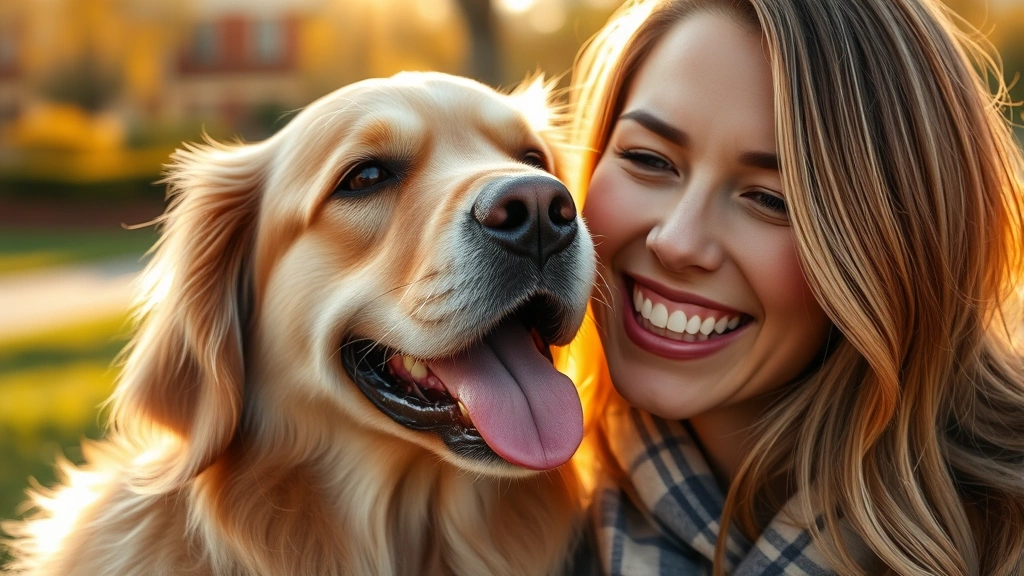
Ever wondered what does it mean when a dog licks you? That wet nose and tongue action isn’t just random—it’s actually your furry friend’s way of communicating with you. Dogs lick for all sorts of reasons, and understanding these behaviors can deepen your bond with your four-legged companion. Let’s dive into the science and psychology behind those slobbery kisses.
Table of Contents
- The Love Language: Why Dogs Lick as a Sign of Affection
- Attention-Seeking Behavior: Your Dog’s Gentle Nudge
- Taste and Scent Exploration: Your Dog’s Investigation Method
- Stress Relief and Self-Soothing: Licking as Comfort
- Submission and Respect: The Pack Hierarchy Signal
- Health Issues and Medical Concerns: When Licking Means Something’s Wrong
- The Breed Factor: Does Your Dog’s Breed Affect Licking Behavior?
- How to Respond to Your Dog’s Licking: Training and Boundaries
- The Science Behind the Behavior: What Research Shows
- When Licking Becomes Problematic: Excessive Licking Explained
- Building a Stronger Bond Through Understanding Licks
- Frequently Asked Questions
- Conclusion: Decoding Your Dog’s Licky Language
The Love Language: Why Dogs Lick as a Sign of Affection
When your dog licks your face, hands, or any exposed skin, they’re often expressing pure affection. This behavior stems from puppyhood when mother dogs lick their puppies to show care and maintain bonding. Your dog sees you as part of their pack, and licking is their way of saying “I love you.” It releases oxytocin in both you and your dog—the same bonding hormone that strengthens emotional connections. If you want to understand more about canine happiness, check out our guide on whether your dog is happy.
Attention-Seeking Behavior: Your Dog’s Gentle Nudge
Sometimes that lick is less about emotion and more about practicality. Dogs quickly learn that licking gets your attention. If your pup licks you when you’re busy, they might be saying “Hey, remember me?” or “Playtime, please!” This attention-seeking licking often happens when they’re bored or want to go for a walk. It’s their non-aggressive way of saying they need something from you. Understanding dog communication helps you respond appropriately to these signals.
Taste and Scent Exploration: Your Dog’s Investigation Method
Dogs experience the world through their noses and mouths. When they lick you, they’re gathering information about your scent, what you’ve eaten, and even your emotional state. Your skin releases pheromones that tell your dog a lot about you. That salty taste on your skin? Dogs find it genuinely interesting. It’s like how humans might taste food to understand its flavor—your dog is learning about you through licking.
Stress Relief and Self-Soothing: Licking as Comfort
Believe it or not, licking can be a self-soothing behavior for dogs. When they’re anxious, nervous, or overstimulated, they might lick themselves or their owners as a way to calm down. This is similar to how humans might take a deep breath or get a hug when stressed. If your dog seems lethargic or unusually anxious, excessive licking could signal they need extra comfort or a vet check-up.
Submission and Respect: The Pack Hierarchy Signal
In dog pack dynamics, licking can indicate submission and respect. Your dog might lick your face or hands as a way of acknowledging you as the leader of their pack. This is an instinctual behavior that shows they recognize your authority and trust you. It’s actually a positive sign that your dog respects you and feels secure in your leadership role.
Health Issues and Medical Concerns: When Licking Means Something’s Wrong
While most licking is harmless and sweet, excessive licking can sometimes indicate health problems. Dogs might lick specific areas if they’re in pain or experiencing skin irritation. If your dog is licking obsessively, especially in one spot, it’s worth a vet visit. According to the American Kennel Club, excessive licking can be a sign of allergies, parasites, or other medical issues that need professional attention.
The Breed Factor: Does Your Dog’s Breed Affect Licking Behavior?
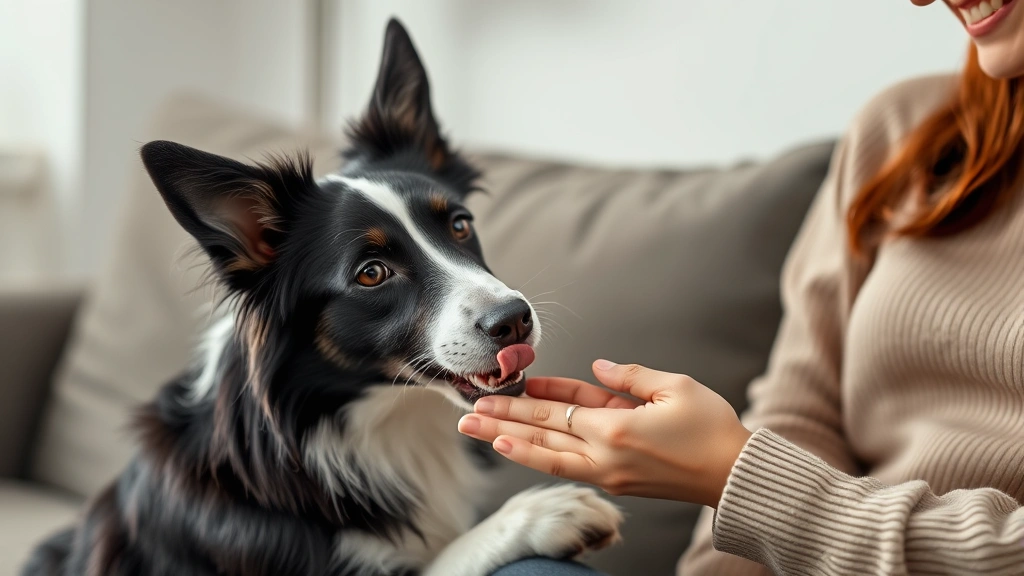
Some dog breeds are naturally more lick-prone than others. Breeds like Golden Retrievers, Labradors, and Cavalier King Charles Spaniels are famous for their enthusiastic face-licking. Other breeds might show affection differently. Your dog’s breed history and genetics play a role in how often and how enthusiastically they lick. If you have a low-energy breed, they might show love through quieter gestures rather than constant licking.
How to Respond to Your Dog’s Licking: Training and Boundaries
If your dog’s licking is getting out of hand, you can gently redirect the behavior. Some people don’t enjoy face licks, and that’s totally valid. You can teach your dog to show affection in other ways by rewarding them when they sit quietly near you or rest their head on your lap. Consistency is key—make sure everyone in your household responds the same way to licking behavior.
The Science Behind the Behavior: What Research Shows
Recent studies from PetMD and veterinary behaviorists confirm that dog licking is multifaceted. It’s not just one thing—it’s a combination of instinct, learned behavior, and emotional expression. Dogs have been domesticated for thousands of years, and licking has evolved as one of their primary communication methods with humans. The behavior strengthens the human-animal bond and releases feel-good chemicals in both species.
When Licking Becomes Problematic: Excessive Licking Explained
If your dog is licking excessively—themselves, you, or objects—it might indicate anxiety, allergies, or compulsive behavior. This is different from normal affectionate licking. Excessive licking can lead to skin damage and should be addressed with your veterinarian. Sometimes it’s a sign that your dog needs more mental stimulation or exercise. For more insights on dog behavior and wellness, explore our article on how dogs communicate with you.
Building a Stronger Bond Through Understanding Licks
When you understand what your dog’s licks mean, you can respond more effectively and deepen your relationship. Each lick is your dog’s attempt to communicate with you. By recognizing the different reasons behind this behavior, you become a more attentive and caring pet owner. Your dog isn’t just being cute—they’re actively engaging with you in the most natural way they know how.
Frequently Asked Questions
Is it safe to let my dog lick my face?
Generally, yes—dog saliva is relatively clean. However, if you have open wounds or a compromised immune system, you might want to limit face licking. Always wash your hands after petting your dog, and teach them that licking is okay on your hands but not your face if you prefer.
Why does my dog lick my feet?
Dogs often lick feet because they’re salty and interesting. It could also be attention-seeking or a sign they want to play. Some dogs find the texture and taste of feet particularly appealing, especially after you’ve been wearing socks or shoes.
Should I be concerned if my dog suddenly stops licking me?
A sudden change in behavior can sometimes indicate health issues or emotional changes. If your normally affectionate dog suddenly stops licking you, it might be worth a vet check-up to rule out pain or illness.
How can I tell the difference between affectionate licking and anxiety licking?
Affectionate licking is usually gentle, occasional, and accompanied by a relaxed body. Anxiety licking tends to be more frequent, intense, and might be focused on specific areas. Your dog might also show other stress signals like panting or pacing.
Can I train my dog to lick less?
Yes! You can redirect licking behavior by rewarding your dog when they show affection in other ways. Teach them alternative greetings like sitting or offering their paw instead of licking.
Does excessive licking indicate my dog is sick?
It can. Excessive licking, especially in one area, might indicate allergies, skin conditions, or pain. If the behavior is new or intense, consult your veterinarian to rule out medical issues.
Conclusion: Decoding Your Dog’s Licky Language
So, what does it mean when a dog licks you? The answer is beautifully simple: your dog is trying to communicate with you. Whether they’re showing affection, seeking attention, exploring their environment, or dealing with stress, every lick is a message. Most of the time, it’s their way of saying they love you and trust you. By understanding these behaviors, you’ll become more attuned to your furry friend’s needs and emotions. The next time your dog gives you a lick, you’ll know exactly what they’re trying to say. And honestly, that’s pretty special.





