
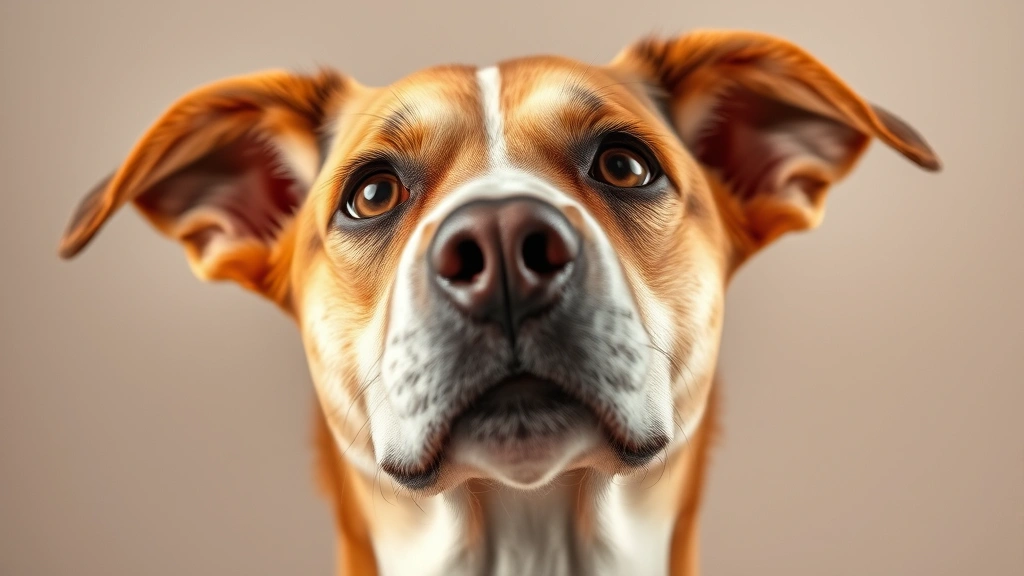
So you’re hanging out with your pup, and you notice their ears have suddenly pinned back against their head. If you’re wondering what does it mean when a dog’s ears are back, you’re not alone—this is one of the most common canine body language questions pet parents ask. The truth? Backward ears can mean a bunch of different things, and context is everything.
Table of Contents
- Understanding Canine Ear Language and Body Signals
- Fear and Anxiety: When Ears Back Means Stress
- Submission and Respect: The Polite Ear Position
- Concentration and Focus: Ears Back While Working
- Aggression and Dominance: The Warning Sign
- Comfort Seeking and Affection: Soft Ears Back
- Temperature Regulation and Comfort
- Reading the Complete Picture: Context Matters
- Training and Conditioning: How Ears Respond to Reinforcement
- Health Considerations: When Ear Position Changes
- Frequently Asked Questions
- Summary: Decoding Your Dog’s Ear Language
Dogs communicate constantly through their body language, and their ears are like little mood indicators. Unlike humans who rely heavily on words, dogs use their entire body—including those adorable (or sometimes floppy) ears—to tell us exactly how they’re feeling. Understanding this ear language could be the difference between a happy pup and a stressed-out one.
Understanding Canine Ear Language and Body Signals
Before we dive into what backward ears specifically mean, let’s talk about how dogs use their ears as communication tools. A dog’s ears are incredibly mobile, packed with muscles that allow them to rotate, flatten, and perk up independently. This flexibility isn’t just for show—it’s a sophisticated communication system.
Think of dog ears as part of a larger conversation. When combined with tail position, facial expressions, and overall body posture, ear position becomes a powerful indicator of your dog’s emotional state. The backward ear position is particularly interesting because it can signal multiple different emotions depending on what else is happening with your dog’s body.
Fear and Anxiety: When Ears Back Means Stress
One of the most common reasons you’ll see a dog’s ears pinned back is fear or anxiety. When dogs are nervous, frightened, or uncertain, they’ll flatten their ears against their head. This is a natural response—by making their ears smaller, they’re literally trying to make themselves appear less threatening and less noticeable.
You might notice this during thunderstorms, fireworks, or vet visits. A fearful dog will often have their ears back, tail tucked, body lowered, and eyes slightly averted. If your pup is showing these signs, they’re basically saying, “I’m scared and I’m trying to be non-threatening.” This is when you should provide comfort and a safe space.
Anxiety-related ear pinning is also common in dogs with separation anxiety or those who are reactive to certain triggers. If this is a frequent occurrence, consider consulting with a veterinary behaviorist.
Submission and Respect: The Polite Ear Position
Dogs are pack animals with an inherent understanding of hierarchy and respect. When a dog puts their ears back in a calm, relaxed manner (not pinned tight in fear), they’re often showing submission or deference. This is especially true when they’re greeting someone they respect or when they’re acknowledging another dog’s higher status in play.
This is different from fear-based ear pinning. A submissive dog will have their ears back, but their body will be loose and wiggly, their tail might be wagging, and they’ll have a soft, open mouth expression. They’re not scared—they’re being polite and respectful. It’s like a dog’s way of saying, “You’re the boss, and I respect that.”
This type of ear position is totally healthy and normal, especially in multi-dog households or when your dog is interacting with a more dominant personality.
Concentration and Focus: Ears Back While Working
Here’s something many people don’t realize: dogs sometimes pin their ears back when they’re concentrating really hard. Working breeds like border collies, German Shepherds, and McNab dogs will often flatten their ears when they’re focused on a task or tracking a scent.
If you’ve ever seen a dog herding sheep or intensely tracking a rabbit, you know exactly what we’re talking about. Their ears go back, their body gets low, and their entire focus narrows. This is a sign of intense concentration and drive, not fear or submission. The dog is in work mode, and nothing else matters.
This ear position combined with a forward-leaning body, alert eyes, and intense stare is the hallmark of a focused, driven dog. It’s actually a sign of a healthy, engaged pup doing what they were bred to do.
Aggression and Dominance: The Warning Sign
While less common than the other reasons, backward ears can sometimes indicate aggression or dominance, especially when combined with other aggressive body language signals. However, it’s important to note that aggressive dogs often have their ears in different positions depending on the type of aggression.
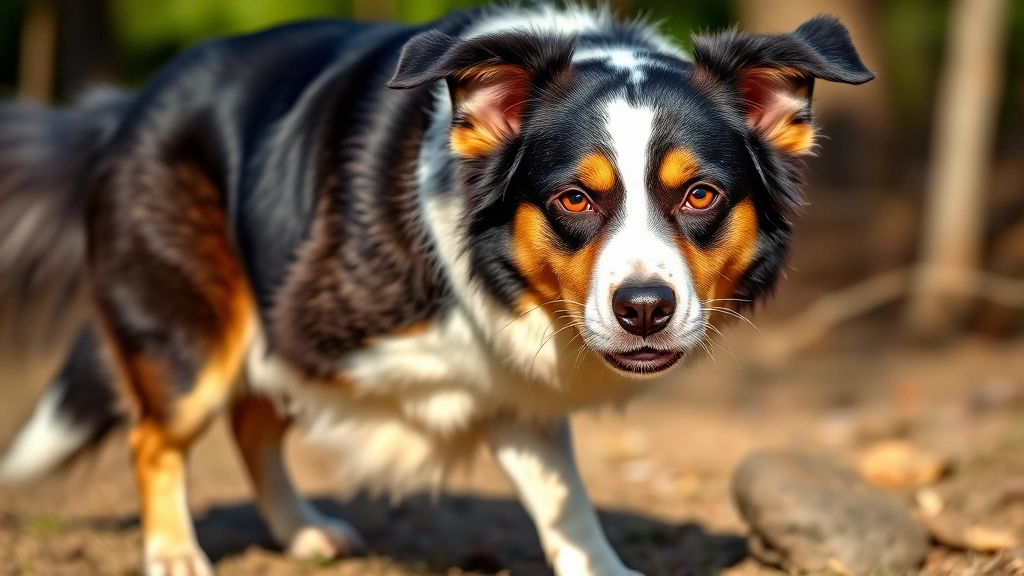
A dominantly aggressive dog might have their ears back but slightly raised, with a stiff body, forward-leaning posture, and a hard stare. A fearfully aggressive dog (fear-biting) will have ears pinned back tight, similar to a scared dog. The difference lies in the rest of their body language.
If you’re seeing ears back combined with bared teeth, stiff body posture, raised hackles, or a low growl, this is a dog that’s feeling threatened or is trying to establish dominance. This is when you need to back away and consult with a professional dog trainer or behaviorist. Don’t try to comfort a dog in this state, as it can reinforce the aggressive behavior.
Comfort Seeking and Affection: Soft Ears Back
Interestingly, some dogs will put their ears back when they’re seeking comfort or showing affection. This is usually accompanied by a soft body, gentle approach, and those classic “puppy dog eyes.” Your dog might do this when they want to cuddle, when they’re asking for forgiveness, or when they’re seeking reassurance from you.
This ear position is often misinterpreted as fear, but the context is completely different. The dog’s tail might be wagging, their body might be loose and relaxed, and they might be leaning into you. They’re not scared—they’re being sweet and affectionate.
Think of it as your dog’s version of a gentle, humble approach. They’re making themselves appear smaller and less intimidating as a way of deepening the bond with you. It’s actually really endearing when you understand what they’re communicating.
Temperature Regulation and Comfort
Here’s a practical reason for backward ears that often gets overlooked: temperature regulation. Dogs can actually use their ears to help regulate body temperature. When they’re hot, they might pull their ears back slightly to allow more air circulation to the ear flaps.
This isn’t usually the primary reason for ear pinning, but it can be a contributing factor. If your dog is in a hot environment and has their ears back, they might just be trying to cool down. This is especially true for dogs with larger ears or those with thick coats.
Combined with panting, seeking shade, and increased water intake, temperature-related ear positioning is a sign that your dog needs cooler conditions and plenty of water.
Reading the Complete Picture: Context Matters
Here’s the most important thing to understand about dog ear language: you can’t evaluate it in isolation. The meaning of backward ears depends entirely on what the rest of your dog’s body is doing. You need to look at the whole picture—tail position, body posture, facial expression, and the situation at hand.
A dog with ears back, tail wagging, and a play bow is in a completely different emotional state than a dog with ears back, tail tucked, and body lowered. One is happy and playful; the other is scared. Learning to read these combined signals is the key to understanding your dog’s emotional needs.
Invest time in learning your individual dog’s communication style. Every dog is slightly different, and what might mean one thing in another dog might mean something else in yours. The more you observe and pay attention, the better you’ll become at interpreting their needs.
Training and Conditioning: How Ears Respond to Reinforcement
It’s worth noting that some dogs learn to modify their ear positions based on training and conditioning. For example, a dog trained with a martingale collar might associate certain situations with corrections and develop habitual ear pinning in those contexts.
This is why positive reinforcement training is so important. Dogs trained with fear-based methods often display more ear pinning and other stress signals. Dogs trained with reward-based methods tend to have more relaxed, forward-facing ears because they’re not anxious about the interaction.

If you notice your dog constantly has their ears back, it might be worth evaluating your training methods and overall interaction style. Sometimes what looks like a permanent personality trait is actually a learned stress response.
Health Considerations: When Ear Position Changes
If your dog’s ear position suddenly changes—like if they normally have perky ears but suddenly start pinning them back—this could indicate a health issue. Ear infections, injuries, or pain can cause dogs to hold their ears differently.
Additionally, certain neurological conditions or injuries to the nerves controlling the ears can affect positioning. If you notice a sudden, unexplained change in your dog’s ear position, especially if it’s accompanied by other symptoms like head shaking, discharge, or behavioral changes, contact your vet immediately.
Your veterinarian can rule out any medical causes and help you determine if the ear pinning is behavioral or health-related. This is especially important if the change is sudden or accompanied by other concerning symptoms.
Frequently Asked Questions
What does it mean when a dog’s ears are back and they’re wagging their tail?
This usually indicates a happy, submissive, or affectionate dog. The tail wagging is the key indicator here—it shows positive emotion. Your dog might be greeting you, playing, or seeking affection. This is a good sign and means your dog is comfortable and happy.
Is ear pinning always a sign of fear?
No, absolutely not. While fear is one reason dogs pin their ears back, it can also indicate submission, concentration, affection, respect, or even just a comfortable, relaxed state. You need to look at the entire body language picture to understand what your dog is communicating.
Should I comfort my dog when their ears are back?
It depends on the context. If your dog is fearful, gentle comfort can help. However, avoid over-comforting, as this can reinforce anxious behavior. If your dog is showing aggressive behavior with ears back, do not attempt to comfort them. Instead, remove yourself from the situation and consult a professional.
Can ear position indicate pain?
Yes, sometimes. If your dog’s ear position suddenly changes or they’re consistently holding their ears in an unusual way, this could indicate ear pain, injury, or infection. If combined with head shaking, discharge, or sensitivity to touch, contact your veterinarian.
Do all dog breeds pin their ears back the same way?
Not exactly. Breeds with floppy ears might not be able to pin them back as dramatically as breeds with upright ears. However, the muscles are still there, and you’ll notice the difference in how they hold their ears. Pay attention to your specific dog’s normal ear position and look for deviations from that baseline.
Summary: Decoding Your Dog’s Ear Language
Understanding what does it mean when a dog’s ears are back is an essential part of being a good dog parent. Whether your pup’s ears are pinned back due to fear, submission, concentration, affection, or respect, the key is to observe the complete picture of their body language and the context of the situation.
Dogs are constantly communicating with us, and their ears are just one part of that complex language. By learning to read these signals, you’ll deepen your bond with your dog and be better equipped to respond to their emotional needs. Remember that every dog is an individual, and what might be true for one dog might not apply to another.
If you’re ever unsure about your dog’s behavior or if you notice sudden changes in ear position or other concerning symptoms, don’t hesitate to reach out to your veterinarian or a certified professional dog trainer. They can provide personalized guidance based on your dog’s specific situation.
For more information on dog behavior and body language, check out resources from the American Kennel Club, PetMD, and your local veterinary behaviorist. The more you learn about your dog’s communication style, the happier and healthier your relationship will be.





