
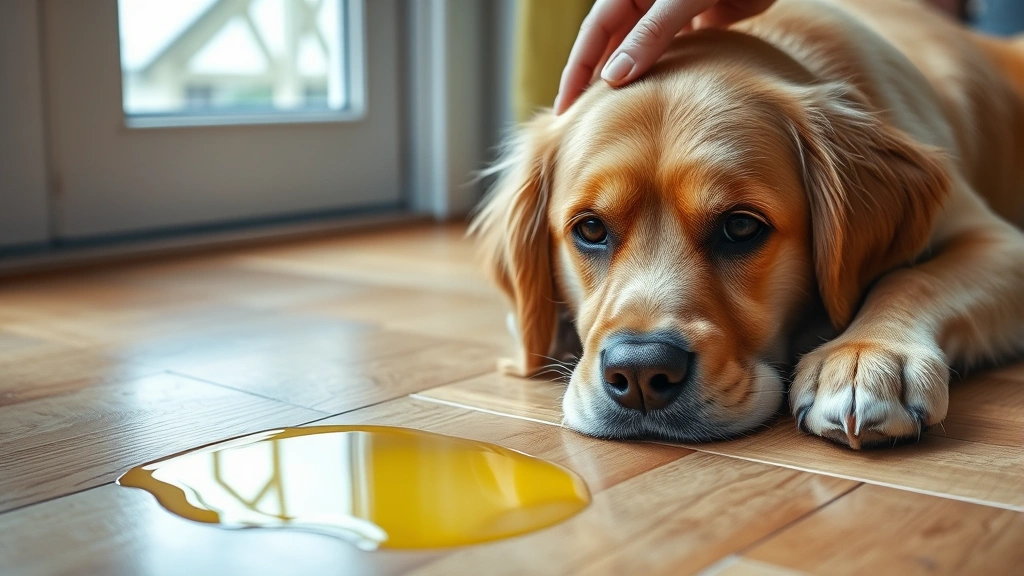
So your dog just hacked up some yellow stuff, and now you’re spiraling—what does it mean when a dog throws up yellow? Don’t panic (yet). While it’s definitely gross and concerning, yellow vomit in dogs is actually pretty common and usually has a straightforward explanation. Let’s dig into what’s really going on with your pup’s digestive system.
Table of Contents
- Understanding Yellow Vomit: What’s Actually in That Mess?
- Cause #1: Bilious Vomiting Syndrome (The Sneaky Culprit)
- Cause #2: Gastritis and Stomach Inflammation
- Cause #3: Pancreatitis and Digestive Distress
- Cause #4: Intestinal Blockages and Obstructions
- Cause #5: Other Medical Conditions Worth Investigating
- When to Call the Vet (Seriously, Don’t Ignore These)
- At-Home Management: Making Your Dog Comfortable
- Prevention: Stop the Yellow Vomit Before It Starts
- When Professional Help Is Non-Negotiable
- Frequently Asked Questions
- Final Thoughts: Your Dog Will Be Okay
Understanding Yellow Vomit: What’s Actually in That Mess?
Yellow vomit in dogs is typically bile—a digestive fluid produced by the liver and stored in the gallbladder. Think of bile as your dog’s internal cleaning crew; it helps break down fats and keep everything moving smoothly through the digestive tract. When your dog throws up yellow bile, it usually means their stomach is empty and the bile is splashing around without any food to cushion it. It’s like your dog’s stomach decided to do some aggressive spring cleaning at 3 AM.
The color can range from pale yellow to greenish-yellow, depending on how concentrated the bile is. If you’re seeing bright yellow foam, that’s typically stomach acid mixed with bile. Not pleasant to witness, but it tells us something specific is happening.
Cause #1: Bilious Vomiting Syndrome (The Sneaky Culprit)
Bilious vomiting syndrome (BVS) is probably the most common reason your dog is tossing up yellow bile. This happens when bile refluxes from the small intestine back into the stomach, irritating the stomach lining and triggering vomiting. It’s basically your dog’s digestive system working backward—like a one-way door that suddenly swings the wrong direction.
Dogs with BVS often vomit on an empty stomach, especially in the morning or late evening. You might notice it happens right before meals. The good news? It’s manageable. Your vet might recommend feeding smaller, more frequent meals or adjusting meal times. Some pups benefit from a bland diet or specific medications that help regulate stomach acid.
Cause #2: Gastritis and Stomach Inflammation
Gastritis—inflammation of the stomach lining—can make your dog’s stomach extra sensitive and prone to yellow vomiting. This can happen from eating something they shouldn’t (hello, garbage can raids), food sensitivities, or even stress. When the stomach lining is inflamed, it’s like having tiny angry bumps all over the inside of their stomach. Yellow bile vomiting is one way their body says, “Hey, something’s wrong down here.”
Common triggers include sudden diet changes, fatty foods, or eating too quickly. Some dogs are just drama queens with sensitive stomachs. If you’ve recently switched dog food brands, that could be your culprit. Always transition gradually over 7-10 days to avoid gastric upset.
Cause #3: Pancreatitis and Digestive Distress
Pancreatitis—inflammation of the pancreas—is more serious and definitely deserves attention. The pancreas helps digest food and regulate blood sugar, so when it’s inflamed, everything goes haywire. Dogs with pancreatitis often vomit yellow bile, act lethargic (check out our guide on lethargic dog symptoms), and may have abdominal pain.
Pancreatitis can be triggered by high-fat diets, obesity, or certain medications. Some breeds like Schnauzers are genetically predisposed. If your dog shows repeated yellow vomiting combined with lethargy, loss of appetite, or a hunched posture, get them to the vet ASAP. This isn’t something to ignore.
Cause #4: Intestinal Blockages and Obstructions
If your dog ate something they shouldn’t have—a toy, sock, corn cob, or other foreign object—it might be causing an obstruction. When the intestines are blocked, food and bile can’t move through properly, causing your dog to vomit yellow bile repeatedly. This is a medical emergency that requires immediate veterinary attention.
Signs of a potential blockage include persistent vomiting, constipation (learn more about dog constipation here), abdominal pain, loss of appetite, and lethargy. Your vet can use X-rays or ultrasound to diagnose an obstruction. Don’t wait on this one—blockages can become life-threatening quickly.
Cause #5: Other Medical Conditions Worth Investigating
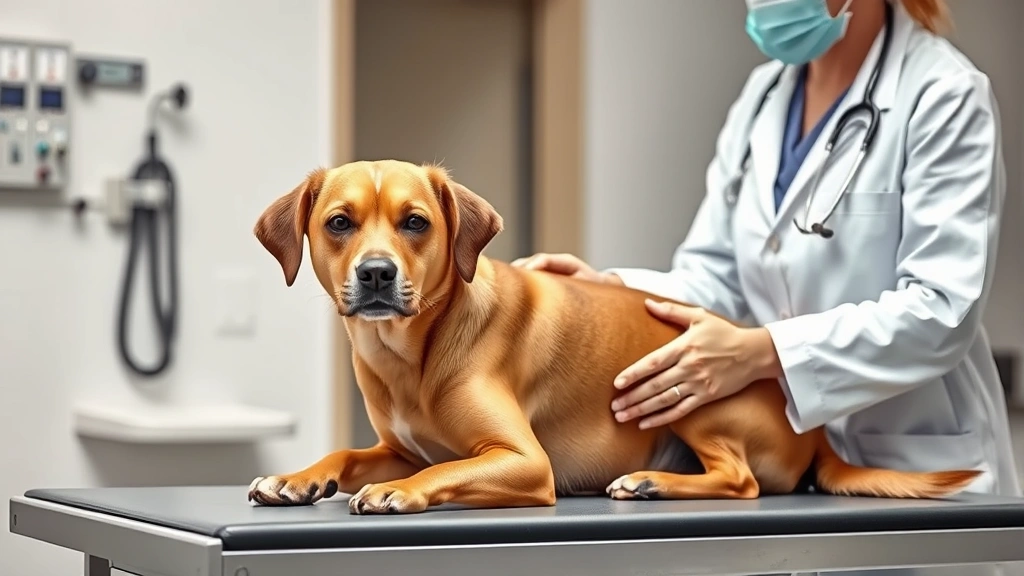
Yellow vomiting can also signal liver disease, kidney problems, or infections. These conditions require professional diagnosis because they often need specific treatment. Your vet might recommend blood work or urinalysis to rule out systemic issues, especially if the vomiting is frequent or accompanied by other symptoms.
Certain medications can also trigger nausea and vomiting. If your dog recently started a new medication like Meloxidyl for pain management or other treatments, discuss potential side effects with your vet. Motion sickness from car rides is another possibility—check out motion sickness medicine for dogs if travel triggers the vomiting.
When to Call the Vet (Seriously, Don’t Ignore These)
A single episode of yellow vomiting might not warrant panic, but certain situations demand immediate veterinary attention. Call your vet if your dog vomits yellow multiple times in one day, shows signs of pain, acts extremely lethargic, refuses food for more than 24 hours, or has bloody vomit. Also reach out if your senior dog or puppy is vomiting—they’re more vulnerable to complications.
If your dog seems otherwise happy and normal after one vomiting episode, monitor them closely. Skip their next meal, offer small amounts of water, and see how they do. But if the pattern continues, don’t play doctor at home.
At-Home Management: Making Your Dog Comfortable
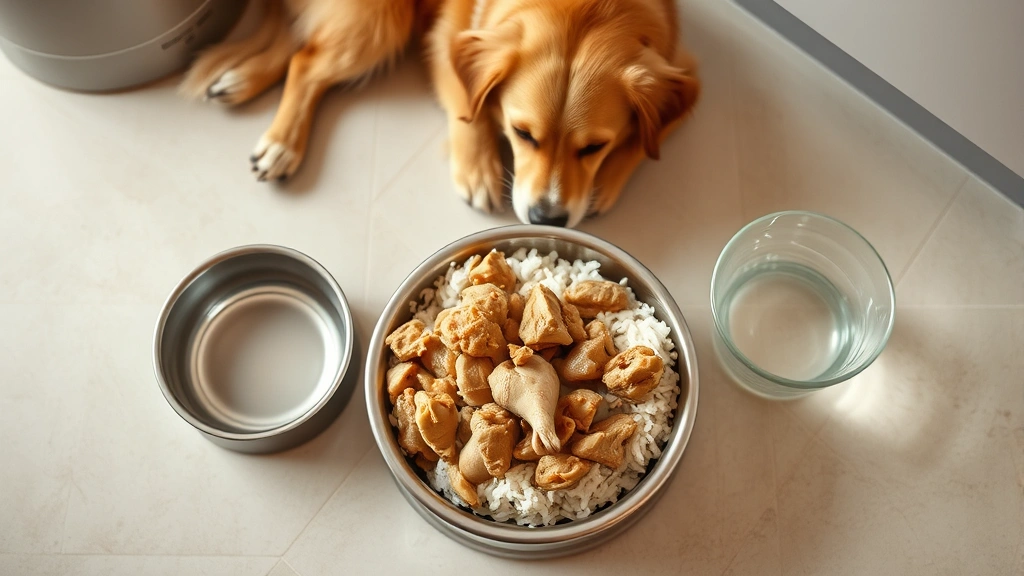
For minor yellow vomiting episodes, start with a bland diet. Plain boiled chicken and white rice are your friends here. Feed smaller portions more frequently rather than one large meal. Make sure your dog has constant access to fresh water, but don’t let them chug a whole bowl at once—that can trigger more vomiting.
Rest is important too. Keep your pup calm and avoid vigorous exercise for a day or two after vomiting. If you notice your dog isn’t acting like their normal happy self, that’s your cue to call the vet. Check out our guide on how to tell if your dog is happy to establish a baseline for normal behavior.
Prevention: Stop the Yellow Vomit Before It Starts
The best medicine is prevention. Feed high-quality dog food appropriate for your dog’s age and size. Avoid sudden diet changes, and keep human food and garbage out of reach. Regular exercise and maintaining a healthy weight reduce digestive issues. For dogs prone to bilious vomiting, feeding a small snack before bedtime can help—it gives the stomach something to work with.
Keep toxic foods away from your pup, and supervise playtime with toys that could be swallowed. Regular vet checkups catch underlying issues before they become serious problems. If your dog has a history of pancreatitis, stick to low-fat diets religiously.
When Professional Help Is Non-Negotiable
Your vet has tools you don’t—blood tests, imaging, and clinical experience. If yellow vomiting persists for more than a day or two, happens frequently, or is accompanied by other symptoms, get professional help. Vets can prescribe anti-nausea medications, antibiotics if infection is present, or recommend dietary changes specific to your dog’s needs.
Don’t be embarrassed about calling your vet for what seems like a minor issue. They’d rather you check in than have a small problem become a big emergency. That’s literally their job, and they’ve seen way grosser things than yellow vomit.
Frequently Asked Questions
Is yellow vomit in dogs always serious?
Not necessarily. A single episode of yellow vomit, especially if your dog acts normal otherwise, usually isn’t an emergency. However, repeated vomiting, vomiting combined with other symptoms, or vomiting in very young, old, or already ill dogs warrants veterinary evaluation.
Can I treat yellow vomiting at home?
For minor cases, you can try fasting for 12 hours, then offering a bland diet of boiled chicken and rice in small portions. Ensure constant water access. However, if vomiting persists beyond 24 hours or your dog shows other symptoms, see your vet. Some conditions require medication or professional diagnosis.
What’s the difference between yellow vomit and yellow diarrhea?
Yellow vomit comes from the mouth and is usually bile-colored or foamy. Yellow diarrhea is looser stool coming from the rear end. While both can indicate digestive issues, they have different causes and treatments. Report both to your vet if they’re ongoing.
Does diet affect whether my dog vomits yellow?
Absolutely. High-fat foods, sudden diet changes, and food sensitivities can all trigger yellow vomiting. Feeding smaller, more frequent meals and using high-quality, appropriate dog food can significantly reduce episodes. Some dogs do better on grain-free or limited ingredient diets.
Can stress cause yellow vomiting in dogs?
Yes, stress and anxiety can trigger gastritis and vomiting in sensitive dogs. Changes in routine, new pets, moving, or loud noises might set it off. If you notice a pattern related to stressful events, discuss anxiety management with your vet.
Is yellow vomit contagious between dogs?
Yellow vomit itself isn’t contagious, but the underlying cause might be. If your dog has an infection causing the vomiting, it could potentially spread to other dogs. Keep vomiting dogs separated until your vet determines the cause.
Final Thoughts: Your Dog Will Be Okay
Finding yellow vomit is gross and worrying, but remember—what does it mean when a dog throws up yellow? Usually, it’s your dog’s digestive system sending an SOS signal that something needs attention. In many cases, it’s manageable and easily treatable. The key is paying attention to patterns, acting quickly when something seems off, and maintaining a good relationship with your veterinarian.
Most dogs recover quickly from minor vomiting episodes once the underlying cause is identified and treated. Your pup will be back to their normal, slightly annoying self in no time. Just keep some paper towels handy, stay vigilant, and don’t hesitate to call your vet when in doubt. Your dog is counting on you to be their health advocate.





