
What Does It Mean When a Dog Yawns? Explained
If you’ve ever watched your furry best friend yawn, you might have wondered what’s going on in that adorable canine head. Is your pup tired? Stressed? Trying to communicate something mysterious? The truth is, dog yawns are far more complex and fascinating than a simple sign of sleepiness. Just like humans, dogs yawn for multiple reasons, and understanding these signals can deepen your connection with your four-legged companion.
Yawning in dogs is a behavior that scientists, veterinarians, and animal behaviorists have studied extensively, revealing surprising insights into canine physiology and psychology. From stress relief to contagious yawning to medical concerns, each yawn tells a story. By learning to interpret these signals, you’ll become a more attentive and responsive dog owner.
In this comprehensive guide, we’ll explore the various reasons why dogs yawn, what their body language during a yawn means, and when you should be concerned. Whether your dog yawns occasionally or frequently, you’re about to discover a whole new dimension of dog communication that will make you appreciate those jaw-stretching moments even more.
The Science Behind Dog Yawning
Yawning is a universal behavior observed across the animal kingdom, and dogs are no exception. At its most basic level, a yawn is an involuntary reflex that involves opening the mouth wide and taking a deep breath. However, the mechanics behind why this happens are more intricate than many pet owners realize.
When a dog yawns, several physiological processes occur simultaneously. The jaw stretches, the facial muscles contract, and the lungs fill with air. This action increases oxygen intake and may help regulate body temperature. According to the American Kennel Club, yawning also serves to increase alertness by boosting blood flow to the brain and muscles.
Research into canine behavior suggests that yawning might also be connected to the parasympathetic nervous system, which is responsible for calming responses in the body. This explains why dogs often yawn when transitioning between states of activity and rest. The act of yawning can prepare the body for either increased engagement or relaxation, depending on the context.
Understanding that yawning is more than just fatigue helps you interpret your dog’s behavior more accurately. Your pup might be yawning to prepare mentally for an upcoming situation, to regulate stress, or simply because their body needs the physiological reset that yawning provides.
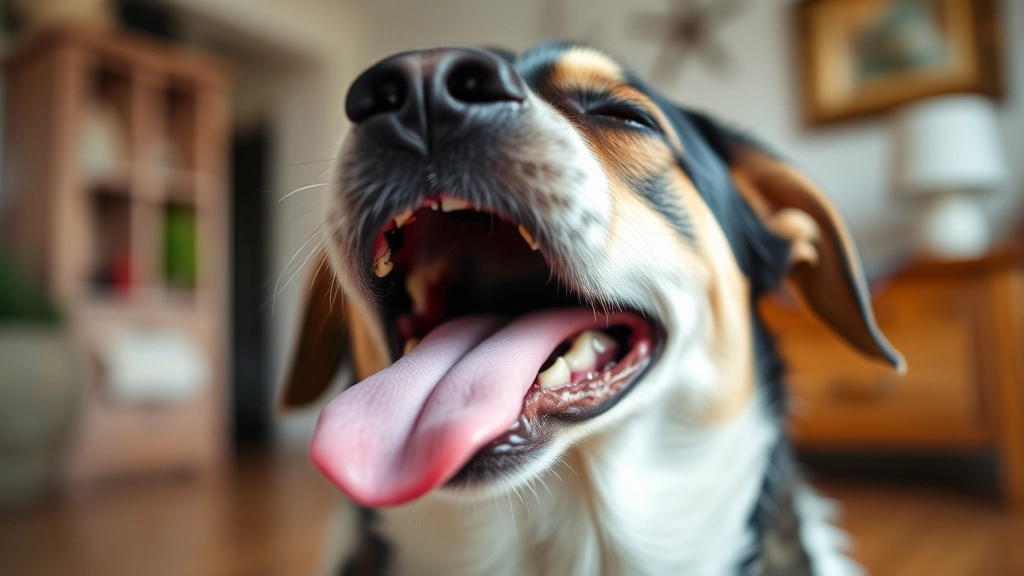
Common Reasons Dogs Yawn
While tiredness is certainly one reason dogs yawn, it’s far from the only explanation. Let’s explore the most common scenarios where you’ll notice your canine companion engaging in this behavior.
Fatigue and Sleep Transitions
The most obvious reason dogs yawn is when they’re tired. If your pup has been playing actively or engaging in mental stimulation, you’ll likely see yawning as they wind down. This is similar to why dogs sleep so much throughout the day—they’re conserving energy and preparing for rest periods. Dogs typically yawn more frequently as bedtime approaches or when they’re transitioning from wakefulness to sleep.
Boredom and Understimulation
Interestingly, dogs also yawn when they’re bored or not receiving enough mental or physical stimulation. A yawn in this context is your dog’s way of saying, “Hey, I need something to do!” If you notice your dog yawning frequently during the day with little activity, it might be time to increase their exercise routine or provide more enrichment activities.
Anticipation and Excitement
Sometimes dogs yawn right before something exciting happens. If your pup yawns when you’re putting on their leash or preparing their meal, they might be expressing anticipation. This type of yawn is often accompanied by other excited behaviors like tail wagging or play bows, helping you distinguish it from stress-related yawning.
Temperature Regulation
Dogs use yawning as a thermoregulation mechanism. When a dog’s body temperature needs adjustment, yawning can help regulate it. This is particularly common in dogs during warm weather or when they’ve been in a heated environment.
Stress and Anxiety Signals
One of the most important things for dog owners to understand is that yawning can be a significant stress indicator. When your dog is anxious, nervous, or uncomfortable, they may yawn repeatedly as a coping mechanism. This type of yawning is often called a “stress yawn” or “displacement behavior.”
In stressful situations—such as during a thunderstorm, at the veterinarian’s office, or when meeting unfamiliar people—you might notice your dog yawning more frequently than usual. These yawns serve a self-soothing function, helping to calm the nervous system and manage anxiety levels.
It’s crucial to recognize stress-related yawning because it indicates your dog is uncomfortable. When you notice this behavior, try to identify the stressor and remove your dog from the situation if possible. Pairing yawning with other stress signals, like ear flattening, tail tucking, or lip licking, confirms that your dog is anxious rather than simply tired.
If your dog frequently displays stress yawning, consider consulting with a professional dog trainer or veterinary behaviorist. They can help you develop strategies to reduce your dog’s anxiety and improve their overall well-being. Understanding your dog’s emotional state is as important as recognizing physical needs, and yawning is a valuable window into their psychological comfort.
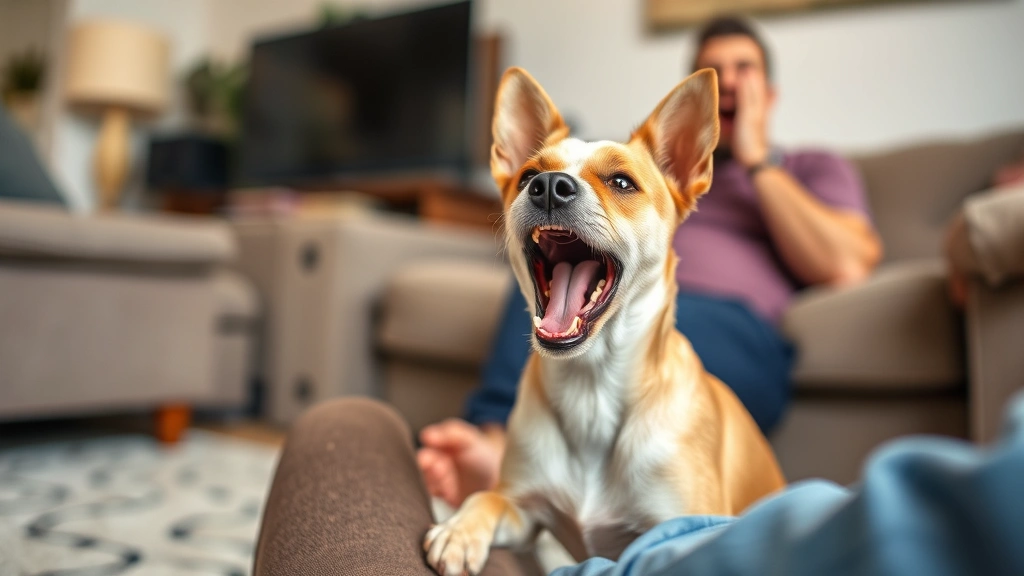
Contagious Yawning in Dogs
Here’s a fascinating discovery: dogs can experience contagious yawning, just like humans! If you yawn in front of your dog, there’s a good chance they’ll yawn too. This phenomenon isn’t just a coincidence—it’s rooted in neuroscience and empathy.
Research has shown that contagious yawning is linked to empathy and the mirror neuron system in the brain. When dogs yawn in response to your yawn, it suggests they’re tuned into your emotional state and are mirroring your behavior. This is a sign of a strong bond between you and your pet.
Interestingly, not all dogs experience contagious yawning to the same degree. Some dogs are more susceptible than others, and individual personality traits may play a role. Dogs that are more socially attuned or have stronger bonds with their owners tend to show more contagious yawning behavior.
This phenomenon also highlights how dogs are constantly reading our behavior and responding to our cues. Whether your dog knows you love them can partly be understood through these mirroring behaviors. The next time you yawn and your dog follows suit, you’re witnessing a beautiful example of your connection in action.
Body Language and Context
To truly understand what your dog’s yawn means, you need to consider the broader context and accompanying body language. A yawn doesn’t exist in isolation—it’s part of a larger communication system.
Yawning with Relaxed Body Language
If your dog yawns while their body is loose and relaxed, their ears are in a natural position, and their tail is gently wagging, they’re likely tired or transitioning to a calm state. This is the most benign type of yawn and typically doesn’t require any action on your part.
Yawning with Tense Body Language
When a dog yawns with stiff posture, pulled-back ears, or a tucked tail, stress is the likely culprit. The tension in their body combined with the yawn creates a very different message than a relaxed yawn. Pay attention to these signals and adjust the environment to help your dog feel more secure.
Yawning During Social Interactions
If your dog yawns while you’re interacting with them, it could mean several things depending on the situation. During training, a yawn might indicate your dog is overwhelmed or needs a break. During play, it might signal they’re getting tired. During tense moments, it’s likely a stress response.
The key is to observe the complete picture. Look at your dog’s ears, tail position, facial expression, and overall body posture. These elements combined with the yawn will give you a much clearer understanding of what your dog is trying to communicate.
When Yawning Indicates a Health Issue
While most yawning is perfectly normal, excessive or unusual yawning can sometimes indicate an underlying health problem. As a responsible dog owner, it’s important to know when yawning might warrant a veterinary visit.
Excessive Yawning
If your dog suddenly starts yawning much more frequently than usual, it could signal an issue. Excessive yawning might indicate pain, discomfort, or illness. Dental problems, jaw pain, or oral infections can cause increased yawning as your dog tries to work through the discomfort.
Yawning with Other Symptoms
Pay special attention if your dog’s yawning is accompanied by other symptoms such as:
- Difficulty eating or reluctance to chew
- Drooling or excessive salivation
- Bad breath
- Swelling around the face or jaw
- Lethargy or behavioral changes
- Loss of appetite
If you notice any combination of these symptoms alongside increased yawning, contact your veterinarian promptly. According to the ASPCA, changes in normal behavior patterns should always be evaluated by a professional.
When to See a Vet
You should schedule a veterinary appointment if:
- Your dog’s yawning frequency changes dramatically
- Yawning is accompanied by signs of pain or discomfort
- Your dog seems unable to close their mouth properly after yawning
- There’s visible swelling or injury in the jaw area
- Your dog shows signs of illness alongside increased yawning
Your veterinarian can perform a thorough examination and determine whether the yawning is a normal behavior or a symptom of something requiring treatment. It’s always better to be cautious when it comes to your pet’s health.
How to Respond to Your Dog’s Yawns
Now that you understand what your dog’s yawns might mean, how should you respond? The answer depends on the context and what the yawn indicates.
Responding to Tired Yawns
If your dog is yawning because they’re tired, simply allow them to rest. Make sure they have a comfortable place to sleep and aren’t being disturbed. This is also a good time to reflect on why dogs lick their paws and other pre-sleep behaviors, as dogs often engage in multiple calming behaviors before settling down.
Responding to Boredom Yawns
If your dog is yawning from boredom, it’s time to increase stimulation. Take them for a longer walk, engage in play, or introduce puzzle toys and enrichment activities. Mental stimulation is just as important as physical exercise for keeping your dog happy and healthy.
Responding to Stress Yawns
When you identify stress-related yawning, your first priority should be reducing the stressor. If possible, remove your dog from the situation. Use a calm voice, offer reassurance, and create a safe space where your dog can decompress. You might also consider why dogs like belly rubs, as physical affection can help calm anxious dogs in some cases.
Responding to Contagious Yawns
When your dog yawns in response to your yawn, enjoy the moment! This is a sign of your strong connection. You might yawn back to reinforce the bonding behavior, or simply acknowledge it with a smile and some gentle petting.
Building Awareness
The most important response is simply to pay attention. By observing your dog’s yawning patterns and noting the circumstances surrounding them, you’ll become increasingly attuned to your pet’s needs and emotions. This awareness strengthens your relationship and helps you provide better care.
Consider keeping a mental note (or even a written log if you’re particularly detail-oriented) of when your dog yawns most frequently and what’s happening at those times. Over time, patterns will emerge that give you deeper insight into your individual dog’s behavior and personality.
Frequently Asked Questions
Is it normal for dogs to yawn a lot?
It depends on what “a lot” means for your individual dog. Most healthy dogs yawn several times throughout the day, particularly during transitions between activity and rest. However, if you notice a sudden increase in yawning frequency that’s unusual for your dog, it’s worth investigating. Stress, boredom, or health issues could be responsible. Keep track of your dog’s baseline yawning behavior so you can recognize when something has changed.
Can dogs yawn when they’re nervous?
Absolutely. Nervous or anxious dogs frequently yawn as a stress-relief mechanism. If you notice your dog yawning during situations that typically make them anxious—like vet visits, thunderstorms, or unfamiliar social situations—they’re likely using yawning to self-soothe. Combining this observation with other stress signals like ear position and tail placement will confirm your suspicion.
Do all dogs experience contagious yawning?
Not all dogs show contagious yawning to the same degree. Research from peer-reviewed studies on animal behavior suggests that individual differences in empathy and social bonding affect contagious yawning. Dogs with stronger bonds to their owners and those who are more socially attuned are more likely to experience contagious yawning.
What does it mean if my dog yawns during training?
A yawn during training could indicate several things. Your dog might be getting tired, bored, or overwhelmed. If yawning is accompanied by loss of focus or disengagement, it’s time to take a break. Keep training sessions short and engaging to maintain your dog’s interest. If yawning persists even after breaks, your dog might not be getting enough mental or physical stimulation outside of training sessions.
Should I be concerned if my dog yawns excessively?
Excessive yawning that represents a change from your dog’s normal behavior warrants attention. It could indicate stress, anxiety, boredom, or a health issue. Monitor the yawning and note any other behavioral or physical changes. If the excessive yawning persists for more than a few days or is accompanied by other symptoms, consult your veterinarian. According to veterinary medical resources, sudden behavioral changes are always worth professional evaluation.
Can yawning indicate pain in dogs?
Yes, excessive yawning can sometimes indicate pain or discomfort, particularly if it’s related to the jaw, mouth, or teeth. Dental problems, jaw injuries, or oral infections can cause dogs to yawn more frequently as they try to work through the discomfort. If your dog’s increased yawning is accompanied by difficulty eating, bad breath, or visible swelling, schedule a veterinary appointment promptly.
How is yawning related to why dogs sleep so much?
Yawning and excessive sleeping often go hand in hand. Dogs yawn as they transition into sleep and as a way to prepare their bodies for rest. If you’re curious about why dogs sleep so much, yawning is one of the mechanisms they use to facilitate these frequent rest periods. The combination of yawning and sleeping helps dogs maintain their energy levels and process information from their day.
Does yawning mean my dog loves me?
While a single yawn doesn’t definitively mean your dog loves you, contagious yawning—when your dog yawns in response to your yawn—does suggest a strong emotional bond. This empathetic response indicates your dog is tuned into your emotional state. For more information about how your dog shows affection, explore our article on does my dog know I love him, which covers the many ways dogs express attachment.