

Why Are My Dog’s Ears Back? Understanding Canine Signals
Your dog’s ears are constantly communicating, and when they’re pinned back against their head, they’re sending you a message. But what exactly are they trying to tell you? Unlike humans who rely heavily on words, dogs are masters of body language, and their ears are one of the most expressive parts of their anatomy. Whether your pup is feeling anxious, submissive, happy, or focused, those ear positions are broadcasting their emotional state louder than any bark ever could.
Understanding what your dog’s ears mean is like learning a secret language that strengthens your bond and helps you respond to their needs more effectively. A dog with ears pinned back isn’t always stressed—sometimes they’re just being polite or expressing contentment. The key is learning to read the complete picture of their body language, not just isolating one signal. Let’s dive into the fascinating world of canine ear communication and decode what your furry friend is really saying.
Your dog’s ears are incredibly mobile, capable of rotating up to 180 degrees thanks to over 30 muscles controlling them. This flexibility means they’re constantly adjusting to capture sounds and express emotions. When combined with other body signals, ear position becomes a powerful tool for understanding your dog’s mental and emotional state.
Understanding Dog Ear Anatomy
Before we can interpret what your dog’s ears are saying, it’s helpful to understand how they work. Dogs have two types of ears: external ears (the visible part you see sticking up) and internal ears (the canal and inner ear structures). The external ear, called the pinna, is what we’re really focusing on when we talk about ear position.
The pinna is covered in thin skin with hair on the outside and sensitive nerve endings throughout. This design allows dogs to not only hear incredibly well—they can hear frequencies up to 65,000 Hz compared to our measly 20,000 Hz—but also to position their ears with remarkable precision. The muscles controlling ear movement are so sophisticated that dogs can move each ear independently, allowing them to pinpoint the source of sounds with accuracy that would make a radar system jealous.
Dogs evolved this incredible ear mobility because their wild ancestors needed to track prey, avoid predators, and communicate with pack members across distances. Even though our modern dogs no longer need these survival skills, the anatomy remains, and with it, the ability to express complex emotions through ear positioning.
What Does It Mean When Dogs’ Ears Are Back?
When your dog’s ears are pinned back or folded against their head, the meaning depends heavily on what the rest of their body is doing. Ears back can indicate several different emotional states, ranging from fear and anxiety to contentment and submission. This is why dog body language is so nuanced—you can’t just look at one signal in isolation.
Generally speaking, ears that are pulled back tight against the head often indicate some form of emotional response. The dog might be feeling uncertain, scared, anxious, or even overly excited. Some dogs also pin their ears back when they’re being submissive or showing respect to another dog or human they perceive as dominant. In other contexts, moderately back ears combined with a soft, relaxed body might simply mean your dog is content and comfortable.
One common misconception is that pinned-back ears always mean your dog is anxious or afraid. While this can certainly be one interpretation, it’s not the whole story. A dog playing tug-of-war might have ears back due to concentration and excitement. A dog greeting their beloved owner might have slightly back ears as part of their happy, submissive greeting ritual. The context is absolutely crucial.
Think of ear position as part of a larger vocabulary. A dog’s ears, tail, mouth, body posture, and overall tension level all work together to communicate their true emotional state. When you learn to read this complete picture, you’ll understand your dog far better and be able to respond appropriately to their needs.
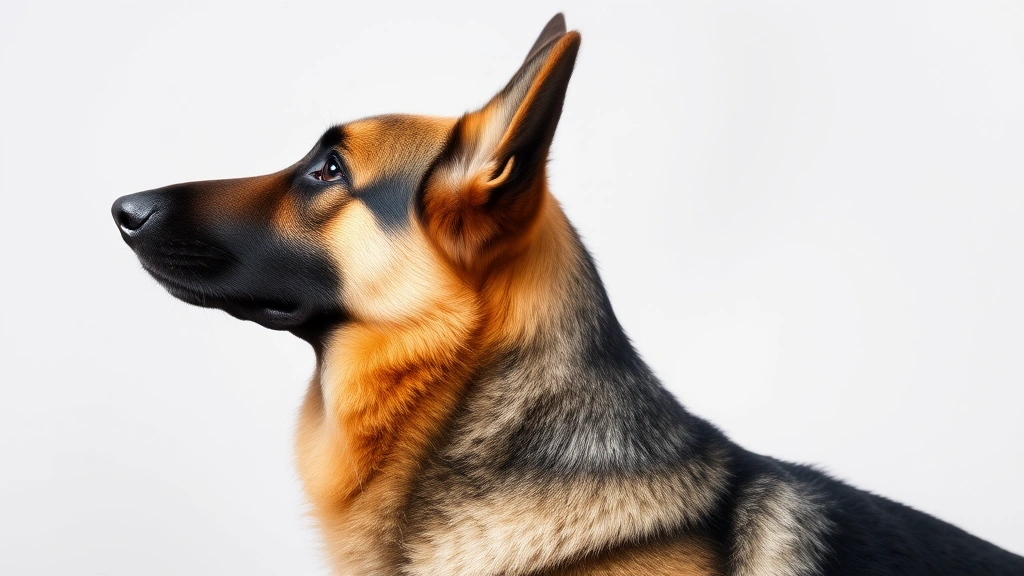
Anxiety, Stress, and Fear Signals
When your dog is genuinely anxious or afraid, their ears typically aren’t the only signal you’ll notice. Look for ears pinned back combined with a lowered body posture, tucked tail, and possibly trembling or panting. If your dog is shaking, this often accompanies the pinned-back ears and suggests they’re experiencing genuine distress.
Fearful dogs often display what’s called “whale eye,” where you can see the whites of their eyes. Their mouth might be closed tightly or pulled back at the corners. Some dogs will also try to make themselves smaller by crouching or hiding. When all these signals appear together with pinned-back ears, your dog is definitely communicating that they’re uncomfortable and need reassurance or space.
Anxiety in dogs can stem from many sources: loud noises like fireworks or thunderstorms, unfamiliar environments, separation from their owners, or negative past experiences. The American Kennel Club emphasizes that recognizing these stress signals early can help you prevent escalation to more serious behavioral issues. If your dog regularly shows signs of anxiety, consulting with a professional trainer or veterinary behaviorist is recommended.
It’s worth noting that some dogs are naturally more anxious than others, just like people. Breed temperament, early socialization, and individual personality all play roles in how prone your dog is to anxiety. If you notice your dog frequently displays anxiety signals, understanding these patterns helps you create a calmer environment and provide appropriate support.
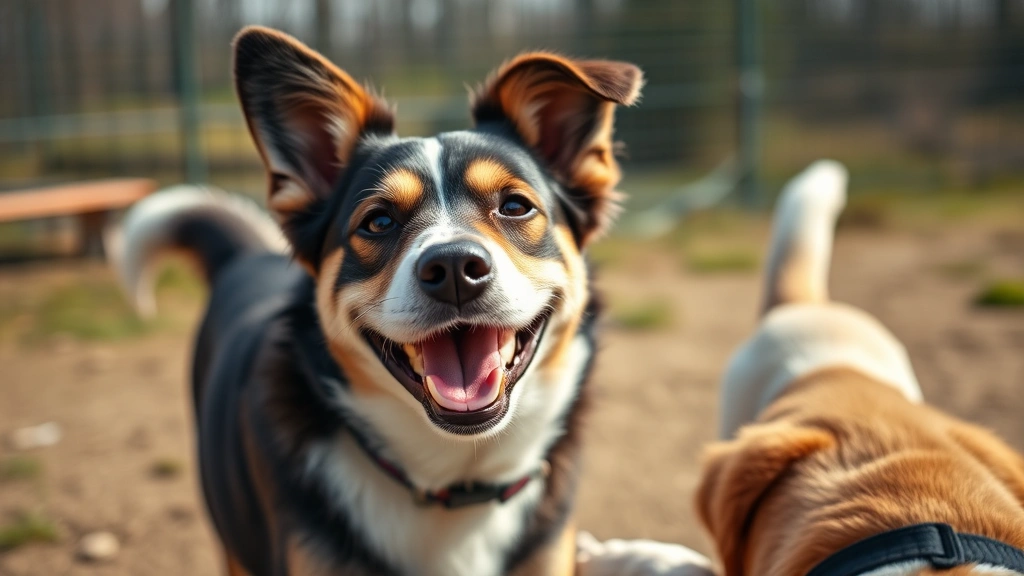
Positive Emotions and Contentment
Here’s where things get wonderfully confusing for new dog owners: ears back doesn’t always mean something’s wrong! Dogs experiencing positive emotions also pin their ears back, though usually in a more relaxed, moderate way rather than the extreme tightness seen in fear.
When your dog is happy to see you, they might display soft, slightly back ears combined with a wagging tail, relaxed mouth, and forward-leaning body posture. This is often called a “submissive grin” or “play bow” context, where your dog is expressing affection and respect. Many dogs also show this when they’re receiving praise or about to get a treat they’re excited about.
Dogs that enjoy belly rubs often have moderately back ears during these sessions, indicating contentment and trust. In this context, the ear position combined with a relaxed body, possibly closed eyes, and soft facial features all indicate your dog is in a happy, comfortable state. Some dogs will even have their ears back while sleeping peacefully on your lap.
The key difference between fear-based pinned ears and contentment-based pinned ears is the overall body tension. A fearful dog is rigid and tight throughout their body, while a content dog is loose and relaxed. A happy dog’s entire demeanor says, “I trust you and I’m comfortable,” whereas an anxious dog’s says, “I’m not sure about this situation.”
Why Context Matters in Reading Signals
Imagine your dog’s body language as a sentence. The ears are just one word in that sentence, and you need the whole sentence to understand the full meaning. A dog with ears back while playing fetch is expressing something entirely different from a dog with ears back while hiding under the bed during a thunderstorm.
Environmental context is equally important. Is your dog at the vet’s office? They’re likely anxious, and pinned-back ears make sense. Are they at the dog park playing with friends? Those back ears probably indicate focused excitement and engagement. Is it dinnertime and you just opened the food container? Those ears might be back due to anticipation and concentration on the task ahead.
The relationship between the dog and whatever they’re reacting to also matters significantly. A dog with ears back around an unfamiliar aggressive dog is showing caution or fear. A dog with ears back around their trusted owner or best friend might be showing affection. The same ear position carries completely different meanings depending on the context and the other body language signals present.
Professional dog trainers and veterinarians spend years learning to read these nuances because they’re genuinely complex. If you’re ever unsure about what your dog is communicating, it’s worth consulting with someone trained in canine behavior. They can help you understand your specific dog’s unique way of expressing themselves.
Breed Differences in Ear Expression
Not all dogs can express themselves through ear position equally, and this is an important consideration often overlooked by people learning dog body language. Breeds with floppy ears—like Basset Hounds, Cocker Spaniels, and Beagles—have limited ability to move their ears expressively since those ears hang down naturally.
Dogs with erect, pointed ears like German Shepherds, Siberian Huskies, and Corgis have maximum expressiveness. Their ears can rotate, perk up, or pin back with dramatic flair. These breeds can communicate through ear position more clearly than any other breed group.
Mixed breeds fall somewhere in between, depending on their parentage. A dog with one floppy-eared parent and one erect-eared parent might have moderate ear mobility. Understanding your own dog’s ear structure helps you interpret their signals more accurately. Don’t expect a Cocker Spaniel’s ears to convey the same precise messages as a German Shepherd’s—they’re simply not physically capable of the same range of motion.
Additionally, some dogs have had their ears cropped (surgically altered for breed standards), which changes their natural ear expression. These dogs can still communicate through ear position, but the range is different from their natural-eared counterparts. This is yet another reason why understanding your individual dog’s unique physical characteristics is so important.
When Ear Position Indicates Health Concerns
While most pinned-back ears are related to emotional states, sometimes ear position can indicate physical health issues. If your dog suddenly starts holding their ears back when they previously held them normally, or if this is accompanied by other symptoms, a veterinary visit might be warranted.
Ear infections, for example, can cause dogs discomfort that makes them reluctant to move their ears normally. Injuries to the ear, mites, allergies, or other dermatological conditions might all affect how your dog positions their ears. Some dogs also hold their ears back when experiencing pain elsewhere in their body—it’s part of their overall stress response to discomfort.
If your dog is displaying persistently pinned-back ears along with other symptoms like head shaking, scratching, discharge, odor, or behavioral changes, an examination by your veterinarian is important. The ASPCA provides resources on common dog health problems that can affect behavior and physical comfort.
Additionally, if your dog seems to be experiencing serious health issues, changes in ear position might be one of many symptoms worth discussing with your vet. Senior dogs or dogs with neurological conditions might hold their ears differently than they used to, and these changes should be noted during veterinary visits.
The American Kennel Club provides breed-specific health information that can help you understand what health issues are common in your dog’s breed, which might affect ear position or other body language signals.
Pay attention to patterns in your dog’s ear position. If the change is sudden and accompanied by other symptoms, contact your vet. If it’s consistent and part of your dog’s normal emotional expression, you’ve simply learned another aspect of their unique personality and communication style.
Learning to read your dog’s body language, including ear position, is one of the greatest gifts you can give yourself as a dog owner. When you understand what your pup is trying to communicate, you can respond more effectively, provide better support during stressful times, and deepen your bond. Your dog is constantly trying to tell you things—their ears are just one part of their vocabulary. By paying attention to the complete picture of their body language, you’ll become fluent in dog speak and enjoy an even richer relationship with your furry companion.
Frequently Asked Questions
What does it mean when a dog’s ears are back and tail is wagging?
When your dog has ears back AND a wagging tail, they’re likely expressing happy submission or affectionate greeting. This combination usually indicates contentment and trust rather than fear. Look at their overall body posture—if they’re loose and relaxed, they’re probably just being friendly and deferential. However, if their body is tense, they might be anxious despite the tail wag. Some dogs wag their tails when nervous, so you need to read the whole picture.
Are pinned-back ears always a sign of fear?
No, absolutely not! While pinned-back ears can indicate fear or anxiety, they can also indicate contentment, happiness, submission, or focused concentration. A dog playing intensely might pin their ears back. A dog receiving praise might pin their ears back. The key is looking at all the other body language signals to determine what emotion your dog is actually experiencing.
How can I tell if my dog is anxious versus just relaxed?
An anxious dog will show tension throughout their body: stiff posture, possibly trembling, dilated pupils, and tight facial muscles. Their overall demeanor will communicate worry. A relaxed dog with back ears will be loose and soft, possibly with eyes half-closed, an open mouth, and a generally calm presence. The difference is pretty clear once you know what to look for.
Do all dog breeds show emotions through ear position the same way?
No—breeds with floppy ears have much more limited ear mobility than breeds with erect ears. A Basset Hound’s ears naturally hang down, so they can’t communicate as much through ear position as a German Shepherd can. Understanding your specific dog’s ear structure helps you interpret their signals accurately.
Should I be concerned if my dog’s ears are always back?
If your dog’s ears are consistently pinned back and this seems unusual for them, it’s worth investigating. Check if they’re experiencing anxiety, pain, or a health issue. However, if this is just how your dog naturally carries their ears and they seem happy and healthy otherwise, there’s no cause for concern. Every dog has their own baseline body language.
Can ear position help me understand what my dog wants?
Absolutely! Combined with other body language signals, ear position can tell you if your dog wants to play, needs comfort, wants food, or wants to go outside. A dog with perked-up ears and forward-leaning posture probably wants to engage in something. A dog with back ears and a tucked tail probably needs reassurance or space. Over time, you’ll learn your individual dog’s specific communication patterns.
What should I do if my dog’s ears are pinned back during stressful situations?
First, assess whether they’re truly afraid or just cautious. If they’re genuinely anxious, provide a safe space, use a calm voice, and avoid forcing them into the situation. Never punish fear-based behaviors—this only increases anxiety. If your dog frequently experiences anxiety, consider working with a professional trainer or veterinary behaviorist. Understanding why your dog feels afraid is the first step to helping them feel more confident. Many dogs benefit from desensitization and counterconditioning techniques.
Is there a difference between ears back and ears pinned back?
Yes, there can be a subtle difference. “Ears back” might refer to a moderate position where the ears are angled backward but not tightly pressed against the head. “Pinned back” usually means the ears are pulled tightly against the head, often indicating a stronger emotional response. However, these terms are often used interchangeably, so context matters more than the specific terminology.





