
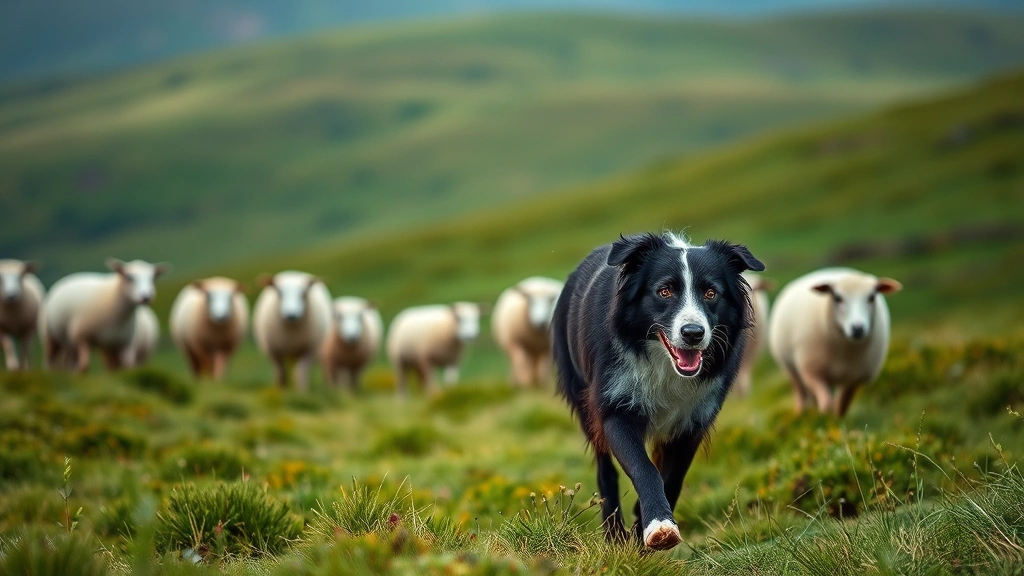
So you want to know what dog breed is the smartest? Well, buckle up, because we’re about to dive into the canine genius club, and spoiler alert: some of these pups make us humans look like we’re still figuring out how to use a can opener.
Table of Contents
- The Border Collie: The Einstein of the Dog World
- Poodles: The Underrated Brainiacs
- German Shepherds: The Versatile Intellects
- Golden Retrievers: The Brilliant Helpers
- Doberman Pinschers: The Fearless Thinkers
- Shetland Sheepdogs: The Eager Learners
- Labrador Retrievers: The Adaptable Geniuses
- Papillons: The Tiny Titans of Intelligence
- Rottweilers: The Misunderstood Intellectuals
- Australian Cattle Dogs: The Tireless Problem-Solvers
- Bernese Mountain Dogs: The Thoughtful Giants
- How Intelligence Is Measured in Dogs
- Training Your Smart Dog: Tips and Tricks
- The Reality of Owning a Super-Smart Dog
- Intelligence vs. Trainability: Understanding the Difference
- Beyond the Top 10: Other Smart Breeds
- Frequently Asked Questions
- Conclusion: Finding Your Perfect Smart Companion
Intelligence in dogs isn’t just about learning tricks or remembering where you hid the treats (though that’s definitely part of it). We’re talking about problem-solving abilities, adaptability, instinctive intelligence, and how quickly they can learn new commands. According to the American Kennel Club, dog intelligence breaks down into three categories: instinctive intelligence, adaptive intelligence, and working/obedience intelligence. Let’s explore which breeds dominate the brainpower rankings.
The Border Collie: The Einstein of the Dog World
If there’s a gold medal for canine intelligence, the Border Collie is wearing it around its neck. These herding dogs were originally bred to manage sheep across the Scottish-English border, and their problem-solving abilities are absolutely wild. Border Collies can learn new commands in fewer than five repetitions and obey them 95% of the time. That’s basically genius-level stuff right there.
What makes Border Collies so incredibly smart? Their herding background demands constant decision-making. They need to read sheep behavior, adjust their movements, and think strategically—all without a human telling them exactly what to do. This instinctive intelligence translates into everyday life, where they can figure out how to open gates, solve puzzles, and even understand hundreds of toy names.
Poodles: The Underrated Brainiacs
Don’t let the fancy haircut fool you. Poodles—whether Standard, Miniature, or Toy—are absolute intellectual powerhouses. They were originally bred as water retrievers in Germany, which required serious smarts and adaptability. Poodles consistently rank in the top three smartest dog breeds, and for good reason.
These curly-coated companions excel at obedience training, agility competitions, and problem-solving tasks. They’re eager to please, quick learners, and they genuinely seem to enjoy mental stimulation. If you’ve ever seen a Poodle in action at a dog show, you know they’re not just pretty—they’re legitimately brilliant.
German Shepherds: The Versatile Intellects
German Shepherds are the Swiss Army knife of the dog world. Their intelligence is so well-recognized that they dominate roles as police dogs, military working dogs, and service animals. These large, athletic dogs combine instinctive intelligence with exceptional adaptive and working intelligence.
What sets German Shepherds apart is their versatility. They can learn complex tasks, work independently, and adapt to new situations with remarkable ease. Their loyalty and desire to work with humans amplifies their effectiveness in demanding roles. Understanding if your German Shepherd is happy also requires recognizing that these dogs need mental stimulation as much as physical exercise.
Golden Retrievers: The Brilliant Helpers
Golden Retrievers might seem like they’re just here for cuddles and beach days, but don’t underestimate their brainpower. These friendly giants rank fourth in canine intelligence and are widely used as service dogs, therapy dogs, and search-and-rescue animals—roles that demand serious cognitive ability.
Golden Retrievers possess exceptional emotional intelligence alongside their problem-solving skills. They can read human emotions, respond appropriately to different situations, and learn complex tasks with impressive speed. Their eagerness to please combined with their intelligence makes them incredibly trainable.
Doberman Pinschers: The Fearless Thinkers
Dobermans are often misunderstood as aggressive guard dogs, but their intelligence is genuinely impressive. These sleek, muscular dogs were bred as personal protection animals, which requires quick thinking, decision-making ability, and the capacity to assess threats accurately.
Dobermans rank fifth in canine intelligence and are known for their loyalty, trainability, and ability to learn commands rapidly. They’re sensitive to their owners’ emotions and can adjust their behavior accordingly. Their protective nature isn’t just instinct—it’s intelligent decision-making based on their assessment of situations.
Shetland Sheepdogs: The Eager Learners
Don’t let their smaller size fool you. Shetland Sheepdogs are herding dogs with brains that punch way above their weight class. These intelligent little dogs were bred to herd sheep across the Scottish Shetland Islands, requiring quick thinking and independent decision-making.
Shelties excel at obedience training, agility courses, and problem-solving tasks. They’re responsive, eager to please, and possess remarkable adaptive intelligence. Many Shelties can learn new commands in just a few repetitions, making them a dream for training-focused owners.
Labrador Retrievers: The Adaptable Geniuses
Labs consistently rank among the most popular dog breeds, and their intelligence is a huge part of why. These water retrievers were bred to think independently while hunting, requiring them to make decisions about where to find game and how to retrieve it safely.
Labrador Retrievers possess excellent adaptive intelligence and are widely used as service dogs, guide dogs, and search-and-rescue animals. Their willingness to learn, combined with their problem-solving abilities, makes them incredibly versatile. Keeping Labs healthy with proper supplementation is important because these active dogs need support for their demanding work.
Papillons: The Tiny Titans of Intelligence
The Papillon might be small, but their brain-to-body ratio is exceptional. These toy spaniels consistently rank in the top five smartest dog breeds and dominate obedience and agility competitions despite their diminutive size.
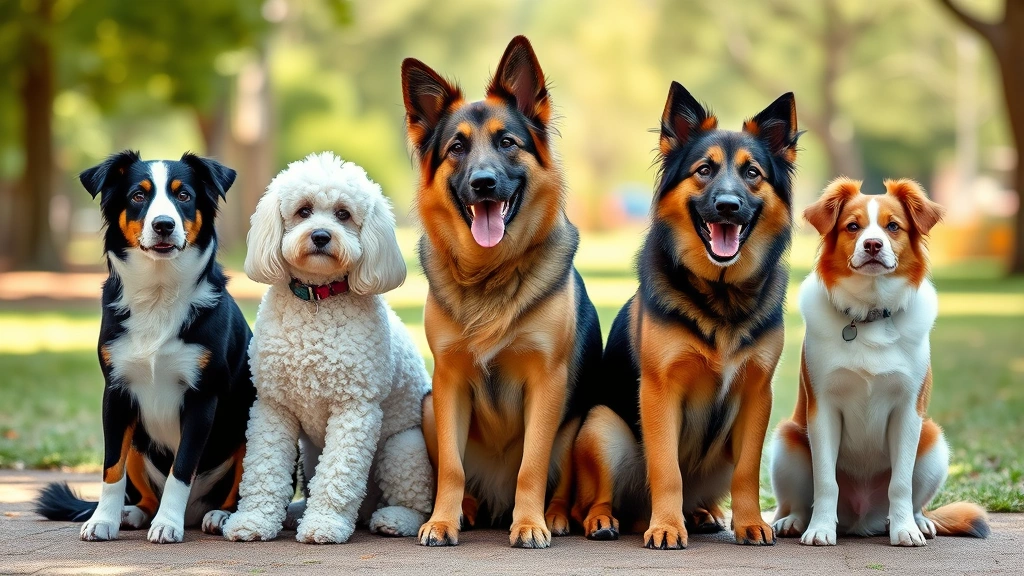
Papillons are incredibly trainable, eager to learn, and possess remarkable problem-solving abilities. Their intelligence combined with their athleticism makes them exceptional competitors in dog sports. Don’t underestimate a dog just because they could fit in your lap.
Rottweilers: The Misunderstood Intellectuals
Rottweilers have a reputation problem, but their intelligence is genuinely impressive. These powerful dogs were originally bred as herding and protection animals, requiring quick thinking and independent decision-making ability.
Rottweilers rank eighth in canine intelligence and are capable of learning complex commands and tasks. Their loyalty, combined with their intelligence, makes them excellent working dogs when properly trained and socialized. Their protective nature is rooted in intelligent assessment of situations, not just instinct.
Australian Cattle Dogs: The Tireless Problem-Solvers
Australian Cattle Dogs are herding dogs with brains as tough as their bodies. These compact, muscular dogs were bred to herd cattle across Australian terrain, requiring constant problem-solving and adaptive thinking.
ACDs possess exceptional instinctive and adaptive intelligence. They’re independent thinkers, quick learners, and excel at working without constant human direction. Their energy and intelligence make them ideal for owners who can provide mental stimulation and challenging tasks.
Bernese Mountain Dogs: The Thoughtful Giants
Bernese Mountain Dogs might not top the intelligence rankings, but they’re far smarter than their laid-back demeanor suggests. These Swiss working dogs were bred to pull carts and herd cattle, requiring strength, reliability, and solid decision-making ability. Mini Bernese Mountain Dogs maintain these intelligent traits in a smaller package, though they require the same mental engagement as their larger cousins.
Bernese Mountain Dogs possess good obedience intelligence and are eager to please their owners. They’re sensitive to their family’s emotions and can adjust their behavior accordingly. While they might not be as flashy as Border Collies, their steady intelligence and reliability make them excellent family companions.
How Intelligence Is Measured in Dogs
Understanding canine intelligence requires knowing how it’s actually measured. The most famous dog intelligence study comes from Stanley Coren, a psychology professor who researched how quickly dogs learn commands and how well they obey them.
Coren’s research identified three types of dog intelligence: instinctive intelligence (what dogs were bred to do), adaptive intelligence (their ability to solve problems), and working/obedience intelligence (how quickly they learn from humans). Different breeds excel in different areas. A Border Collie’s herding instincts represent instinctive intelligence, while their ability to understand complex commands shows working intelligence.
It’s important to note that intelligence testing in dogs isn’t perfect. Some dogs are independent thinkers who choose not to follow commands—that doesn’t mean they’re not smart. It might just mean they’re thinking for themselves.
Training Your Smart Dog: Tips and Tricks
If you’ve got one of these brainy breeds, you need to keep them mentally stimulated. Bored intelligent dogs become destructive intelligent dogs. Here are some strategies:
Puzzle toys and games: Invest in toys that make your dog work for treats. These keep their brains engaged and provide entertainment for hours.
Training sessions: Regular training isn’t just about obedience—it’s mental exercise. Teach new commands, tricks, and behaviors to keep their mind sharp.
Scent work: Hide treats around your house or yard and let your dog use their nose to find them. This taps into their natural hunting and problem-solving abilities.
Agility and sports: Consider enrolling your dog in agility classes, dock diving, or other dog sports. These provide both mental and physical stimulation.
Rotate toys: Keep things fresh by rotating which toys are available. A toy they haven’t seen in a week becomes exciting again.

The Reality of Owning a Super-Smart Dog
Here’s the thing nobody tells you: owning a super-intelligent dog is amazing but also exhausting. These dogs need mental stimulation as much as physical exercise. A bored Border Collie will find ways to entertain themselves, and you might not like their ideas.
Smart dogs can also be stubborn. They’re thinking creatures who might decide they have a better idea than you do. Training requires consistency, patience, and acknowledging that sometimes your dog is outsmarting you.
The flip side? Smart dogs are incredible companions. They understand your moods, learn your routines, and form deep bonds with their families. The effort you put into mental stimulation pays dividends in behavior, happiness, and the strength of your relationship.
Intelligence vs. Trainability: Understanding the Difference
Here’s a crucial distinction: intelligence and trainability aren’t always the same thing. A dog can be incredibly smart but not particularly interested in doing what you want. Some breeds have high working intelligence but low obedience intelligence because they were bred to think independently.
For example, Afghan Hounds are intelligent dogs, but they were bred as independent hunters. They might not respond as quickly to obedience training as a Border Collie because their intelligence is oriented toward problem-solving, not following commands.
Understanding your breed’s type of intelligence helps you train more effectively. You’re not trying to force your dog into a mold—you’re working with their natural strengths.
Beyond the Top 10: Other Smart Breeds
While we’ve focused on the top 10, plenty of other breeds are genuinely intelligent. Vizslas, Weimaraners, Cocker Spaniels, and Miniature Schnauzers all possess impressive problem-solving abilities and trainability. Intelligence exists across the breed spectrum—sometimes it just shows up differently.
Frequently Asked Questions
Which dog breed is scientifically proven to be the smartest?
The Border Collie consistently ranks as the smartest dog breed according to research by Stanley Coren and other canine behaviorists. They excel at learning new commands in fewer than five repetitions and obey them with 95% accuracy. However, intelligence varies by type—instinctive, adaptive, and working intelligence—so other breeds excel in different ways.
Can mixed breeds be as smart as purebreds?
Absolutely. Mixed breed dogs can be just as intelligent as purebreds. Sometimes they’re even smarter because they inherit intelligence traits from multiple breeds. A dog’s individual personality and genetics matter as much as their breed classification.
Does a dog’s size affect their intelligence?
Not necessarily. While some research suggests larger dogs have slightly larger brains, size doesn’t determine intelligence. Papillons and Shetland Sheepdogs prove that small dogs can be incredibly smart. Intelligence in dogs is more about breeding purpose and individual personality than physical size.
How can I tell if my dog is intelligent?
Intelligent dogs typically learn commands quickly, solve problems independently, remember routines, and adapt to new situations easily. They might also figure out how to open doors, manipulate toys to get treats, or show creative problem-solving. If your dog seems to be outsmarting you regularly, you’ve probably got a smart one on your hands.
Are smart dogs harder to train?
Smart dogs aren’t necessarily harder to train, but they require different approaches. They get bored with repetitive training and might decide they have better ideas than you do. Training smart dogs works best with variety, positive reinforcement, and acknowledging their independent thinking.
What’s the difference between instinctive and working intelligence?
Instinctive intelligence refers to what a dog was bred to do naturally—herding, retrieving, hunting, etc. Working intelligence is how quickly they learn from humans and obey commands. A dog can be high in instinctive intelligence (great at herding) but lower in working intelligence (slower to learn obedience commands).
Conclusion: Finding Your Perfect Smart Companion
So, what dog breed is the smartest? The answer depends on what type of intelligence matters to you. If you want a dog that learns commands lightning-fast, the Border Collie is your answer. If you want a dog that can work independently and solve problems, German Shepherds and Australian Cattle Dogs excel. If you want a smaller, eager-to-please genius, Papillons and Shetland Sheepdogs deliver.
The real takeaway is that intelligence in dogs comes in many flavors. Whether you’re looking for a working dog, a competition companion, or a family pet, there’s a smart breed that fits your lifestyle. Just remember: owning an intelligent dog means committing to mental stimulation, engaging training, and respecting their ability to think for themselves.
Smart dogs aren’t just easier to live with—they’re more rewarding. They challenge you, keep you on your toes, and form deeper bonds because they genuinely understand what’s happening around them. If you’re ready for that level of companionship, pick your breed, buckle up, and prepare for an amazing adventure with your four-legged genius.





