
If you’re wondering what dog breed sheds the most, buckle up—because some pups treat your furniture like a personal art canvas made entirely of fur. We’re talking tumbleweeds of hair rolling across hardwood floors, mysterious fur layers on your black pants, and enough shed coat to knit a second dog. But before you blame your pup for being a furry tornado, let’s talk about which breeds are the real shedding champions and why they do it.
Table of Contents
- Understanding Canine Shedding: Why Dogs Shed So Much
- German Shepherds: The Shedding Superstars
- Labrador Retrievers: America’s Furry Favorite
- Golden Retrievers: Beautiful But Burdensome
- Alaskan Malamutes: Giants with Giant Shedding
- Siberian Huskies: Those Piercing Eyes Come with Fur Consequences
- Australian Shepherds: Herding Instinct Meets Shedding Intensity
- Chow Chows: Fluffy and Furry Problems
- Newfoundlands: Big Dogs, Bigger Shedding
- Great Pyrenees: Majestic and Messy Shedders
- Akitas and Other Japanese Breeds: Double Coat Shedding
- Kangal Dogs and Other Livestock Guardians: Working Breeds with Working-Level Shedding
- Managing Heavy Shedding: Practical Solutions
- Frequently Asked Questions
- Conclusion: Embracing the Fur Reality
Understanding Canine Shedding: Why Dogs Shed So Much
Dogs shed for several legitimate reasons, and it’s not just because they’re trying to ruin your vacuum cleaner’s lifespan. Shedding is a natural biological process where dogs lose their old coat to make room for new growth. Most dogs shed year-round, but certain breeds go into overdrive during spring and fall when they’re transitioning between seasons. This phenomenon is called “blowing their coat,” and it’s exactly as dramatic as it sounds.
The amount of shedding depends on breed genetics, coat type, health status, diet, and stress levels. Dogs with double coats—those fluffy undercoats beneath the outer guard hairs—tend to shed more than single-coated breeds. If you’re looking to manage shedding through nutrition, quality dog food makes a real difference; check out whether Merrick is a good dog food for coat health.
German Shepherds: The Shedding Superstars
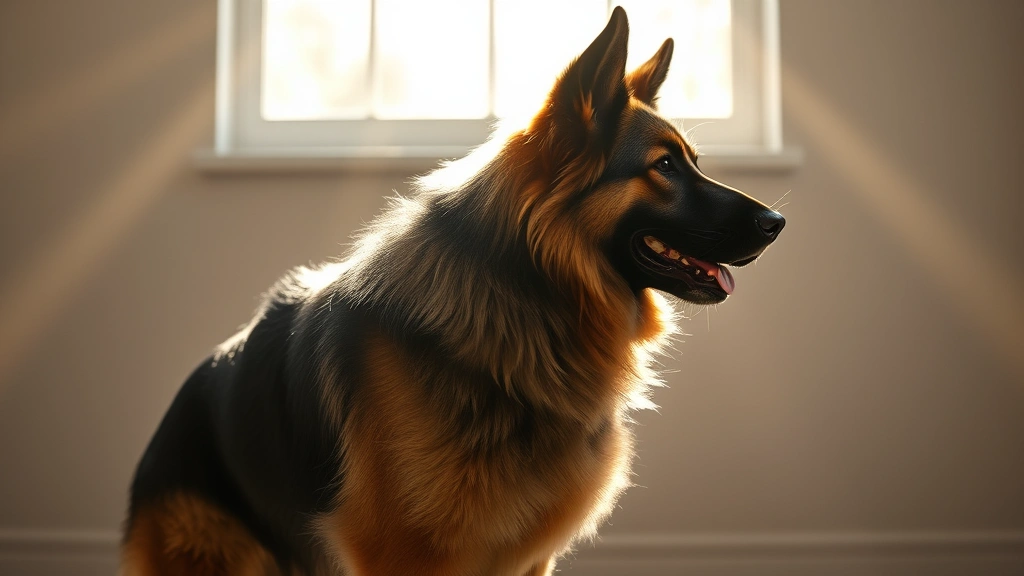
German Shepherds are basically fur-producing machines. These intelligent working dogs sport a dense double coat that sheds continuously, with particularly heavy shedding cycles twice yearly. During peak shedding season, you’ll find fur in places you didn’t know existed—inside your coffee maker, somehow tangled in your toaster, mysteriously embedded in your shower tiles.
German Shepherds shed this much because they were originally bred for herding in variable German climates, requiring a protective double coat. Their outer coat is coarse and straight, while their undercoat is dense and woolly. This combination makes them shedding royalty. A slicker brush and undercoat rake are your best friends if you own one of these beauties.
Labrador Retrievers: America’s Furry Favorite
Don’t let their friendly demeanor fool you—Labrador Retrievers are heavy shedders with a double coat that seems to have unlimited fur reserves. Labs were originally bred to retrieve waterfowl in cold conditions, so their double coat is waterproof and, unfortunately for your floors, incredibly abundant.
Labs shed year-round but reach peak shedding during spring and fall. Many Lab owners joke that they could knit a new dog from the hair they collect weekly. The good news? Labs are relatively easy to groom, and regular brushing can significantly reduce the amount of fur ending up on your furniture.
Golden Retrievers: Beautiful But Burdensome
Golden Retrievers are undeniably gorgeous, but they’re also undeniably shedding machines. Their long, flowing golden coats are stunning to look at—just not when they’re covering every surface in your home. These friendly family dogs have a dense double coat that sheds heavily, especially during seasonal transitions.
Interestingly, Golden Retrievers and Labs were developed for similar purposes (water retrieval in cold climates), which explains why they share comparable shedding patterns. If you’re considering a Golden Retriever, invest in a quality vacuum cleaner and accept that fur removal will become a regular hobby.
Alaskan Malamutes: Giants with Giant Shedding
Alaskan Malamutes are massive, powerful dogs with equally massive shedding capabilities. These Arctic sled dogs have thick double coats designed to insulate them in brutal cold weather, making them absolutely terrible for people who hate vacuuming. During shedding season, a Malamute can shed enough fur daily to stuff a small pillow.
Their undercoat is particularly dense and woolly, and it comes out in substantial chunks. Many Malamute owners describe shedding season as “coat blowing season,” where the dog seems to shed its entire body weight in fur over a few weeks. Professional grooming during these periods can help manage the situation.
Siberian Huskies: Those Piercing Eyes Come with Fur Consequences
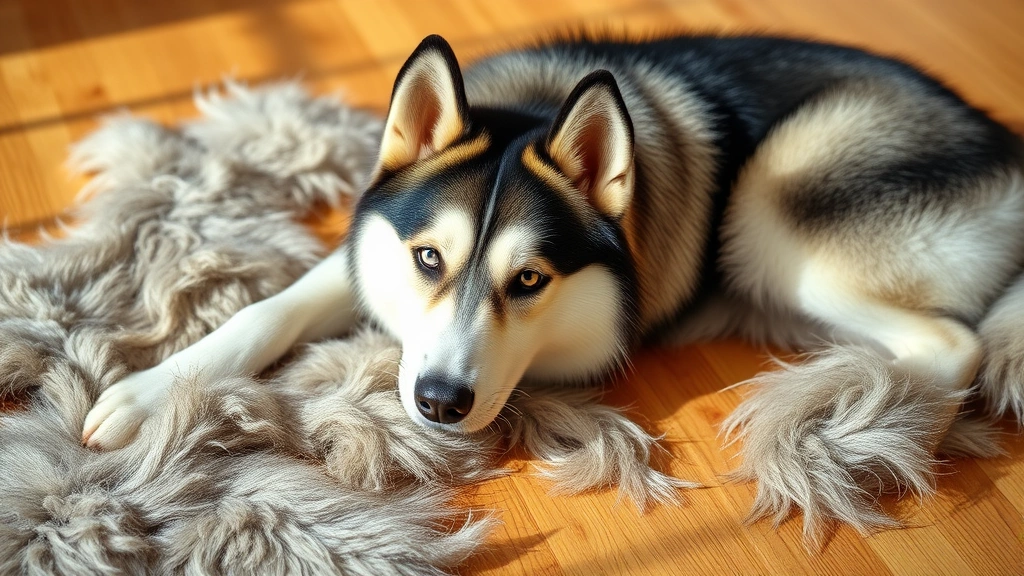
Siberian Huskies are stunning with their striking blue eyes and athletic builds, but they’re also prolific shedders. These energetic dogs have double coats adapted for extreme cold, which means they shed like it’s their job. Huskies shed year-round but experience dramatic shedding cycles twice yearly.
What makes Husky shedding particularly intense is the texture and volume of their undercoat. It’s fine, dense, and seems to multiply when brushed. If you own a Husky, you’ll need to embrace regular grooming sessions and invest in a high-quality vacuum. Some owners describe Husky shedding as “living in a snow globe of fur.”
Australian Shepherds: Herding Instinct Meets Shedding Intensity
Despite their name, Australian Shepherds originated in the American West and were bred to herd livestock across challenging terrain. Their double coats are designed for all-weather work, which means they shed substantially. These intelligent, energetic dogs are prone to heavy shedding, particularly during spring and fall.
Australian Shepherds have medium-length coats that shed continuously, with seasonal peaks that can be quite dramatic. Regular brushing is essential for these active dogs, not just for shedding management but also for their overall health and skin condition.
Chow Chows: Fluffy and Furry Problems
Chow Chows look like teddy bears, but they’re serious shedders wrapped in an adorable package. These independent dogs have thick, fluffy double coats that shed heavily, especially during seasonal transitions. Their unique blue-black tongues are cute; their shedding habits are less endearing.
Chow Chows require regular grooming to manage their shedding and prevent matting. Their thick coat can hide skin issues, so regular brushing helps you spot problems early. During peak shedding season, daily brushing is recommended to prevent fur from accumulating excessively.
Newfoundlands: Big Dogs, Bigger Shedding
Newfoundlands are gentle giants with massive double coats and massive shedding capabilities. These water-loving dogs were originally bred to assist fishermen in cold Atlantic waters, requiring a thick, waterproof double coat. Unfortunately for their owners, this coat sheds considerably.
Newfoundlands shed year-round with particularly heavy shedding during seasonal changes. Their dense undercoat requires regular maintenance with proper grooming tools. Many Newfoundland owners invest in professional grooming services to manage the shedding effectively.
Great Pyrenees: Majestic and Messy Shedders
Great Pyrenees are stunning white dogs bred to guard livestock in the Pyrenees Mountains. Their thick double coats are beautiful but shed heavily, creating what some owners describe as “a blizzard of white fur.” These large dogs have dense undercoats that shed consistently throughout the year.
If you’re considering a Great Pyrenees and wondering about related breeds, check out our guide on LGD dogs for more information on livestock guardian breeds with similar shedding patterns.
Akitas and Other Japanese Breeds: Double Coat Shedding
Akitas are powerful, dignified dogs with impressive double coats and equally impressive shedding. These Japanese breeds were developed to work in cold, mountainous regions, requiring thick protective coats. The result? Substantial, consistent shedding year-round.
Akitas have particularly dense undercoats that shed in significant quantities during seasonal transitions. Their shedding is often described as “extreme,” and owners quickly learn that regular grooming is non-negotiable. Using proper salmon and quality nutrition for dogs can help maintain coat health during heavy shedding periods.
Kangal Dogs and Other Livestock Guardians: Working Breeds with Working-Level Shedding
Kangal Dogs, another impressive livestock guardian breed, are known for their loyalty, strength, and substantial shedding. These Turkish working dogs have double coats adapted for harsh outdoor conditions. If you’re interested in these remarkable animals, explore our detailed guide on Kangal dogs for sale.
Similar working breeds like the Mountain Cur dog also shed considerably due to their working heritage and double coats. These breeds were developed for function over fashion, meaning their coats prioritize protection and durability rather than low-shedding convenience.
Managing Heavy Shedding: Practical Solutions
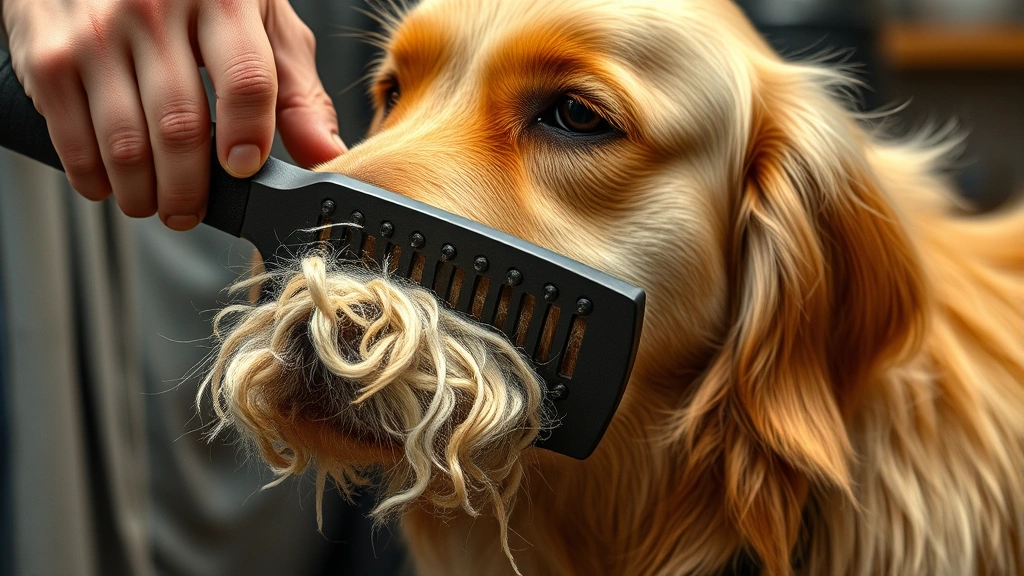
If you own one of these heavy-shedding breeds, don’t despair. Several strategies can help manage the fur explosion. Regular brushing is the most effective approach—daily during peak shedding season and several times weekly during normal periods. Invest in quality grooming tools like slicker brushes, undercoat rakes, and deshedding tools specifically designed for double-coated breeds.
Professional grooming every 6-8 weeks can significantly reduce shedding. Groomers have specialized tools and expertise to remove undercoat effectively without damaging the outer coat. Regular bathing with quality dog shampoo can also help loosen dead hair before it ends up on your furniture.
Diet plays a crucial role in coat health. Dogs with proper nutrition, including omega-3 and omega-6 fatty acids, tend to have healthier coats that shed more predictably. Regular veterinary check-ups ensure your dog isn’t shedding excessively due to allergies, parasites, or other health issues.
Frequently Asked Questions
What dog breed sheds the least?
Breeds like Poodles, Bichon Frises, Portuguese Water Dogs, and some terrier breeds shed minimally because they have hair rather than fur, or single coats without dense undercoats. These breeds still require regular grooming but won’t leave your home covered in fur.
Can you reduce shedding in heavy-shedding breeds?
While you can’t stop shedding entirely (it’s natural and healthy), regular grooming, proper nutrition, and professional deshedding treatments can significantly reduce the amount of loose fur in your home. Daily brushing during peak shedding season makes a dramatic difference.
Is excessive shedding a sign of health problems?
Sudden, excessive shedding beyond normal seasonal patterns can indicate allergies, parasites, skin conditions, stress, or nutritional deficiencies. If your dog is shedding abnormally, consult your veterinarian to rule out underlying health issues.
What’s the best tool for managing heavy shedding?
Undercoat rakes and deshedding tools like the FURminator are highly effective for double-coated breeds. For daily maintenance, slicker brushes work well. Professional grooming tools and techniques provide the most dramatic results.
Do male and female dogs shed differently?
Intact females may shed more heavily during heat cycles due to hormonal changes. Spayed females and males typically have similar shedding patterns, though individual variation exists within breeds.
Conclusion: Embracing the Fur Reality
So, what dog breed sheds the most? The answer is that many beloved breeds shed substantially—German Shepherds, Labs, Golden Retrievers, Huskies, Malamutes, and other double-coated dogs are all shedding champions. These breeds were developed for working in harsh conditions, and their thick double coats are a testament to their heritage.
If you’re considering one of these breeds, understand that shedding is part of the package. However, with proper grooming, nutrition, and management strategies, you can minimize the fur takeover. The joy and loyalty these breeds provide far outweigh the vacuum cleaner’s increased workload. Just keep a lint roller handy and embrace the fur-covered lifestyle—it’s the price of loving a truly great dog.





