
Low-Shedding Dog Breeds: Which Are Best for You?
If you’re tired of finding dog hair on your furniture, clothes, and pretty much every surface in your home, you’re not alone. Shedding is one of the biggest challenges pet owners face, but here’s the good news: some dog breeds shed significantly less than others. Whether you’re an allergy sufferer, a cleanliness enthusiast, or simply someone who values a hair-free home, choosing a low-shedding breed could be a game-changer for your lifestyle.
The truth is, no dog breed is completely hypoallergenic or entirely shed-free. However, certain breeds have been specifically bred to minimize shedding, making them ideal companions for people who want to keep their homes cleaner and reduce allergen exposure. In this comprehensive guide, we’ll explore the best low-shedding dog breeds, explain why some dogs shed less than others, and help you determine which breed might be the perfect fit for your household.
Whether you’re looking for a small lap dog or a larger companion, there’s likely a low-shedding breed that matches your lifestyle and preferences. Let’s dive into the world of low-shedding pups and discover your next furry best friend.
Understanding Dog Shedding
Before we explore which dog breeds shed the least, it’s important to understand why dogs shed in the first place. Shedding is a natural biological process that helps dogs remove old, damaged, or excess hair. Most dogs shed year-round to some degree, with increased shedding during seasonal changes when they’re transitioning between their winter and summer coats.
The amount a dog sheds depends on several factors, including breed genetics, coat type, health status, diet, and stress levels. Dogs with double coats—fur consisting of both an outer layer and an undercoat—typically shed more heavily than dogs with single coats. Conversely, dogs with hair rather than fur (yes, there’s a difference!) tend to shed much less because their hair grows continuously and doesn’t shed in the same way traditional fur does.
According to the American Kennel Club, understanding your dog’s coat type is essential when predicting shedding levels. Breeds with wiry, curly, or continuously growing hair are generally better options for people seeking to minimize shedding.
Best Low-Shedding Dog Breeds
When searching for what dog breeds shed the least, you’ll find several excellent options across different sizes and temperaments. These breeds have been selectively bred for coat types that produce minimal hair loss, making them ideal for allergy sufferers and neat freaks alike.
Small Low-Shedding Breeds
Small dogs are perfect for apartment dwellers and people with limited space. Fortunately, several tiny breeds are excellent choices if you’re looking to minimize shedding.
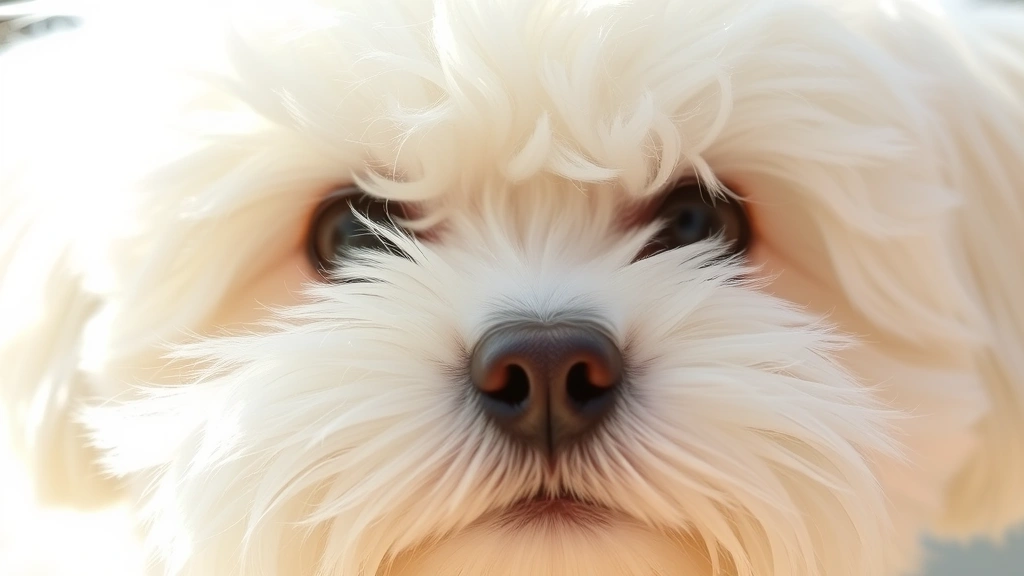
Bichon Frises are beloved for their fluffy white coats and cheerful personalities. These small dogs have hair rather than fur, which grows continuously and doesn’t shed like traditional double-coated breeds. They require regular grooming every 4-6 weeks to maintain their coat and prevent matting.
Maltese dogs are another fantastic small-breed option. With their long, silky white hair, Maltese pups shed minimally and are known for being gentle, affectionate companions. Like Bichon Frises, they need consistent grooming to keep their coats healthy and beautiful.
Shih Tzus feature long, flowing coats that shed very little. These lap dogs are known for their friendly, outgoing nature and adaptability to various living situations. Their hair requires daily brushing and professional grooming every 4-8 weeks.
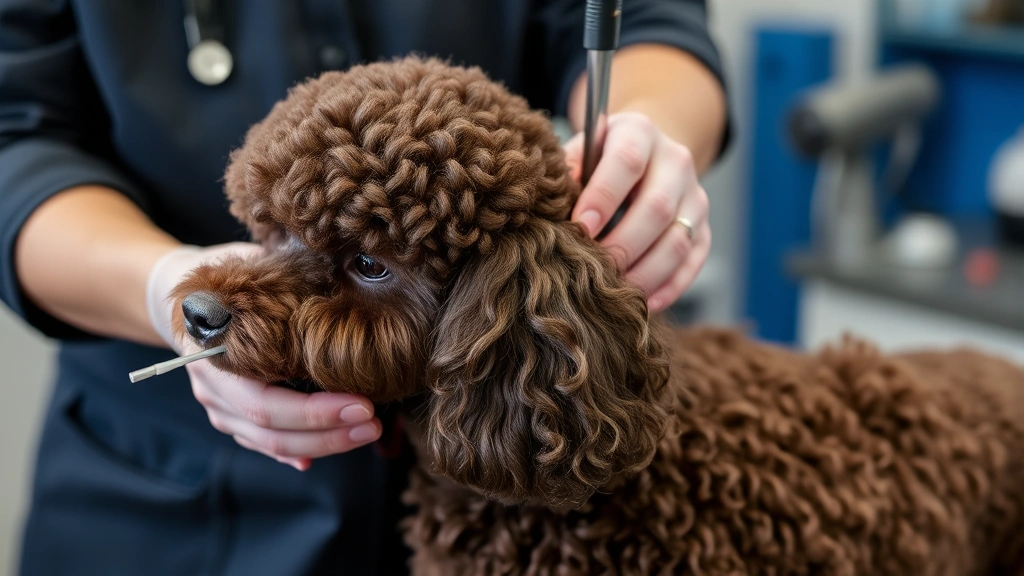
Poodles come in three sizes (Standard, Miniature, and Toy), making them versatile options for different households. Poodles have curly, continuously growing hair that sheds minimally. However, they require regular professional grooming every 3-6 weeks. If you’re curious about poodle shedding specifically, you might want to check out our detailed guide on Pomeranian shedding patterns, as some small breeds have surprising coat characteristics.
Affenpinschers are tiny dogs with wiry coats that shed very little. These spirited little companions have big personalities and adapt well to apartment living. Their coats need brushing 2-3 times weekly and professional grooming every 8-12 weeks.
Yorkshire Terriers have long, silky hair that sheds minimally. These energetic little dogs are perfect for active individuals who don’t mind regular grooming sessions. Daily brushing and professional grooming every 4-6 weeks keeps their coats in top condition.
Medium Low-Shedding Breeds
Medium-sized dogs offer the perfect balance between manageable size and substantial companionship. Several medium breeds are excellent low-shedding choices.
Cocker Spaniels have wavy to curly coats that shed moderately less than many breeds. These friendly, intelligent dogs make wonderful family pets and are known for their eagerness to please. Regular grooming every 6-8 weeks helps manage their shedding.
Schnauzers (Miniature, Standard, and Giant) have wiry, low-shedding coats. These intelligent, spirited dogs are excellent watchdogs and loyal companions. Their distinctive beards and eyebrows give them a charming appearance. Regular grooming every 6-8 weeks maintains their coat’s texture and appearance.
Portuguese Water Dogs feature curly or wavy coats that shed very little. These athletic, intelligent dogs were originally bred to help fishermen and love water activities. They require regular exercise and grooming every 4-6 weeks.
Soft Coated Wheaten Terriers have silky, wheaten-colored coats that shed minimally. These friendly, energetic dogs are known for their enthusiasm and loyalty. Regular grooming every 6-8 weeks keeps their coats healthy and manageable.
If you want to understand more about breed-specific shedding patterns, you might find it helpful to explore whether Weiner dogs shed, as comparing different breeds can help you make informed decisions about low-shedding options.
Large Low-Shedding Breeds
For those who prefer larger companions, several big dogs shed significantly less than you might expect.
Standard Poodles are large, intelligent dogs with curly, continuously growing hair. They’re excellent for active families and make wonderful service dogs. Their size combined with minimal shedding makes them surprisingly practical for many households, despite requiring regular professional grooming.
Irish Water Spaniels have distinctive curly coats that shed very little. These large, athletic dogs are perfect for families who enjoy outdoor activities. Their coats require regular grooming every 6-8 weeks.
Labradoodles and Goldendoodles are designer breeds created by crossing Poodles with Labrador Retrievers or Golden Retrievers. These intelligent, friendly dogs inherit the Poodle’s low-shedding coat. However, coat type can vary, so it’s important to choose puppies from reputable breeders who prioritize low-shedding genetics.
Afghan Hounds have long, silky coats that shed less than their appearance might suggest. These elegant, dignified dogs require extensive grooming but reward their owners with loyal companionship and stunning beauty.
Interestingly, if you’re researching whether Bernese Mountain Dogs shed, you’ll discover they’re actually heavy shedders—a great comparison point when evaluating large breed options for low-shedding preferences.
Grooming and Maintenance Tips
Choosing a low-shedding breed is just the first step. Proper grooming and maintenance are essential for keeping shedding to a minimum and maintaining your dog’s coat health.
Regular Brushing is your first line of defense against shedding. Most low-shedding breeds require daily or several-times-weekly brushing to prevent matting and remove loose hair. Invest in quality brushes and combs designed for your dog’s specific coat type. The ASPCA provides excellent grooming guidance for different coat types.
Professional Grooming is crucial for many low-shedding breeds. Regular visits to a professional groomer every 4-8 weeks (depending on the breed) help maintain coat health and prevent excessive shedding. Professional groomers have specialized tools and expertise to keep your dog’s coat in optimal condition.
Quality Nutrition plays a significant role in coat health and shedding reduction. A diet rich in omega-3 and omega-6 fatty acids promotes healthy skin and reduces excessive shedding. High-quality dog food with adequate protein supports strong, healthy hair growth. Consult your veterinarian about the best nutrition plan for your specific dog.
Bathing should be done regularly but not excessively. Most low-shedding breeds benefit from bathing every 4-6 weeks with a gentle, moisturizing shampoo. Over-bathing can dry out the skin and potentially increase shedding.
Health Maintenance is fundamental. Regular veterinary check-ups, parasite prevention, and addressing any skin conditions promptly help minimize shedding. Stress, allergies, and health issues can all increase shedding, so keeping your dog healthy is essential.
For additional strategies on managing shedding, you can learn about how to stop dog shedding, which offers comprehensive techniques beyond breed selection.
Supplements and Treatments can support coat health. Omega-3 supplements, biotin, and other nutrients designed for coat health may help reduce shedding. Always consult your veterinarian before introducing new supplements to your dog’s diet.
Choosing the Right Breed for Your Lifestyle
While low shedding is important, it shouldn’t be your only consideration when choosing a dog breed. Several lifestyle factors should influence your decision.
Activity Level is crucial. Some low-shedding breeds are highly energetic and require extensive daily exercise, while others are content with moderate activity. Honestly assess your lifestyle and choose a breed that matches your energy level and available time for activities.
Grooming Commitment varies significantly among low-shedding breeds. Some require daily brushing and professional grooming every 3-4 weeks, while others need less frequent maintenance. Consider whether you’re willing to invest time and money into regular grooming or if you prefer a breed with lower grooming demands.
Living Space matters. While low-shedding breeds come in all sizes, smaller breeds typically adapt better to apartments, while larger breeds may need more space. Consider your home’s size and whether you have access to outdoor areas.
Allergies and Sensitivities should be carefully evaluated. While no dog is completely hypoallergenic, low-shedding breeds produce fewer allergens. If you or family members have severe allergies, spend time with the breed you’re considering before committing to adoption.
Family Composition is important. Some low-shedding breeds are excellent with children, while others do better with adults or specific age groups. Consider your family’s composition and choose a breed known for compatibility with your situation.
Training and Socialization Needs vary by breed. Some low-shedding breeds are highly trainable and eager to please, while others have independent streaks requiring experienced handlers. Be honest about your training experience and choose accordingly.
You might also want to consider nutritional aspects of dog ownership. For example, understanding what treats are safe—like whether dogs can have peanut butter—or exploring other options like whether dogs can have coconut—helps you provide optimal care for your low-shedding companion.
Frequently Asked Questions
Are low-shedding dogs completely hypoallergenic?
No dog breed is completely hypoallergenic. However, low-shedding breeds produce fewer allergens because they shed less dander and hair. People with mild to moderate allergies often do better with low-shedding breeds, but those with severe allergies should spend time with the specific breed before adopting. According to veterinary dermatology research, shedding reduction significantly decreases allergen exposure for most people.
How much do low-shedding breeds cost?
Low-shedding breeds vary widely in price. Purebred puppies from reputable breeders typically cost $500-$3,000, depending on the breed and breeder reputation. Designer breeds like Doodles often cost $1,500-$3,500. Adopting from rescue organizations is usually much more affordable, typically ranging from $50-$300. Consider adoption first—many low-shedding dogs end up in rescues and need loving homes.
Do all Poodle mixes shed less?
Not necessarily. While Poodles have low-shedding coats, mixing them with other breeds can produce unpredictable results. Some Doodles inherit the Poodle’s curly, low-shedding coat, while others inherit more shedding tendencies from their other parent breed. When considering Doodle mixes, choose puppies from breeders who specifically select for low-shedding genetics.
What’s the difference between hair and fur?
Hair and fur are technically different. Fur has a growth cycle where it sheds regularly, while hair grows continuously. Dogs with hair (like Poodles and Bichon Frises) don’t shed in the traditional sense; instead, their hair must be groomed and trimmed regularly. This is why many low-shedding breeds require professional grooming.
Can I reduce shedding in heavy-shedding breeds?
While you can’t eliminate shedding in breeds bred to shed, you can significantly reduce it through proper grooming, nutrition, and health maintenance. Regular brushing, high-quality diet, and professional grooming help manage shedding in any breed. However, if minimal shedding is important to you, choosing a naturally low-shedding breed is the most effective solution.
How often should I groom a low-shedding dog?
Grooming frequency depends on the specific breed and coat type. Generally, low-shedding breeds require brushing 2-7 times weekly and professional grooming every 4-8 weeks. Curly-coated breeds need more frequent attention to prevent matting. Consult your groomer or breed club for specific recommendations for your dog.
Are low-shedding breeds more expensive to maintain?
Yes, generally low-shedding breeds cost more to maintain due to professional grooming requirements. Expect to spend $50-$100+ per grooming session every 4-8 weeks, depending on your location and dog’s size. However, many people find the reduced shedding and cleaner home well worth the investment. Factor grooming costs into your budget when choosing a breed.
What health issues are common in low-shedding breeds?
Low-shedding breeds can be prone to skin issues if grooming is neglected, as their coats don’t self-clean like shedding coats do. Regular grooming prevents matting, which can trap moisture and bacteria. Some breeds are predisposed to specific conditions, so research your chosen breed’s health concerns. The Orthopedic Foundation for Animals provides health screening information for various breeds.





