If you’ve ever wondered what dog has the strongest bite, you’re about to get the answer—and it might surprise you. When we talk about bite force, we’re measuring pounds per square inch (PSI), and some dog breeds pack a jaw-clenching punch that would make a grizzly bear think twice. Let’s dig into the science, the myths, and the reality of canine bite force.
Table of Contents
- Understanding Bite Force: PSI Explained
- The Kangal: The Undisputed Champion
- Bandog and Cane Corso: The Heavyweight Contenders
- English Mastiff: Gentle Giant with a Powerful Bite
- Rottweiler: Misunderstood Power
- Pit Bull Breeds: Myth vs. Reality
- German Shepherd: The Versatile Powerhouse
- Boxer: The Surprising Contender
- Akita and Siberian Husky: Arctic Strength
- Dalmatian and Other Surprises
- What About the Maremma Sheepdog?
- Bite Force vs. Bite Incidents: The Real Story
- Factors Beyond PSI
- Responsible Ownership of Strong-Jawed Breeds
- The Myth of the “Lock Jaw”
- Frequently Asked Questions
- Conclusion: Strength Doesn’t Equal Danger
Understanding Bite Force: PSI Explained
Before we rank the champions, let’s talk numbers. Bite force is measured in PSI (pounds per square inch), which tells us how much pressure a dog’s jaws can exert. A human bite? Around 120-160 PSI. Now imagine a dog with 700+ PSI—that’s a different ballgame entirely. The strongest bites come from larger breeds with more muscular jaws, but size isn’t everything. Jaw structure, head shape, and muscle density all play roles in determining bite force.
The Kangal: The Undisputed Champion
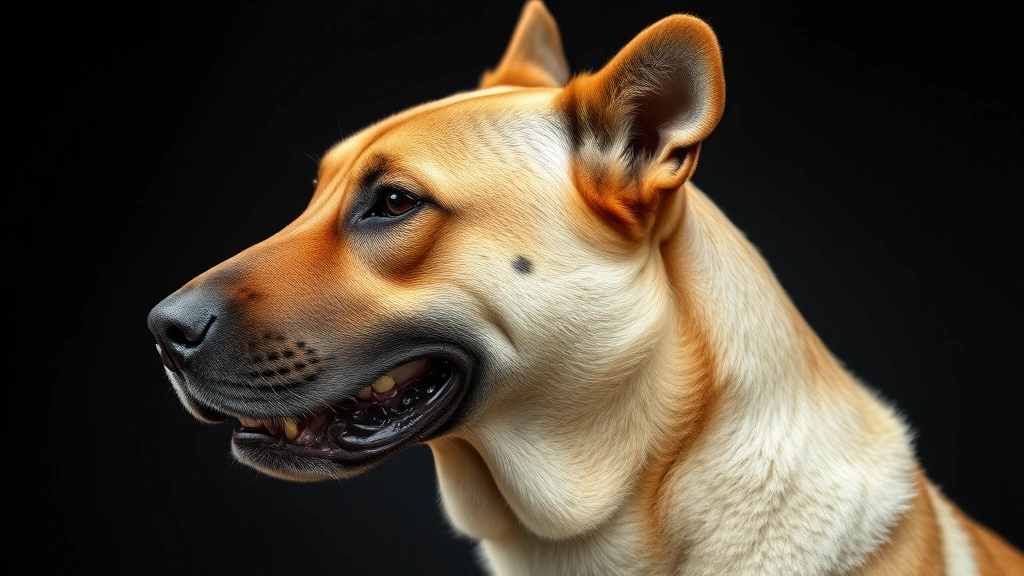
Hold onto your hats—the Kangal dog from Turkey tops the charts with a bite force of approximately 743 PSI. Yes, you read that right. These massive livestock guardian dogs were bred to protect sheep from wolves and bears, so their bite needed to be seriously impressive. Kangals are loyal, intelligent, and surprisingly gentle with their families, but they’re built like four-legged tanks. If you’re looking for the answer to “what dog has the strongest bite,” the Kangal is your champion.

Bandog and Cane Corso: The Heavyweight Contenders
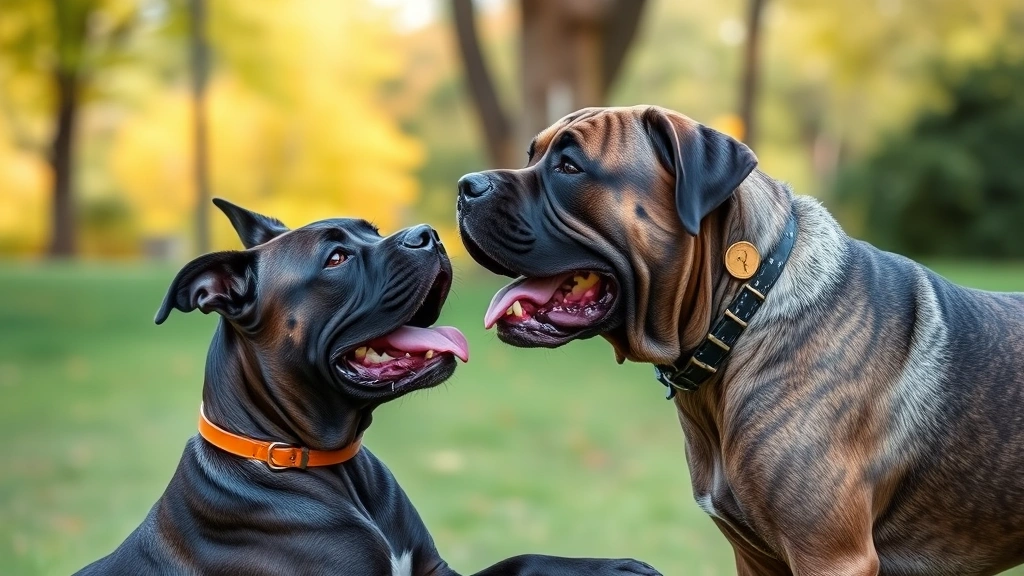
Coming in hot at around 730 PSI is the Bandog, a deliberately bred mix designed for maximum bite force and protection. These aren’t your average pups—they’re serious working dogs. The Cane Corso, an Italian mastiff, isn’t far behind with bite forces reaching 700 PSI. These muscular giants were originally used in Roman warfare and hunting, and their powerful jaws reflect that heritage. Both breeds require experienced owners who understand their strength and can provide proper training and socialization.
English Mastiff: Gentle Giant with a Powerful Bite
Don’t let the “gentle giant” reputation fool you. The English Mastiff can deliver a bite force of around 556 PSI. These lovable couch potatoes are surprisingly powerful, and their massive heads house jaws that can lock down with serious force. They’re generally sweet-natured family dogs, but their bite is definitely something to respect. Training and socialization are crucial for any mastiff breed.

Rottweiler: Misunderstood Power
Rottweilers often get a bad rap, but they’re actually loyal, confident dogs with a bite force around 328 PSI. While that’s lower than some of the heavyweight champions we’ve mentioned, it’s still significantly stronger than most dog breeds. Rottweilers were originally used as herding and cart-pulling dogs, and their strength made them perfect for the job. Proper training and socialization can make them wonderful family companions.
Pit Bull Breeds: Myth vs. Reality
Here’s where we need to talk facts. Pit Bulls—including American Pit Bull Terriers and similar breeds—have a bite force around 235 PSI. That’s actually lower than several other breeds on this list, yet they’ve become synonymous with dangerous dogs. The reality? Any dog can be dangerous if trained poorly or treated badly. Pit Bulls are athletic, strong, and determined, but they’re not the bite force champions. Much of their reputation comes from irresponsible ownership and media sensationalism rather than actual jaw strength. The Louisiana Catahoula Leopard Dog and other working breeds often have comparable or stronger bites.

German Shepherd: The Versatile Powerhouse
German Shepherds pack a bite force around 238 PSI, making them formidable but not the strongest. However, their intelligence, trainability, and versatility make them one of the most popular working dogs worldwide. They’re used in police work, military operations, and search-and-rescue because of their smarts and drive—not just their bite force. The Mountain Cur Dog demonstrates that working ability extends beyond just raw bite power.
Boxer: The Surprising Contender
Boxers might look like clowns, but they’ve got a bite force around 230 PSI. These muscular, athletic dogs were originally bred for bull-baiting and hunting, which explains their powerful jaws. Today, they’re beloved family pets known for their playful, energetic personalities. Don’t underestimate these goofballs—they’re stronger than they appear.
Akita and Siberian Husky: Arctic Strength
Akitas deliver around 400 PSI of bite force, while Siberian Huskies come in around 238 PSI. The Akita’s stronger bite reflects its heritage as a Japanese hunting and guarding dog, while Huskies were bred for endurance in harsh climates rather than raw bite power. Both breeds are beautiful, intelligent, and require experienced owners who understand their independent nature.
Dalmatian and Other Surprises
This might shock you: Dalmatians have a bite force around 250 PSI. Those spotted fire house mascots are actually stronger than German Shepherds and Pit Bulls. The McNab Dog is another working breed with impressive bite force that often flies under the radar. It’s a good reminder that bite force doesn’t determine a dog’s temperament or safety—training, socialization, and responsible ownership do.

What About the Maremma Sheepdog?
The Maremma Sheepdog is another livestock guardian with serious jaw strength. These Italian protectors were bred to defend flocks against predators, so their powerful bite is a working feature, not a flaw. They’re calm, intelligent dogs that bond deeply with their families.
Bite Force vs. Bite Incidents: The Real Story
Here’s the critical thing to understand: bite force and bite incidents are two different things. According to the American Veterinary Medical Association, factors like training, socialization, owner responsibility, and individual temperament matter far more than raw PSI numbers. A poorly trained Chihuahua might bite more often than a well-trained Kangal. The strongest bite doesn’t make the most dangerous dog—poor ownership does.

Factors Beyond PSI
Bite force is just one piece of the puzzle. A dog’s actual danger depends on:
- Training and socialization: Properly trained dogs are less likely to bite regardless of their bite force
- Owner responsibility: How the owner manages and trains the dog matters enormously
- Individual temperament: Some dogs are naturally more aggressive than others
- Circumstances: A dog might bite if threatened, scared, or protecting resources
- Prey drive: Some breeds have higher prey drives that can be triggered
Responsible Ownership of Strong-Jawed Breeds
If you own a breed with a powerful bite, here’s what you need to do:

- Train consistently: Use positive reinforcement and establish clear boundaries
- Socialize early: Expose your dog to various people, animals, and environments
- Secure your space: Strong dogs need secure fencing and controlled environments
- Supervise interactions: Never leave powerful dogs unsupervised with children or other pets
- Know your dog: Understand their triggers and temperament
- Consult professionals: Work with trainers and veterinarians who understand powerful breeds
The Myth of the “Lock Jaw”
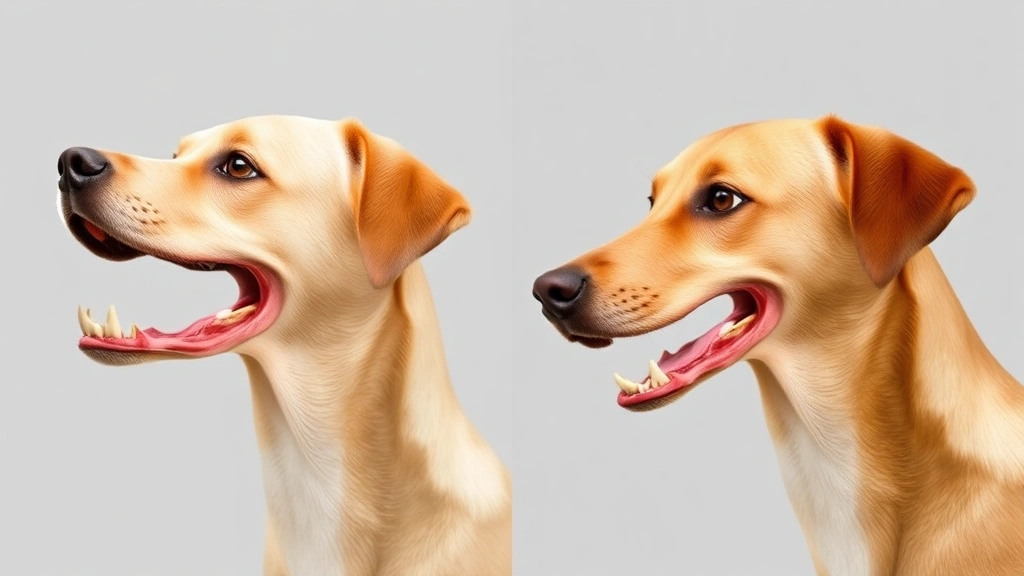
One persistent myth is that certain breeds (especially Pit Bulls) have “locking jaws” that clamp down and won’t release. This is completely false. No dog breed has a locking jaw mechanism. All dogs have the same basic jaw structure. The myth likely arose because some strong dogs, once they bite down, don’t let go easily—but that’s determination and muscle strength, not a physical locking mechanism. This misconception has fueled unfair breed discrimination for decades.
Frequently Asked Questions
What dog has the strongest bite force?
The Kangal dog has the strongest bite force among domesticated dogs, with approximately 743 PSI. This Turkish livestock guardian breed was specifically bred to protect flocks from large predators.
Is bite force related to how dangerous a dog is?
Not necessarily. A dog’s danger level depends more on training, socialization, owner responsibility, and individual temperament than on bite force alone. A well-trained Kangal is far safer than a poorly trained Chihuahua.
Do Pit Bulls have the strongest bite?
No. Pit Bulls have a bite force around 235 PSI, which is actually lower than many other breeds including Rottweilers, Akitas, and Dalmatians. Their reputation for danger is based on irresponsible ownership and media coverage, not bite force rankings.

Can you train a strong-jawed dog to be safe?
Absolutely. Any dog, regardless of bite force, can be trained to be a safe, well-behaved family member through consistent training, proper socialization, and responsible ownership practices.
What’s the difference between bite force and bite incidents?
Bite force measures the pressure (PSI) a dog’s jaws can exert. Bite incidents refer to actual biting behavior. These are separate issues—high bite force doesn’t mean a dog will bite, and low bite force doesn’t mean a dog won’t.

Are strong-jawed breeds good family dogs?
Yes, many strong-jawed breeds make excellent family dogs. Kangals, Mastiffs, and Cane Corsos are known for being loyal, protective, and gentle with their families when properly trained and socialized. They require experienced owners who understand their strength.
Conclusion: Strength Doesn’t Equal Danger
So, what dog has the strongest bite? The Kangal takes the crown with its impressive 743 PSI bite force. But here’s the real takeaway: a powerful bite doesn’t make a dog dangerous. Countless strong-jawed breeds are wonderful, loving family companions because their owners took responsibility seriously. The Kangal, Cane Corso, Mastiff, and other powerful breeds can be gentle giants in the right hands. Conversely, a tiny dog with poor training and socialization might bite frequently despite minimal bite force. Responsible ownership, proper training, early socialization, and understanding your individual dog’s temperament matter infinitely more than PSI numbers. Whether you’re considering a powerful breed or already own one, focus on being the best owner you can be. That’s what keeps everyone safe.