
Which Dog Breeds Have Webbed Feet? A Quick Guide
Ever wonder why some dogs seem like natural swimmers while others prefer to keep their paws dry? The secret often lies beneath their fur—in their feet! Webbed feet in dogs are a fascinating adaptation that makes certain breeds exceptional water athletes. Whether you’re curious about what dogs have webbed feet or considering a breed known for aquatic prowess, this guide will dive deep into the science and breeds behind this unique trait.
Webbed paws aren’t just a quirky feature; they’re evolutionary masterpieces designed for specific purposes. These membrane-like structures between a dog’s toes act like tiny flippers, providing extra surface area for propulsion through water. But not all dogs have them, and the ones that do often come with incredible water-loving personalities to match.
If you’ve ever watched a water-loving pup paddle through a lake with surprising grace, chances are webbed feet played a role in that performance. Let’s explore which breeds are equipped with this remarkable feature and what it means for their lifestyle and care.
Understanding Webbed Feet in Dogs
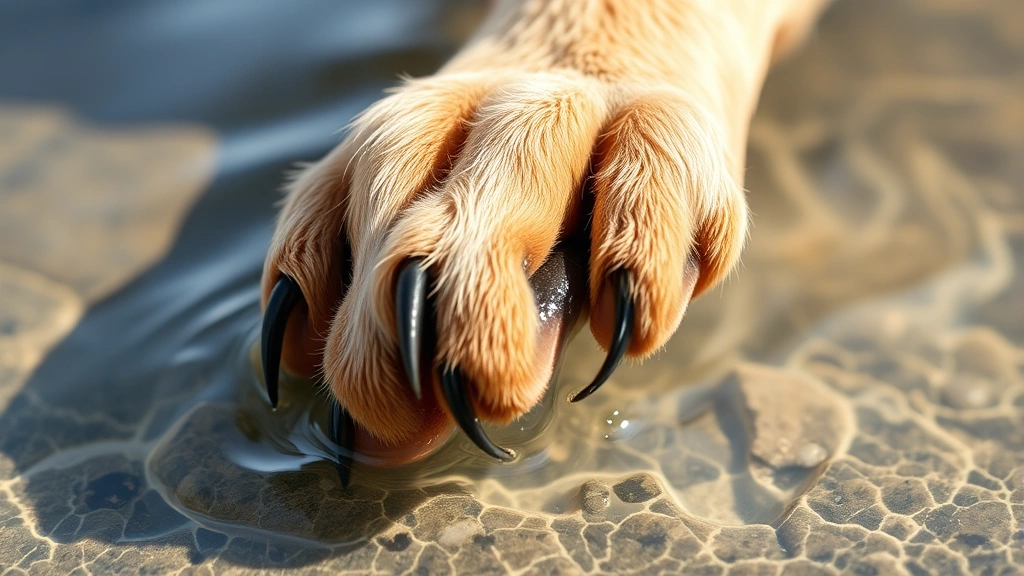
Webbed feet in dogs are exactly what they sound like—extra skin stretching between the toes that creates a paddle-like structure. This adaptation originated in dogs bred for water retrieval and hunting in wetland environments. The webbing provides increased surface area, which translates to more efficient propulsion through water and better maneuverability in aquatic settings.
The degree of webbing varies significantly among breeds. Some dogs have partial webbing that extends only halfway down their toes, while others sport full webbing that stretches completely between all digits. This variation depends on the breed’s original purpose and how much water work was part of their historical role.
Interestingly, not all dogs have webbed feet—in fact, most don’t. The breeds that possess this trait were specifically selected and bred for water-based activities. Understanding this connection helps explain why certain dogs are drawn to water like moths to a flame, while others would rather avoid puddles altogether.
From a genetic standpoint, webbed feet are controlled by recessive genes. This means both parents must carry the genes for webbed feet for puppies to inherit this trait. Breeders of water-dog breeds have carefully maintained this characteristic through selective breeding over generations, sometimes for hundreds of years.
Retriever Breeds with Webbed Feet
Retrievers are perhaps the most famous webbed-footed dogs, and for good reason. These breeds were developed specifically to retrieve waterfowl for hunters, making aquatic abilities essential to their design.
Labrador Retrievers
Labrador Retrievers top the list of webbed-footed breeds and are consistently ranked among the most popular dog breeds worldwide. Labs have significant webbing between their toes, making them phenomenal swimmers. Their water-resistant double coat combined with webbed feet makes them ideal for cold-water retrieval work. Labs aren’t just strong swimmers—they’re enthusiastic water lovers who’ll seek out puddles, lakes, and swimming pools at every opportunity. Their webbed feet, combined with their otter-like tail that acts as a rudder, make them nearly unstoppable in aquatic environments.
Golden Retrievers
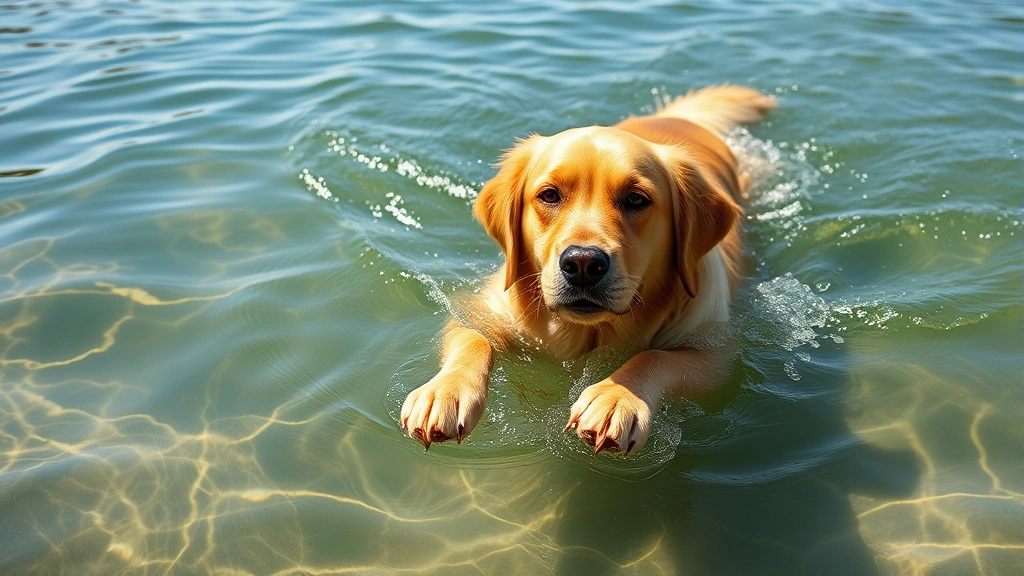
Golden Retrievers share similar webbed-foot characteristics with their Labrador cousins. These beautiful dogs have partial to full webbing and were originally bred in Scotland to retrieve game from water and land. Their friendly, eager-to-please nature makes them perfect family companions, and their swimming ability is a delightful bonus for families living near water. Many Goldens will happily join you for a beach day or lake outing, though they’re equally content with land-based activities.
Chesapeake Bay Retrievers
Don’t let their less-familiar name fool you—Chesapeake Bay Retrievers are exceptional swimmers with impressive webbed feet. Bred specifically for the challenging waters of the Chesapeake Bay, these dogs have webbing that extends nearly to their nail tips. They’re tougher and more independent than Labs and Goldens, with a coat that’s naturally oily and water-resistant. These dogs were built for serious water work and retain that drive today.
Water Dog Breeds
Beyond retrievers, several other breeds were developed specifically for water work and sport corresponding webbed feet.
Portuguese Water Dogs
Portuguese Water Dogs are medium-sized athletes with full webbing between their toes. Historically, these dogs worked alongside fishermen in Portugal, helping to herd fish into nets and retrieve lost tackle. Their webbed feet combined with their muscular build and intelligence make them exceptional swimmers. They’re energetic, intelligent, and require significant exercise—ideally involving water activities. These dogs thrive when given opportunities to swim regularly.
Newfoundlands
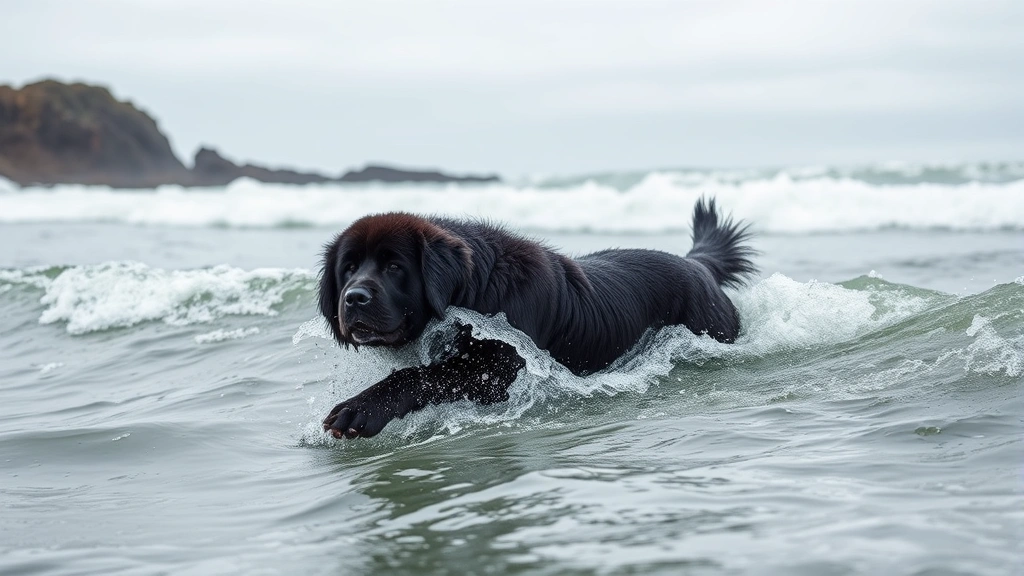
Newfoundlands are giant dogs with impressive webbed feet that match their substantial size. Originally from Newfoundland, Canada, these gentle giants were bred to help fishermen and rescue swimmers in distress. Their webbing is extensive, and their natural buoyancy and swimming ability are legendary. Newfoundlands have saved countless lives and continue to be used in water rescue operations today. Despite their size, they’re remarkably gentle and patient, making them wonderful family dogs for those with space and resources.
Spanish Water Dogs
Spanish Water Dogs possess webbed feet and were traditionally used for herding and retrieving in water. These medium-sized dogs are intelligent, athletic, and deeply connected to their handlers. They require substantial exercise and mental stimulation, with water activities being ideal outlets for their energy. Their curly coats and webbed feet make them distinctive and capable swimmers.
Other Notable Webbed-Footed Breeds
Several other breeds feature webbed or partially webbed feet, though water work may not be their primary purpose today.
Dachshunds
Surprisingly, some Dachshund varieties have webbed feet! Originally bred to hunt badgers and other burrowing animals, their webbing actually helped them dig more efficiently. While modern Dachshunds aren’t known as swimmers, their ancestral webbing remains. This quirk reminds us that webbed feet developed for various purposes, not just aquatic activities.
Weimaraners
Weimaraners, known as the “Gray Ghosts,” have partial webbing between their toes. These athletic hunting dogs were developed in Germany for hunting large game, and their webbing assists in various terrains and water crossings. They’re energetic, intelligent, and need substantial exercise, though they’re not exclusively water dogs.
German Shorthaired Pointers
German Shorthaired Pointers sport webbed feet that assist them in their traditional role as versatile hunting dogs. These elegant athletes excel in water, on land, and in dense brush. Their webbed feet combined with their athleticism and intelligence make them exceptional sporting companions.
Other Breeds
Additional breeds with webbed or partially webbed feet include Brittany Spaniels, English Springer Spaniels, and Poodles. The presence of webbing in Poodles is particularly interesting, as these intelligent dogs were originally bred as water retrievers in France and Germany, despite their modern reputation as show dogs and companions.
Understanding why dogs like water often comes down to their breeding history and physical adaptations like webbed feet. Breeds with this trait typically have an innate affinity for aquatic environments that goes beyond simple preference.
Swimming Benefits and Care
For dogs with webbed feet, swimming offers numerous physical and mental benefits. Water exercise is low-impact, making it ideal for dogs of all ages, including puppies whose joints are still developing and senior dogs with arthritis. Swimming builds muscle, improves cardiovascular health, and provides excellent exercise without the joint stress of running on hard surfaces.
Beyond physical benefits, water activities provide mental stimulation and enrichment. Many webbed-footed breeds have strong instincts to retrieve and work in water, and allowing them to engage these drives promotes psychological well-being. A dog that gets regular water exercise is often a happier, better-behaved companion.
If you own a webbed-footed breed, consider these care tips:
- Provide regular water access: Whether it’s a backyard pool, lake, or dog-friendly beach, regular swimming opportunities are ideal for these breeds
- Dry ears thoroughly: Water in ears can lead to infections, so always dry your dog’s ears after swimming
- Rinse after saltwater: If your dog swims in the ocean, rinse their coat to remove salt and prevent skin irritation
- Check paw pads: Inspect webbed feet regularly for cuts, infections, or irritation
- Monitor water temperature: Ensure water isn’t too cold, as hypothermia can occur, particularly in smaller dogs
- Use life jackets when appropriate: Even strong swimmers benefit from life jackets in unfamiliar or deep water
If you’re wondering if all dogs can swim, the answer is nuanced. While most dogs can swim instinctively, breeds with webbed feet have significant advantages. Their natural adaptations make water activities safer and more enjoyable for them compared to breeds without webbing.
For those interested in learning more about different dog types, you might enjoy taking our dog breed quiz to discover which breed matches your personality and lifestyle. Understanding breed characteristics, including webbed feet and water affinity, helps you choose a companion that fits your living situation and activity level.
Training webbed-footed dogs to swim safely is important even though they have natural ability. Start puppies in shallow water, use positive reinforcement, and never force a dog into water. While most webbed-footed breeds love water, individual personalities vary, and some may need encouragement to develop confidence in aquatic environments.
According to the American Kennel Club, many sporting and water dog breeds benefit from water activities as part of their exercise routine. The ASPCA also emphasizes the importance of understanding breed-specific needs when selecting and caring for dogs.
Frequently Asked Questions
What does webbed feet in dogs mean?
Webbed feet in dogs refer to extra skin (webbing) stretching between the toes, creating a paddle-like structure. This adaptation increases surface area for water propulsion and is found in breeds developed for water work. The webbing can be partial or complete, depending on the breed.
Do all dogs with webbed feet love water?
While most dogs with webbed feet have strong instinctive drives toward water, individual personalities vary. Most webbed-footed breeds enjoy water activities, but some may be cautious or need encouragement. Proper socialization and positive experiences with water from puppyhood increase the likelihood of water-loving behavior.
Can dogs with webbed feet get foot problems?
Webbed-footed dogs can occasionally experience issues like fungal infections or irritation in the webbing, particularly if ears and paws aren’t dried thoroughly after water activities. Regular inspection and proper drying help prevent these problems. Most webbed-footed dogs have hardy feet well-adapted to their intended purposes.
Are webbed-footed dogs better swimmers than other dogs?
Yes, webbed-footed dogs generally have significant swimming advantages over non-webbed breeds. The webbing provides extra propulsion and maneuverability, making water navigation more efficient. However, individual swimming ability also depends on factors like body structure, muscle development, and individual confidence.
Do webbed feet require special care?
Webbed feet don’t require special care beyond standard paw maintenance. However, after water activities, ensure thorough drying between toes to prevent infections. Regular inspection for cuts, irritation, or signs of infection is recommended for any dog, but especially those spending significant time in water.
Which breed has the most webbing?
Newfoundlands and Chesapeake Bay Retrievers typically have the most extensive webbing, with membranes extending nearly to their nail tips. Portuguese Water Dogs also have full webbing. The degree of webbing varies among individuals within breeds as well.
Can I teach a non-webbed dog to swim?
Absolutely! Most dogs can learn to swim with proper training and positive reinforcement. While webbed-footed breeds have natural advantages, many non-webbed breeds become excellent swimmers. Start in shallow water, use encouragement rather than force, and always prioritize safety with life jackets when appropriate.
Is swimming good exercise for webbed-footed dogs?
Swimming is excellent exercise for all dogs, but particularly beneficial for webbed-footed breeds whose bodies are designed for water activities. It provides low-impact cardiovascular exercise, builds muscle, and allows these dogs to engage their natural instincts. Regular swimming promotes both physical and mental health.





