
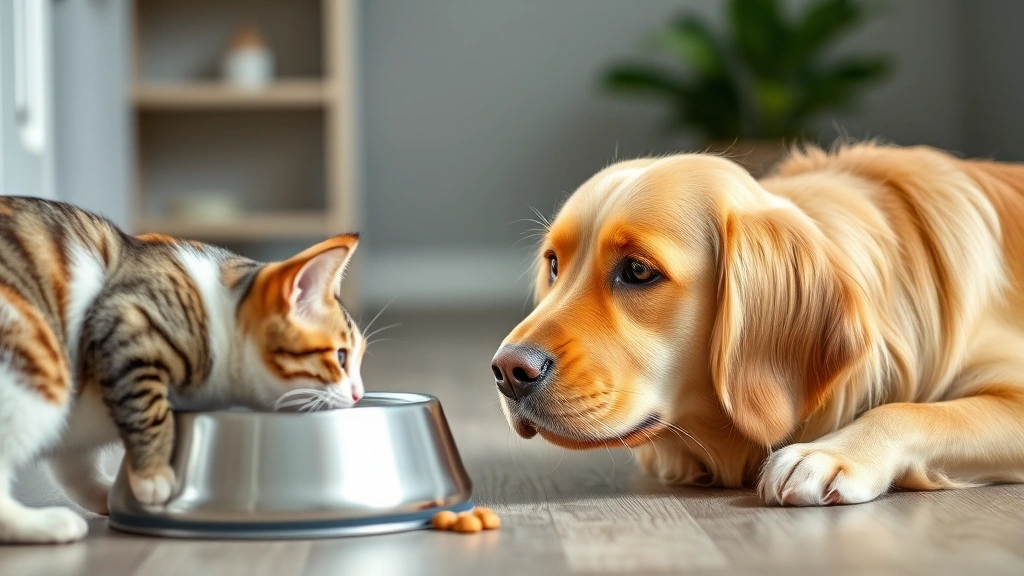
So your dog just scarfed down a bowl of cat food, and now you’re spiraling. Don’t panic—what happens if a dog eats cat food is usually not a veterinary emergency, but it’s definitely worth understanding. Let me break down exactly what goes on in your pup’s digestive system when they raid the feline’s dinner bowl, and more importantly, whether you need to call your vet or just monitor things at home.
Table of Contents
- Why Cat Food Is So Irresistible to Dogs
- The Nutritional Difference: Cat Food vs. Dog Food
- Short-Term Effects: What Happens Immediately
- Pancreatitis Risk: The Real Concern
- Digestive System Impact and GI Upset
- Obesity and Long-Term Weight Gain Concerns
- Special Considerations for Puppies and Senior Dogs
- Taurine and Other Nutritional Factors
- When to Call the Vet: Red Flags
- Prevention Strategies: Keeping Your Dog Out of Cat Food
- Frequently Asked Questions
- The Bottom Line: Don’t Panic, But Do Prevent
Why Cat Food Is So Irresistible to Dogs
First things first: dogs think cat food is basically gourmet cuisine. There’s a reason your dog keeps trying to steal from the litter box (gross, I know). Cat food is packed with higher protein and fat content than most dog foods—it’s literally designed to meet the nutritional needs of obligate carnivores, which cats are. Dogs, being opportunistic eaters, see cat food as a jackpot of deliciousness.
The smell alone drives them bonkers. Cat food typically contains fish-based proteins and concentrated meat meals that smell absolutely irresistible to canines. It’s not that your dog is being naughty; they’re just responding to their natural instincts.
The Nutritional Difference: Cat Food vs. Dog Food
Here’s where it gets interesting. Cat food and dog food are formulated differently because cats and dogs have different nutritional requirements. Cats need higher levels of taurine, an amino acid that dogs can actually synthesize on their own. Dog food typically contains 10-25% protein, while cat food often contains 30-40% or higher.

Additionally, cat food has more fat content—usually around 10-15% compared to dog food’s 5-15%. This higher protein and fat combo is perfect for cats but can be problematic for dogs when consumed regularly. However, one incident of your dog eating cat food won’t cause permanent damage.
Short-Term Effects: What Happens Immediately
If your dog just ate some cat food, here’s what typically happens in the hours following the incident. Most dogs experience no symptoms whatsoever—they digest the meal just fine and move on with their lives. Lucky them, right?
However, some dogs might experience mild gastrointestinal upset. We’re talking about potential vomiting, diarrhea, or soft stools within 12-24 hours. This happens because the sudden shift in protein and fat content can irritate sensitive digestive systems. If your dog has a sensitive stomach or has been eating a low protein dog food, they’re more likely to experience these symptoms.

The good news? This is usually self-limiting and resolves within a day or two without intervention. Your dog’s digestive system is pretty resilient.
Pancreatitis Risk: The Real Concern
Now, here’s where we need to talk about the elephant in the room. The main health concern with dogs eating cat food is pancreatitis, which is inflammation of the pancreas. This is especially true if your dog consumed a large amount of cat food in one sitting, or if they have a history of pancreatitis.
The high fat content in cat food can trigger pancreatitis in susceptible dogs. Symptoms include vomiting, abdominal pain, lethargy, and loss of appetite. These symptoms can appear within 24-72 hours of eating high-fat food. If your dog shows any of these signs, contact your veterinarian immediately.
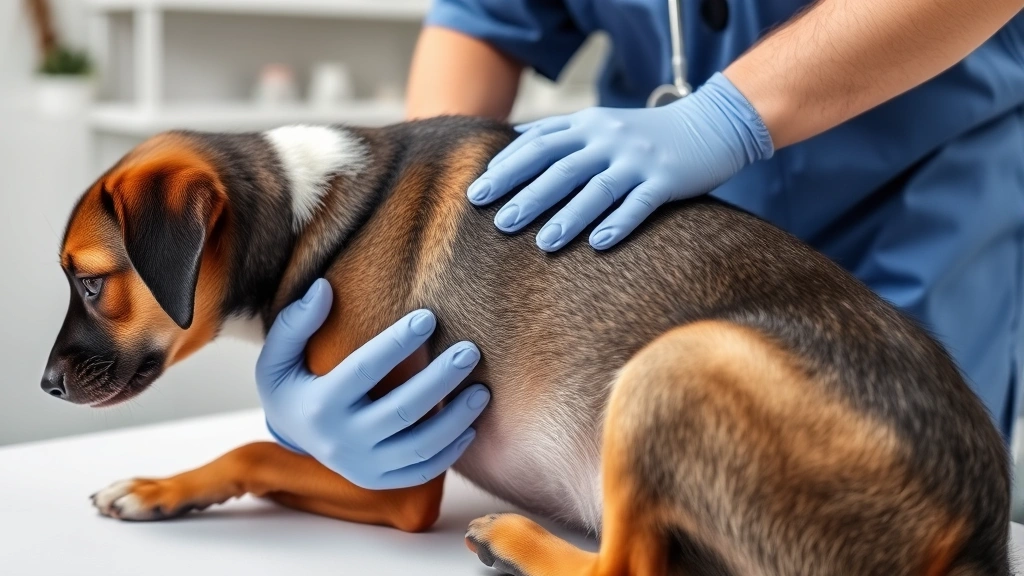
However—and this is important—one bowl of cat food rarely causes pancreatitis in healthy dogs. It’s the chronic consumption of high-fat foods that poses the real risk. So if your dog ate cat food once and seems fine, you’re probably in the clear.
Digestive System Impact and GI Upset
Your dog’s digestive system is a finely tuned machine (most of the time). When you introduce a food with significantly higher protein and fat content, it can throw things off balance temporarily. The stomach acid and digestive enzymes are calibrated for their regular diet.
Some dogs handle this transition beautifully. Others might experience loose stools, gas, or mild vomiting. If your dog has been eating lamb meat or other protein sources regularly, they might handle cat food better than a dog on a chicken-only diet. Individual tolerance varies wildly.

If your dog develops diarrhea after eating cat food, check out our guide on what to do when your dog has diarrhea but is acting fine. Most cases resolve with rest and a return to their normal diet.
Obesity and Long-Term Weight Gain Concerns
Here’s something people don’t always consider: regular access to cat food can contribute to weight gain in dogs. Because cat food is calorie-dense and dogs find it irresistible, they’ll eat more of it if given the chance. One meal won’t cause obesity, but daily raiding of the cat’s bowl definitely will.
Obesity in dogs leads to a cascade of health problems—joint issues, diabetes, heart disease, and shortened lifespan. So while one incident isn’t a big deal, preventing regular access to cat food is important for your dog’s long-term health.
Special Considerations for Puppies and Senior Dogs
Puppies and senior dogs are at higher risk for digestive upset from cat food. Puppies’ digestive systems are still developing, and they’re more prone to GI sensitivity. Senior dogs often have more sensitive stomachs and may already be dealing with digestive issues.
If your puppy got into cat food, monitor them closely for vomiting or diarrhea. If your senior dog ate cat food and has a history of pancreatitis or digestive problems, contact your vet to be safe. These populations deserve extra caution.
Taurine and Other Nutritional Factors
Remember how I mentioned cats need taurine? Well, the good news is that taurine in cat food won’t hurt your dog. Dogs can synthesize their own taurine, so consuming extra won’t cause problems. Some commercial tuna-based foods for dogs and salmon options actually contain added taurine, which is perfectly safe.
The real issue isn’t the specific nutrients in cat food—it’s the concentration and balance of them. Cat food is formulated for feline metabolism, not canine metabolism. Over time, this mismatch can cause nutritional imbalances in dogs.
When to Call the Vet: Red Flags
Most dogs who eat cat food once will be fine, but know when to contact your veterinarian. Call your vet if your dog shows:
- Persistent vomiting (more than a couple of times)
- Severe diarrhea or bloody stools
- Abdominal pain or distention
- Loss of appetite lasting more than 24 hours
- Lethargy or unusual behavior
- Signs of pancreatitis (panting, hunched posture, refusing to eat)
If your dog has a pre-existing condition like pancreatitis, diabetes, or food sensitivities, contact your vet even if symptoms seem mild. Better safe than sorry with these pups.

Prevention Strategies: Keeping Your Dog Out of Cat Food
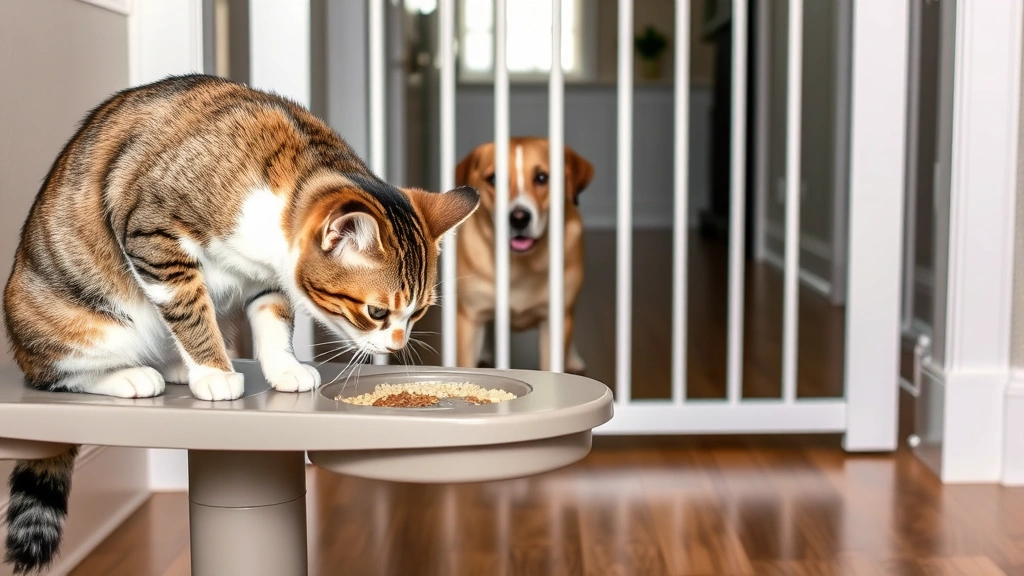
The best solution is prevention. Feed your cat in a separate room with a door that closes, or use a baby gate that allows your cat through but keeps your dog out. Some people use elevated feeders that only cats can access comfortably.
Never leave cat food sitting out all day. Pick up the bowl after 20-30 minutes, even if your cat hasn’t finished. This removes temptation and keeps your dog from snacking when you’re not looking.
If you have a particularly determined food-stealing dog, consider feeding them at the same time in different locations. Synchronized meal times can reduce the urge to raid.

Frequently Asked Questions
Can one meal of cat food hurt my dog?
No, a single meal of cat food won’t cause lasting harm to a healthy dog. Most dogs experience no symptoms at all. Some might have mild digestive upset, but this typically resolves within 24-48 hours. The main exception is if your dog has a history of pancreatitis or severe food sensitivities—in those cases, contact your vet to be cautious.
What should I do if my dog eats cat food?
Monitor your dog for the next 24-48 hours. Watch for vomiting, diarrhea, abdominal pain, or lethargy. If your dog seems fine and shows no symptoms, no action is needed beyond preventing future access to cat food. If symptoms develop, contact your veterinarian. Don’t induce vomiting or give activated charcoal unless specifically instructed by your vet.
Is cat food toxic to dogs?
Cat food is not toxic to dogs in the traditional sense. It’s not poisonous and won’t cause acute toxicity. However, the high protein and fat content can cause digestive upset in some dogs and potentially trigger pancreatitis in susceptible individuals. Regular consumption of cat food is definitely not recommended, but occasional exposure isn’t dangerous.
Why do dogs love cat food so much?
Dogs love cat food because it’s higher in protein and fat, making it smell and taste incredibly appealing. From an evolutionary perspective, dogs are opportunistic eaters who’ve learned to take advantage of available food sources. The concentrated meat flavors in cat food trigger their predatory instincts, making it irresistible.
Can my dog get pancreatitis from eating cat food once?
It’s extremely unlikely. Pancreatitis from a single meal of cat food is rare in healthy dogs. Pancreatitis typically develops after chronic consumption of high-fat foods or in dogs with genetic predisposition. However, if your dog has a history of pancreatitis, even one meal of high-fat cat food could potentially trigger an episode, so prevention is especially important.
Should I induce vomiting if my dog ate cat food?
No, do not induce vomiting. Cat food isn’t toxic, so there’s no reason to force your dog to vomit. Inducing vomiting can actually cause more harm than good. Just monitor your dog and contact your vet if concerning symptoms develop.
The Bottom Line: Don’t Panic, But Do Prevent
Here’s the reality: what happens if a dog eats cat food is usually nothing. Your dog will likely be perfectly fine, digest the meal, and move on with their life. A single incident isn’t a veterinary emergency or a sign of poor pet parenting.
That said, prevention is always better than cure. Keep cat food separated from your dog, use feeding strategies that prevent access, and monitor your dog for any signs of digestive upset. If your dog has special health considerations like a history of pancreatitis or a sensitive stomach, be extra vigilant.
Most importantly, don’t stress yourself out if your dog manages to sneak some cat food. Stay calm, observe your pup for the next day or two, and reach out to your vet if anything seems off. Your dog’s digestive system is tougher than you think, and one bowl of cat food won’t derail their health. Just keep it from becoming a habit, and you’re golden.





