

So your dog just scarfed down rat poison, and now you’re in full panic mode—which is totally justified, honestly. What happens if a dog eats rat poison is one of those nightmare scenarios every pet parent dreads, but knowing the facts can literally save your dog’s life. This guide breaks down everything you need to know, from immediate symptoms to emergency treatment options, so you can act fast and smart.
Table of Contents
- The Different Types of Rat Poison Your Dog Might Encounter
- Immediate Symptoms: When Your Dog Eats Rat Poison
- How Anticoagulant Rat Poison Damages Dogs
- Non-Anticoagulant Poisons and Bromethalin: Different Dangers
- The Race Against Time: First Aid and Emergency Response
- Veterinary Treatment Options for Rat Poison Ingestion
- Recovery and Long-Term Management After Poisoning
- Prevention: Keeping Your Dog Safe from Rat Poison
- Common Mistakes Pet Owners Make During Poisoning Emergencies
- When to Suspect Rat Poison Ingestion Without Witnessing It
- Alternative Rodent Control Methods That Are Pet-Safe
- Frequently Asked Questions
The Different Types of Rat Poison Your Dog Might Encounter
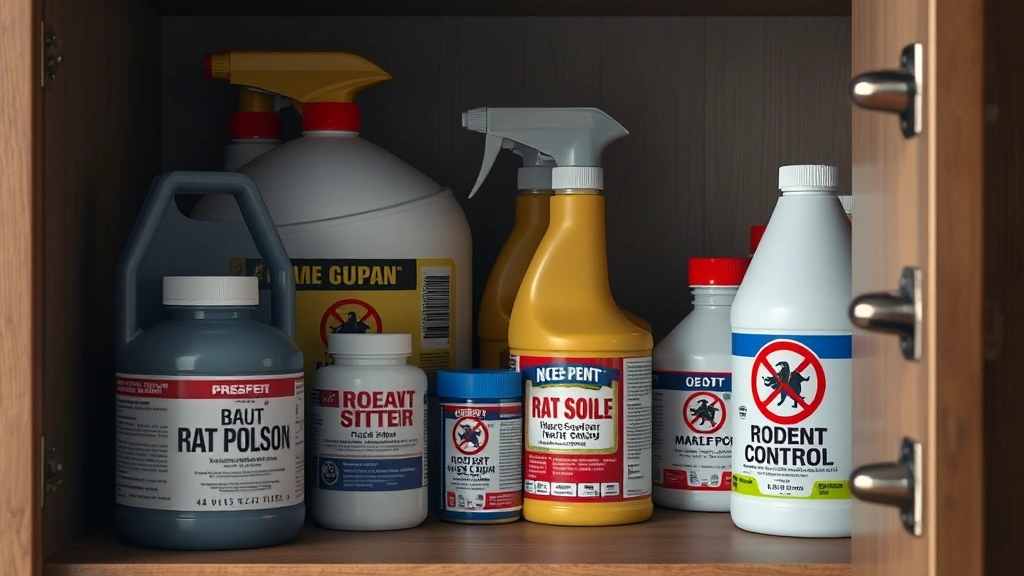
Not all rat poisons are created equal, and understanding which type your pup got into matters big time. The most common varieties include anticoagulant rodenticides (the sneaky killers that prevent blood clotting), non-anticoagulant poisons (which work through different toxic mechanisms), and bromethalin-based products (which attack the nervous system). Each one triggers different symptoms and requires different treatment approaches. Anticoagulants are the most frequently used in homes and yards, making them the most likely culprit if your dog raids a neighbor’s garage or your own stash.
Immediate Symptoms: When Your Dog Eats Rat Poison
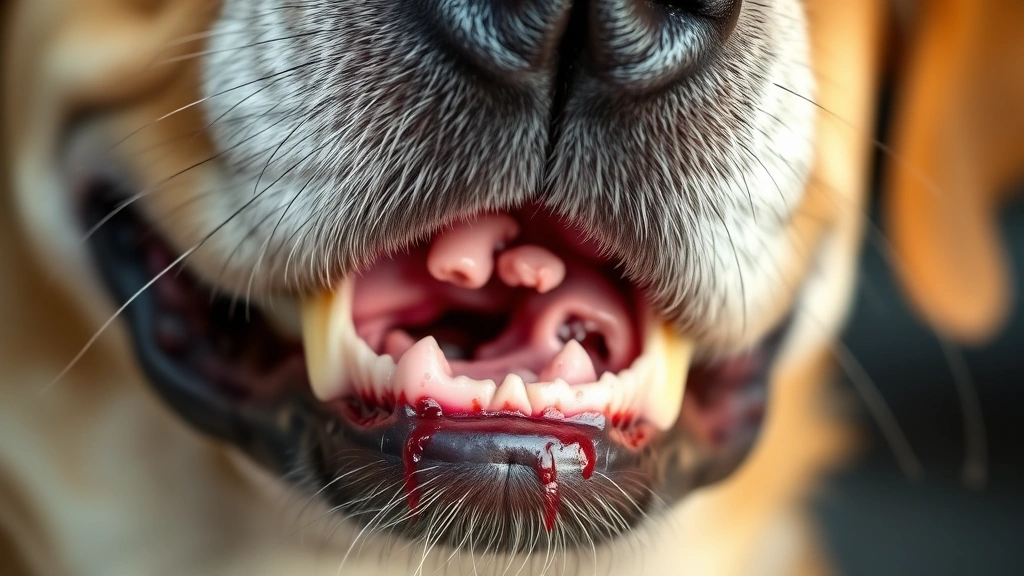
The tricky part about rat poison toxicity is that symptoms don’t always show up immediately. Your dog might seem perfectly fine for 24 to 72 hours after ingestion, which can lull you into a false sense of security. Don’t fall for it. Early signs include lethargy (your pup acting like a couch potato), loss of appetite, vomiting, and diarrhea. Some dogs experience pale gums, difficulty breathing, or unusual bruising on the skin or gums. If you notice any of these signs of lethargy in your dog, contact your vet immediately—don’t wait for things to get worse.
How Anticoagulant Rat Poison Damages Dogs
Anticoagulant rodenticides work by interfering with your dog’s vitamin K metabolism, which is essential for blood clotting. When your dog ingests this type of poison, it prevents the body from recycling vitamin K, leading to massive internal bleeding. We’re talking about blood pooling in the lungs, abdomen, and chest cavity. This is why affected dogs can suddenly collapse or show severe respiratory distress days after eating the poison. The delayed reaction makes it even more critical to seek veterinary care immediately, even if your dog seems fine right now.
Non-Anticoagulant Poisons and Bromethalin: Different Dangers
Non-anticoagulant rodenticides and bromethalin-based products attack your dog’s body through completely different mechanisms. Bromethalin, for example, causes severe swelling in the brain and spinal cord, leading to neurological symptoms like tremors, seizures, and paralysis. Non-anticoagulant poisons might cause kidney failure, liver damage, or gastrointestinal bleeding. These types often show symptoms faster than anticoagulants—sometimes within hours—making them equally dangerous but requiring different emergency protocols.
The Race Against Time: First Aid and Emergency Response
If you catch your dog eating rat poison or suspect they’ve ingested it, time is your enemy. Call your veterinarian or the ASPCA Animal Poison Control Center (888-426-4435) immediately—they’re available 24/7 and can provide specific guidance based on the poison type and your dog’s weight. If possible, have the poison packaging handy so you can tell them exactly what your dog ate. Don’t induce vomiting unless specifically instructed by a professional, as some poisons can cause additional damage on the way back up. Your vet might recommend activated charcoal to bind the poison in the stomach, but this needs to happen within a few hours of ingestion.
Veterinary Treatment Options for Rat Poison Ingestion
Once you get to the vet clinic, they’ll likely start with blood work to assess your dog’s clotting ability and organ function. For anticoagulant poisoning, the gold standard treatment is vitamin K1 supplementation—your dog will need daily injections or oral doses for several weeks. Your vet might also recommend blood transfusions if your dog has already experienced significant internal bleeding. Supportive care is crucial: IV fluids to maintain hydration, oxygen therapy if breathing is compromised, and close monitoring in a hospital setting. Some cases require hospitalization for several days, so prepare yourself financially and emotionally for this possibility.
Recovery and Long-Term Management After Poisoning
Recovery from rat poison ingestion isn’t a quick fix. Dogs treated for anticoagulant poisoning typically need vitamin K1 for 4 to 6 weeks, with regular blood work to monitor clotting times. Your vet will schedule follow-up appointments to ensure the poison’s effects are completely reversed before stopping treatment. During recovery, your dog needs strict rest—no crazy play sessions or running around. Keep them calm and confined to prevent re-injury if there’s any residual internal bleeding. Most dogs recover fully if treated promptly, but delayed treatment can result in permanent organ damage or death.
Prevention: Keeping Your Dog Safe from Rat Poison
The best medicine is prevention, obviously. Store rat poison in secure, locked containers that your dog absolutely cannot access—not just out of reach, but genuinely inaccessible. If you’re using rodent control services, ask them to place bait stations in areas your dog cannot enter. Check your yard regularly for dead rodents, as your dog might eat a poisoned rat and get a secondary dose of toxin. Be especially vigilant during fall and winter when rodent activity increases. If you suspect a neighbor is using rat poison, keep your dog away from their property and consider having a chat about pet-safe alternatives.
Common Mistakes Pet Owners Make During Poisoning Emergencies
Panic is natural, but it can lead to dangerous decisions. Don’t wait to see if symptoms develop—get to a vet immediately. Don’t assume a small amount of poison is harmless; even tiny doses can accumulate in your dog’s system. Don’t try home remedies or delay treatment hoping it’ll resolve on its own. And definitely don’t induce vomiting without professional guidance. Another critical mistake: not telling your vet the exact amount or type of poison ingested. Even if you’re not 100% sure, give them your best estimate—it helps them determine the right treatment protocol.
When to Suspect Rat Poison Ingestion Without Witnessing It
Sometimes you don’t actually see your dog eat rat poison, but symptoms suggest they might have. Unexplained bleeding from the nose or mouth, sudden weakness, difficulty walking, or diarrhea in otherwise healthy dogs can all point to poisoning. If your dog has access to areas where rodent control is used—whether your own property or a neighbor’s—and develops these symptoms, mention rat poison to your vet. They can run specific blood tests to check clotting times, which will reveal whether anticoagulant poisoning is the culprit. Trust your gut; if something feels off, get it checked out.
Alternative Rodent Control Methods That Are Pet-Safe
If you’re dealing with a rodent problem, consider pet-safe alternatives to poison. Electronic traps, snap traps, and live traps can be effective and don’t pose toxicity risks to your dog. Ultrasonic repellents, though their effectiveness is debated, don’t involve any chemicals. Seal entry points in your home and remove food sources that attract rodents in the first place. If you hire pest control services, specifically request pet-safe methods and ensure they’re using tamper-proof bait stations that your dog cannot access. Your dog’s safety should always trump convenience when it comes to pest management.
Frequently Asked Questions
How long does rat poison take to kill a dog?
Anticoagulant rat poison typically causes symptoms within 3 to 5 days, though internal bleeding can be fatal within 7 to 10 days without treatment. Other types of rat poison can show effects within hours. The timeline depends on the poison type, your dog’s size, and the amount ingested. This is why immediate veterinary care is critical—you can’t afford to wait and see.
Can a dog survive rat poison without treatment?
Some dogs might survive small doses of rat poison, but this is absolutely not something to gamble on. Without treatment, anticoagulant poisoning will almost certainly be fatal. Even if your dog seems fine, internal bleeding could be happening silently. The survival rate increases dramatically with prompt veterinary treatment, so never skip the vet visit.
Is activated charcoal safe for dogs with rat poison?
Activated charcoal is generally safe and can be effective at binding certain poisons in the stomach, but it must be given within a few hours of ingestion and only under veterinary guidance. Your vet will determine if it’s appropriate based on the poison type. Never give activated charcoal at home without professional instruction.
How much does rat poison treatment cost for dogs?
Emergency vet visits for rat poison ingestion can range from $500 to $5,000 or more, depending on whether hospitalization is needed, blood transfusions are required, and how long treatment lasts. Vitamin K1 supplementation adds ongoing costs for 4 to 6 weeks. Pet insurance often covers poisoning cases, so check your policy. Regardless of cost, treatment is worth every penny if it saves your dog’s life.
Can I give my dog vitamin K at home to prevent rat poison effects?
Absolutely not. Vitamin K1 supplementation is a prescription medication that requires proper dosing, monitoring, and veterinary oversight. Giving your dog vitamin K without professional guidance could cause other health issues. If your dog has eaten rat poison, only a vet can determine the right dose and treatment protocol. Prevention through proper poison storage is your best home-based strategy.





