
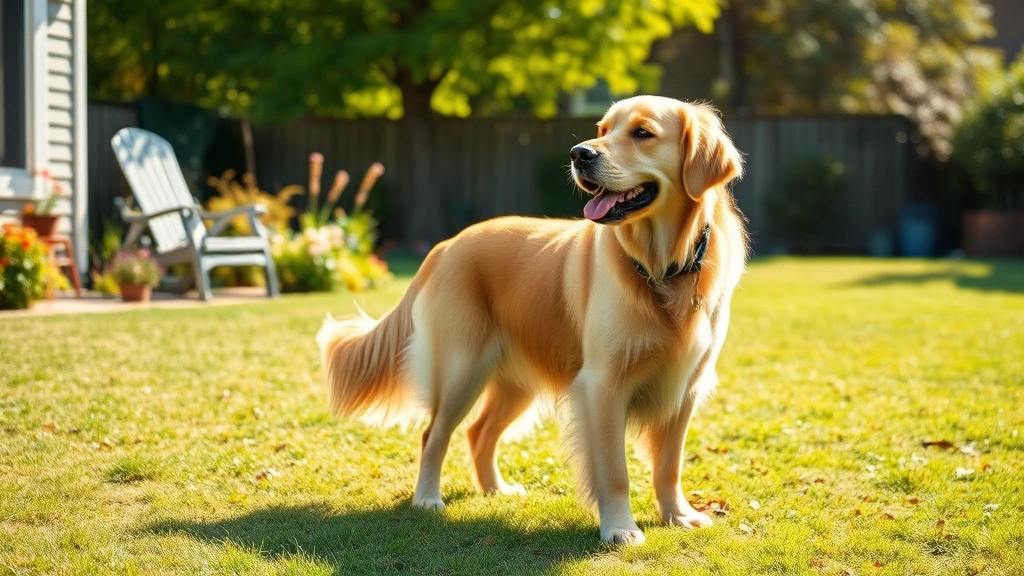
If you’re wondering what helps a constipated dog, you’re not alone—and honestly, it’s way more common than you’d think. One minute your pup is their usual self, the next they’re straining in the yard like they’re auditioning for a reality TV show about bathroom struggles. Canine constipation is no joke, but the good news? There are plenty of proven ways to get things moving again.
Table of Contents
- Understanding Dog Constipation: Why It Happens
- Method 1: Increase Water Intake and Hydration
- Method 2: Dietary Adjustments and Fiber Supplementation
- Method 3: Regular Exercise and Movement
- Method 4: Gentle Abdominal Massage and Probiotics
- Method 5: Veterinary Interventions and Medications
- When to Worry: Red Flags and Emergency Signs
- Prevention: Keeping Your Dog’s Digestive System Happy
- Natural Remedies Worth Trying
- Frequently Asked Questions
- Conclusion: Getting Your Dog Back on Track
Understanding Dog Constipation: Why It Happens
Before we dive into solutions, let’s talk about why your furry friend ended up in this predicament. Dog constipation occurs when your pup has difficulty passing stool or goes longer than usual without a bowel movement. Unlike humans who might complain about it over coffee, dogs just look uncomfortable and confused.
Common culprits include dehydration, lack of exercise, dietary changes, or swallowing foreign objects (because apparently everything looks delicious to dogs). Some breeds are more prone to digestive issues, and older dogs often experience constipation more frequently. If your dog is straining for more than a couple of days or showing signs of pain, it’s time to call your vet.
Method 1: Increase Water Intake and Hydration
This is the simplest and often most effective solution. Dehydration is one of the leading causes of dog constipation. A well-hydrated dog has softer stools that pass more easily.
Here’s what you can do: Make sure fresh water is always available. Some dogs respond better to running water (try a dog water fountain), while others prefer their regular bowl. You can also add a bit of goat’s milk to their water or food—it’s not only hydrating but also supports digestive health. Bone broth is another fantastic option that adds flavor while encouraging water consumption.
Pro tip: Monitor your dog’s water intake throughout the day. If they’re not drinking enough, try adding water to their kibble to increase moisture content.
Method 2: Dietary Adjustments and Fiber Supplementation
What your dog eats directly impacts their digestive system. Low-fiber diets are often the culprit behind constipation issues. Increasing fiber helps bulk up stool and encourages bowel movements.
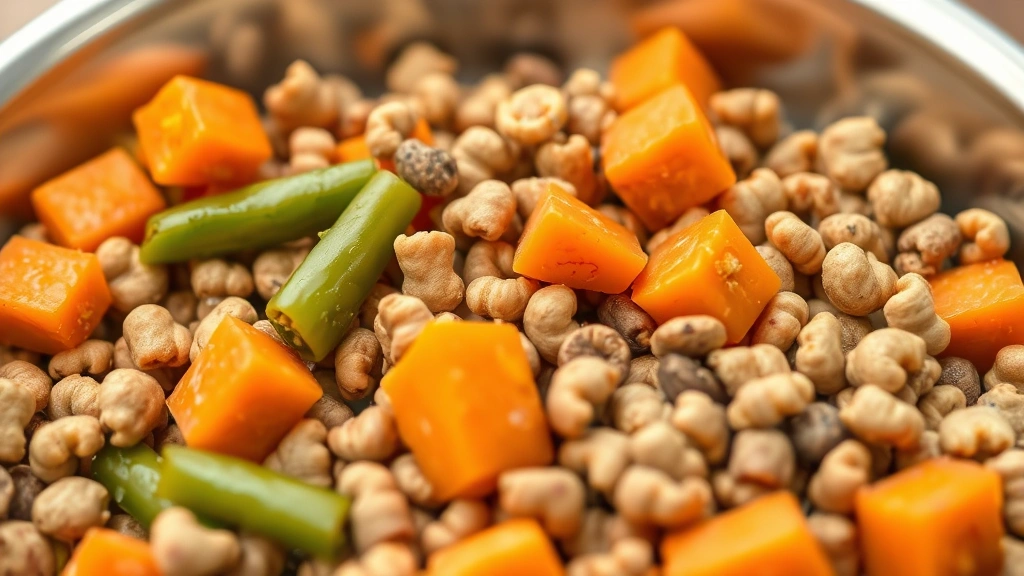
Consider switching to a high-fiber dog food or adding fiber-rich ingredients to their current meals. Pumpkin puree (plain, not pie filling) is legendary for this—just a tablespoon or two works wonders. Sweet potato, green beans, and carrots are also excellent fiber sources that most dogs actually enjoy.
If your dog has a sensitive digestive system, you might explore limited ingredient dog food options that are gentler on the stomach while still providing adequate fiber. For dogs with specific health concerns, a kidney diet for dogs formulated by veterinarians can help manage constipation while addressing other nutritional needs.
High-quality protein sources like lamb dog food are also easier to digest than some other proteins, which can indirectly help with bowel regularity.
Method 3: Regular Exercise and Movement
Your dog’s digestive system works better when their body is moving. Exercise stimulates intestinal motility, which helps move things along naturally. This is especially important for constipated dogs that have been sedentary.
Increase daily walks, playtime, or swimming sessions. Even a 15-minute walk can make a significant difference. Dogs that spend most of their time indoors or in small spaces are more prone to constipation, so getting them outside is crucial.
The movement doesn’t have to be intense—gentle activity is often better for a dog that’s already uncomfortable. Think leisurely neighborhood strolls rather than aggressive running sessions.
Method 4: Gentle Abdominal Massage and Probiotics
Sometimes your dog needs a little hands-on help. Gentle abdominal massage can stimulate bowel movements and provide comfort. Use slow, circular motions on their belly, moving in a clockwise direction (following the path of the colon).
Probiotics are another game-changer for digestive health. These beneficial bacteria support gut health and can improve stool consistency and frequency. Look for dog-specific probiotics rather than human versions, as they’re formulated for canine digestive systems.
Many high-quality dog foods now include probiotics, but you can also purchase them as supplements. Fermented foods and certain yogurts (unsweetened, xylitol-free) can also provide probiotic benefits.
Method 5: Veterinary Interventions and Medications
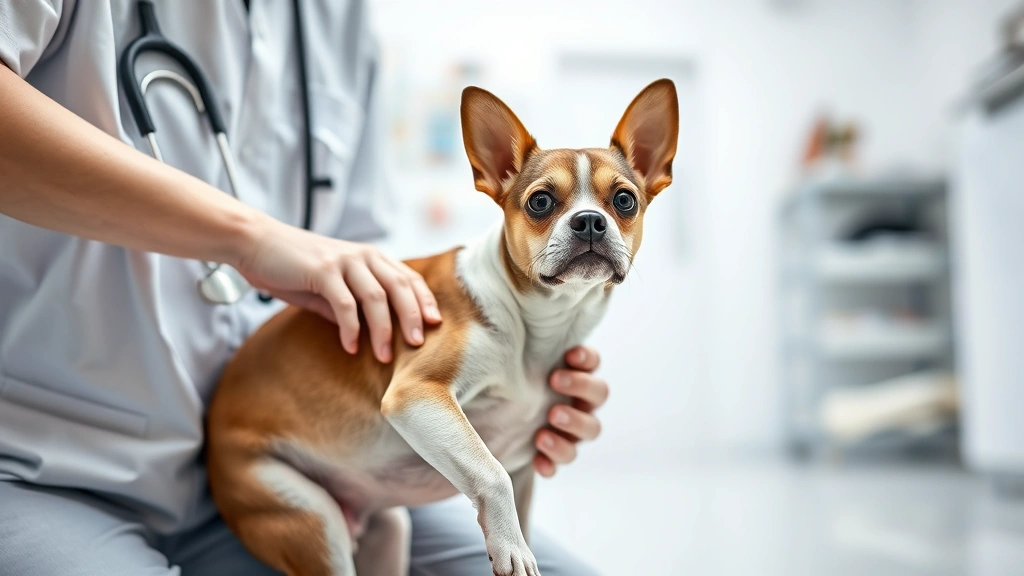
If home remedies aren’t working after 2-3 days, it’s time to see your vet. They have additional tools in their arsenal that can help, including stool softeners, laxatives, or enemas in severe cases.
Your veterinarian might recommend mineral oil, docusate sodium, or prescription medications designed specifically for constipation. Never give your dog any laxative or medication without veterinary guidance, as some can cause more problems than they solve.
In rare cases, constipation signals something more serious like intestinal blockages, megacolon, or other medical conditions. Your vet can rule these out through examination and imaging if necessary.
When to Worry: Red Flags and Emergency Signs
Most cases of dog constipation resolve within a few days with simple interventions. However, certain signs warrant immediate veterinary attention. If your dog is vomiting, showing signs of severe pain, hasn’t had a bowel movement for more than 3-4 days, or is acting lethargic and uninterested in food, get them to a vet immediately.
Also watch for blood in stool, loss of appetite, or abdominal distension. These could indicate a blockage or other serious condition that requires professional intervention.
Prevention: Keeping Your Dog’s Digestive System Happy
The best cure is prevention. Maintain a consistent feeding schedule, provide adequate water, ensure regular exercise, and feed a balanced diet with appropriate fiber content. Avoid giving your dog table scraps or foods that can cause digestive upset.
Regular vet check-ups help catch potential digestive issues before they become problems. Older dogs and certain breeds may need extra attention to digestive health, so discuss this with your veterinarian during routine visits.
Natural Remedies Worth Trying
Beyond the main five methods, several natural options have helped many dog owners. Slippery elm bark is a traditional remedy that soothes the digestive tract. Aloe vera juice (small amounts) can act as a natural laxative. Olive oil or coconut oil added to food can help lubricate the digestive system.
Bone broth not only increases hydration but also provides collagen and other compounds that support digestive health. Many dogs find it delicious, making it an easy addition to their regular meals.
Frequently Asked Questions
How long can a dog go without pooping before I should worry?
Most dogs should have a bowel movement at least once daily, typically within a few hours of eating. If your dog hasn’t pooped for more than 48 hours, it’s worth investigating. After 3-4 days without a bowel movement, definitely contact your veterinarian.
Can I give my dog a laxative from my medicine cabinet?
Absolutely not. Human laxatives can be dangerous for dogs and may cause serious complications. Always use products specifically formulated for dogs, and only under veterinary guidance. Some human medications are toxic to dogs, so never assume what’s safe for you is safe for your pet.
Is pumpkin really effective for dog constipation?
Yes, plain pumpkin puree is genuinely effective for many dogs. The fiber content helps bulk up stool and encourages bowel movements. Use plain canned pumpkin (not pie filling with added sugar and spices), and start with a tablespoon mixed into their food. Most dogs respond within 24-48 hours.
Should I change my dog’s food if they’re constipated?
Dietary changes should be gradual to avoid digestive upset. If you suspect the current food is causing constipation, transition to a new food over 7-10 days, mixing increasing amounts of the new food with the old. However, consult your vet before making major dietary changes.
Can anxiety cause constipation in dogs?
Yes, stress and anxiety can affect digestive function in dogs. Changes in routine, new environments, or separation anxiety can contribute to constipation. Keeping your dog calm and maintaining a consistent routine helps prevent stress-related digestive issues.
Conclusion: Getting Your Dog Back on Track
Finding what helps a constipated dog often involves a combination of approaches tailored to your individual pet. Start with the basics: increase water intake, boost fiber through diet, ensure regular exercise, and consider gentle massage or probiotics. Most cases resolve within a few days with these simple interventions.
Remember, every dog is different, so what works for your neighbor’s Golden Retriever might not be your Chihuahua’s solution. Pay attention to your dog’s individual needs and responses. If home remedies don’t work or if you notice any concerning symptoms, don’t hesitate to contact your veterinarian. They can rule out underlying conditions and provide targeted treatment.
Your dog depends on you to keep them healthy and comfortable, and addressing constipation promptly shows you’re a responsible pet parent. With patience and the right approach, your pup will be back to their normal bathroom habits in no time.





