
Household Items Dangerous to Dogs: A Complete Safety Guide
Our furry friends are curious creatures who love to explore every nook and cranny of our homes. Unfortunately, many common household items we use daily can pose serious—even life-threatening—dangers to our beloved dogs. As pet parents, understanding these hidden hazards is crucial to keeping our four-legged companions safe and healthy.
The scary truth is that some of the most toxic substances to dogs are sitting right in your kitchen cabinets, bathroom medicine chests, and garage shelves. While we often think of dangerous items as obvious poisons, the reality is far more nuanced. Some everyday products can cause immediate, severe reactions, while others accumulate toxins over time. This comprehensive guide will help you identify, understand, and eliminate these risks from your home.
Whether you’re a first-time dog owner or a seasoned pet parent, this safety information could literally save your dog’s life. Let’s dive into the household items that demand your immediate attention.
Toxic Foods and Kitchen Dangers
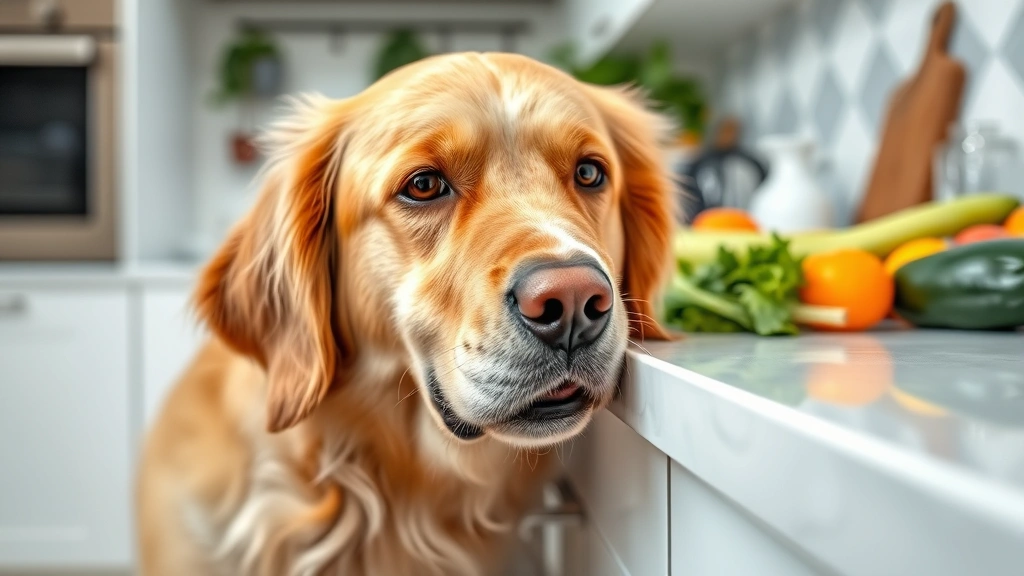
The kitchen is ground zero for potential dog poisoning. Many foods that are perfectly safe—even beneficial—for humans are toxic to dogs. Understanding which foods pose the greatest risk is your first line of defense.
Chocolate tops the list of dangerous foods for dogs. It contains theobromine, a compound similar to caffeine that dogs metabolize much more slowly than humans. The darker the chocolate, the more dangerous it is. If your dog has ingested chocolate, it’s essential to know what to do. Our guide on what to do if dog eats chocolate provides step-by-step emergency instructions. Additionally, understanding why can’t dogs have chocolate will help you appreciate the severity of this danger and take preventive measures.
Grapes and raisins are another serious concern. These small fruits can cause acute kidney failure in dogs, and the exact toxic compound remains unknown, which makes it even more frightening for pet owners. The amount needed to cause harm varies by individual dog, so even a small handful could be dangerous. Learn more about this risk by checking our article on can dogs have raisins to understand exactly how severe this threat is.
Onions, garlic, and chives belong to the allium family and contain compounds that damage dogs’ red blood cells, leading to hemolytic anemia. Both raw and cooked forms are dangerous, and even garlic powder can cause problems. Our detailed exploration of can dogs eat onions explains the symptoms and severity of this poisoning.
Xylitol, an artificial sweetener found in sugar-free products, causes a rapid insulin release in dogs, leading to hypoglycemia and potentially liver failure. Check all sugar-free gums, candies, baked goods, and peanut butter before giving them to your dog.
Avocado contains persin, which can cause vomiting and diarrhea in dogs. While small amounts might not be fatal, it’s best to avoid this entirely.
Macadamia nuts cause weakness, tremors, and hyperthermia in dogs. Even a handful can trigger symptoms within 12 hours.
Alcohol affects dogs much more severely than humans. Even small amounts can cause intoxication, and larger quantities can lead to respiratory depression and coma.
Medications and Supplements
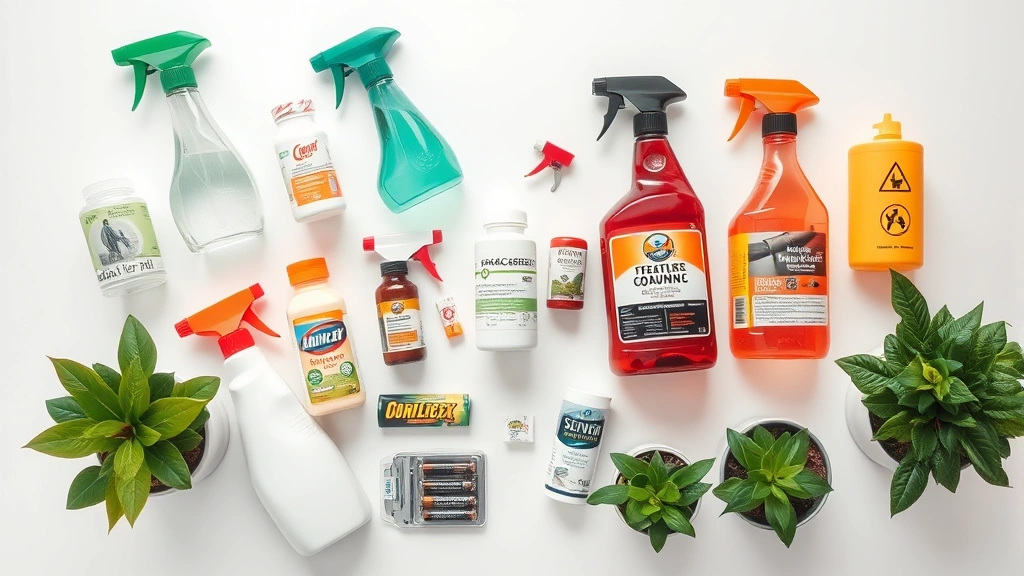
Your medicine cabinet might be more dangerous than you think. Many human medications are toxic to dogs, and even veterinary medications can be harmful if given in incorrect doses.
NSAIDs (nonsteroidal anti-inflammatory drugs) like ibuprofen and naproxen can cause gastrointestinal ulcers, kidney damage, and liver problems in dogs. Never give your dog human pain medication without veterinary guidance.
Acetaminophen (Tylenol) causes liver and kidney damage in dogs. Even one or two tablets can be toxic to small breeds.
Antidepressants and anxiety medications, including SSRIs, can cause serotonin syndrome if accidentally ingested by dogs. Symptoms include tremors, agitation, and hyperthermia.
Blood pressure medications like ACE inhibitors and beta-blockers can cause dangerous drops in blood pressure and heart rate.
Supplements aren’t always safe either. Iron supplements, vitamin D supplements, and certain herbal supplements can be toxic. Always consult your veterinarian before giving your dog any supplement.
Prescription medications meant for other family members should be stored securely. A curious dog might mistake a pill bottle for a toy.
Household Chemicals and Cleaners
The products we use to keep our homes clean can be lethal to our pets. Many contain caustic or toxic ingredients that cause severe damage to a dog’s mouth, throat, and digestive system.
Cleaning products including bleach, ammonia-based cleaners, and disinfectants can cause chemical burns and internal damage. Even diluted solutions pose risks. Store all cleaning supplies in locked cabinets or high shelves.
Antifreeze is extremely toxic to dogs and tastes sweet, making it appealing. Just a small amount can cause kidney failure. Ethylene glycol, the active ingredient, is metabolized into toxic compounds that destroy kidney function. If you suspect antifreeze ingestion, seek emergency veterinary care immediately.
Pesticides and herbicides used on lawns and gardens can cause neurological damage, organ failure, and cancer in dogs. Choose pet-safe alternatives whenever possible.
Rodent poison and insecticides are formulated to kill, and they’ll kill your dog too. Store these products in areas completely inaccessible to pets.
Paint, varnish, and solvents contain toxic chemicals that cause respiratory issues and neurological damage. Ensure proper ventilation when using these products and keep dogs away from treated areas.
Essential oils and diffusers can be toxic to dogs, particularly concentrated oils. Certain oils like tea tree, eucalyptus, and peppermint are particularly dangerous.
Toxic Plants and Flowers
Many common houseplants and garden flowers are poisonous to dogs. While some cause mild symptoms, others can be fatal.
Lilies, especially true lilies like Easter, Stargazer, and Tiger lilies, are extremely toxic to cats but also dangerous to dogs. They can cause kidney damage and gastrointestinal issues.
Sago palms contain cycasin, which causes severe liver damage. Even a small amount is potentially fatal.
Oleander contains cardiac glycosides that affect heart function and cause gastrointestinal upset.
Azaleas and rhododendrons contain grayanotoxins that cause vomiting, diarrhea, and potentially life-threatening cardiac arrhythmias.
Foxglove contains cardiac glycosides similar to oleander and is highly toxic.
Dieffenbachia and philodendrons cause mouth and throat irritation, drooling, and difficulty swallowing.
Create a pet-safe garden by removing these plants or placing them in areas your dog cannot access.
Other Dangerous Items
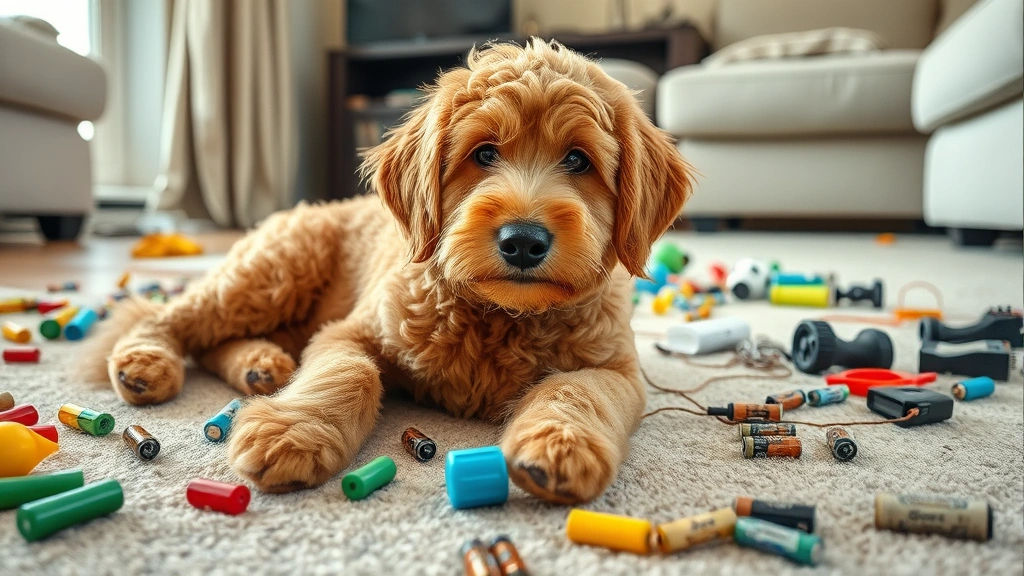
Batteries, particularly button batteries, can cause severe chemical burns inside the mouth and digestive tract. If swallowed, they require emergency removal.
Toys with small parts can become choking hazards or cause intestinal blockages. Regularly inspect toys for damage and remove any with loose parts.
String, yarn, and rubber bands can wrap around the intestines, causing a blockage that requires surgical intervention.
Coins may contain zinc, which causes hemolytic anemia. Older pennies are particularly dangerous.
Mothballs contain naphthalene or paradichlorobenzene, both toxic to dogs. Symptoms include lethargy, vomiting, and hemolytic anemia.
Potpourri and scented wax melts can cause mouth and stomach irritation, especially if they contain essential oils.
Plastic bags and packaging materials pose choking and blockage risks. Dispose of these securely.
Prevention and Safety Tips
The best approach to keeping your dog safe is prevention. Implement these strategies throughout your home:
- Store dangerous items securely: Use locked cabinets, high shelves, or closed doors to keep toxic substances out of reach. Never leave medications, cleaning supplies, or chemicals on countertops or low shelves.
- Label containers clearly: Transfer products to labeled containers so you always know what you’re dealing with.
- Educate family members: Ensure everyone in your household understands which items are dangerous and follows safety protocols.
- Create a pet-safe zone: Designate areas where your dog spends unsupervised time and remove all hazards from these spaces.
- Secure trash cans: Use locking trash cans or keep them in cabinets, as dogs will often eat discarded food and packaging.
- Remove toxic plants: Either eliminate dangerous plants from your home or place them where your dog cannot access them.
- Use pet-safe products: Choose cleaning supplies, pesticides, and other products labeled as pet-safe whenever possible.
- Keep the poison control number handy: Post the ASPCA Animal Poison Control Center number (888-426-4435) on your refrigerator.
- Never leave food unattended: Don’t leave plates of food, especially those containing toxic ingredients, where your dog can access them.
- Be cautious with guests: Remind visitors not to feed your dog treats or leave their belongings (medications, gum, etc.) within reach.
What To Do in an Emergency
If you suspect your dog has ingested something toxic, time is critical. Here’s what to do:
- Call poison control immediately: Contact the ASPCA Animal Poison Control Center at 888-426-4435 or your veterinarian. Have the product name or plant identification ready.
- Don’t panic your dog: Remain calm, as your anxiety can stress your pet further.
- Remove the substance: If your dog still has the item in their mouth, carefully remove it.
- Don’t induce vomiting without guidance: In some cases, inducing vomiting can cause more harm. Our article on how to induce vomiting in dogs explains when this is appropriate, but only do this under veterinary guidance.
- Bring the substance or packaging: Take the product, plant, or medication container with you to the veterinarian for identification.
- Note the time: Knowing when ingestion occurred helps the veterinarian determine treatment options.
- Monitor for symptoms: Watch for vomiting, diarrhea, lethargy, difficulty breathing, tremors, or seizures. How to tell if a dog has a fever is also useful knowledge if your dog shows signs of illness.
- Seek emergency care: Go to an emergency veterinary clinic if you cannot reach your regular veterinarian immediately.
According to the American Kennel Club’s guide to dangerous foods, prompt action significantly improves outcomes in poisoning cases. The sooner your dog receives treatment, the better their chances of recovery.
Frequently Asked Questions
What household items can kill a dog instantly?
While most toxins don’t cause instant death, certain substances can cause rapid deterioration: antifreeze (as little as 1 teaspoon can be fatal), strychnine-based rodent poison, large amounts of chocolate in small dogs, and severe button battery ingestion. However, most poisonings develop over hours to days, which is why rapid veterinary intervention is crucial.
How much chocolate is toxic to dogs?
The toxicity depends on the type and amount of chocolate and your dog’s weight. Baker’s chocolate is more dangerous than milk chocolate. Generally, 20 mg of theobromine per kilogram of body weight can cause mild symptoms, while 40-50 mg/kg causes moderate symptoms, and 60 mg/kg is potentially fatal. For a 50-pound dog, as little as 10 ounces of milk chocolate or 2 ounces of dark chocolate could be dangerous.
Can a dog recover from poisoning?
Yes, many dogs recover from poisoning with prompt treatment. Recovery depends on the substance ingested, the amount, the dog’s size and health status, and how quickly treatment begins. Veterinary treatment may include induced vomiting, activated charcoal, IV fluids, medications, and supportive care. According to Washington State University’s College of Veterinary Medicine, early intervention dramatically improves survival rates.
What are the first signs of poisoning in dogs?
Initial symptoms often include vomiting, diarrhea, drooling, lethargy, loss of appetite, and tremors. More severe signs include seizures, difficulty breathing, unresponsiveness, or collapse. Different toxins cause different symptom patterns, so it’s important to report all symptoms to your veterinarian.
Is my dog’s toy safe?
Inspect toys regularly for damage, loose parts, or choking hazards. Avoid toys with small parts that can be swallowed, those with string or rope that can wrap around intestines, and toys made with toxic materials. Choose toys appropriate for your dog’s size and chewing strength. Supervise playtime with new toys.
How do I know if a plant is toxic to dogs?
Use the ASPCA’s comprehensive list of toxic and non-toxic plants to check any plant in your home or garden. When in doubt, assume a plant is toxic and keep it away from your dog.
What should I keep in my pet emergency kit?
Include the poison control number, your veterinarian’s contact information, emergency clinic locations, a recent photo of your dog, medical records, a first aid kit, activated charcoal (only use under veterinary guidance), and tweezers for removing splinters or objects. Keep this information easily accessible.
Can dogs die from eating just one grape?
While one grape is unlikely to cause death, grape toxicity is unpredictable. Some dogs show no symptoms after eating many grapes, while others develop severe kidney failure from just a few. Because the response is individualized and the toxic compound is unknown, it’s best to keep all grapes and raisins away from dogs completely.
Are sugar-free products safe for dogs?
Not always. Many sugar-free products contain xylitol, which is extremely toxic to dogs. Always check ingredient lists on sugar-free gums, candies, baked goods, and peanut butter. Even products labeled as “dog-friendly” should be verified for xylitol content.
What’s the difference between toxic and safe human foods for dogs?
Safe human foods for dogs include plain cooked chicken, carrots, apples (without seeds), and pumpkin. Toxic foods include chocolate, grapes, onions, garlic, avocado, and foods containing xylitol. When in doubt, consult your veterinarian before sharing any human food with your dog.
Your dog depends on you to keep them safe. By understanding these household dangers and taking preventive action, you’re providing the best protection possible. Remember, when in doubt about whether something is toxic, contact your veterinarian or the poison control center immediately. Your quick action could save your beloved companion’s life.





